Indiana Supervision for Riders Under 14
Navigating the rules for young riders on ATVs and UTVs in Indiana can feel like trying to untangle a ball of yarn after a kitten has had its way with it. As parents, we want our kids to enjoy the thrill of the ride and the great outdoors, but we also carry the heavy responsibility of keeping them safe and within the bounds of the law. It’s a common frustration: you just want to know exactly what’s expected of you when your child wants to hit the trails. This comprehensive guide is here to shed light on Indiana's specific supervision requirements for off-road vehicle riders under the age of 14, making sure you understand your role and responsibilities.
Understanding Indiana's Core ORV Age Rules
Indiana's approach to off-road vehicle (ORV) operation is deeply rooted in safety, especially when it comes to our youngest enthusiasts. The law draws a very distinct line in the sand at age 14, recognizing that younger riders require a different level of oversight and protection due to their developing judgment, physical capabilities, and understanding of risk. It’s not about stifling fun, but ensuring that the adventure remains safe and sound for everyone involved.
Why Age 14 is a Key Threshold in Indiana ORV Law
For many parents, the idea of their child riding an ATV or UTV is a rite of passage, a way to connect with nature and learn responsibility. However, the State of Indiana sees riders under 14 as particularly vulnerable, requiring specific legal protections. This age threshold isn't arbitrary; it's based on the understanding that children in this age group may not yet possess the cognitive maturity to fully grasp the dangers of ORV operation, react appropriately to hazards, or consistently make sound decisions in dynamic off-road environments. Therefore, the law steps in to provide a framework of mandatory adult supervision. Without this specific legal framework, the risks to young riders would be significantly higher, turning what should be an enjoyable pastime into a potential hazard. This emphasis on safety is why the rules for these younger riders are so clearly defined and strictly enforced, aiming to mitigate potential accidents and injuries.
Distinguishing Between Operator Ages on Public Lands
When you consider riding on public lands, such as state recreation areas or designated county trails, Indiana's ORV laws become even more granular. While riders under 14 require constant, direct supervision, the requirements evolve as riders grow older. Once a rider turns 14, they gain a degree of autonomy, though they might still be subject to certain restrictions, particularly regarding road crossings where a valid driver's license might eventually come into play for older teens. By 16, and certainly by 18, the supervision requirements generally lessen significantly, aligning more with adult responsibilities, though specific park rules may still apply. Regardless of age, however, certain fundamental safety practices remain non-negotiable across all age groups and all riding locations. This includes always wearing a DOT-compliant helmet, long pants, sturdy boots, and gloves. The consistent need for proper safety gear is a constant, ensuring that the thrill of the ride is always paired with a commitment to protection. For a deeper dive into one of these crucial safety measures, check out [Indiana's Helmet Law for Riders Under 18].
The "Direct Supervision" Mandate: What It Really Means
The phrase "direct supervision" might sound straightforward, but in the context of Indiana ORV law, it carries a very specific and demanding set of expectations. It's not enough to simply be on the same property or in the general vicinity. The law requires a level of proximity and engagement that ensures the safety and proper conduct of the young rider at all times. This mandate is designed to put the supervising adult in a position to immediately intervene should a situation arise, preventing accidents before they happen.
Proximity and Visibility: What "Direct" Implies
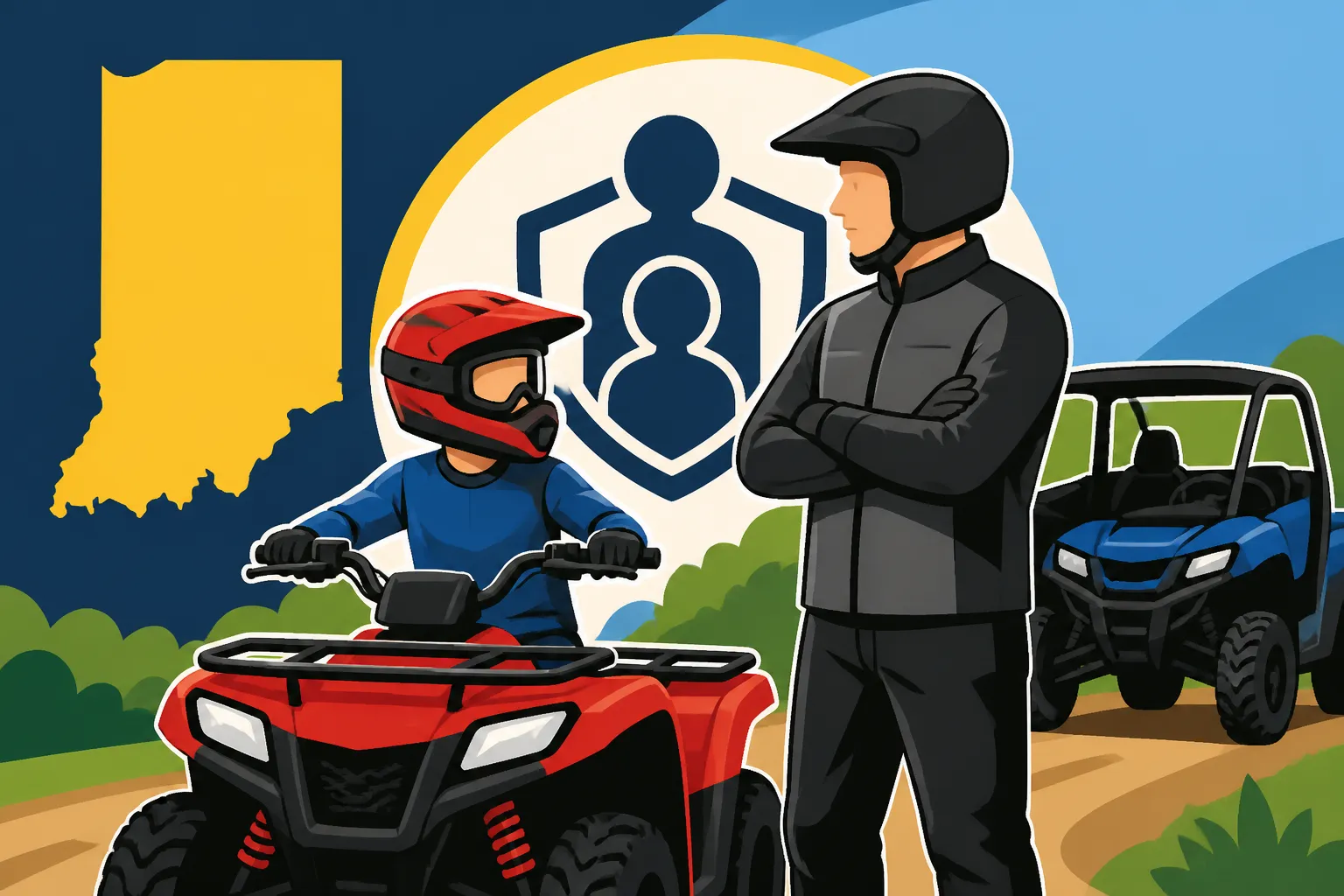
When Indiana law talks about "direct supervision" for riders under 14, it means the supervising adult must be within eyesight and earshot, and close enough to immediately provide assistance or correction. Think of it as a chaperone on a field trip, not a distant observer. You should be riding alongside your child, or at least following closely behind them, always keeping them in sight. This isn't the kind of supervision where you can watch from a comfortable porch while your child explores trails deep in the woods. Nor does it mean you can be on one side of a large field while they are on the other, out of immediate reach. The expectation is that the supervisor is actively engaged in the riding activity with the child, capable of detecting any issues—whether it's an unsafe riding maneuver, a mechanical problem, or an unexpected obstacle on the trail—and stepping in without delay. The goal is constant vigilance, a ready hand, and a guiding voice.
Active Oversight vs. Passive Presence
Direct supervision goes far beyond mere physical presence; it demands active oversight. This means the supervising adult isn't just a warm body nearby; they are an engaged instructor, a vigilant spotter, and a responsible decision-maker. An actively supervising adult will be observing the child's riding technique, reminding them of trail etiquette, pointing out potential hazards, and providing real-time feedback. It's about teaching safe riding practices and reinforcing them with every turn of the wheel. A supervisor should be knowledgeable about the ORV being operated, the terrain, and emergency procedures. They should also be competent themselves at operating an ORV, capable of demonstrating proper techniques and understanding the nuances of off-road riding. This distinction is crucial because a passive presence, while technically fulfilling the "being there" aspect, utterly fails the safety intent of the law. The law seeks to prevent accidents through proactive guidance and immediate intervention, which can only happen with active, informed oversight. For a clearer understanding of what defines this age group, you might find [Indiana Rules for a Rider Under 14] particularly helpful.
Who Can Supervise a Rider Under 14 in Indiana?
The responsibility of supervising a young ORV rider is significant, and Indiana law is quite clear about who can legally take on this role. It's not a task that can be delegated to just anyone; specific criteria must be met to ensure the child's safety and to comply with state regulations. Understanding these requirements is crucial for any parent or guardian planning an off-road adventure with a minor.
Legal Guardians and Designated Adults
Generally speaking, the primary responsibility for supervising a rider under 14 falls to a parent or legal guardian. This makes sense, as these individuals are typically best equipped to understand their child's abilities, temperament, and the specific needs of their machine. However, the law does allow for other adults to act as supervisors, provided they are explicitly designated by the parent or legal guardian. This means you can't just send your child off with an older sibling or a friend's parent without a clear understanding and agreement. The designated adult should be at least 18 years of age, and ideally, they should be someone you trust implicitly with your child's safety. This arrangement should be made clear to all parties involved, including the child, so there's no confusion about who is in charge and responsible for enforcing the rules. This ensures that even when a parent isn't present, the child is still under the watchful eye of a responsible, legally recognized supervisor.
Age and Competence Requirements for Supervisors
Beyond being a parent, legal guardian, or designated adult, the supervisor themselves must meet certain qualifications. First and foremost, the supervising adult must be at least 18 years old. This age requirement ensures a baseline level of adult judgment and legal accountability. But age alone isn't enough; competence is equally vital. An effective supervisor should be experienced in operating ORVs and possess a solid understanding of off-road safety, trail conditions, and the specific machine the child is riding. They should be able to anticipate potential hazards, guide the child through challenging terrain, and perform basic troubleshooting if needed. It’s about more than just physical proximity; it’s about providing informed, skilled guidance. For instance, while a seasoned rider might upgrade their own machine with robust SuperATV skid plates or winches for extreme conditions, the real value of supervision for a young rider comes from the knowledge and experience the adult imparts, ensuring the child learns to navigate the trails safely and responsibly. This combination of legal age and practical competence is what truly makes a supervisor effective and compliant with Indiana law. Delving into [Indiana Supervision Rules for Minors] can provide further clarity on this aspect.
Responsibilities of the Supervising Adult
Being a supervising adult for a rider under 14 in Indiana is a role laden with significant responsibilities. It’s not just about being present; it's about active participation in ensuring safety, setting a good example, and being prepared for any eventuality. Your duties extend from pre-ride preparations to actively managing the riding experience and knowing how to respond if things go awry.
Ensuring Proper Safety Gear and Machine Readiness
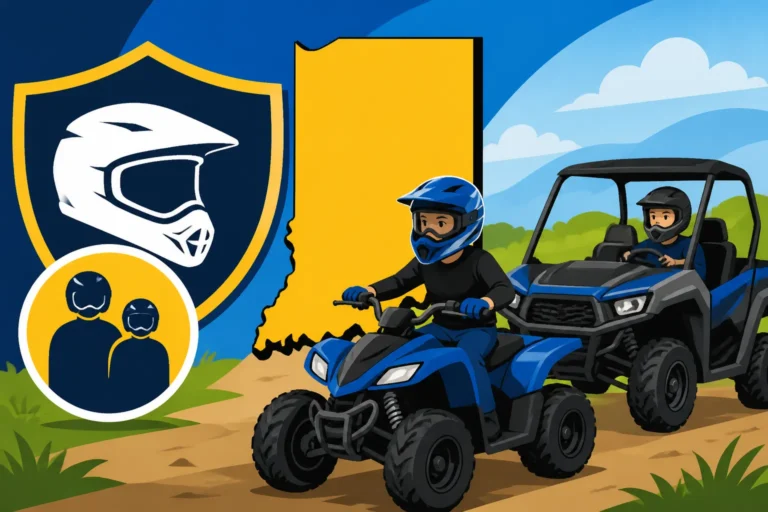
A critical responsibility of any supervising adult is to ensure that the young rider is equipped with all necessary safety gear and that their off-road vehicle is in safe operating condition. This means meticulously checking that the child is wearing a properly fitted, DOT-compliant helmet – a legal requirement in Indiana for all riders under 18 on public land, and highly recommended everywhere. Beyond the helmet, sturdy boots that cover the ankles, long pants, a long-sleeved shirt, and gloves are essential. These items provide crucial protection against scrapes, impacts, and debris. For a detailed look at helmet requirements, revisit [Indiana's Helmet Law for Riders Under 18]. Furthermore, the supervisor must confirm the ORV itself is ready to ride. This involves pre-ride checks: tires inflated correctly, brakes functioning, throttle operating smoothly, and no loose parts or fluids leaking. The machine should also be appropriately sized for the child, allowing them to comfortably reach controls and maintain balance. A machine that's too big or powerful can quickly overwhelm a young rider, turning a fun outing into a dangerous situation. Think of it like a pilot's pre-flight checklist – every detail matters for a safe journey.
Maintaining Control and Responding to Incidents
Once on the trail, the supervising adult's job shifts to active control and readiness to respond. You are ultimately responsible for the child's actions and safety, which means setting clear boundaries and consistently enforcing them. This includes dictating speed limits, designating safe riding areas, and instructing the child on proper trail etiquette and hazard recognition. If the child deviates from safe practices, it’s the supervisor’s duty to correct them immediately. This active guidance helps instill good habits and builds a foundation for responsible riding as they grow older.
In the unfortunate event of an accident or unexpected incident, the supervisor must be prepared to act swiftly and effectively. This means having a basic first-aid kit on hand, knowing how to contact emergency services (and having a phone with signal, if possible), and being capable of assessing injuries or damage. The ability to quickly and calmly manage a crisis is paramount. Some parents might even consider adding utility features from brands like SuperATV to their own machine, such as a small cargo box to carry emergency supplies or a winch, not just for their own use, but to be better prepared to assist a younger rider in a difficult situation. This comprehensive approach to responsibility, from preparation to crisis management, ensures that the supervising adult is truly a guardian on the trails. Understanding [Why an Indiana Owner Is Liable] can further underscore the importance of these responsibilities.
Public Land vs. Private Property: Do the Rules Change?
It's a common misconception that ORV laws entirely vanish once you're on private land. While there are certainly differences between public and private riding, especially concerning registration and permits, the fundamental requirement for supervision of young riders in Indiana generally holds true. The state's primary concern for the safety of its youngest citizens doesn't just disappear at a property line fence.
State ORV Areas and Public Trails
When you venture out to designated public riding areas, such as the popular [Redbird Off-Road State Recreation Area] or [Interlake Off-Road State Recreation Area], state laws regarding ORV operation are in full effect. This means the direct supervision mandate for riders under 14 is strictly enforced. Park rangers and conservation officers are authorized to check for compliance, and failure to adhere to these rules can result in citations and fines. These public lands are set up with marked trails, rules, and sometimes even age-specific areas to help manage safety. Even if your machine is properly registered with the BMV and you have the necessary trail permits, ignoring the supervision requirements for your child can lead to serious consequences. These rules are in place not to hinder enjoyment, but to maintain a safe environment for all riders on shared public resources. Knowing what an officer looks for during a roadside stop is also helpful, which you can learn more about in [What an Indiana Officer Checks Roadside].
Riding on Your Own Land or With Permission
While some aspects of ORV law are indeed relaxed on private property, the core principle of supervising riders under 14 largely remains. Indiana's intent is to protect children from injury, irrespective of the land they're riding on. While a conservation officer might not patrol your backyard, the legal and moral obligation to ensure your child's safety is ever-present. If an accident were to occur due to lack of supervision on private land, you as the parent or landowner could still face significant liability. Furthermore, property insurance policies might have specific clauses regarding ORV use and supervision, especially with minors. It’s always best practice to apply the same, if not stricter, supervision standards on private land as you would on public trails. This self-regulation not only keeps your child safe but also protects you from potential legal headaches. While you might not need an [Indiana ORV Permit for a Second Machine] on your own land, the rules around supervision are a different beast entirely.
Here's a quick comparison of how supervision for riders under 14 typically applies:
| Aspect | Public ORV Areas (Redbird, Interlake) | Private Property (Your land, friend's land with permission) |
|---|---|---|
| Supervision Mandate | Strictly enforced direct supervision required by law. | Legally required, often upheld by owner liability. |
| Enforcement | Park rangers, conservation officers, law enforcement. | Primarily parental/landowner responsibility; civil liability. |
| Required Safety Gear | DOT-compliant helmet and appropriate gear often mandatory. | Highly recommended and crucial for safety, often expected. |
| Machine Registration | Required for machines used on public trails. | Not typically required unless operating on public roads (briefly). |
| Trail Permits | Required for public state ORV areas. | Not applicable. |
| Age Limits (Specific) | Follows state and park-specific age and machine rules. | Parent/landowner discretion, but safety remains paramount. |
| Liability for Incidents | Supervisor/owner liable for violations and accidents. | Parent/landowner liable for negligence and accidents. |
This table makes it clear that while the enforcement mechanisms might differ, the fundamental requirement for supervising young riders is a constant across Indiana. Even [Indiana Helmet Law on Private Property] reinforces this, as the safety principles don't change just because of property lines.
Penalties for Non-Compliance: What Owners and Supervisors Face
Ignoring Indiana's ORV laws, particularly those concerning the supervision of young riders, carries significant consequences. These aren't merely suggestions; they are enforceable legal mandates designed to protect vulnerable individuals. Both the supervising adult and the machine owner (who might be the same person) can face penalties, ranging from fines to more severe legal repercussions, which can have lasting impacts.
Fines and Legal Consequences
Operating an ORV without the required supervision for a rider under 14 is a serious offense in Indiana. Such violations are typically classified as Class C infractions, which can lead to substantial fines. While specific amounts can vary, the initial fine for a Class C infraction can be considerable, and repeat offenses can see these penalties escalate significantly. It's not just the immediate fine; these infractions can also be recorded, potentially impacting future legal standings. Beyond the immediate monetary penalty, there's the inconvenience and stress of dealing with court appearances, legal fees, and the time commitment involved. The state takes these safety regulations seriously because the potential for severe injury or even fatality is very real when young, unsupervised riders are involved. Therefore, adhering to the supervision rules is not just about avoiding a ticket; it's about preventing potential tragedy. For more details on related penalties, you might want to look at [Indiana Fines for an Unregistered ORV], as the state's enforcement often covers multiple aspects of ORV law.
Owner Liability and Insurance Implications
One of the most significant consequences of non-compliance is the issue of owner liability. In Indiana, the owner of an ORV can be held liable for the actions of a rider, especially a minor, if those actions result in an accident or injury and can be attributed to a lack of proper supervision. This means that if your child, while unsupervised, causes damage to property or injures themselves or someone else, you, as the machine owner and likely the supervising adult, could be legally responsible. This liability can extend to medical costs, property repair, and even pain and suffering, which can quickly amount to astronomical figures.
Furthermore, a lack of proper supervision can have severe implications for your [Indiana ORV Insurance Requirements]. Insurance policies are typically designed to cover incidents that occur when all laws and regulations are being followed. If an accident happens while a rider under 14 was operating an ORV without direct supervision, your insurance provider might deny a claim, arguing that the terms of the policy were violated due to illegal operation. This could leave you personally responsible for all damages and medical expenses, turning a day of fun into a financial nightmare. It’s a sobering reminder that proper supervision is not just a legal formality but a crucial safeguard for both the child's well-being and the owner's financial security. Always err on the side of caution and ensure that your young rider is never without the vigilant eye of a qualified adult. A little upfront planning and adherence to the rules can save a lifetime of regret and expense.
Disclaimer
This article is for general informational purposes only and does not constitute professional advice. Laws, prices and regulations vary by location and change over time. Consult a qualified professional for guidance on your specific situation.