Two Headlights After Dark
Few things are as exhilarating as an evening ride, the air cooling as the sun dips below the horizon, but it can quickly turn into a stressful situation if your machine isn't properly equipped for the dark. Many Indiana riders, especially those venturing onto designated county roads or even just crossing them, aren't entirely clear on the specific lighting requirements. This guide will shine a light on Indiana's mandate for two headlights after dark and other crucial rules to keep your ATV or UTV safe and legal when the sun goes down.
The Critical Rule: Two Headlights After Dark for Indiana ORVs
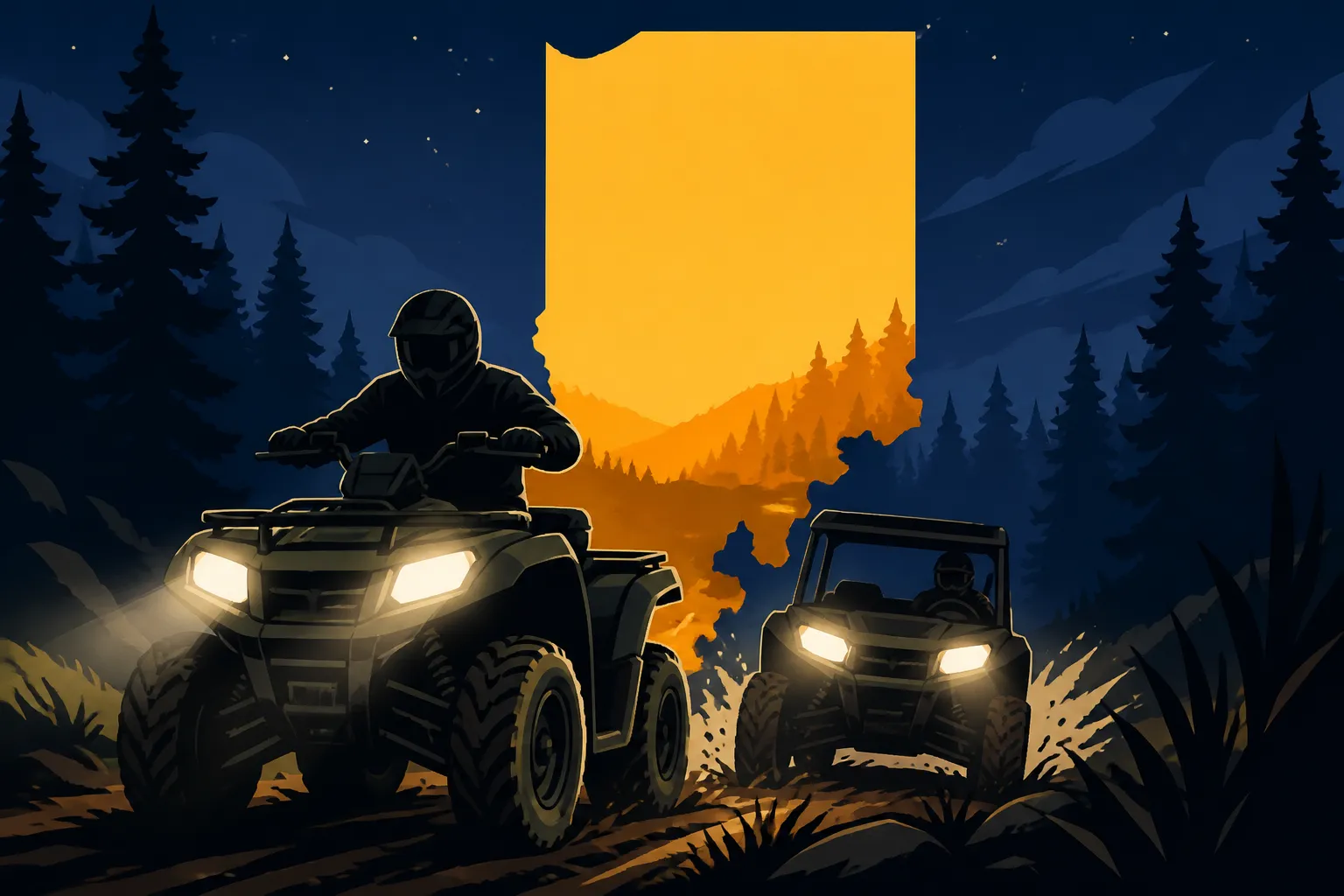
When you're planning to ride your ATV or UTV in Indiana, especially if there's any chance you'll be out after sunset or before sunrise, understanding the lighting rules is paramount. The specific phrase "two headlights after dark" isn't just a suggestion; it's a critical safety and legal requirement in many scenarios, particularly when you interact with public roads. The intent behind this rule is straightforward: to ensure your off-road vehicle is as visible as possible to other motorists, cyclists, and pedestrians, minimizing the risk of collision.
Why Two Headlights Are Non-Negotiable on Indiana Roads
Think about it from a safety perspective: a single headlight, while better than none, can sometimes be mistaken for a motorcycle far in the distance, or worse, not recognized as a moving vehicle at all. Two distinct headlights provide a clearer, wider visual footprint, signaling to others that a vehicle of a certain width is approaching. This distinction is incredibly important for depth perception and gauging distance, especially on county roads that might be winding, unlit, or have varying shoulder conditions. This rule isn't just about you seeing where you're going; it's vitally about being seen.
Indiana's regulations are designed to integrate ORVs into the broader transportation landscape when they utilize public rights-of-way, even for crossing. Because other vehicles on the road – cars, trucks, even farm equipment – are expected to have dual headlights, your ORV is held to a similar standard to maintain a consistent visual language after dark. This consistency helps prevent confusion and enhances overall safety for everyone sharing or near these roadways. It’s part of the general framework for [Indiana Lighting Requirements for ORVs].
When the "Two Headlight" Rule Kicks In
So, when exactly does this rule apply? Primarily, it applies whenever your ORV is operating during the hours between sunset and sunrise on any public thoroughfare where ORV use is permitted. This includes crossing roads, riding on designated county roads, or even operating in areas where the public might reasonably encounter your machine after dark. It’s not just for city streets; it’s for those quiet country lanes and shoulders that some counties have opened up. Even if you're just making a quick hop across a gravel road to get to another section of trail, if it's dark, you need those two headlights.
On private property or within state-managed ORV parks like Redbird or Interlake, while good lighting is always recommended for safety, the specific "two headlight" mandate for road use might not be strictly enforced by park rangers in the same way a county sheriff would enforce it on a public road. However, most modern ATVs and UTVs come equipped with dual headlights from the factory, or have readily available aftermarket options, making compliance relatively easy. If your machine only has one, it’s a strong indicator that you need to invest in an upgrade before considering any night riding where you might encounter public roads. You can find robust options for additional lighting, including LED light bars and auxiliary spotlights, from companies like SuperATV, which specializes in off-road accessories.
Completing Your Night Vision: Taillights, Brake Lights, and Beyond
While the focus might be on seeing where you're going, being seen from behind is equally, if not more, critical when riding after dark. Indiana's regulations don't stop at just the front of your machine; they extend to ensuring your ORV is adequately illuminated from all angles, especially when on or near public roads. The requirement for two headlights often goes hand-in-hand with a similar standard for the rear of your machine: two taillights after dark.
The Importance of Taillights and Brake Lights
Just as two headlights make your ORV's presence and width clear to oncoming traffic, two taillights serve the same purpose for vehicles approaching from behind. A single taillight, particularly if it's small or dim, can be easily missed or misidentified in the vast darkness of a rural Indiana road. Two distinct taillights offer better visibility, clearly defining the rear of your machine and making it harder for other drivers to misjudge your position or speed. This is crucial for preventing rear-end collisions, especially if you're traveling at a slower speed than other road users.
Brake lights are another non-negotiable safety feature. When you slow down or stop, your brake lights provide an immediate visual cue to anyone behind you. Without them, following vehicles have no warning that you're decelerating, which drastically increases the risk of a collision. Most modern ATVs and UTVs are equipped with integrated taillight and brake light systems, but it's vital to ensure they are both functioning correctly. Before every night ride, just like you'd check your headlights, you should absolutely confirm your brake lights illuminate brightly when the pedal or lever is depressed. This simple check can save you a lot of trouble, and potentially an accident. You can find replacement lighting or upgrade kits that include brighter LED taillights and brake lights from various aftermarket providers, including reliable brands like SuperATV. For more details, refer to [Two Taillights After Dark].
Reflectors: The Silent Guardians of Visibility
Often overlooked, but nonetheless important, are reflectors. While they don't actively emit light, they bounce back light from other vehicles' headlights, providing a passive layer of visibility even if your electrical system fails or your lights get covered in mud. Indiana's ORV laws typically require red reflectors on the rear of the machine, and sometimes amber reflectors on the sides. These simple, inexpensive additions can be lifesavers, particularly if you're riding in an area with minimal ambient light and limited road shoulders.
Ensuring your reflectors are clean and undamaged is a quick check you can add to your pre-ride routine. If you've been riding through heavy brush or tight trails, it's not uncommon for reflectors to get knocked off or become too scratched to be effective. Replacing them is easy and cheap, offering a significant boost to your overall safety profile when riding in low-light conditions.
Navigating the Night: Where Indiana's Lighting Rules Apply
Understanding what lighting you need is only half the battle; knowing where those rules are enforced is equally important. Indiana's ORV laws are often contextual, meaning the requirements can shift depending on whether you're on a public road, a designated trail, or private land. Misunderstanding these distinctions can lead to citations or, more importantly, dangerous situations.
Public Roads and Crossings: Strict Enforcement
When it comes to public roads, including county roads that may have been opened for ORV use, the lighting rules are at their most stringent. If you're riding on a county road designated for ORVs, or merely crossing a highway, you are essentially sharing the space with traditional motor vehicles, and thus, your ORV must meet minimum road-legal lighting standards. This absolutely means two functioning headlights, two functioning taillights, and active brake lights, especially between sunset and sunrise.
Some Indiana counties that permit ORV use on their roads, like Vanderburgh County, might even have specific local ordinances that echo or expand upon state lighting requirements. For instance, [Vanderburgh's Dual Light Rule at Night] explicitly outlines these needs. Law enforcement officers, whether a county sheriff's deputy or an Indiana Conservation Officer, will be checking for proper lighting at night if you are operating on public rights-of-way. Being pulled over for insufficient lighting is a nuisance, but being involved in an accident due to a lack of visibility is a far more serious consequence. Always assume the most restrictive rules apply when on or near public roads.
Designated ORV Trails: Safety First, Regulations Second
Indiana boasts fantastic state-managed ORV parks like Redbird Off-Road State Recreation Area and Interlake Off-Road State Recreation Area. These parks generally permit night riding, often from sunrise to sunset, with some specific events or areas allowing for extended hours. While the state parks emphasize safety through rules like mandatory helmets, the specific road-legal aspects of lighting (like ensuring two distinct headlights meet certain brightness standards) might be less of a primary enforcement focus compared to public roads.
However, having robust lighting on the trails at night is not just about avoiding a ticket; it's about pure survival and enjoyment. Trails can be unpredictable, with sudden dips, turns, roots, and rocks appearing out of nowhere. Powerful headlights, fog lights, and even auxiliary light bars are essential for safely navigating these environments. While [Riding Redbird for a Day] or [Riding Interlake for a Weekend] might be during daylight for many, having a machine capable of handling unexpected nightfall or planned night rides enhances the experience and safety for everyone. Rangers will certainly look for functional lighting to ensure safe operation, even if the "two-headlight" exact wording isn't the letter of the law within the park boundaries.
| Riding Environment | Headlight Requirement | Taillight/Brake Light Requirement | Reflectors | Enforcement |
|---|---|---|---|---|
| Public Roads | Two, functional | Two, functional with brake lights | Required | Strict |
| ORV Parks/Trails | At least one, two recommended | At least one, two recommended with brake lights | Recommended | Safety-focused |
| Private Land | Recommended | Recommended | Recommended | Landowner rules |
Private Property: Owner's Discretion, Rider's Responsibility
On your own land, or with explicit landowner permission on private property, the formal lighting regulations generally don't apply. However, this doesn't mean you should ride blindly into the night. Common sense and personal safety dictate that you should always have adequate lighting. If you're navigating fields, woods, or even just your backyard after dark, a well-lit machine prevents accidents. It's about being able to see hazards, other people, and obstacles that could lead to injury or damage to your machine. Even when the law isn't watching, safety should always be your top priority.
Smart Lighting Choices and Maintenance for Safe Indiana Night Rides
Having the right lighting on your ORV for night riding in Indiana isn't just about meeting a checklist; it's about optimizing your visibility and safety. From choosing the right components to maintaining them, a proactive approach will make your evening adventures much more enjoyable and secure.
Upgrading Your Illumination
Many stock ORV lighting systems are adequate for basic daylight use or short forays into dusk, but for serious night riding, especially on open county roads or challenging trails, you might want to consider upgrades.
- LED Headlights: If your machine still uses older halogen bulbs, upgrading to LED headlights can make a world of difference. LEDs are brighter, more energy-efficient, and have a longer lifespan. They often provide a clearer, whiter light that illuminates obstacles more effectively.
- Auxiliary Lights and Light Bars: For trail riding or areas with absolutely no ambient light, auxiliary lights or an LED light bar can turn night into day. These can be mounted on your bumper, roof, or roll cage, providing a flood of light that dramatically expands your field of vision. When considering these, make sure they are installed in a way that doesn't blind oncoming traffic if you plan on using them near roads. Companies like SuperATV offer a wide range of light bars and pods designed for the rigors of off-road use, ensuring durability and performance.
- Fog Lights: In misty or foggy conditions, standard headlights can reflect light back into your eyes, actually reducing visibility. Dedicated fog lights, mounted lower on the machine and designed with a wider, flatter beam, can cut through fog more effectively.
When installing any new lighting, ensure the wiring is properly protected from the elements, securely fastened, and that your machine's electrical system can handle the increased load. Overloading your stator or battery can lead to other electrical problems down the line.
Aiming Your Headlights for Optimal Vision
Properly aimed headlights are just as important as bright ones. Headlights that are aimed too high will blind oncoming traffic and may not illuminate the immediate path in front of you effectively. Headlights aimed too low will create a short "hot spot" directly in front of your machine, leaving you without adequate warning for obstacles further down the path.
A general rule of thumb for [Aiming Your Headlight for a Hancock County Lane] or any road is to ensure the beam projects far enough ahead to allow you to stop safely within the illuminated area, while also not projecting excessively upwards. On trails, you might want a slightly higher aim to catch overhead branches or upcoming crests, but always be mindful if you transition to a road section. Check your owner's manual for specific adjustment procedures, or consult a local mechanic if you're unsure.
Essential Pre-Ride Checks and Maintenance
Before every night ride, a quick lighting check should be part of your routine:
- Test all lights: Headlights (high and low beam), taillights, brake lights, and any auxiliary lighting.
- Inspect lenses: Ensure they are clean, free of mud, dirt, and cracks. A dirty lens can significantly reduce light output.
- Check connections: Briefly inspect visible wiring for loose connections or damage.
- Battery health: Night riding places a greater demand on your battery. Ensure it's fully charged and in good condition. Consider carrying a portable jump starter if you're venturing far from your vehicle.
- Reflective gear: Don't forget about your own visibility. Wear reflective clothing or a high-visibility vest, especially if you anticipate getting off your machine or walking around in the dark.
By taking these proactive steps and ensuring your ORV is equipped with proper and well-maintained lighting, you'll not only stay compliant with Indiana's regulations but, more importantly, you'll significantly enhance your safety and the safety of those around you when enjoying the thrill of riding after dark.
Disclaimer
This article is for general informational purposes only and does not constitute professional advice. Laws, prices and regulations vary by location and change over time. Consult a qualified professional for guidance on your specific situation.