When a $500 Fine Lands on the Owner
There’s nothing quite like the freedom of hitting Indiana’s trails or using your off-road vehicle (ORV) for chores around the property. But imagine lending your trusty quad to a friend or even your teenager, only to get a dreaded call from an Indiana conservation officer. Suddenly, you're looking at a hefty $500 fine, and you weren't even riding! This scenario, unfortunately, is a very real possibility for ORV owners in Indiana, and understanding why that fine lands on your shoulders is crucial to avoiding unwelcome surprises. This guide will walk you through Indiana's owner liability laws, specific situations where you might face a fine, and how to protect yourself and your investment.
Understanding Indiana's Owner Liability Law
It might seem unfair that you, as the owner, could be held responsible for something someone else did with your ORV. However, Indiana law is quite clear on this, reflecting a commitment to safety and responsible operation of these powerful machines. The legislative intent is to ensure that anyone who puts an ORV into circulation, whether by riding it themselves or allowing others to, bears a significant responsibility for its proper and legal use.
The Legal Framework Behind Owner Responsibility
Indiana's statutes establish a clear line of accountability. Essentially, the owner of an ORV is deemed responsible for its operation, even when they are not the one at the controls. This isn't unique to ORVs; similar principles can be seen in other areas of law, such as vehicle insurance where the owner's policy often covers others driving their car with permission. For off-road vehicles, the stakes are high due to the inherent risks involved in their operation, especially concerning age restrictions, safety gear, and approved riding areas. The law isn't just about punishment; it's about prevention, encouraging owners to exercise due diligence. [Why an Indiana Owner Is Liable] goes into further detail about this foundational principle.
Think of it this way: when you hand over the keys, you're not just loaning a piece of equipment; you're entrusting someone with a powerful machine that carries specific legal obligations for its use. If they don't meet those obligations, the state often looks to the owner first because you ultimately control who uses your property and under what circumstances. This means that ignorance of the law, or even genuine trust in another rider, doesn't always absolve you.
What Constitutes a "Class C ORV Infraction" for Owners
Many of the violations related to ORV operation fall under what's known as a Class C ORV Infraction. This designation is important because it comes with a specific penalty structure. While the exact fine can vary based on the specific violation and the officer's discretion, a Class C infraction typically carries a maximum penalty of $500. This isn't a minor slap on the wrist; it's a significant financial hit that can easily catch an unsuspecting owner off guard. [What a Class C ORV Infraction Costs in Indiana] delves into the specifics of these penalties.
Beyond the immediate financial penalty, repeated infractions can lead to further complications, though the primary concern for most owners is that initial significant fine. It's not just about what the rider does; it's about the owner allowing or permitting the violation. For example, if you allow a minor to ride unsupervised in an area where supervision is required, or without a helmet, that action of "allowing" is what makes you, the owner, liable. The law places a heavy emphasis on the owner's role in ensuring compliance with safety and registration rules.
Scenarios Where the Owner Gets Fined: Unexpected Pitfalls
It's easy to assume that if you're not riding, you're not responsible. Unfortunately, that's not how Indiana law works. Many owners have found themselves facing fines for situations they didn't directly cause but failed to prevent. Understanding these common pitfalls is the first step in avoiding them.
Lending Your Machine to an Unqualified Rider
This is perhaps one of the most common ways an owner can get into trouble. Indiana has strict rules about who can operate an ORV, especially concerning age and supervision. If you lend your machine to someone who doesn't meet these requirements, you could be on the hook.
- Minors Without Supervision: Let's say your 13-year-old nephew, who's visiting from out of state, wants to ride your dirt bike on your private property. You give him permission, but you're inside making lunch while he's out riding. Under Indiana law, riders under 14 require direct supervision by an adult. If an officer were to observe this, you, as the owner, could face a fine for permitting the unsupervised operation. [Indiana Rules for a Rider Under 14] clearly outlines these requirements. Even on private land, these rules apply, showing the state's strong emphasis on youth safety.
- Riders Under the Minimum Age: Similarly, if you lend your machine to a child who is below the absolute minimum age to operate an ORV (even with supervision in some contexts), you could be liable. While private property rules are generally more lenient, specific age restrictions often apply universally. Always check the current [Indiana Minimum Age to Ride an ORV] before handing over the keys to a young rider.
- Lack of Safety Gear: Indiana also has specific helmet laws, particularly for riders under 18, regardless of whether they are on public or private land. If you allow a minor to ride your ORV without an approved helmet, and an incident occurs, or even if they are simply observed, you as the owner could be cited. The expectation is that the owner ensures safe riding practices are followed.
Issues with Registration, Titling, or Permits
Another major area where owners face fines relates to the administrative side of ORV ownership. It's your responsibility as the owner to ensure your machine is properly registered and titled, and that permits are obtained when necessary.
- Unregistered ORV: If your ORV is required to be registered with the Indiana Bureau of Motor Vehicles (BMV) and it isn't, and someone is observed riding it, the fine often falls on you. This isn't just about public land; an unregistered ORV used in certain capacities on private land (e.g., if it leaves the property) could still trigger a violation. Many owners might think they only need to register if they ride state trails, but the rules are broader. [Indiana Fines for an Unregistered ORV] details these penalties. Ensure your machine has its current [Indiana ORV Decal Explained].
- Expired Permits on Public Trails: When riding at designated state ORV areas like Redbird or Interlake, a trail permit is required. If you've got an annual permit, great. But if you forget to renew it, or loan your machine to a friend who uses it on a public trail without their own daily permit or a valid annual one, you, the owner, can be fined. [Indiana Fines for No ORV Permit] clearly outlines this. It’s vital to check the validity of your [Indiana ORV Trail Permit Cost] and make sure it’s current, especially before a big weekend trip.
- Improper Titling: While not always leading to an immediate riding fine, issues with titling can create problems during sale or transfer, and sometimes tie into registration validity. For machines bought after 2009, titling is generally mandatory. Forgetting to get your machine properly titled within the [Indiana ORV Titling Deadline] can lead to an administrative penalty, and if it impacts the registration, it could contribute to an unregistered ORV fine.
Violations of Operating Rules on Roads or Public Land
Even if you're not physically on the machine, violations of where and how ORVs can be operated can lead to owner liability.
- Illegal Road Use: Indiana generally restricts ORVs from public roads. While some counties have opened specific roads, and crossing is permitted under strict conditions, riding your ORV down a county road that isn't designated for ORV use is illegal. If you lend your ORV to someone who takes it for a spin on an unauthorized road, you, as the owner, could face a [Indiana Fines for Illegal ORV Road Use]. This is a particularly common pitfall for those living in rural areas where it might seem harmless to ride a short distance on a gravel road. It's why durable accessories from brands like SuperATV, which are often designed for rugged off-road use, need to be kept strictly off public roads unless explicitly allowed by local ordinance.
- Trespassing: While the rider is directly responsible for trespassing, if the owner is seen as having enabled or encouraged the activity, they could also face repercussions, especially if the ORV is unregistered or being operated unsafely on someone else's property without permission. Always confirm [Indiana Landowner Permission Requirements] before riding.
Here's a quick table summarizing common scenarios for owner liability:
| Scenario Leading to Fine | Owner Action/Inaction | Applicable Indiana Rule | Potential Owner Liability |
|---|---|---|---|
| Unsupervised minor (under 14) riding | Allowing minor to ride alone | [Indiana Supervision for Riders Under 14] | Class C ORV Infraction ($500 max) |
| Rider under 18 without helmet | Allowing minor to ride without helmet | [Indiana Helmet Law for ORV Riders] | Class C ORV Infraction ($500 max) |
| Unregistered ORV in use | Failing to register machine | [Registering an ORV in Indiana] | Class C ORV Infraction ($500 max) |
| Expired trail permit on public land | Not renewing permit / loaning to unprepared rider | [Indiana ORV Permits Explained] | Class C ORV Infraction ($500 max) |
| Illegal road riding | Allowing use on undesignated public roads | [Are ATVs Street Legal in Indiana?] | Class C ORV Infraction ($500 max) |
Protecting Yourself: Steps to Avoid That $500 Penalty
Nobody wants to deal with a fine, especially one for something they didn't do themselves. The good news is that there are proactive steps you can take to significantly reduce your risk of facing a $500 penalty as an Indiana ORV owner.
Know the Laws Thoroughly
This is the absolute foundation of protection. Ignorance of the law is rarely an excuse in the eyes of the law. You, as the owner, are expected to know the rules governing your machine.
- Stay Updated on Registration and Titling: Make it a habit to check the expiration date on your ORV registration decal. [Renewing an Indiana ORV Registration] is a simple process, but it's easy to let it slip. Ensure your machine is properly titled, especially if you bought it after 2009. If you're unsure, visit the BMV website or a local branch.
- Understand Age and Supervision Rules: Before anyone, especially a minor, hops on your ORV, confirm they meet the age requirements and that the necessary supervision is in place. This includes understanding [Indiana Supervision Rules for Minors]. Even if your friend is an experienced rider, if they're supervising your child, they need to know the rules too.
- Familiarize Yourself with Riding Areas: Know where ORVs are permitted and where they are not. This means understanding general prohibitions on public roads and researching specific county ordinances if you plan to ride near or on public ways. If you're heading to a state recreation area, always check their specific rules regarding permits, hours, and allowed machine types.
Implement Strict Lending Practices
If you lend your ORV to anyone, whether family or friends, treat it like lending your car. Have a clear understanding of the rules and expectations.
- Educate Borrowers: Don't assume others know the rules. Briefly go over the essentials with anyone who borrows your ORV. This includes reminding them about helmet laws, age restrictions, and where they can and cannot ride. Emphasize the importance of safe and legal operation.
- Verify Qualifications: For minors, confirm parental supervision will be constant and direct if required. For any rider, ensure they have the skill level appropriate for the machine and the terrain. A powerful ORV equipped with aftermarket parts from SuperATV for extreme trails might not be suitable for a novice rider.
- Check for Valid Permits/Registration: If they plan to ride on public trails, verify that your machine has its current registration decal and that either you have a valid annual permit that covers it, or they have purchased a daily permit.
Keep Records and Proof
In the event of an alleged violation, having documentation can be incredibly helpful.
- Maintain Registration and Title Documents: Keep physical or digital copies of your ORV's registration certificate and title accessible. While you don't always need to carry them on the trail, having quick access can help if an issue arises.
- Proof of Permission (for private land): If you're allowing someone to ride on your private land, and there's a specific agreement, it never hurts to have a clear understanding or even a brief written note, especially if you won't be present. This applies even more so if you're renting out your ORV, though rental operations have even more stringent legal requirements.
The Legal Process: What to Expect After an Indiana ORV Citation
Despite your best efforts, sometimes things happen. Knowing what to expect if you or someone using your ORV receives a citation in Indiana can help you navigate the process.
Receiving the Citation and Initial Steps
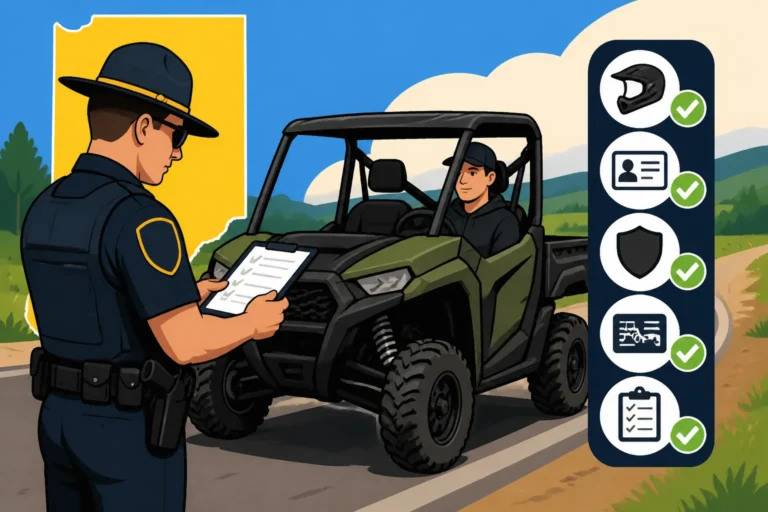
When an Indiana conservation officer issues a citation, it will clearly state the alleged violation and the court date.
- Who Gets the Ticket?: Typically, the person operating the ORV at the time of the infraction will receive the citation. However, as discussed, if the violation falls under owner liability (e.g., an unregistered ORV, unsupervised minor), the owner can also be cited, sometimes even if they weren't present.
- Understanding the Charges: Read the citation carefully. It will specify the statute violated. For example, it might refer to [Indiana Helmet Law for Riders Under 18] or [Indiana Fines for an Unregistered ORV].
- Your Options: You generally have a few options:
- Pay the Fine: If you believe the citation is valid and you accept responsibility, you can often pay the fine by the due date, either online, by mail, or in person, as directed on the ticket. This typically closes the case, though it might result in points or other administrative actions depending on the severity and nature of the infraction.
- Contest the Citation: If you believe the citation was issued in error, or you have a valid defense, you have the right to appear in court on the specified date to contest it. This is where evidence, witness testimony, and legal arguments come into play.
Appearing in Court and Potential Outcomes
If you choose to contest the citation, or if the court requires your appearance, you'll need to prepare.
- Gathering Evidence: If you're contesting a fine for an unregistered ORV, bring proof of valid registration. If it's about supervision, bring witnesses or other evidence demonstrating proper oversight. For issues like an alleged lack of a spark arrester, you might show a photograph of your muffler, or documentation for aftermarket parts from reputable brands like SuperATV that are designed to be compliant.
- Court Process: You'll have an opportunity to present your side of the story to the judge. The officer who issued the citation will also be present to explain their observations. The judge will listen to both sides and make a ruling.
- Possible Outcomes:
- Dismissal: If the judge agrees with your defense, the citation can be dismissed.
- Reduced Fine: Sometimes, a judge might reduce the fine, especially if there are mitigating circumstances.
- Upheld Fine: If the judge finds the evidence supports the violation, the fine will be upheld, and you'll be ordered to pay it. Additional court costs might also apply.
- Other Penalties: While less common for simple Class C ORV infractions, repeated serious offenses could lead to more severe penalties, though for most owners, the primary concern is the monetary fine.
Implications Beyond the Fine
While the $500 fine is a significant deterrent, it's worth considering other potential implications.
- Insurance Rates: Depending on the nature of the violation and your insurance provider, an ORV citation could potentially impact your insurance rates or even your eligibility for certain coverage. It's always a good idea to understand your [Indiana ORV Insurance Requirements].
- Future Enforcement: Having a record of violations can mean officers might pay closer attention to your activities or your ORV in the future.
- Safety Record: For any activity, maintaining a clean safety record is always preferable, both for your peace of mind and for showing responsible ownership.
Understanding Indiana's ORV laws, especially those regarding owner liability, is paramount. By being proactive, educating those who use your machine, and knowing what to do if a citation occurs, you can protect yourself from that unwelcome $500 surprise and ensure your time on the trails or farm remains enjoyable and compliant.
Disclaimer
This article is for general informational purposes only and does not constitute professional advice. Laws, prices and regulations vary by location and change over time. Consult a qualified professional for guidance on your specific situation.