Indiana Helmet Law for Riders Under 18
It’s a common scenario: you’ve got your ORV loaded up, the kids are buzzing with excitement, and you’re ready for a great day on the trails or even just cruising around your property. But then that little voice of doubt creeps in, or maybe you’ve heard conflicting stories from other riders. "Does my teenager really need a helmet on our land?" "What about in the side-by-side with a roof?" This guide is here to cut through the confusion and give you a clear, empathetic look at Indiana’s helmet law for riders under 18, ensuring you and your young riders stay safe and on the right side of the law.
The Unwavering Requirement: Indiana's Helmet Law for Riders Under 18
Let's get right to the heart of the matter: Indiana is very clear when it comes to off-road vehicle (ORV) helmets and young riders. The law isn't ambiguous, and it's designed with the safety of our most vulnerable riders in mind. Many parents understandably have questions, especially when kids get older and feel more confident, but the law holds firm.
The Specifics of the "Under 18" Rule in Indiana
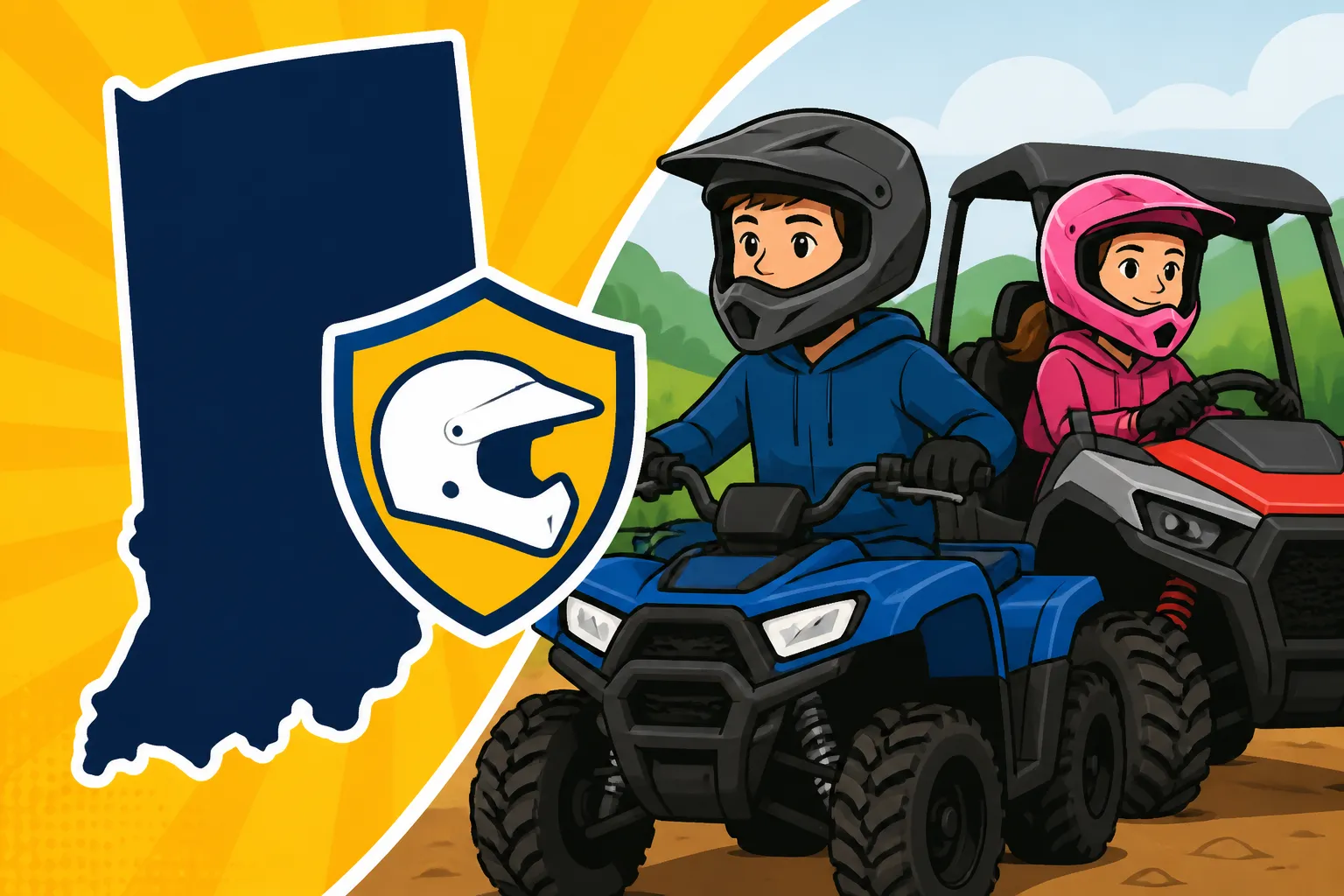
In Indiana, anyone operating or riding as a passenger on an ORV who is under the age of 18 is legally required to wear a helmet. This isn't a suggestion; it's a mandate. This means that if your child is 17 years, 364 days old, they need a helmet. The moment they hit their 18th birthday, the legal requirement for them specifically to wear a helmet on an ORV in Indiana lifts. For adults, wearing a helmet is still highly recommended for safety, but it's not legally required by the state unless they are riding in a county that has passed its own specific helmet ordinance.
This hard cutoff can sometimes feel a bit arbitrary, but it's rooted in statistics and the understanding of adolescent development. Young riders, even experienced ones, are still developing their judgment, reaction times, and physical capabilities. They might be more prone to taking risks or less able to react instinctively in unexpected situations. The law attempts to provide a layer of protection against the often severe head injuries that can occur in an ORV accident. It’s a peace of mind for parents, knowing that there’s an enforced standard of safety for their kids. Remember, this rule is a core component of Indiana Helmet Law for Riders Under 18, a measure designed to safeguard youth on the trails and beyond.
What Makes an ORV Helmet Indiana-Approved?
Not just any helmet will do. Indiana law, like most states, specifies that the helmet must meet certain safety standards. Specifically, it needs to be a safety-approved helmet. What does "safety-approved" mean in practical terms? It means the helmet must meet standards established by the U.S. Department of Transportation (DOT). When you're shopping for a helmet, look for a DOT sticker or certification label on the back of the helmet. This sticker isn't just a decoration; it signifies that the helmet has undergone rigorous testing to ensure it can withstand impacts and protect the wearer's head effectively.
Many times, riders will gravitate towards "novelty" helmets because they might be lighter, smaller, or have a more appealing aesthetic. However, these helmets typically do not meet DOT standards and offer minimal, if any, protection in a crash. They are designed for appearance, not safety. In the eyes of the law and, more importantly, in the event of an accident, a non-DOT approved novelty helmet is essentially the same as wearing no helmet at all. It's crucial to educate yourself and your young rider about the difference. Investing in a proper, certified helmet is one of the most important safety decisions you can make, far outweighing any concerns about style. You wouldn't trust just any piece of equipment for critical machine parts, and the same principle applies to protecting your head.
Proper Helmet Fit and Care for Young Riders
Finding an Indiana-approved helmet is just the first step; ensuring it fits correctly and is properly maintained is equally vital. A helmet that is too loose can shift during an impact, compromising its protective ability, while one that's too tight can be uncomfortable and distracting. When sizing a helmet for a young rider, always measure their head circumference and consult the manufacturer's sizing chart. The helmet should fit snugly all around, without excessive pressure points. When you try to move the helmet, it should move your scalp with it, not slide independently. The chin strap should always be fastened securely, forming a "V" shape below the ears and tight enough so that you can't easily slide more than one finger between the strap and the chin.
Kids grow, and their helmets need to grow with them—or rather, be replaced when outgrown. Regularly check the fit to ensure it’s still providing optimal protection. Beyond fit, proper care extends the life and effectiveness of the helmet. Avoid harsh chemicals for cleaning, store it in a cool, dry place away from direct sunlight, and never drop it. Even seemingly minor drops can compromise the integrity of the helmet's internal foam, making it less effective in a real crash. While you might invest in robust aftermarket parts from a company like SuperATV to enhance your machine's durability and performance, remember that the most critical piece of safety gear is the one worn on the head. A well-maintained, properly fitting helmet is your child's first line of defense against serious injury.
Beyond Public Trails: Where Indiana's Helmet Law Applies to Minors
One of the most common misconceptions among ORV owners, especially those who primarily ride on private land, is the idea that state laws don't apply once you're off public trails. It's easy to think that your own property is your kingdom where rules don't reach, but when it comes to the safety of minors on ORVs in Indiana, that simply isn't the case.
Private Property, Farm Fields, and Your Own Backyard
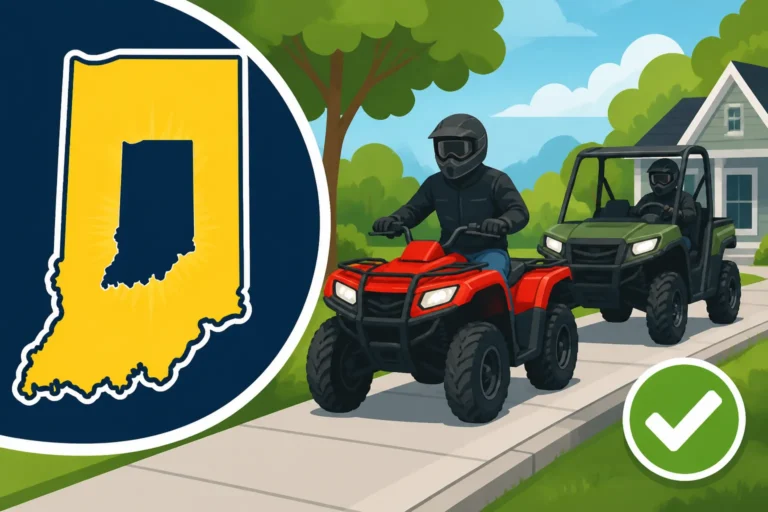
Many riders assume that because they own the land or have explicit permission from a landowner, they are exempt from certain regulations. However, Indiana's ORV helmet law for riders under 18 is broad in its scope. It applies to any operation of an ORV by a minor in the state, regardless of whether it's on public trails, a designated ORV park, a friend's sprawling farm, or your very own backyard. This means that if your 14-year-old is tearing it up in the back forty on your quad, they still need to be wearing an approved helmet.
This aspect of the law often surprises people, but it makes sense when you consider the intent: to protect young riders from head injuries, no matter where they ride. Accidents don't discriminate between public and private land. A rollover or collision can happen just as easily on a private trail as it can at a state recreation area. So, while you might feel more relaxed on your own property, the legal responsibility for ensuring your minor riders are helmeted remains. This is explicitly covered under [Indiana Helmet Law on Private Property], a reminder that safety regulations extend beyond the boundaries of public access.
UTVs, Side-by-Sides, and the Enclosed Cab Exemption Myth
Another significant area of confusion arises with UTVs, also known as side-by-sides. These machines often come equipped with roll cages, roofs, and even windshields, leading many to believe that the occupants, particularly minors, are somehow exempt from helmet requirements. The thought process often goes, "If they're strapped in and have a roll cage, isn't that enough protection?" Unfortunately, this is a dangerous misconception in Indiana.
Even with a full roll cage, roof, and seatbelts, any occupant under the age of 18 in an ORV – including UTVs and side-by-sides – is still required by Indiana law to wear a safety-approved helmet. The presence of an "enclosed cab" or other safety features does not negate this rule for minors. While an adult driver or passenger in an enclosed UTV might be exempt from a helmet in certain situations or in counties without specific ordinances, this exemption absolutely does not apply to anyone under 18. This distinction is critical and is a point often clarified by park rangers and law enforcement. For details on how these rules apply in state recreation areas, you can look into [Indiana Helmet Rules at an ORV Park] and [The Enclosed Cab Exemption in Indiana]. It's a key safety distinction that all UTV owners with young passengers must understand and enforce.
Special Cases: Youth Machines and Supervised Riding
While the helmet law for riders under 18 is universal, it's worth briefly touching upon how it interacts with other regulations concerning young riders, particularly those related to machine size and supervision. Indiana has specific guidelines for the minimum age a rider must be to operate an ORV, and these often correlate with the size and engine displacement of the machine. For instance, there are strict rules for riders under 14 years old, requiring direct supervision.
Regardless of whether a young rider is on a small youth-specific ATV, a larger utility quad, or a side-by-side, the helmet requirement remains constant for anyone under 18. The supervision rules, which dictate how closely an adult must monitor a young rider, are an additional layer of safety, not a replacement for head protection. So, a 13-year-old on a properly sized youth machine, even with an adult supervising within sight, still needs that DOT-approved helmet firmly on their head. Understanding [Indiana Minimum Age to Ride an ORV], [Indiana Rules for a Rider Under 14], and [Indiana Supervision Rules for Minors] helps complete the picture of youth ORV safety in the state. Every piece of legislation is designed to work together to create the safest possible environment for our children to enjoy off-roading.
Facing the Music: Penalties and Owner Responsibilities
Ignoring Indiana's helmet law for riders under 18 isn't just a lapse in judgment; it carries real legal and financial consequences. More importantly, it dramatically increases the risk of severe injury for the young rider. Law enforcement takes these regulations seriously, and ignorance of the law is rarely an acceptable defense.
What to Expect from an Indiana Conservation Officer or Law Enforcement
If an Indiana Conservation Officer, county sheriff, or local police officer observes a minor operating or riding as a passenger on an ORV without a required helmet, they will likely initiate a stop. Their primary concern will be the safety of the minor, and then the enforcement of the law. During the stop, the officer will typically verify the age of the rider and determine if a helmet is being worn and if it appears to be DOT-approved. They may also check other aspects of the ORV and the riders, such as registration and appropriate supervision for very young operators. You can get a sense of what an officer might look for by reviewing [What an Indiana Officer Checks Roadside].
The consequences for non-compliance can range from a warning to a citation, which is often classified as a Class C ORV infraction. This isn't just a slap on the wrist. A Class C infraction carries potential fines and can sometimes escalate depending on the circumstances, such as repeated offenses or if other violations are present. The officer may also prohibit further riding until the situation is rectified, meaning the minor either puts on a proper helmet or is no longer riding the ORV. It’s always best to be prepared and compliant to avoid these situations entirely.
Understanding Owner Liability When a Minor Rides Unhelmeted
Here's where it gets particularly important for parents, guardians, and anyone who owns or provides an ORV for a minor to ride. In Indiana, the adult owner or person in charge of an ORV can be held liable if a minor operates or rides it without the required helmet. This is a critical point that often gets overlooked. Even if you're not physically present on the ORV or even at the riding location, if you allowed or enabled the minor to ride unhelmeted, you could face penalties. [Why an Indiana Owner Is Liable] is a direct result of the state's commitment to youth safety.
The financial penalties for a Class C ORV infraction can be significant. While specific amounts can change, they are designed to be a deterrent. Beyond the immediate fine, there's the much graver risk of injury. In an accident, an unhelmeted minor is at a far higher risk of suffering traumatic brain injury (TBI), which can have lifelong devastating consequences. The legal and emotional fallout from such an event far outweighs any inconvenience of ensuring a helmet is worn. It's a solemn responsibility that rests on the shoulders of the adults providing access to these powerful machines. For more information on potential costs, consider researching [What a Class C ORV Infraction Costs in Indiana].
Proactive Steps: Ensuring Compliance and Promoting Safety
The best defense against fines and, more importantly, against injury, is a proactive approach to safety and compliance. Here are some actionable steps you can take:
- Educate: Talk to your children about the helmet law and, more importantly, why it exists. Explain the risks of head injuries and the protection a helmet provides. Make it about their well-being, not just about following a rule.
- Invest in Quality: Purchase DOT-approved helmets that fit correctly for all your minor riders. Don't skimp on this crucial piece of safety gear. Look for helmets designed for ORV use, which often include features like good ventilation, impact absorption, and a wide field of vision.
- Lead by Example: If you're an adult rider, consider wearing a helmet yourself, even if not legally required. Seeing adults prioritize safety reinforces good habits in children.
- Make it a Rule, No Exceptions: Establish a strict household rule: no helmet, no riding. Period. Consistency is key, whether you're riding in a state park, a private trail, or just around the yard.
- Pre-Ride Checks: Before every ride, do a quick safety check. Ensure helmets are on and properly fastened, and that all other safety gear (like eye protection, appropriate clothing, and sturdy footwear) is also being used.
- Consider Additional Safety Gear: While helmets are legally mandated for minors, other gear significantly enhances safety. This includes goggles, gloves, riding boots, and protective clothing. For UTVs, ensuring seatbelts are always used is also critical. Many companies, like SuperATV, offer a wide array of aftermarket accessories that can enhance the safety and protection of your machine itself, from sturdy bumpers to roll cage additions, complementing the personal protective equipment worn by riders.
By taking these steps, you not only ensure compliance with Indiana law but also instill a strong culture of safety that will serve your young riders well for years to come.
Disclaimer
This article is for general informational purposes only and does not constitute professional advice. Laws, prices and regulations vary by location and change over time. Consult a qualified professional for guidance on your specific situation.