What to Do in a County That Designated No Roads
It's incredibly frustrating, isn't it? You've got your ATV or UTV, you love hitting the trails, but sometimes you just want to get from point A to point B, or maybe access a trailhead, without loading up the trailer. You start looking into riding on local county roads, only to discover that your county hasn't explicitly passed an ordinance opening them up. It leaves you wondering, "Am I just out of luck, or is there something I'm missing?" This guide is here to unravel that confusion, helping you understand Indiana's nuanced rules for off-road vehicles on public roads when your local government hasn't made a clear designation.
Understanding Indiana's Default Stance on ORV Road Use
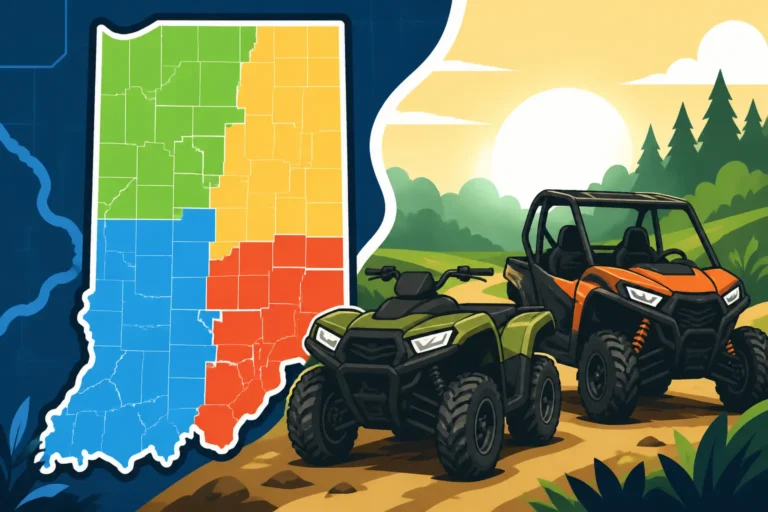
Let's cut right to the chase: in Indiana, the general rule of thumb is that roads are not open to off-road vehicles (ORVs) unless a specific local ordinance or state law allows it. This means that if your county hasn't gone through the process of formally designating roads for ORV use, you can't simply assume you're permitted to cruise down Main Street or even a quiet country lane. This can feel like a real bummer, especially when you hear about other counties in the state that have embraced ORV road riding.
The Indiana law sets a baseline that effectively closes public roads to ORVs, putting the onus on local governments—counties, cities, or towns—to take action if they want to permit such use. It’s not about them banning something; it’s about them allowing something that is otherwise restricted. So, if you live in a county that has been silent on the issue, it means the default restriction is still very much in place. This isn't unique to Indiana; many states operate under similar principles to maintain safety and regulate traffic flow. The frustration stems from the patchwork nature of these rules, where what's perfectly legal one county over could land you a ticket in yours. It creates a real headache for riders who want to be compliant but find the laws unclear or seemingly absent.
Why Roads Are Closed by Default
The primary reason for this default closure is public safety. ORVs like ATVs and UTVs are designed for off-road terrain, not for interacting with standard road traffic, which includes cars, trucks, and even bicycles. They typically lack many of the safety features, like crumple zones, advanced braking systems, or even standard turn signals (though many riders add these, perhaps even a set from SuperATV, for better visibility) that conventional vehicles have. Their handling characteristics are also different, especially at higher speeds or on paved surfaces, making them less predictable in traffic.
Beyond safety, there are also concerns about road wear and tear. While most ORVs are lighter than cars, their tire designs, especially aggressive knobby tires, can contribute to different types of wear on asphalt and gravel roads over time. Noise pollution is another factor often cited in communities resistant to opening roads, as the sound of multiple machines can be disruptive to residents, particularly in rural areas where peace and quiet are highly valued. Ultimately, the state's default position is a preventative measure, ensuring that local jurisdictions have to consciously weigh these factors and set up appropriate regulations before opening their roads.
The Role of Local Ordinances
When a county decides to open its roads to ORVs, it does so by passing a specific local ordinance. This isn't just a casual announcement; it's a formal legal process. The ordinance will typically outline which roads are open, what hours ORVs can be ridden, age restrictions for operators, helmet requirements (beyond state minimums), and often insurance requirements. For example, you might find that [How a County Highway Department Designates ORV Roads] involves a lengthy process of review and public input.
These ordinances are critical because they override the state's general prohibition on certain roads. Without one, you're still bound by the default state rules. This is why simply seeing a neighbor ride their UTV on the road doesn't automatically mean it's legal; they might be violating local rules, or they might be operating under a specific exemption, or perhaps their particular county has passed an ordinance you're unaware of. Your best bet is always to check the specific, current ordinance for your county or municipality. This can often be found on the county's official website, usually under the "Ordinances" or "County Code" section, or by contacting the county clerk or highway department directly. Ignorance of the law is rarely an excuse, so doing your homework is paramount.
Navigating the "Shoulder and Ditch" Exception
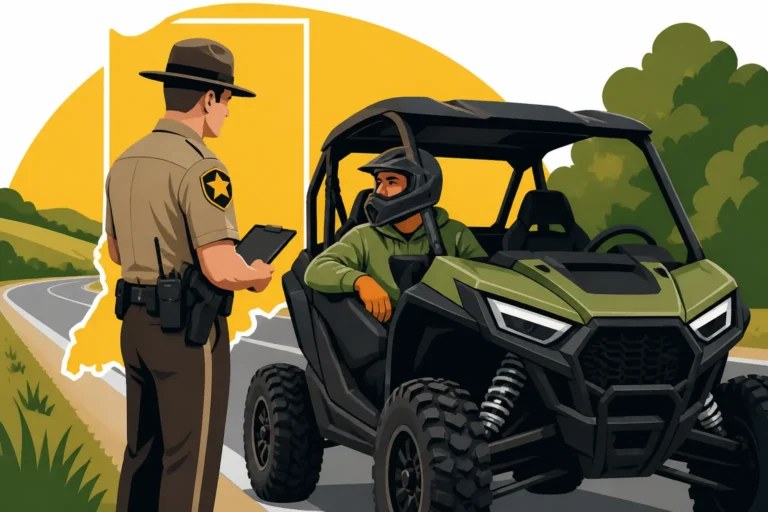
Even if your county hasn't designated any roads for ORV use, Indiana law does provide a very specific, limited exception that allows ORV operators to use the shoulder or extreme right-hand side of a public highway. This is a crucial distinction and a point of frequent misunderstanding for many riders. It's not a free pass to ride on the road itself, but rather a narrow allowance for specific circumstances.
This exception is designed to facilitate access to riding areas or to allow for brief transit when absolutely necessary, without fully integrating ORVs into the main flow of traffic. However, it comes with strict conditions and interpretations that every rider must understand to avoid serious legal trouble. Many riders see this as a workaround, but it's important to remember it's a limited exception, not a broad permission.
Riding the Shoulder and Ditch in Indiana
The core of this exception lies in Indiana Code, which states that an individual may operate an ORV on the shoulder or extreme right-hand side of a public highway if:
- There is sufficient width to operate the ORV away from the vehicular traveled portion of the highway. This is perhaps the most important, and often subjective, condition. "Sufficient width" means exactly that—enough space so you are not in the lane of traffic and are not creating a hazard. This typically means a clear, wide shoulder, often unpaved. A narrow, crumbling edge of asphalt barely wider than your tire is not sufficient. Imagine a county road with no shoulder at all, and you immediately understand where this exception doesn't apply. You're expected to stay clear of the flow of vehicles entirely.
- The operation of the ORV does not in any way interfere with the safe flow of vehicular traffic. Your presence, even on the shoulder, should not cause cars to swerve, slow dramatically, or otherwise react defensively. If you're causing a disruption, you're violating this part of the exception. This also implies maintaining a safe speed and being aware of your surroundings, ensuring you're not a moving obstacle.
- The ORV is operated at a speed no greater than is reasonable and prudent under the conditions. This isn't about matching the speed limit; it's about being cautious. You should be going slow enough to react to uneven terrain on the shoulder, pedestrians, or unexpected turns in the road.
Furthermore, this exception typically applies to non-interstate highways and limited-access roads, which are generally off-limits regardless. You're also generally required to yield to all other traffic, pedestrians, and emergency vehicles. [The Shoulder and Ditch Exception in Indiana] is a lifeline for some, but it requires careful judgment and adherence to the spirit of the law, which prioritizes keeping ORVs separate from main traffic flows.
Crossing a Road on an ORV in Indiana
Related to the shoulder and ditch exception is the allowance for crossing a public highway. This is often necessary when connecting between sections of trail, private property, or even different shoulders. Again, there are strict rules for [Crossing a Road on an ORV in Indiana]:
- Come to a complete stop before crossing. Just like a stop sign, you must bring your ORV to a full halt.
- Yield to all traffic. You must ensure the way is completely clear before proceeding. Do not assume traffic will stop for you.
- Cross at right angles to the highway. This means going straight across, not diagonally. It minimizes your time in the travel lanes and makes your path more predictable to other drivers.
- Do not cross a limited-access highway. This includes interstates and other major divided roads where entry and exit are restricted. You absolutely cannot cross these.
It's a quick dash, essentially. You stop, look both ways (multiple times!), make sure there's ample room, and then cross directly. This isn't permission to ride down the road for a stretch and then cross; it's purely for perpendicular transit. Any deviation from these rules, even for a short distance, could result in a ticket and put you at risk. Even with a well-equipped machine, perhaps with a sturdy aftermarket bumper from SuperATV, you're still vulnerable to much larger vehicles on the road.
Proactive Steps When Your County Hasn't Acted
So, your county hasn't designated roads, and the shoulder/ditch exception feels too limited for your needs. What then? You're not entirely powerless! Many communities have seen changes in ORV regulations because concerned citizens and riding groups took the initiative to advocate for responsible access. This often involves a combination of research, community engagement, and direct communication with local officials. It's a long game, but it can pay off.
The key here is to be informed, organized, and polite. Officials are more likely to listen to well-reasoned arguments supported by facts and a clear plan than to angry demands. Showing that you've thought through the safety implications and potential solutions can make a huge difference.
Researching Your Local Government and Current Rules
Before you even think about approaching officials, do your homework. Start by thoroughly checking your county's existing ordinances. Sometimes, an ordinance might exist but be hard to find, or it might be older and not explicitly mention ATVs or UTVs but cover "off-highway vehicles" in general. Look for anything related to vehicles, traffic, or recreational use.
Next, understand who makes these decisions. Is it the County Commissioners? The County Council? The Highway Department? Knowing the right people to talk to is crucial. You might also want to look at what neighboring counties have done. If a nearby county successfully opened its roads, their ordinance might serve as a template or a point of reference for your local officials. This can demonstrate that opening roads for ORVs is not an unprecedented or impossible task, and that other communities have found ways to do it safely and effectively. You can often find this information by looking at meeting minutes from your county government's website.
Engaging with Local Officials and Community Members
Once you're armed with information, it's time to engage.
- Start with your County Commissioners or Council Members: These are the elected officials who typically have the power to introduce and pass ordinances. Request a meeting or attend a public session where you can respectfully present your case.
- Form a Group: There's strength in numbers! Connect with other ORV enthusiasts in your area. A unified front, perhaps forming a local riding club or association, carries more weight than individual complaints. You can collectively present a petition or attend meetings. This also helps distribute the workload of research and advocacy.
- Propose a Plan, Don't Just Complain: Instead of simply asking for roads to be opened, propose a sensible plan. This might include:
- Designated Routes: Suggest specific, less-trafficked county roads that could be opened.
- Speed Limits: Propose lower speed limits for ORVs on these designated routes.
- Safety Requirements: Emphasize the importance of helmets, proper lighting (consider brighter LED lights from SuperATV for increased visibility, even during the day), and insurance.
- Economic Benefits: Highlight how opening roads could boost local tourism, drawing riders who will spend money at local gas stations, restaurants, and shops.
- Staging Areas: Suggest creating specific areas where riders can park trailers and unload, minimizing congestion in residential areas.
- Address Concerns Proactively: Officials will likely have concerns about safety, noise, and road damage. Be prepared to discuss how these can be mitigated. For example, you might point to manufacturer advancements that make UTVs quieter and safer, or suggest specific routes that avoid residential areas.
- Community Support: Don't just talk to officials; talk to your neighbors. Explain why you want road access and how it can be done responsibly. Address their concerns before they become roadblocks. Sometimes, local support or opposition can sway official decisions significantly.
Remember, this is often a process of education and advocacy. You're aiming to build trust and show that ORV riders are responsible members of the community who want to enjoy their pastime safely and legally.
Advocating for Change: The Long Game
Changing local ordinances takes time. It involves public hearings, debates, and votes. Don't get discouraged if progress is slow. Be persistent, but always respectful. Keep attending meetings, sending letters, and staying in touch with your representatives.
You might find that officials are receptive to a pilot program—opening a few miles of road initially to see how it works out, rather than a full county-wide change. This can be a great way to demonstrate responsible riding and build confidence within the community and with local law enforcement. For instance, [How Indiana Counties That Opened Their Roads] managed to navigate this process, offering valuable insights.
This advocacy isn't just about personal convenience; it's about fostering a culture of responsible ORV use and ensuring that local policies keep pace with the growing popularity of these machines. It might take months or even years, but with sustained effort, you can make a real difference in how ORVs are integrated into your county's infrastructure.
Practical Considerations and Equipment for Road Riding
Even with the limited "shoulder and ditch" exception, or if your county does eventually open some roads, there are practical considerations and equipment choices that can make your ORV riding safer and more compliant. You want to ensure your machine is ready for any interaction with public roadways, even if brief. This isn't just about legality; it's about making sure you and your passengers are as safe as possible.
Think of it this way: while your machine is primarily for off-road fun, any time it touches pavement or shares space with cars, it needs to be equipped for that environment. This often means adding aftermarket accessories that improve visibility, signaling, and overall safety.
Essential Equipment for Road Interactions
While Indiana doesn't have a universal "street legal" kit requirement for ORVs across all counties (because most roads aren't open by default), certain items become critical when you're interacting with public roads, even under the shoulder/ditch exception.
- Lighting: Your ORV should have functional headlights and taillights. If you're riding near dawn, dusk, or in less-than-ideal visibility, these are non-negotiable. Many stock ORV lights are fine for trails but might lack the brightness or beam pattern for optimal road visibility. Upgrading to brighter LED systems or adding auxiliary lights can dramatically improve how well other drivers see you.
- Mirrors: Side mirrors are crucial for knowing what's coming up behind you. Many states and local ordinances that do allow road use specifically require at least one, if not two, rearview mirrors. Even if not explicitly required for shoulder riding, they are a vital safety feature. A wide-angle rearview mirror can make a huge difference, particularly on a UTV.
- Horn: A working horn allows you to signal your presence or alert others to potential hazards, much like a conventional vehicle.
- Turn Signals: While not always required for the shoulder/ditch exception, if your county opens roads, turn signals are almost always a must. Many aftermarket kits, including those from SuperATV, provide universal turn signal solutions that can be installed on most ATVs and UTVs, integrating into your existing wiring system. These make your intentions clear to other drivers.
- Brakes: Ensure your brakes are in excellent working condition. Riding on asphalt can wear brake pads differently than dirt or mud, and sudden stops might be necessary.
- Tires: Knobby off-road tires perform differently on pavement. They can wear faster, offer less grip on wet asphalt, and contribute to a rougher ride. If you anticipate significant road use (once permitted), consider a more all-terrain style tire that balances off-road traction with road manners.
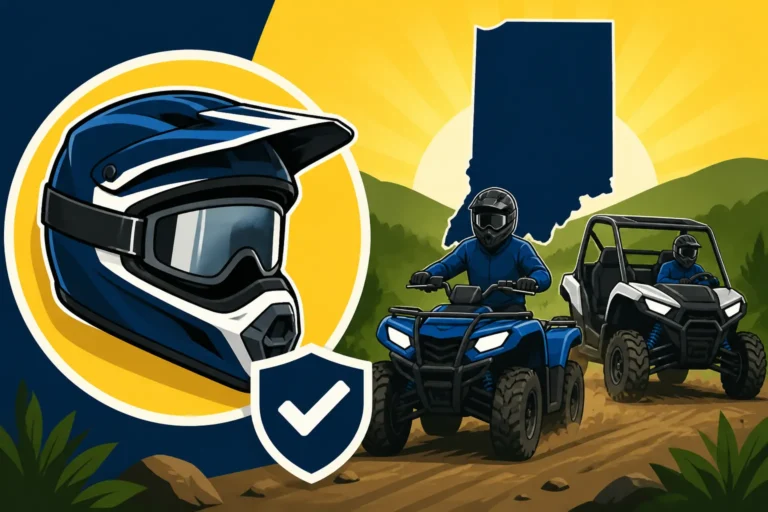
- Helmet: [Indiana Helmet Law for ORV Riders] is specific, especially for riders under 18, and on public lands. Even when not legally mandated for adults on certain private property or roads, wearing a DOT-approved helmet significantly reduces the risk of serious injury. It's always the smart choice.
- Registration and Decal: Ensure your ORV is properly registered with the Indiana Bureau of Motor Vehicles (BMV) and that your decal is affixed correctly. [Where the Indiana Decal Mounts] is typically on the forward half of the machine. This is a basic requirement for operation anywhere off private land.
Rider Behavior and Safety Tips
Even with the right equipment, your behavior as a rider is the most important factor in staying safe and legal.
- Stay Alert: Roads are unpredictable. Watch for potholes, debris, and other vehicles. Assume drivers might not see you.
- Maintain Distance: Keep a safe following distance from vehicles in front of you, especially when on a shoulder or crossing.
- Be Predictable: Use clear hand signals if you don't have turn signals, and maintain a steady path. Avoid sudden swerving.
- Avoid Distractions: No phone use, and keep your focus entirely on the road and your surroundings.
- Ride Single File: If riding with a group on a shoulder, always ride single file.
- Know Your Machine's Limits: Understand how your ORV handles on pavement, especially when braking or turning, as it's different from dirt.
- Check Weather Conditions: Rain, snow, or ice can make road surfaces extremely treacherous for ORVs.
By being prepared, equipped, and cautious, you can navigate the limited road access safely and responsibly, whether you're sticking to the shoulder or, hopefully, eventually enjoying designated routes in your county.
| Aspect | Designated County Roads (If Ordinance Exists) | Shoulder/Ditch Exception (Default State Law) |
|---|---|---|
| Legality | Explicitly allowed by local ordinance | Allowed under strict conditions and limitations |
| Primary Location | Travel lanes of specified roads | Extreme right-hand side, entirely off travel lanes |
| "Sufficient Width" | Less critical, as you're in a lane | Absolutely critical; must be away from traffic flow |
| Interference with Traffic | Minimal, as ORV traffic is expected | Not allowed; must not impede or interfere |
| Speed Limit | Often specified in ordinance, or standard limit | "Reasonable and prudent" – generally slow & cautious |
| Crossing Roads | Generally permitted as part of road use | Requires full stop, yield, cross at right angle |
| Local Government Role | Proactive action required to open roads | Passive acceptance of state law |
| Equipment Implications | More likely to require "street legal" accessories | Basic lighting, mirrors highly recommended |
| Risk of Fine | If not on designated road or violating ordinance | If violating any part of the "sufficient width" rule |
Disclaimer
This article is for general informational purposes only and does not constitute professional advice. Laws, prices and regulations vary by location and change over time. Consult a qualified professional for guidance on your specific situation.