Checking for a DOT Sticker Inside Your Helmet
There's nothing quite like hitting the trails on your ATV or UTV, feeling the rush of Indiana's diverse terrain under your wheels. But before you even think about firing up the engine, there's a crucial piece of safety gear that can often be overlooked or misunderstood: your helmet. Many riders get caught off guard, facing fines or being turned away from parks, all because they didn't realize their helmet lacked the proper certification. This comprehensive guide will walk you through exactly what to look for, specifically focusing on that all-important DOT sticker, to ensure your adventures are both thrilling and compliant with Indiana regulations.
The Non-Negotiable Necessity of a DOT Sticker in Indiana
The world of helmets can seem complex, with various certifications and standards floating around. However, when it comes to riding your off-road vehicle legally and safely in Indiana, the DOT sticker is your baseline, non-negotiable requirement. It's not just a suggestion; it's a stamp of approval that signifies your helmet meets federal safety standards.
What the DOT Sticker Actually Means for Riders
The DOT (Department of Transportation) sticker indicates that a helmet manufacturer certifies their product meets Federal Motor Vehicle Safety Standard (FMVSS) 218. This standard outlines minimum performance requirements for helmets, including impact attenuation, penetration resistance, and retention system effectiveness. Essentially, it means the helmet has been designed and tested to provide a certain level of protection in the event of a crash. It’s a foundational standard, aiming to reduce head injuries and fatalities across a wide range of vehicular activities, including ATV and UTV riding.
For riders, this sticker translates to a basic assurance of protection. It means the helmet isn't just a novelty item; it's engineered to withstand certain forces and protect your skull from impacts and abrasions. While some might argue that DOT standards are merely a minimum, that minimum is still critically important. It's the standard that most public riding areas and law enforcement officers will be checking for, making it your first line of defense, not just against injury, but also against potential legal issues.
Understanding the DOT standard isn't about finding the best helmet on the market, but rather ensuring your helmet clears the necessary hurdle for legal and reasonably safe riding. It’s the starting point for head protection, a stamp of federal approval that signifies a commitment to rider safety from the manufacturer. Without it, your helmet is, in the eyes of the law, simply not adequate for use when mandatory helmet laws apply, like those often enforced at public riding areas and on designated county roads.
Where to Find That All-Important Sticker
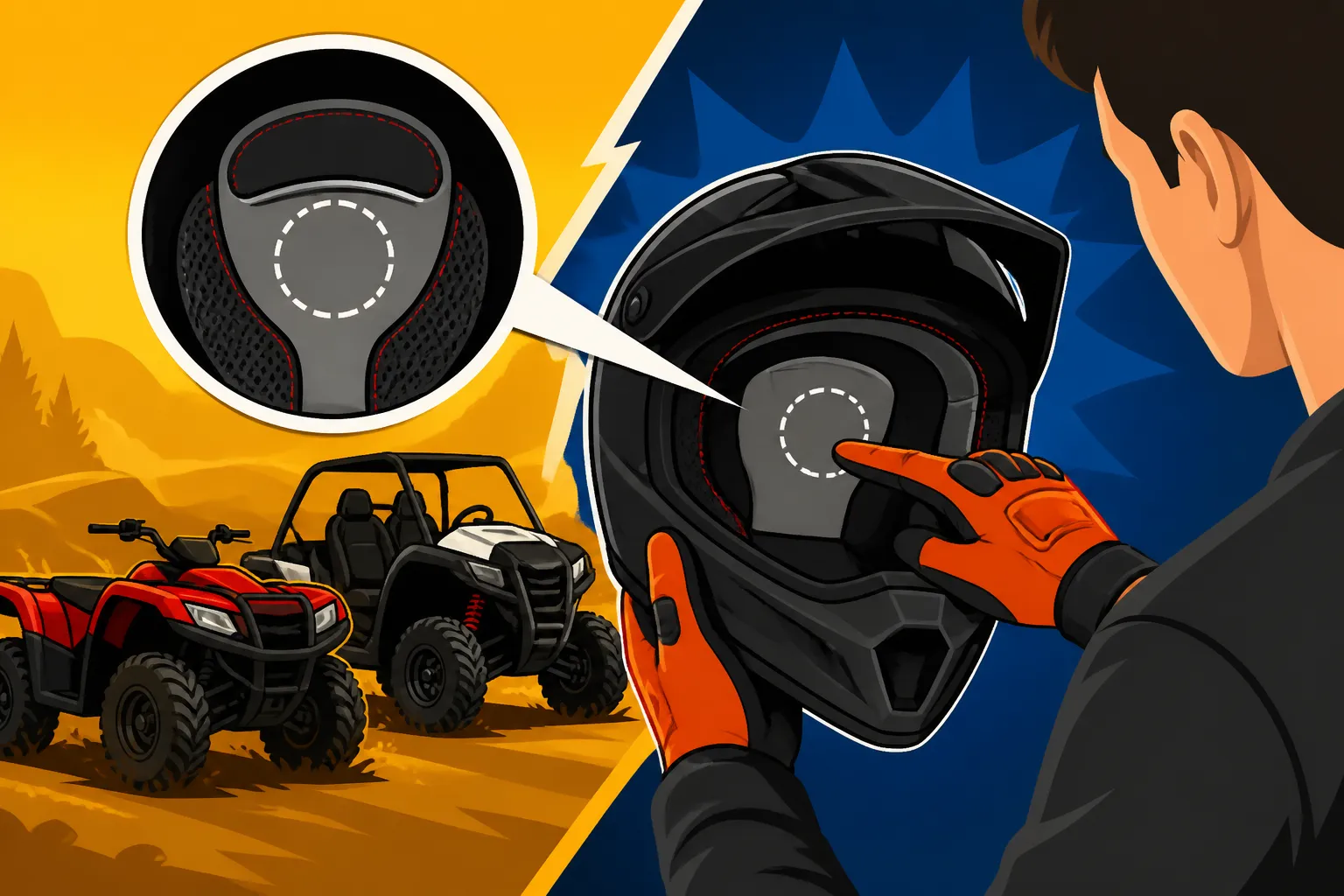
Locating the DOT sticker on your helmet is usually straightforward, but it's often overlooked by new riders or those inheriting gear. This little emblem is typically found on the back of the helmet, sometimes slightly off-center, or on the interior liner, often beneath the comfort padding or strap. It's a small, circular sticker, often white or silver with black text, that clearly reads "DOT FMVSS No. 218 CERTIFIED" or something very similar. Occasionally, it might be integrated into a larger graphic on the back, but the "DOT" text should be distinctly visible.
If you're having trouble locating it, take your time. Remove any detachable padding if necessary, and shine a flashlight into the nooks and crannies of the helmet's interior. Sometimes, on older helmets, the sticker might be faded or partially obscured by wear and tear. If you can't read it, or if it's completely gone, you might have a problem. A helmet whose DOT sticker is unreadable or missing is as good as one without any certification in the eyes of an official.
It's crucial that this sticker is a permanent fixture, either molded into the shell or a securely affixed decal. Be wary of helmets that have what appears to be a simple, peel-off sticker that could have been added after manufacturing. A genuine DOT certification is part of the helmet's design and manufacturing process, not an aftermarket add-on. Verifying its presence and authenticity is a quick check that can save you a lot of hassle and ensure you're compliant before you even leave your driveway for a ride at [Redbird Off-Road State Recreation Area] or [Interlake Off-Road State Recreation Area].
Why Indiana Lawmakers Care About Your Helmet's Label
Indiana's helmet laws are in place for a very good reason: to protect riders. While [Indiana Helmet Law for ORV Riders] doesn't mandate a helmet for all riders on all private property, it does step in for specific demographics and situations. For instance, any rider or passenger under the age of 18 is legally required to wear a helmet, regardless of where they are riding – this also extends to private land, as detailed in [Indiana Helmet Law on Private Property]. When you're riding on public lands, such as state recreation areas or county roads where ORV use is permitted, DOT-compliant helmets are generally a strict requirement for everyone.
The "DOT" label acts as a universal identifier for law enforcement and park rangers. It's their quick visual cue that your head protection meets the minimum federal standards. Without it, even if you feel your helmet is perfectly safe, it doesn't legally qualify. The consequences of non-compliance can range from a verbal warning to a significant fine, and even being asked to leave a riding area. More importantly, in the tragic event of an accident, a non-DOT-compliant helmet could potentially impact liability issues, especially given [Why an Indiana Owner Is Liable] for their machine and its use.
Think about it from a common-sense perspective: if you're riding a powerful machine capable of high speeds and navigating challenging terrain, protecting your head is paramount. Lawmakers mandate DOT compliance not to be difficult, but to establish a basic standard of safety that all riders should meet. This applies whether you're on a dirt bike, a quad, or in a side-by-side. The presence of that sticker is essentially your proof that you've taken the necessary step to protect yourself and comply with the spirit of the law, especially when a child is riding under [Indiana Supervision for Riders Under 14].
Beyond the Basics: Verifying Authenticity and Other Certifications
Once you understand the basic requirement for a DOT sticker, it’s worth diving a little deeper. Not all DOT stickers are created equal, and there are other certifications out there that offer even higher levels of protection. Understanding these nuances can help you make a more informed decision when choosing a helmet and give you extra peace of mind.
Spotting a Fake: What a Real DOT Sticker Looks Like
Unfortunately, in the aftermarket world, counterfeit products exist, and helmets are no exception. A fake DOT sticker might be slapped onto a cheaply made, untested helmet, giving riders a false sense of security. A genuine DOT sticker will typically be a permanent decal, often printed directly onto the helmet's shell or very securely affixed under a clear coat. The text "DOT FMVSS No. 218 CERTIFIED" will be clear, concise, and typically in a consistent font. You might also see other information alongside it, such as the manufacturer's name or trademark, the model name, and the size of the helmet.
Warning signs of a counterfeit include a sticker that looks like it could easily peel off, blurry or inconsistent text, misspellings, or a generic "DOT" label without the full FMVSS No. 218 certification. If the sticker looks like something you could buy at a craft store and apply yourself, it's highly suspect. The quality of the helmet itself can also be a giveaway; if it feels flimsy, exceptionally lightweight, or cheaply constructed, despite having a "DOT" label, it's worth questioning its authenticity.
The consequences of unknowingly using a fake DOT-certified helmet are severe. Not only are you completely unprotected in an accident, but you are also still legally non-compliant. If an official suspects a fake, they may treat it as if you weren't wearing a helmet at all, leading to fines and potential liability issues. When purchasing a new helmet, always buy from reputable dealers or trusted online retailers, and scrutinize the helmet and its certifications carefully. It’s a small detail that makes a huge difference in your safety and legal standing.
Other Certifications: Snell, ECE, and Why They Matter (or Don't)
While DOT certification is the baseline, you might encounter other helmet certifications like Snell and ECE. These represent more rigorous testing standards and often signify a higher level of protection, particularly for high-performance riding. However, it's crucial to understand their relationship to the DOT standard.
Snell is an independent, non-profit organization that develops standards for helmet performance, primarily for racing. Snell certification involves more stringent impact tests, including multiple impacts to the same spot, and higher drop heights than DOT. A Snell-certified helmet generally offers superior protection against a wider range of impacts. ECE (Economic Commission for Europe) is the standard used in 50 countries, primarily in Europe. ECE 22.05 or 22.06 certified helmets undergo robust testing for impact, rigidity, and retention. Both Snell and ECE certifications are globally recognized for their comprehensive safety protocols.
The key takeaway for Indiana riders is this: while a Snell or ECE certification indicates a helmet that likely exceeds DOT standards in terms of protection, it does not replace the need for a DOT sticker in the United States. Many high-quality helmets will carry multiple certifications (e.g., DOT and Snell, or DOT and ECE), and this is ideal. The DOT sticker is your legal requirement for public use in Indiana, but Snell and ECE offer an extra layer of confidence in the helmet's ability to protect you in a wider variety of impact scenarios. When choosing a helmet, aim for one that carries the DOT certification, and if your budget allows, one with additional Snell or ECE certifications for enhanced safety.
Here’s a quick comparison of these common helmet certifications:
| Certification | Primary Focus | Testing Rigor | Legal Requirement (US) | Often Found With |
|---|---|---|---|---|
| DOT | Minimum Federal Safety | Moderate | Yes (as baseline) | Snell, ECE |
| Snell | High-Performance/Racing | Very High | No (but often includes DOT) | DOT |
| ECE | European Standard | High | No (but often includes DOT) | DOT |
The Enclosed Cab Exemption and Helmet Rules
Riders of UTVs, or side-by-sides, often wonder if they need to wear a helmet, especially if their machine has an enclosed cab, a roll cage, or even a windshield and roof. Indiana law does provide for [The Enclosed Cab Exemption in Indiana], which states that a helmet is not required for an operator or passenger of an ORV if the vehicle is equipped with a rollover protective structure and is not operated on a public highway. However, this exemption comes with significant caveats and does not mean you can throw caution to the wind.
Firstly, this exemption often applies most clearly to private property. When riding on public lands, such as state parks like Redbird or Interlake, or on county roads where ORV use is permitted, the park rules or local ordinances may still mandate helmet use for all occupants, regardless of the vehicle's features. Furthermore, [Why Under-18 Riders Wear Helmets in a UTV] is a constant: any rider or passenger under the age of 18 is always required to wear a helmet, even if they are in an enclosed UTV on private property. This parental responsibility means even in a full-cab UTV, if your teenager is riding shotgun, they need a DOT-certified helmet strapped on.
Beyond the legal technicalities, it's always wise to consider safety first. While a roll cage offers significant protection in a rollover, impacts from flying debris, branches, or even smaller, more common bumps can still cause head injuries. Many experienced UTV riders choose to wear helmets even when not legally required, especially when tackling aggressive trails. Equipping your UTV with additional safety features, such as those available from brands like SuperATV, can enhance overall protection, but a helmet remains your most direct line of defense for your head. Always check the specific rules of the park or county you plan to ride in, as their regulations might override a general state exemption, ensuring you’re always riding safely and legally.
Equipping Yourself for Safe and Legal Indiana Adventures
Riding an ATV or UTV in Indiana is an incredibly fun experience, but it requires responsibility and proper preparation. Ensuring your helmet is DOT-compliant is just one piece of the puzzle. From purchasing the right gear to maintaining it, and even preparing your vehicle, a holistic approach to safety will make your time on the trails more enjoyable and worry-free.
Buying a New Helmet: What to Look For at the Dealership
When you're in the market for a new helmet, whether it's for yourself or a younger rider, don't just grab the first one that looks cool. Your dealership or powersports store should be your first stop, as they can offer expert advice and ensure proper fit. The absolute first thing to check for is that DOT sticker, clearly visible and certified. Don't hesitate to ask the sales associate to point it out and explain the helmet's features. They should be knowledgeable about [Indiana Helmet Law for Riders Under 18] and other local regulations.
Beyond the certification, fit is king. A helmet that's too loose can shift during an impact, compromising protection, while one that's too tight can be uncomfortable and distracting. The helmet should feel snug all around your head without causing pressure points. The padding should compress against your cheeks, and the helmet shouldn't move freely when you shake your head. Consider features like ventilation, which is crucial for comfort during long Indiana summer rides, and the type of visor or goggle compatibility you need. For youth riders, ensure you're choosing a helmet specifically designed for their size and weight, following [Indiana Youth ORV Size Rules] to match the machine and rider appropriately.
Finally, think about your riding style. Are you trail riding at a state park, navigating tight woods, or open fields? Different helmets offer different levels of coverage and features suitable for specific types of off-roading. For example, a full-face helmet offers maximum protection, while an open-face helmet might offer more ventilation but less facial protection. Investing in a good quality helmet from a reputable brand will give you the best combination of safety, comfort, and durability for years of adventure.
Maintaining Your Helmet: Longevity and Inspection
Your helmet isn't a "set it and forget it" piece of gear. Like any safety equipment, it requires regular inspection and proper maintenance to ensure it continues to offer maximum protection. A helmet's effectiveness can degrade over time due to wear, tear, and exposure to the elements. Make it a habit to inspect your helmet before every ride. Look for cracks in the shell, fraying straps, damaged buckles, or signs of impact. Even a seemingly minor drop onto a hard surface can compromise the helmet's structural integrity, even if there's no visible damage.
Cleaning is also vital for longevity and hygiene. Sweat, dirt, and dust can accumulate, leading to unpleasant odors and material degradation. Most modern helmets have removable, washable liners, which should be cleaned regularly according to the manufacturer's instructions. Use mild soap and water for the shell and avoid harsh chemicals that could damage the helmet's materials. Store your helmet in a cool, dry place, away from direct sunlight and extreme temperatures, which can break down the EPS (expanded polystyrene) foam liner over time.
Perhaps the most critical rule: if your helmet has been involved in an impact, replace it immediately. Even if it looks fine on the outside, the internal EPS liner, which absorbs impact energy, is designed to crush on impact. Once crushed, it cannot provide the same level of protection again. Most manufacturers also recommend replacing helmets every 5-7 years, even without an impact, due to material aging and degradation. Regularly checking your helmet, maintaining it properly, and knowing when to replace it are crucial steps in keeping your head safe on every ride.
Riding Prepared: More Than Just a Helmet
While a DOT-certified helmet is paramount, true readiness for Indiana's ORV trails extends far beyond head protection. It's about equipping yourself and your machine with a full suite of safety gear and ensuring your vehicle is trail-worthy. Think about goggles to protect your eyes from dust, mud, and debris, durable gloves for better grip and hand protection, and sturdy over-the-ankle boots to safeguard your feet and ankles. For more aggressive riding, a chest protector, knee pads, and elbow pads can prevent serious scrapes and bruises.
Beyond personal gear, your machine needs to be prepared. Before heading out, perform a thorough pre-ride inspection. Check tire pressure, fluid levels, brakes, lights, and ensure all nuts and bolts are tight. A well-maintained machine is a safer machine. Consider essential tools and recovery gear for your ride, such as a small toolkit, a first-aid kit, and perhaps a winch, especially if you plan on tackling challenging terrain. Many riders enhance their vehicle's capabilities and safety with aftermarket accessories. For instance, companies like SuperATV offer a wide range of protective components, from skid plates to heavy-duty bumpers, and even enhanced lighting systems that can significantly improve your safety and preparedness on trails, particularly at locations like [Redbird Off-Road State Recreation Area] and [Interlake Off-Road State Recreation Area].
Ultimately, riding safely means being proactive. It's about being knowledgeable about [Indiana Rules for Riding a State Park Road] or [Indiana Rules for Riding a County Road], checking [Indiana Trail Conditions Before You Ride], and understanding your own limits as a rider. Combining a compliant helmet with appropriate gear, a well-maintained machine, and a responsible mindset will ensure you have countless safe and exhilarating adventures on Indiana's diverse off-road landscape.
Disclaimer
This article is for general informational purposes only and does not constitute professional advice. Laws, prices and regulations vary by location and change over time. Consult a qualified professional for guidance on your specific situation.