Do You Need a Helmet on Your Own Land?
It's a question that echoes across Indiana farmlands, timber stands, and backyard riding spots: "Do I really need to wear a helmet when I'm just riding my ATV or UTV on my own property?" There's a common misconception that private land means total freedom from state regulations, but when it comes to head protection, especially for younger riders, Indiana law has a definitive answer. This guide will cut through the confusion, explaining exactly what the Hoosier State requires, why these rules exist, and how to make the safest choices for yourself, your family, and your guests, regardless of where you spin your tires.
What Indiana Law Says About Helmets on Private Property
When you're out enjoying your off-road vehicle (ORV), whether it's a quad, dirt bike, or side-by-side, the rules about safety gear can feel a little murky. Many assume that once you're off public trails or roads, you're free from state mandates. While there's some truth to that for adult riders, Indiana law draws a very clear line, especially when it comes to age and specific types of vehicles.
The General Rule for Off-Road Vehicles in Indiana
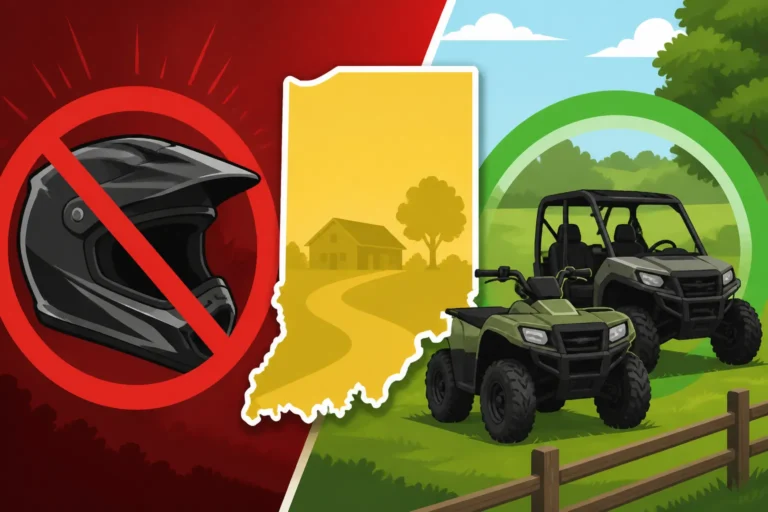
Let's get straight to the point: Indiana law is quite firm about helmet use for specific age groups, and it makes no distinction between public and private land for these riders. According to Indiana Code (IC 14-16-1), if you are operating an ORV and are under 18 years of age, you are legally required to wear a United States Department of Transportation (DOT) approved helmet. This isn't a suggestion; it's a mandate.
This means if your teenager is riding their dirt bike around the back forty, or your younger child is learning the ropes on a youth ATV in the pasture, they absolutely must have a helmet on. There's no "exception for my own land" clause for minors. The state's interest here is in protecting vulnerable riders from serious head injuries, regardless of the property lines. This can sometimes feel like an intrusion for landowners who believe in "my land, my rules," but the law's intent is clear: to safeguard young lives. A serious accident can happen in an instant, even on familiar terrain.
The Enclosed Cab Exemption
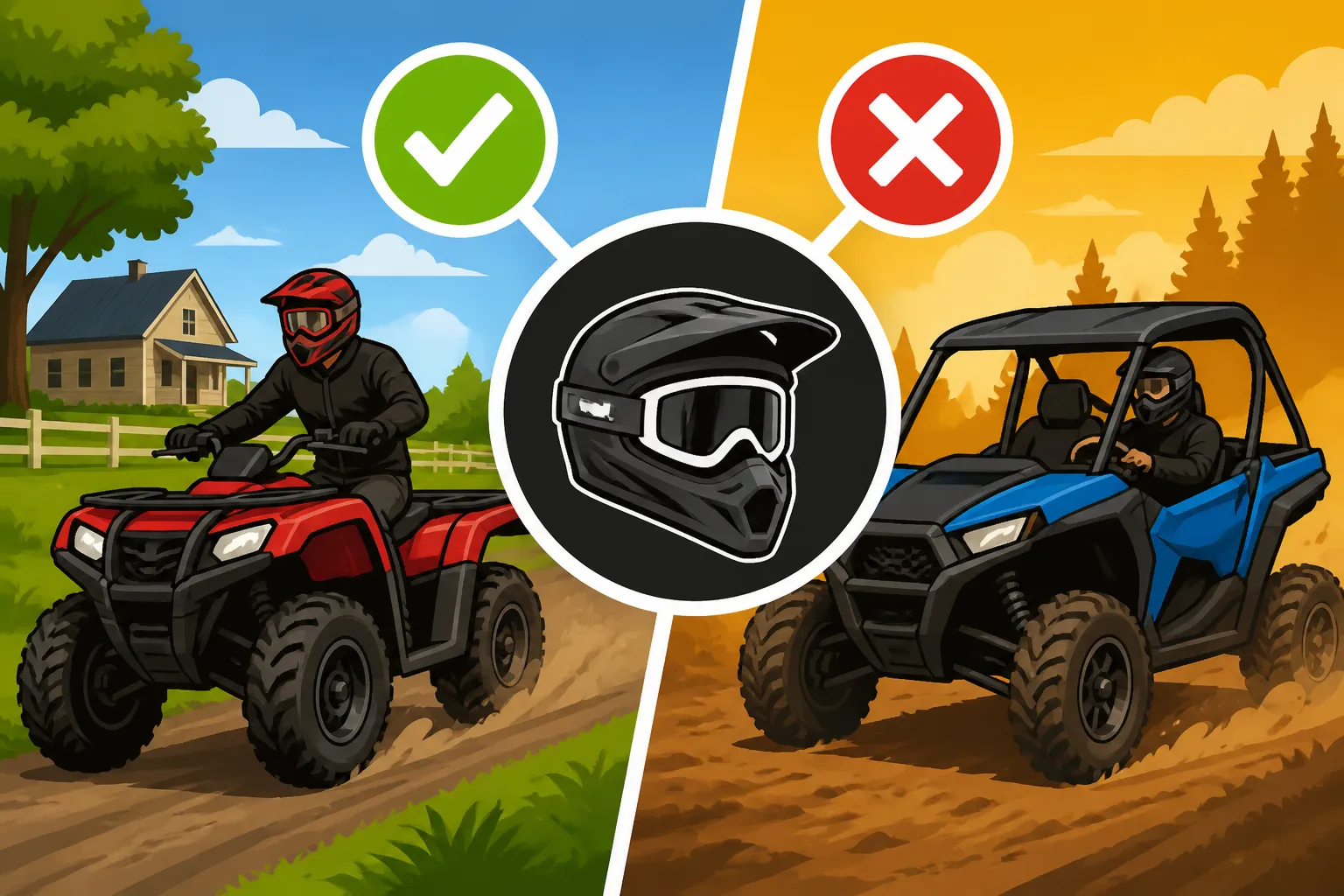
Now, for those of you with side-by-sides (UTVs), there's a specific exemption that often causes confusion. The law states that a helmet is not required for an operator or passenger in an ORV that has a "cab that is fully enclosed by a top and a windshield and by doors or side panels." This is a key distinction. It's not just having a roll cage; the cab must be genuinely enclosed – think of it more like a small, rugged car cabin.
So, if you're riding a modern UTV with a complete hard top, a full windshield, and fully functioning doors that seal you in, you might be exempt from the helmet requirement, if you are 18 or older. Many utility UTVs, especially those used for farm work or hunting, fit this description. However, many sport UTVs, while featuring robust roll cages, often have partial doors or open sides, which would not qualify for this exemption. Always double-check your specific machine and its features against the law's definition. Remember, this exemption usually pertains to adult riders. A minor, even in a fully enclosed cab, might still fall under the general "under 18" helmet rule, depending on the interpretation of specific local statutes.
The Adult Rider on Private Land
Here's where the "my land, my rules" sentiment holds more weight. If you are 18 years of age or older and operating an ORV on your own private property, Indiana law does not mandate that you wear a helmet, unless your vehicle has an open cab (like most ATVs and many sport UTVs) and you are riding on a public road or trail where ORVs are permitted. On your private acreage, for adult riders, the law steps back.
This doesn't mean it's a good idea to go without one, of course, but legally, you have the choice. For many seasoned riders, the feeling of the wind and the freedom of riding on their own land without a helmet is part of the appeal. However, this legal freedom comes with a significant personal responsibility. The terrain on private land can be just as unforgiving as public trails. A hidden rut, an unexpected obstacle, or even a moment of inattention can lead to a fall and a head injury, even if you know your land like the back of your hand.
The "Why" Behind Indiana's Helmet Rules
Understanding the letter of the law is one thing, but knowing the reasoning behind it can help put things into perspective. State laws aren't just arbitrary rules; they're often crafted with public safety, particularly for vulnerable populations, in mind. Indiana's ORV helmet laws are no exception, aiming to mitigate severe injuries and the societal costs that come with them.
Protecting Our Youth
At the heart of Indiana's mandatory helmet law for riders under 18, whether on private or public land, is the profound commitment to protecting children and adolescents. Minors, especially those just learning to ride or those prone to risk-taking behavior common in youth, are statistically more susceptible to severe injuries in ORV accidents. Their developing bodies and brains are more vulnerable, and a head injury can have lifelong, devastating consequences.
The state recognizes that parents might not always enforce helmet use, or might not be present during every ride. By making it a legal requirement, it provides an enforceable standard that applies everywhere, creating a layer of protection for every young rider in the state. Imagine the heartbreak of a family whose child suffers a traumatic brain injury because they weren't wearing a helmet, even if they were just doing laps in the backyard. This rule aims to prevent such tragedies, and it's a constant reminder that even on your own property, [Indiana Helmet Law for Riders Under 18] is paramount.
Liability and Responsibility
Beyond the direct protection of the rider, Indiana's helmet laws also touch upon significant issues of liability and responsibility, particularly for adults who own ORVs or allow others to ride on their land. If a minor is injured while riding an ORV on your property without a helmet, and state law requires one, the owner or supervisor could face legal consequences. This isn't just about fines; it could lead to civil lawsuits for negligence if it's proven that a lack of supervision or enforcement of safety rules contributed to the injury.
This is a heavy burden to carry, and it highlights why adhering to the law, even on private land, is critical. For instance, [Indiana Supervision for Riders Under 14] dictates strict rules for adult oversight. If a young rider under your care is hurt while breaking the law, you could be found [Indiana Owner Is Liable]. This financial and emotional responsibility can be far more costly than the price of a DOT-approved helmet. Many insurance companies will also look very closely at whether safety laws were followed when processing a claim related to an ORV accident.
The Uniformity of the Rule
The fact that Indiana's helmet rule for minors applies uniformly across all types of land – private, public, designated trails, or even county roads where ORVs are permitted – simplifies enforcement and reduces confusion. If the rule changed based on property lines, it would be a nightmare for riders, parents, and law enforcement alike. "Was he on our land or the neighbor's field when he crashed?" "Does this rule apply because we crossed the ditch onto the easement?"
By making the "under 18" helmet rule universal, it sets a clear and consistent expectation for everyone. Whether you're at Redbird Off-Road State Recreation Area, Interlake, or just navigating your own wooded acreage, the expectation for young riders is the same: helmet on. This consistency means you don't have to constantly assess your location to know the rules, which ultimately makes it easier to stay safe and compliant. This same principle applies to other ORV regulations, like the requirement for a spark arrester on public lands or the rules for operating on [The Shoulder and Ditch Exception in Indiana].
Beyond the Law: Practical Safety on Your Own Land
While legal requirements provide a baseline, true safety often goes above and beyond what the law mandates. On your own land, you have the ultimate control over the riding environment and the rules you set for yourself and others. Thinking proactively about safety, even when not legally compelled, is the mark of a responsible ORV owner.
Accidents Don't Care Where You Are
It's a harsh truth, but gravity and momentum don't discriminate between public trails and private property. A sudden turn, an unseen dip, or a momentary loss of balance can cause an ORV to roll, a rider to be ejected, or a machine to fall on top of its operator. These incidents can happen anywhere, regardless of how familiar you are with the terrain. We often develop a false sense of security on our own land, thinking we know every rock and every rut. But conditions change – a new fallen branch, an eroded bank after a rain, or even just fatigue can lead to a crash.
The fact is, head injuries are among the most serious types of injuries an ORV rider can sustain. They can result in concussions, traumatic brain injuries, and even fatalities. A helmet acts as your last line of defense, absorbing impact forces that would otherwise be directly transmitted to your skull and brain. Even a slow-speed tip-over can lead to a nasty head bump if you're caught off guard. So, while the law might give adults a pass on private land, common sense and self-preservation should strongly nudge you towards wearing that helmet.
Leading by Example
If you have children or younger family members who ride ORVs, your actions speak louder than any rulebook. Even if you, as an adult, are legally allowed to ride without a helmet on your private property, choosing to wear one yourself sets a powerful example. Children often emulate what they see their parents and other adults doing. If they see you consistently suiting up with appropriate safety gear, they are far more likely to take their own safety seriously, even when you're not around.
This leadership can foster a strong safety culture within your family and among your friends. It communicates that safety isn't just about avoiding a ticket; it's about valuing your life and well-being. This becomes particularly important when considering rules like [Indiana Rules for a Full-Size Vehicle Operator] or general guidelines like [Indiana Safety Training for Riders]. By being the example, you reinforce the importance of these safety measures for everyone.
Proper Gear Beyond Helmets
While helmets are the focus here, remember that they are just one piece of the safety puzzle. A comprehensive approach to ORV safety includes a range of protective gear designed to minimize injury in a crash. Eye protection, whether goggles or a visor, is crucial to shield your eyes from dust, debris, branches, and insects. Sturdy over-the-ankle boots protect your feet and ankles from impacts and prevent them from getting caught in moving parts. Gloves help maintain grip, reduce blisters, and protect your hands in a fall. Long pants and a long-sleeved shirt, preferably made of durable material, offer protection against scrapes, cuts, and sun exposure.
For UTV riders, while the enclosed cab might offer some protection, a good quality windshield can dramatically improve visibility and shield you from debris. Many choose aftermarket accessories like durable windshields or side panels from brands like SuperATV to enhance protection and comfort. Even with an enclosed cab, consider a sturdy roof and doors that provide real protection, not just aesthetics. Investing in quality gear is an investment in your well-being, whether you're riding a quad through the woods or navigating a side-by-side across a field.
Making Smart Choices for Your Family and Guests
Being an ORV owner or a landowner who allows riding comes with significant responsibility. Beyond simply following the law, making conscious, informed decisions about safety rules for everyone who rides on your property can prevent heartache and ensure that ORV riding remains a fun and safe activity for all.
Setting Your Own Rules
You have the power to create "house rules" for ORV use on your private land that are stricter than state law. Many families choose to mandate helmets for all riders, regardless of age, whenever an ORV is in motion on their property. This eliminates any confusion, simplifies enforcement, and provides maximum protection. You might also set rules regarding passenger limits, speed restrictions, or designated riding areas, especially for younger or less experienced riders.
Clearly communicate these rules to family members and any guests before they even start their machines. A simple laminated sign in the garage or a quick conversation before the helmets go on can make a world of difference. This proactive approach helps to ensure everyone is on the same page and understands the expectations for safe riding. It’s about cultivating a culture of safety, not just avoiding a fine, which can reach significant amounts for violations, sometimes [What a Class C ORV Infraction Costs in Indiana] or even more for repeat offenses.
Educating Guests and Family
Just communicating the rules isn't enough; education is key. Take the time to explain why these rules are in place. For younger riders, help them understand the risks of head injuries and how a helmet protects them. Show them how to properly fit their helmet and secure the strap. For adult guests, gently remind them that while state law might not require a helmet for them on your property, you're asking them to wear one for their own safety and to set a good example for any kids present.
Consider offering spare helmets and other safety gear to guests who might not have their own, especially if you're hosting an informal ride day. This removes a potential barrier to compliance. Remember that not everyone may be familiar with ORV operation or the specific hazards of your property. A quick orientation on the terrain, potential obstacles, and safe riding practices can prevent accidents. Even experienced riders can benefit from a refresher, and for those riding on designated trails, [Indiana Helmet Rules at an ORV Park] are non-negotiable.
The Cost of an Injury vs. a Helmet
Let's be brutally honest about the financial and emotional costs. A quality, DOT-approved ORV helmet typically ranges anywhere from $100 to $500, with specialized ones being more. Compare that to the potential cost of a head injury. Emergency room visits, ambulance rides, neurosurgery, rehabilitation, lost wages, and long-term care for a traumatic brain injury can easily run into hundreds of thousands, if not millions, of dollars. Even with good insurance, the out-of-pocket expenses can be crippling, not to mention the emotional toll on the rider and their family.
When you weigh these figures, the cost of a helmet becomes insignificant. It's a small investment that offers an immense return in terms of protection and peace of mind. Thinking about the potential [Indiana Fines for Illegal ORV Road Use] might deter illegal riding, but thinking about the far greater personal cost of an injury should be the ultimate motivator for helmet use, regardless of where you are or what the law says for adults. Protecting yourself and your loved ones should always be the priority, and a helmet is one of the simplest, most effective ways to do just that.
| Rider Age Group | Riding Location | Helmet Legally Required? | Exemptions |
|---|---|---|---|
| Under 18 | Any property (private, public, trail, road) | Yes | None for age-based requirement |
| 18 and Over | Private Property | No | Fully enclosed UTV cab, otherwise optional |
| 18 and Over | Public Trails/Roads | Yes | Fully enclosed UTV cab |
Disclaimer
This article is for general informational purposes only and does not constitute professional advice. Laws, prices and regulations vary by location and change over time. Consult a qualified professional for guidance on your specific situation.