Why a Novelty Helmet Fails at the Interlake Gate
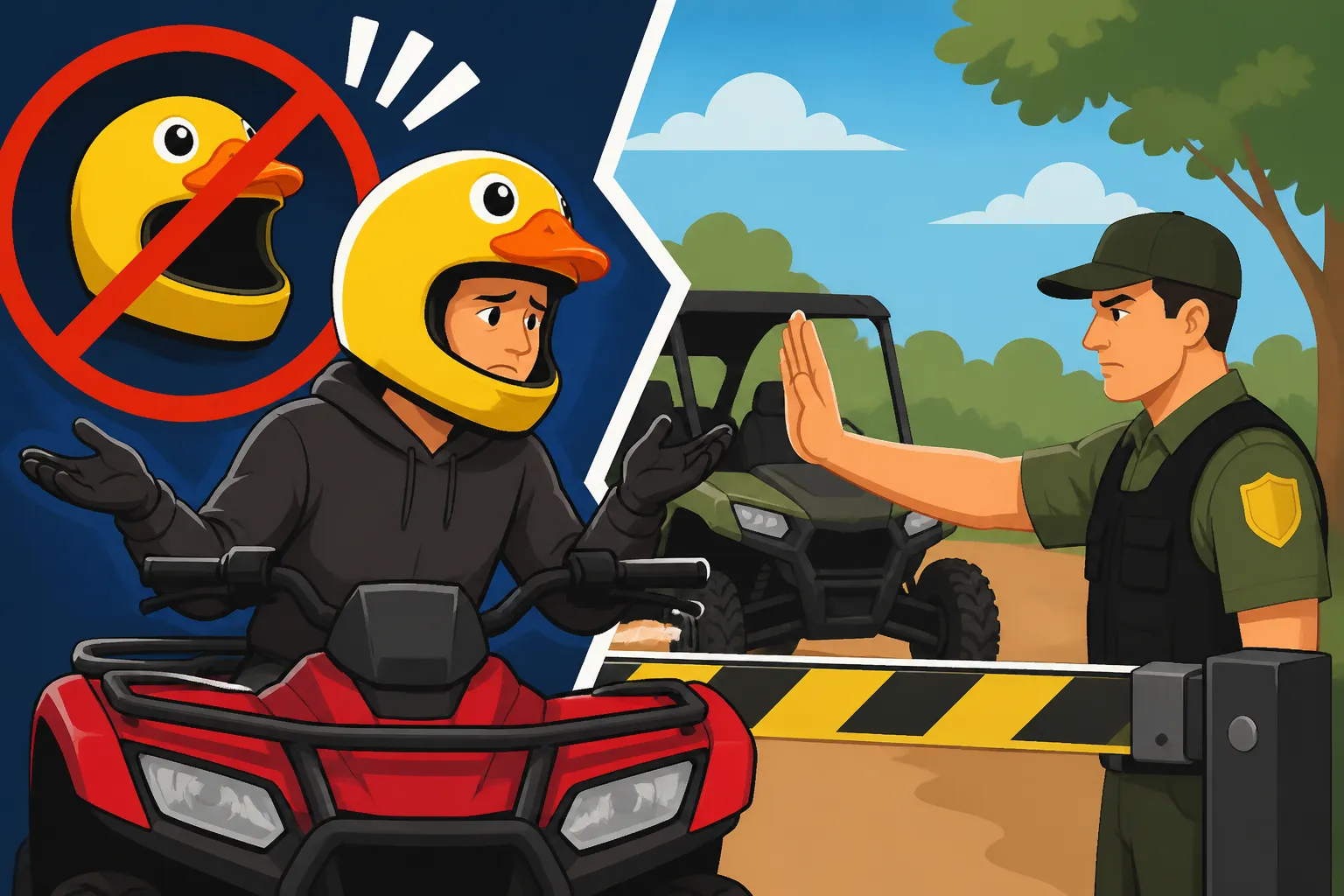
There’s nothing quite like pulling up to the gate at Interlake Off-Road State Recreation Area, your machine gleaming, ready for a day on the trails. But imagine the sinking feeling when a park ranger points to your helmet and politely, but firmly, tells you it won't pass inspection, leaving you sidelined before you even start. This guide will walk you through why certain helmets, often called "novelty helmets," simply don't cut it for safety and compliance in Indiana's ORV parks, and what you need to know to ensure your gear meets the mark.
The Critical Difference: Novelty Versus DOT-Certified Helmets
When it comes to protecting your most valuable asset—your brain—not all helmets are created equal. The distinction between a novelty helmet and one that is DOT-certified isn't just about a sticker; it's about fundamental differences in construction, materials, and most importantly, tested safety performance. Many riders unknowingly purchase helmets that offer little more than a cosmetic shell, only to discover their inadequacy when faced with park regulations or, worse, an actual incident on the trail.
What "Novelty" Really Means for Your Safety
Novelty helmets are essentially what their name implies: a novelty. They are designed for aesthetics, often mimicking the look of legitimate helmets, but they lack the crucial internal structure and padding necessary to provide real impact protection. Think of them as a costume accessory rather than a piece of life-saving equipment. Typically, these helmets have a thin outer shell, minimal or no energy-absorbing liner, and straps that may not withstand significant force. They might feel light and comfortable, offering a false sense of security, but in the event of a fall or collision, they offer virtually no protection against concussions, skull fractures, or other severe head injuries. It's a common, and dangerous, misconception that simply having something on your head is enough.
Many riders are drawn to novelty helmets for their low profile, often preferring the "feel" over bulkier, certified options. However, this comfort comes at a severe cost. These helmets are not engineered to absorb or disperse the kind of kinetic energy generated during an off-road accident. They often compress entirely upon impact, transferring the full force directly to the skull. This is precisely why they fail at the gate; park staff are trained to identify these insufficient helmets and prioritize rider safety above all else.
The Gold Standard: DOT Certification Explained
DOT certification, standing for the U.S. Department of Transportation, is the benchmark for helmet safety in the United States. When a helmet carries a DOT sticker, it means the manufacturer certifies that the helmet meets Federal Motor Vehicle Safety Standard (FMVSS) 218. This standard outlines rigorous requirements for impact attenuation (how well the helmet absorbs shock), penetration resistance (how well it protects against sharp objects), and retention system effectiveness (how well the chin strap stays securely fastened). The testing involves dropping helmets onto various surfaces at specific speeds, checking how much force is transferred to a headform inside.
A DOT-certified helmet achieves its protective capabilities through a multi-layer design. It typically includes a tough outer shell (often made of thermoplastic, fiberglass, or carbon fiber) designed to resist abrasion and distribute impact force over a wider area. Beneath this, there's a crucial layer of expanded polystyrene (EPS) foam, which is engineered to crush and absorb energy during an impact, slowing down the acceleration of the head. Finally, a comfort liner and a robust retention system (chin strap) ensure the helmet stays in place during a crash. This complex engineering is what truly differentiates a protective helmet from a mere head covering, making it an essential piece of gear for any serious ORV enthusiast. When considering accessories for your machine, you might look at a brand like SuperATV for upgrades, but remember that your personal safety gear is just as vital.
Indiana's Helmet Laws and Park Regulations
Navigating the rules and regulations for ORV riding in Indiana can sometimes feel like a maze, especially when it comes to safety equipment. While state-wide laws set a baseline, public riding areas, particularly state-managed parks, often implement their own, sometimes stricter, requirements to ensure the safety of all patrons. Understanding these distinctions is key to a hassle-free day on the trails.
State-Wide Rules for Riders Under 18
In Indiana, the general rule of thumb regarding helmets for ORV riders primarily focuses on age. State law mandates that any person under 18 years of age must wear a helmet when operating or riding as a passenger on an ORV. This applies whether you're cruising on private property or enjoying designated trails. The intent behind this law is clear: to protect vulnerable young riders who may have less experience or slower reaction times. The helmet must be properly fastened and, implicitly, capable of providing actual protection. A novelty helmet, even if worn by a minor, would likely not be considered compliant in the eyes of law enforcement if an incident occurred, though the state law doesn't explicitly mention DOT certification for all cases. For more on this, check out [Indiana Helmet Law for Riders Under 18].
It's not just about wearing a helmet; it's about wearing one that works. Parents and guardians often face the challenge of finding helmets that are comfortable and appealing to younger riders while still meeting safety standards. Investing in a properly sized and certified helmet for a child isn't just about avoiding a fine; it's about minimizing the risk of life-altering injury. Even on a farm lane or private land, that rule holds true for young riders, underscoring the universal need for proper protection when operating these powerful machines.
Specifics for State ORV Parks Like Interlake
When you ride at an Indiana state ORV park like Interlake or Redbird, the rules often become more stringent than the minimum state-wide requirements. These parks prioritize visitor safety given the challenging terrain and the inherent risks of off-road riding. At Interlake, for instance, it is generally required that all operators and passengers of ATVs and dirt bikes wear a DOT-certified helmet. This requirement extends to adults, not just minors, making the distinction between a novelty helmet and a legitimate one critically important for everyone planning a ride.
The reason for this stricter enforcement is simple: the environment. State ORV parks feature trails with varying degrees of difficulty, including steep climbs, descents, rocky sections, and sometimes unpredictable surfaces. The risk of falls and impacts is significantly higher than, say, riding a quad across a flat field. Park rangers and staff are responsible for ensuring a safe environment, and part of that responsibility involves verifying that riders are equipped with adequate personal protective gear. Being prepared means knowing these specific rules before you even load your machine onto the trailer. You can learn more about specific requirements at [Indiana Helmet Rules at an ORV Park].
The Enclosed Cab Exemption: A Common Misconception
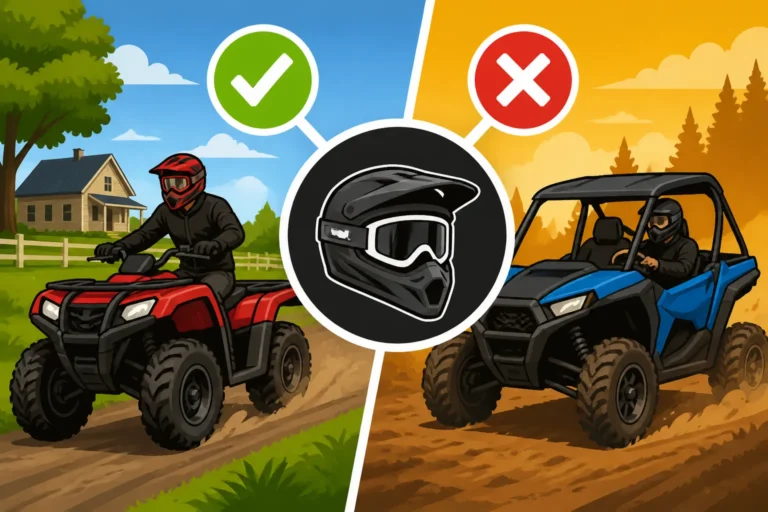
One area that often causes confusion is the helmet rule for side-by-sides (UTVs) with enclosed cabs. In Indiana, for state ORV parks, there is often an exemption from the helmet requirement for occupants of UTVs or similar machines that have a full, enclosed cab and are equipped with rollover protection and seat belts. The logic here is that the structural integrity of the cab, combined with the use of seat belts, provides a comparable level of protection to a helmet in many situations.
However, this exemption comes with crucial caveats. The cab must truly be "enclosed," meaning it offers substantial overhead and side protection, similar to a traditional vehicle. Furthermore, all occupants must be properly secured with the vehicle's seat belts. If the UTV does not have a full, enclosed cab (e.g., it's open-sided), or if passengers are not belted in, then the helmet rule typically applies to all occupants, especially those under 18. Always check the most current regulations for the specific park you plan to visit, as interpretations and rules can sometimes vary slightly or be updated. You don't want to find yourself in a situation where your UTV's setup, which might be perfect for hauling gear with SuperATV accessories, doesn't meet the helmet exemption at the gate.
The Consequences of Non-Compliance at the Gate
The moment of truth arrives when you pull up to the entrance gate of a place like Interlake. You've loaded your machine, checked your tires, and fueled up, only to have your excitement deflated by a simple piece of headwear. The consequences of showing up with a novelty helmet aren't just minor inconveniences; they can significantly impact your planned adventure, safety, and even your wallet.
Turned Away: The Immediate Impact of a Novelty Helmet
Picture this: you've driven for hours, maybe even planned an entire weekend getaway around riding at a premier destination like [Indiana's 3,550-Acre Interlake]. You're finally there, the anticipation is palpable, and then the park attendant spots your helmet. That immediate impact of being turned away at the gate due to non-compliant gear is a truly frustrating experience. Park staff are trained to look for the DOT sticker (or other recognized safety certifications) and to identify the tell-tale signs of a flimsy novelty helmet. They're not trying to be difficult; they're enforcing rules designed to protect you from serious injury.
This denial means your day of riding is over before it even begins. You won't be allowed past the gate with a helmet deemed unsafe. This can lead to wasted travel time, forfeited entrance fees (unless you can quickly acquire a compliant helmet), and immense disappointment for you and anyone riding with you. Many riders have experienced the exasperation of having to drive back to a nearby town to purchase a compliant helmet, if one is even available, or simply packing up and going home. It's a stark reminder that preparation extends beyond just the machine itself; it absolutely includes personal safety equipment.
Safety Risks and Legal Liabilities
Beyond the immediate inconvenience of being denied entry, the far more significant consequence of wearing a novelty helmet lies in the severe safety risks it poses. These helmets offer minimal protection, meaning that in the event of an accident—a rollover, a collision with a tree, or even a simple fall—your head is left dangerously vulnerable. What could have been a minor concussion with a proper helmet could become a traumatic brain injury, a skull fracture, or worse, with insufficient protection. No thrill on the trail is worth that kind of risk.
Furthermore, there can be legal liabilities. While Indiana state law is primary for minors, if an adult rider at a state park sustains an injury while wearing a non-compliant helmet, it could complicate insurance claims or even expose them to arguments of contributory negligence in a legal context. If you're injured while on a machine and you weren't wearing the required safety gear, it could potentially affect your ability to seek compensation for medical expenses or lost wages. This is why adherence to park rules and the use of certified safety equipment is not just a suggestion, but a critical personal responsibility. Brands like SuperATV emphasize safety, offering robust roll cages and other protective accessories for machines, and that ethos should extend to what you put on your head too.
Making the Right Choice: Investing in Certified Gear
Given the high stakes involved, making the right choice for your helmet is paramount. Investing in a DOT-certified helmet is not an expense; it's an investment in your safety and your ability to continue enjoying the sport you love. The cost difference between a novelty helmet and a basic, certified helmet might not be as significant as you think, especially when weighed against potential medical bills or the devastating impact of a serious head injury.
When shopping for a helmet, look for the DOT sticker on the back. You might also see other certifications like Snell or ECE, which are equally, if not more, stringent. These certifications mean the helmet has undergone independent testing beyond just manufacturer claims. Consider the type of riding you do: open-face helmets offer more ventilation but less face protection, while full-face helmets provide maximum coverage. Ensure the helmet fits snugly but comfortably, without any pressure points. Trying on several options and consulting with knowledgeable staff at powersports dealerships can help you find the perfect fit and style that offers uncompromising protection.
How to Ensure Your Helmet Meets Indiana ORV Park Standards
To avoid disappointment at the park gate and, more importantly, to ensure your safety on the trails, a little pre-ride preparation goes a long way. Knowing exactly what to look for in a helmet and understanding the expectations of Indiana's ORV parks will set you up for a great day of riding.
Checking for the DOT Sticker (and Beyond)
The absolute first thing you should do when evaluating a helmet for use at an Indiana ORV park is to locate the official DOT certification sticker. This sticker is usually found on the back of the helmet and includes specific lettering, such as "DOT FMVSS No. 218 CERTIFIED." This is the primary indicator that the manufacturer attests the helmet meets federal safety standards. Without this sticker, regardless of how robust the helmet might feel, it will likely be rejected at the gate.
Beyond the DOT sticker, many quality helmets will also carry additional certifications from independent organizations known for even more rigorous testing. Look for Snell M (for motorcycle) or ECE (Economic Commission for Europe) certifications. While DOT is the minimum legal standard in the U.S., Snell and ECE often involve tougher impact tests, multiple impact points, and more stringent penetration resistance. Any helmet with a Snell or ECE certification will automatically meet or exceed DOT requirements, providing an even greater level of assurance for your safety. When comparing helmet features, you'll often find that reputable brands offering accessories like those from SuperATV also provide information about helmet safety standards on their sites.
Other Essential Safety Gear
While a DOT-certified helmet is non-negotiable, it's just one piece of the safety puzzle when riding an ORV. A comprehensive approach to personal protection significantly reduces risks and enhances your riding experience. Here's what else you should consider:
- Eye Protection: Goggles or a helmet with a face shield are crucial to protect your eyes from dust, debris, insects, and branches. A clear field of vision is paramount for safe riding.
- Gloves: Riding gloves offer multiple benefits. They protect your hands from abrasions and blisters, improve grip on the handlebars, and can absorb some shock from vibrations.
- Long Sleeves and Pants: Even on warm days, wearing long sleeves and durable pants (such as riding jerseys and pants, or sturdy denim) can protect your skin from scrapes, cuts, and brush. Layering is often a good strategy to adapt to changing temperatures.
- Over-the-Ankle Boots: Sturdy boots that cover your ankles provide support and protection against impacts, crushing injuries, and hot engine parts. Regular sneakers offer insufficient protection for ORV riding.
- Chest Protectors/Body Armor: For more aggressive riding or for younger riders, a chest protector or full body armor can shield your torso, shoulders, and elbows from impacts.
Preparing for Your Interlake (or Redbird) Adventure
Proper preparation for your ORV adventure extends beyond just having the right gear; it also involves knowing what to expect at the park. Before you even load your machine, double-check that all riders in your group have compliant helmets. Remind everyone about the rules, especially if you have younger or less experienced riders. Make sure helmets fit correctly—not too loose, not too tight—and that chin straps are adjusted snugly.
Before heading out to a place like [Redbird Off-Road State Recreation Area] or Interlake, it's also a good idea to visit the Indiana Department of Natural Resources (DNR) website or call the park office directly. This ensures you have the most up-to-date information on rules, operating hours, trail conditions, and any special requirements. Having all your paperwork in order, including your ORV registration and any necessary trail permits, alongside your compliant safety gear, will ensure a smooth entry and an enjoyable day of riding, maximizing your time on the trails and minimizing any unwelcome surprises.
Helmet Safety Check
| Feature | Novelty Helmet | DOT-Certified Helmet |
|---|---|---|
| Purpose | Aesthetic, costume, minimal head covering | Impact protection, head injury prevention |
| Construction | Thin shell, minimal/no energy-absorbing foam | Robust outer shell, thick EPS (Expanded Polystyrene) foam |
| Impact Protection | Very limited, transfers force directly to head | Designed to absorb and disperse impact energy |
| Penetration Resist. | Little to none | Tested to resist penetration from sharp objects |
| Retention System | May be flimsy, easily stretched or broken | Tested for strength and ability to keep helmet secure |
| Legal Compliance | Generally non-compliant for ORV riding in designated areas | Meets U.S. federal safety standard FMVSS 218 |
| Acceptance at Parks | Often denied entry at Indiana ORV parks (e.g., Interlake) | Accepted and required at Indiana ORV parks |
Disclaimer
This article is for general informational purposes only and does not constitute professional advice. Laws, prices and regulations vary by location and change over time. Consult a qualified professional for guidance on your specific situation.