Can a Thirteen-Year-Old Ride With an Adult Alongside?
The thought of introducing a young person to the thrill of off-road riding is an exciting one for many Indiana families. You dream of sharing adventures, making memories on the trails, and seeing their confidence grow. But as soon as that dream starts to take shape, the questions flood in: Is my 13-year-old even old enough? What are the rules? Can I ride right there with them, or do I just watch from the sidelines? It's a natural worry, balancing fun with safety and legal compliance. This guide is here to untangle the specifics of Indiana law regarding 13-year-olds and ORVs, whether they're operating their own machine or riding shotgun.
Navigating Indiana's ORV Age and Supervision Laws
Getting into the specifics of off-road vehicle (ORV) laws in Indiana, especially when it involves young riders, can feel like trying to solve a puzzle with missing pieces. You want to do right by your kids and stay on the right side of the law, but the nuances can be confusing. Let's break down the foundational rules that apply to your 13-year-old's ORV adventures.
The Foundation: Indiana's Minimum Age to Ride an ORV
First things first: when can a child even think about getting behind the handlebars or steering wheel of an ORV in Indiana? The law is pretty clear on the general operating age. For any rider under the age of 14, operating an ORV must be done under direct parental supervision. This means your 13-year-old isn't out there solo; an adult, usually a parent or legal guardian, needs to be actively involved in their riding experience.
It's important to understand that this isn't just a guideline for public lands; it's a foundational rule for operation within the state. While private property owners can set their own rules for their land, state laws regarding age and supervision still provide a crucial baseline for responsible riding. So, the good news is, yes, a 13-year-old can operate an ORV in Indiana. The crucial caveat is the "direct parental supervision" part, which we'll dive into next. This supervision is key whether your child is riding their own machine "alongside" you or if you're exploring the possibility of them riding as a passenger. You can learn more about the general requirements in [Indiana Minimum Age to Ride an ORV].
Direct Parental Supervision: What It Means in Practice
The phrase "direct parental supervision" often sparks a lot of questions. Does it mean standing ten feet away? Or does it mean being in the same general area? In Indiana, direct parental supervision for riders under 14 years old, including your 13-year-old, implies that the supervising adult is close enough to immediately intervene if necessary. This isn't about just being on the same trail system; it's about active oversight.
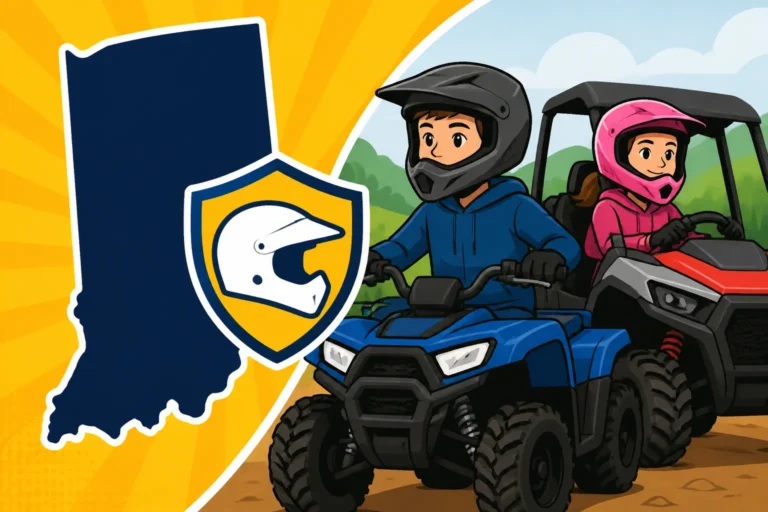
Consider a scenario where you and your 13-year-old are riding separate machines. "Alongside" in this context would mean you're riding your own ORV right behind, in front of, or beside them, maintaining visual contact and proximity that allows for quick communication and intervention. You're actively monitoring their speed, their line choice, and their reactions to the terrain. This is vastly different from dropping them off at a youth riding area and heading to another part of the park yourself.
For example, at a state ORV area like Redbird or Interlake, if your 13-year-old is riding a designated youth trail, you as the supervising adult should be on the trail with them, or at least visible and within earshot at all times, ready to assist. It's about being present and engaged, not just generally aware. This kind of hands-on supervision helps ensure that if they encounter a challenging obstacle, lose control, or simply need a quick tip, you're right there to provide guidance or assistance. The law emphasizes this direct involvement to protect young riders, acknowledging they might not have the judgment or experience of an older, more seasoned operator. You can get more details on these specific rules in [Indiana Rules for a Rider Under 14] and [Indiana Supervision Rules for Minors].
When a 13-Year-Old Operates Their Own ORV in Indiana
The excitement of a 13-year-old getting to operate their own ORV is palpable, both for them and for you as the parent. It's a significant step in their riding journey, fostering independence and skill. However, this freedom comes with clear responsibilities and rules in Indiana that focus heavily on safety and appropriate environments.
Rules for Independent Operation (with supervision)
Yes, your 13-year-old can absolutely operate their own ORV in Indiana, provided they are under that direct parental supervision we discussed. This means they get to experience the joy of controlling their own machine, navigating trails, and building essential riding skills. However, simply being "old enough" isn't the only factor. The type of machine they operate is critical. A 13-year-old should be riding an ORV that is appropriately sized for their height, weight, and skill level.
Often, this means a "youth machine" or a smaller, less powerful adult model if they have significant experience and physical maturity. They need to be able to comfortably reach all controls (handlebars/steering wheel, brakes, throttle) and place their feet firmly on the footrests or floorboards. An ill-fitting machine can quickly turn a fun experience into a dangerous one. Brands like SuperATV offer a wide range of accessories that can sometimes help adapt a machine for a younger rider, such as specialized seats or handlebar risers, but the fundamental fit and power level must be right from the start.
Beyond the machine itself, essential safety gear is non-negotiable. This includes an approved helmet that fits snugly and is securely fastened, eye protection (goggles or a visor), sturdy boots that cover the ankles, long pants, a long-sleeved shirt, and gloves. These aren't just suggestions; they are vital layers of protection that can prevent serious injury in the event of a fall or collision. For specific guidance on matching a machine to a child, check out [Indiana Youth ORV Size Rules], and for helmet requirements, [Indiana Helmet Law for Riders Under 18] is a must-read.
Where a 13-Year-Old Can Legally Ride Their Own Machine
Now that we know a 13-year-old can operate an ORV under supervision, the next big question is: where can they ride it? Indiana offers several options, each with its own set of considerations.
The most common and safest places for young riders are dedicated ORV parks and private property (with explicit landowner permission, of course). Indiana boasts excellent state ORV recreation areas like Redbird SRA and Interlake SRA, which often have youth-specific trails or areas designed for less experienced riders. These parks provide controlled environments, often with rangers present, making them ideal for developing skills under supervision.
However, when it comes to public roads, things get a bit more complicated and often stricter. While some Indiana counties have ordinances allowing ORVs on certain county roads, these ordinances frequently include higher age restrictions for operators—typically 16 or even 18 years old, regardless of whether a parent is "alongside." This is a critical distinction. A county might open its roads to ORVs, but it doesn't automatically mean a 13-year-old can operate one on those roads, even with you riding beside them. These road-riding rules are generally designed for licensed drivers and more experienced operators.
Therefore, for your 13-year-old operating their own machine, focus on the safety and legality of private land or designated ORV parks. Venturing onto county roads with a young operator could lead to legal issues, even if you are riding right next to them. Always check local county ordinances carefully if you're considering road riding, but be prepared for stricter age limits for operators. To explore riding locations, see [Where to Ride an ORV in Indiana] and [Indiana Counties That Allow ORVs on Roads].
When a 13-Year-Old Rides as a Passenger in Indiana
Sometimes, the best way to introduce a young rider to the ORV experience, or simply to enjoy a family outing, is by having them ride as a passenger. This can be a fantastic way for your 13-year-old to soak in the sights and sounds of the trail without the immediate pressure of operating a machine. But just like with operating, there are specific rules and important safety considerations for carrying young passengers in Indiana.
Passenger Rules and ORV Types
When it comes to passengers, Indiana law makes a clear distinction based on the type of ORV. Generally, ATVs (quads designed for a single rider) are not intended to carry passengers unless they are specifically designed by the manufacturer for two riders, often marked as "2-Up" models. Attempting to carry a passenger on a single-rider ATV is dangerous and illegal. The machine's stability, balance, and suspension are engineered for one person, and adding a second can compromise its handling, especially on uneven terrain.
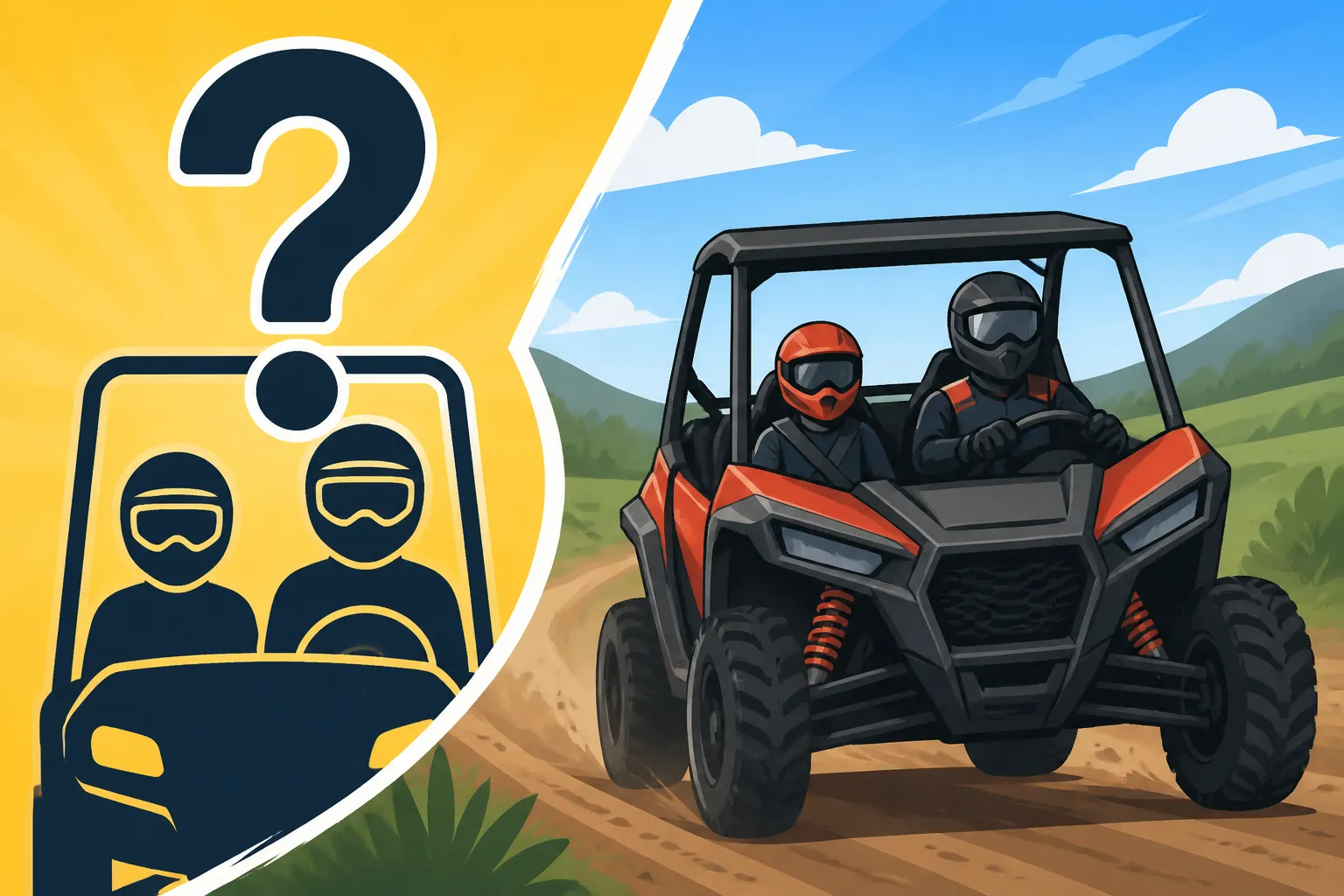
Side-by-sides (UTVs), however, are built with multiple occupants in mind. These machines typically feature bucket seats or bench seating, roll cages, and seatbelts, making them much safer for carrying passengers. For your 13-year-old to ride "alongside" you as a passenger, a UTV is almost always the appropriate and legal choice.
It's crucial that the UTV has designated seating positions and proper restraints for all occupants, including your child. The passenger must be able to sit securely, reach any designated handholds, and keep their feet firmly on the floorboards. If your child is too small to do so, they might not be ready to ride as a passenger, even in a UTV. You can find more detailed information on passenger rules in [Indiana Rules for Carrying a Passenger].
Safety Considerations for Young Passengers
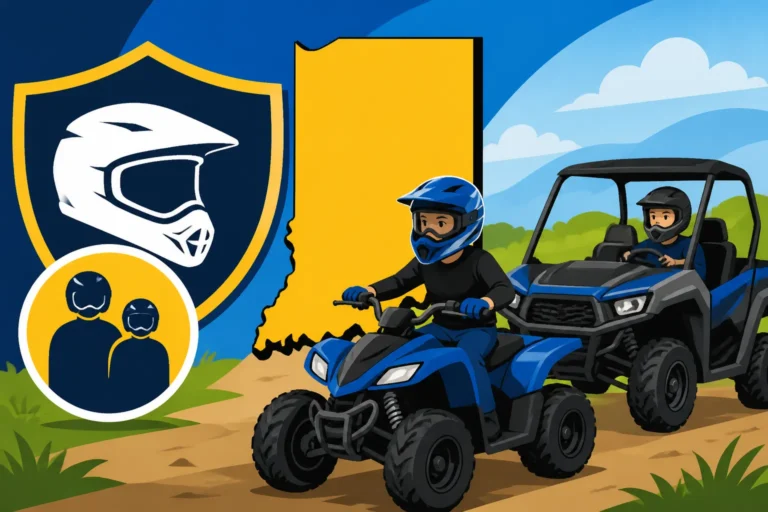
Even when riding in a UTV designed for passengers, safety remains paramount. For any ORV passenger under the age of 18, Indiana law requires them to wear a helmet, even if they are in a side-by-side with a roll cage. The only exception is if the UTV has an enclosed cab, which is quite rare for recreational models. So, if your 13-year-old is riding in your open-air UTV, make sure they have a properly fitted, DOT-approved helmet securely fastened.
Beyond helmets, seatbelts are critical in UTVs. All occupants, including your 13-year-old, must be properly buckled into their designated seating position. Make sure the seatbelt fits snugly across their lap and shoulder without chafing. If the seatbelt doesn't fit correctly, consider booster cushions or adjustments if the manufacturer allows, or re-evaluate if the machine is suitable for your child as a passenger. You don't want them sliding around or being thrown against the roll cage or interior during a bump or turn. Review [Indiana Seat Belt Rules at an ORV Park] for specifics.
Additionally, instruct your child on proper passenger etiquette: keep hands and feet inside the vehicle at all times, avoid sudden movements that could shift the machine's balance, and hold onto grab handles securely. Investing in quality accessories from brands like SuperATV, such as additional grab handles or secure storage for gear, can further enhance safety and comfort for your young passenger. Ensuring they are well-prepared and understand their role as a passenger makes the experience much safer and more enjoyable for everyone. For specific rules regarding younger passengers, refer to [A Passenger Under 18 at an Indiana Park].
Ensuring a Safe and Legal Ride for Your 13-Year-Old
Your goal as a parent is to foster a love for the outdoors and off-road riding in your 13-year-old, but always within the bounds of safety and legality. It's a journey that involves more than just buying a machine; it's about preparation, ongoing education, and vigilant oversight.
The Importance of Training and Skill Development
While Indiana doesn't mandate a specific safety course for ORV operators, taking a voluntary ATV Safety Institute (ASI) course or similar training is highly recommended, especially for young riders. These courses teach fundamental operating skills, safe riding practices, environmental awareness, and risk assessment—all invaluable lessons that go far beyond what a parent can teach in a casual setting. They provide a structured learning environment that builds confidence and competence.
Start small and slow. Don't throw your 13-year-old onto challenging trails on their first day. Begin in open, flat areas to master basic controls like throttle, braking, and steering. Gradually introduce gentle slopes, turns, and small obstacles as their skills develop. This incremental approach not only builds proficiency but also instills good habits and judgment. Continuously assess their skill level and comfort, never pushing them beyond what they are capable of handling. Matching the machine's size and power to their current ability is crucial, and as they grow and gain experience, you can consider stepping up to a more capable machine. For safety course options, consult [Indiana ATV Safety Course Options].
Essential Safety Gear and Machine Readiness
We've touched on safety gear, but it bears repeating: it's not optional. A properly fitting, DOT-approved helmet, eye protection, gloves, long pants, a long-sleeved shirt, and over-the-ankle boots are the minimum. These items can be the difference between a minor scrape and a serious injury. Don't compromise on quality or fit; ill-fitting gear can be as dangerous as no gear at all. Many youth-specific gear lines are available, ensuring a comfortable and protective fit for growing bodies.
Before every ride, perform a thorough pre-ride inspection of the ORV. Check the tires for proper pressure and damage, test the brakes (front and rear), ensure the throttle operates smoothly and snaps back, check fluid levels (oil, coolant, brake fluid), and make sure lights are working (if riding requires them). Any issues should be addressed before the wheels even turn. As the supervising adult, this responsibility falls squarely on you. Ensuring the machine is in top mechanical condition reduces the risk of breakdowns or failures on the trail. Reliable aftermarket parts and accessories, like those from SuperATV, can often contribute to the overall readiness and safety of your machine by providing durable components or enhanced protection.
Remember, as the owner, you could be held liable if your 13-year-old has an incident due to an unsafe machine or lack of proper supervision. This is not just a theoretical concern; it's a real consequence of not following the rules, as highlighted in [Lending Your Quad to a Teenager Who Crashes It]. Your vigilance in preparing both the rider and the machine is your best defense against accidents and liabilities.
Here’s a quick summary of the differences between a 13-year-old operating their own ORV versus riding as a passenger:
| Feature | Operating Own ORV (13-year-old) | Riding as Passenger (13-year-old) |
|---|---|---|
| Legal Status | Permitted with direct parental supervision. | Permitted on multi-rider ORVs (e.g., UTVs). |
| Machine Type | Appropriately sized youth or smaller adult ORV. | Multi-passenger ORV (UTV, 2-up ATV). Not single-rider ATVs. |
| Road Riding | Generally restricted due to stricter age limits on county roads. | Restricted; usually follows operator's road riding legality. |
| Helmet Rule | Mandatory for all operators under 18. | Mandatory for all passengers under 18 (unless enclosed cab). |
| Seatbelts | Not applicable for quads/dirt bikes; required if operating a UTV. | Mandatory if machine is equipped (e.g., UTVs). |
| Supervision | Direct parental supervision required (adult alongside). | Adult is typically the operator, providing inherent supervision. |
| Skill Level | Requires basic operating skills; training recommended. | Requires ability to hold on, keep feet/hands inside; no operating skill needed. |
By taking the time to understand and adhere to these Indiana ORV laws and best practices, you can ensure that your 13-year-old's introduction to off-road riding is a safe, legal, and truly memorable experience for the entire family.
Disclaimer
This article is for general informational purposes only and does not constitute professional advice. Laws, prices and regulations vary by location and change over time. Consult a qualified professional for guidance on your specific situation.