Indiana Rules for Riding a Rail Trail
There's a natural urge to explore the vast network of pathways crisscrossing Indiana, especially for those of us who love the freedom and versatility of an ATV or UTV. You see those long, scenic rail trails, often beautifully maintained, and a common question pops into mind: "Can I take my machine on there?" Unfortunately, for most of Indiana's rail trails, the answer is a resounding "no," and misunderstanding these rules can lead to serious headaches and fines. This guide will walk you through the specifics of why off-road vehicles are typically prohibited on Indiana's rail trails, what those trails are designed for, and where you can legally enjoy your quad or side-by-side.
Understanding Indiana's Rail Trail Network
Indiana boasts a fantastic and growing network of rail trails, which are essentially abandoned railroad corridors that have been converted into multi-use pathways. These trails are celebrated for offering flat, accessible routes through diverse landscapes, connecting communities, and providing opportunities for outdoor recreation. However, their very nature and purpose mean they are generally not suitable for motorized off-road vehicles.
What Defines a Rail Trail in Indiana?
Imagine a stretch of land that once vibrated with the rumble of trains, carrying goods and passengers across the Hoosier State. When the tracks were removed, these linear plots of land often found new life as recreational trails. In Indiana, these are called rail trails, and they’re specifically designed for non-motorized uses. You'll find folks walking, jogging, cycling, rollerblading, and sometimes even horseback riding on designated sections.
The surfaces vary greatly, from paved asphalt ribbons perfect for bikes to crushed limestone paths that offer a more natural feel. Some trails might feature boardwalks over wetlands or historic bridges spanning rivers. The width is typically consistent, following the old railroad grade, making them accessible and relatively easy to navigate. Think of the Monon Trail in central Indiana or the Cardinal Greenway further east – these are prime examples of highly popular rail trails. They’re built for quiet enjoyment, connecting people with nature and each other, often right through the heart of towns and cities.
Who Manages These Trails?
The management of Indiana’s rail trails is quite varied, which can sometimes add to the confusion about rules. Some of the larger, more prominent trails might be managed by the Indiana Department of Natural Resources (DNR) or specific state park systems. Others fall under the jurisdiction of county parks and recreation departments, or even local municipal entities. A significant portion of the rail trail network is also overseen by non-profit organizations and conservancies, often in partnership with local governments.
Each managing entity sets its own specific rules and regulations, but there's a strong overarching principle of non-motorized use for rail trails. For instance, a county park department managing a trail might have ordinances that explicitly ban ATVs and UTVs to protect the trail surface, ensure the safety of pedestrians and cyclists, and preserve the peace and quiet that users expect. It's rare to find a rail trail managed by any of these entities that permits general ORV use, precisely because their mission is centered around passive recreation. Always look for signage at trailheads or check the managing entity's website for specific rules before you even think about unloading your machine.
Why Off-Road Vehicles Are Generally Prohibited on Indiana Rail Trails
The reasons for excluding ATVs and UTVs from rail trails are multifaceted, stemming from safety, environmental concerns, and the fundamental intent behind their creation. It's not about being exclusive; it's about ensuring the trails serve their intended purpose safely and sustainably for all users.
Safety Concerns and User Conflicts
Imagine a tranquil Sunday morning on a paved rail trail, families out for a bike ride, joggers enjoying the fresh air, and a couple walking their dog. Suddenly, a UTV, even one equipped with quiet SuperATV accessories, comes rumbling down the path. The sudden noise, the speed, and the sheer size difference between a motorized vehicle and a pedestrian can create immediate safety hazards. Rail trails are often narrow, and passing spaces are designed for bicycles or people, not wide side-by-sides.
Furthermore, many rail trail users, especially children, might not be expecting motorized traffic and could react unpredictably. The potential for collisions, even at low speeds, is significantly higher when mixing different types of users with vastly different speeds and weights. This is why you'll see rules about [Indiana Helmet Law for ORV Riders] or [Indiana Minimum Age to Ride an ORV] often apply to dedicated ORV areas, not multi-use trails where pedestrians are present. The peace and quiet are also a major draw for many users; the presence of loud engines can disrupt the natural ambiance and detract from the experience for others.
Infrastructure Protection and Environmental Impact
Rail trail surfaces, whether asphalt or crushed limestone, are carefully constructed and maintained for their intended non-motorized use. The weight, power, and tire treads of ATVs and UTVs, even those equipped with responsible all-terrain tires, can cause significant damage. A single ride could churn up gravel, create ruts, or crack paved surfaces, leading to expensive repairs and a less enjoyable experience for other users. This damage is exacerbated in wet conditions, where even a little bit of off-road vehicle traffic can quickly turn a well-maintained path into a muddy mess.
Beyond the physical damage to the trail itself, there are environmental considerations. Motorized vehicles produce emissions and noise that can disturb local wildlife and contribute to air and noise pollution in areas meant for natural appreciation. The intent of these trails is often to provide a green corridor, a place where people can connect with nature, and introducing internal combustion engines can run counter to that goal. Land managers work hard to preserve these corridors, and preventing damage is a key part of their stewardship.
Legal Definitions and Intent of Use
The core issue often boils down to how "off-road vehicles" (ORVs) are legally defined in Indiana and how that definition clashes with the intended use of rail trails. An ORV, by definition, is generally understood to be designed for travel off highways, on unimproved terrain. Rail trails, while not always "highways," are also not typically "unimproved terrain" in the sense that an ORV park or a rugged trail would be.
Indiana state law, and subsequent local ordinances, typically differentiate between pathways meant for motorized recreation and those designated for passive, non-motorized uses. When a former rail line is converted, it undergoes a designation process that outlines its permissible uses. These designations almost universally exclude motorized vehicles like ATVs and UTVs, explicitly reserving them for walking, running, and cycling. This clear intent is why you won't find specific laws allowing Indiana Rules for Riding a Rail Trail, but rather general prohibitions. To allow ORVs would fundamentally change the character and safety profile of these trails, deviating from their original purpose and legal designation.
Navigating the Rules: When (and Where) ORVs Can Legally Ride in Indiana
It can be frustrating when you see all that open space, but it's crucial to understand that "open" doesn't always mean "open to ORVs." While rail trails are generally off-limits, Indiana does offer plenty of legal and exciting opportunities for ATV and UTV enthusiasts.
The General Rule: No Motorized Vehicles
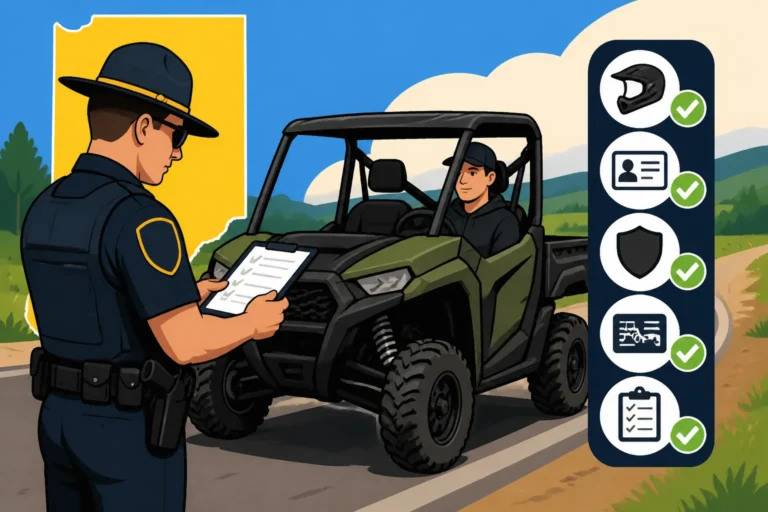
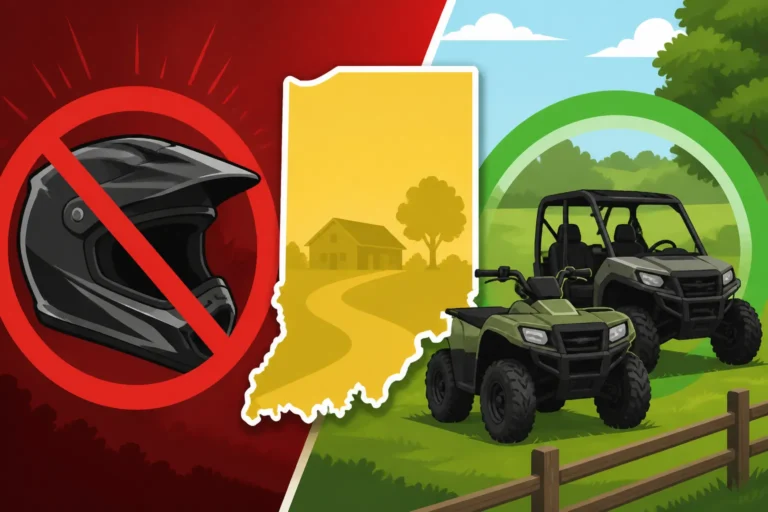
Let's be absolutely clear: the default rule across Indiana is that ATVs and UTVs are not permitted on rail trails. This isn't a suggestion; it's a rule enforced by law and local ordinances. You won't find any state statutes or DNR guidelines that grant general permission for motorized vehicles on these specific types of multi-use trails. The signage you see at trailheads, if it's there, will almost certainly confirm this restriction, often with clear "No Motorized Vehicles" symbols.
Even if a section of a rail trail looks like a perfect gravel path or a smooth dirt road, it does not mean your machine is welcome. These trails are explicitly developed for recreation that does not involve an engine. Attempting to ride on them not only puts you at risk of fines but also jeopardizes the safety of other trail users and the integrity of the trail itself. It's a matter of respecting shared public spaces and the rules established for their enjoyment.
Exploring Exceptions: Designated Multi-Use Trails
While rail trails are out, it's important to distinguish them from other types of "multi-use" trails or areas that do permit ORVs. Indiana has fantastic, dedicated off-road riding parks like Redbird SRA and Interlake SRA, which are specifically designed and managed for motorized vehicle use. These parks feature extensive trail systems, ranging from easy gravel paths to challenging mud pits and rocky climbs, and they are perfect for enjoying your ATV or UTV. When considering where to ride, you need to look for areas explicitly designated for ORVs, not general multi-use trails that encompass walking and biking.
Sometimes, a rail trail might briefly cross a county road that is open to ORVs via a local ordinance, but that doesn't mean the rail trail itself becomes a permissible riding area. You would be limited strictly to the [Indiana Rules for Crossing a Highway] or the specific county road, not the adjacent trail. Always double-check where you are riding. If you're looking for gear to outfit your machine for proper ORV parks, places like SuperATV offer a huge range of products, from winches to lift kits, all designed for the rugged conditions you'll find on dedicated off-road trails, not the gentle surfaces of a rail trail.
Understanding Local Ordinances and Signage
Because trail management can be fragmented, it's vital to check specific local ordinances for any trail you plan to use, even if your initial assumption is "no ORVs." While it’s highly unlikely you’ll find a rail trail that permits ATVs or UTVs, there might be very specific, short segments or access points where a local rule temporarily differs, or where a trail transitions into a different type of access way. However, these are exceptions to the rule and must be clearly marked or documented.
Look for signs at every trailhead. These signs are your primary guide and will typically list permitted activities and prohibited uses. If you don't see specific permission for ORVs, assume they are not allowed. When in doubt, always contact the managing agency (e.g., local park department, DNR office, or trail conservancy) before you go. This proactive approach can save you a lot of trouble and potential fines. For example, if you're riding in a county that does have [Indiana Counties That Allow ORVs on Roads], those allowances do not extend to rail trails unless explicitly stated and marked.
Consequences of Unlawful Rail Trail Riding
Ignoring the rules and taking your ATV or UTV onto a rail trail can lead to more than just a stern talking-to. The consequences can be severe, impacting your wallet, your machine, and your riding privileges. It's simply not worth the risk.
Potential Fines and Penalties
Riding an ATV or UTV on a prohibited rail trail in Indiana typically falls under a Class C infraction, which can carry significant financial penalties. While the exact amount can vary by jurisdiction and the specific ordinance violated, you could be looking at fines upwards of several hundred dollars for a first offense. These aren't minor parking tickets; they're serious citations that can appear on your record.
For instance, if you're caught on a rail trail in a municipal park system, you could face fines from the city or county. If it's a state-managed trail, a conservation officer could issue the citation. Repeat offenses can lead to even higher fines, potential court appearances, and a deepening of the legal trouble. It's far cheaper and less stressful to pay the entry fee at a dedicated ORV park than to risk a hefty fine for riding where you shouldn't. And remember, these fines are separate from any costs associated with potential damage you might cause to the trail or other property.
Machine Impoundment and Liability
Beyond fines, a law enforcement officer has the authority to impound your ATV or UTV if you are caught riding it illegally. This means your machine could be seized, and you would be responsible for towing and storage fees, which can quickly add up to hundreds of dollars. Retrieving an impounded vehicle can be a complex and time-consuming process, requiring you to resolve the underlying citation first.
Even more critically, if you cause damage to the rail trail itself – perhaps by tearing up the surface or damaging a bridge – you could be held liable for the cost of repairs. Imagine the cost of repaving a section of asphalt or repairing a boardwalk! Furthermore, if your illegal riding leads to an accident involving a pedestrian or cyclist, you could face severe civil liability, including medical costs, lost wages, and pain and suffering. This could result in a lawsuit that far exceeds any minor inconvenience you might have experienced by seeking out legal riding areas. Ensure your insurance policy is robust, especially if you explore areas like [Indiana ORV Insurance Requirements], though typically these policies won't cover incidents arising from illegal activities. It’s always best to invest in quality gear, perhaps from SuperATV, for legal riding areas and steer clear of unauthorized trails to protect both yourself and others.
| Trail Type | Primary Permitted Uses | Typical ORV Status | Reasons for ORV Status | Examples (Indiana) |
|---|---|---|---|---|
| Rail Trail | Walking, running, cycling, rollerblading (non-motorized) | Generally Prohibited | Safety, surface damage, user conflict, environmental impact | Monon Trail, Cardinal Greenway |
| Dedicated ORV Park | ATVs, UTVs, dirt bikes, 4×4 vehicles (motorized) | Permitted | Designed for motorized use, managed for safety and environmental impact | Redbird SRA, Interlake SRA |
| State Forest Roads | Licensed vehicles, walking, hunting (specific permits) | Varies by location | Some may allow ORVs for specific purposes; often requires registration | Some Harrison-Crawford S.F. roads |
| Private Land (with permission) | ATVs, UTVs, dirt bikes (motorized) | Permitted | Owner's discretion, liability concerns | Farm fields, private trails |
This article is for general informational purposes only and does not constitute professional advice. Laws, prices and regulations vary by location and change over time. Consult a qualified professional for guidance on your specific situation.