Getting Written Up by a Redbird Ranger
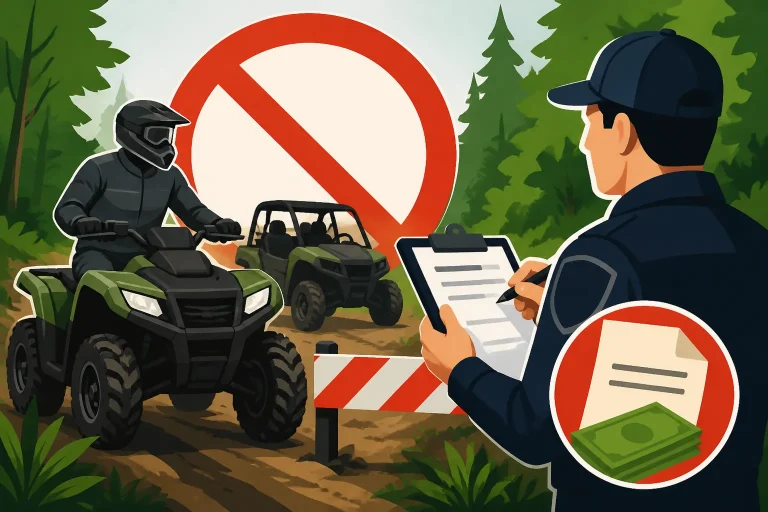
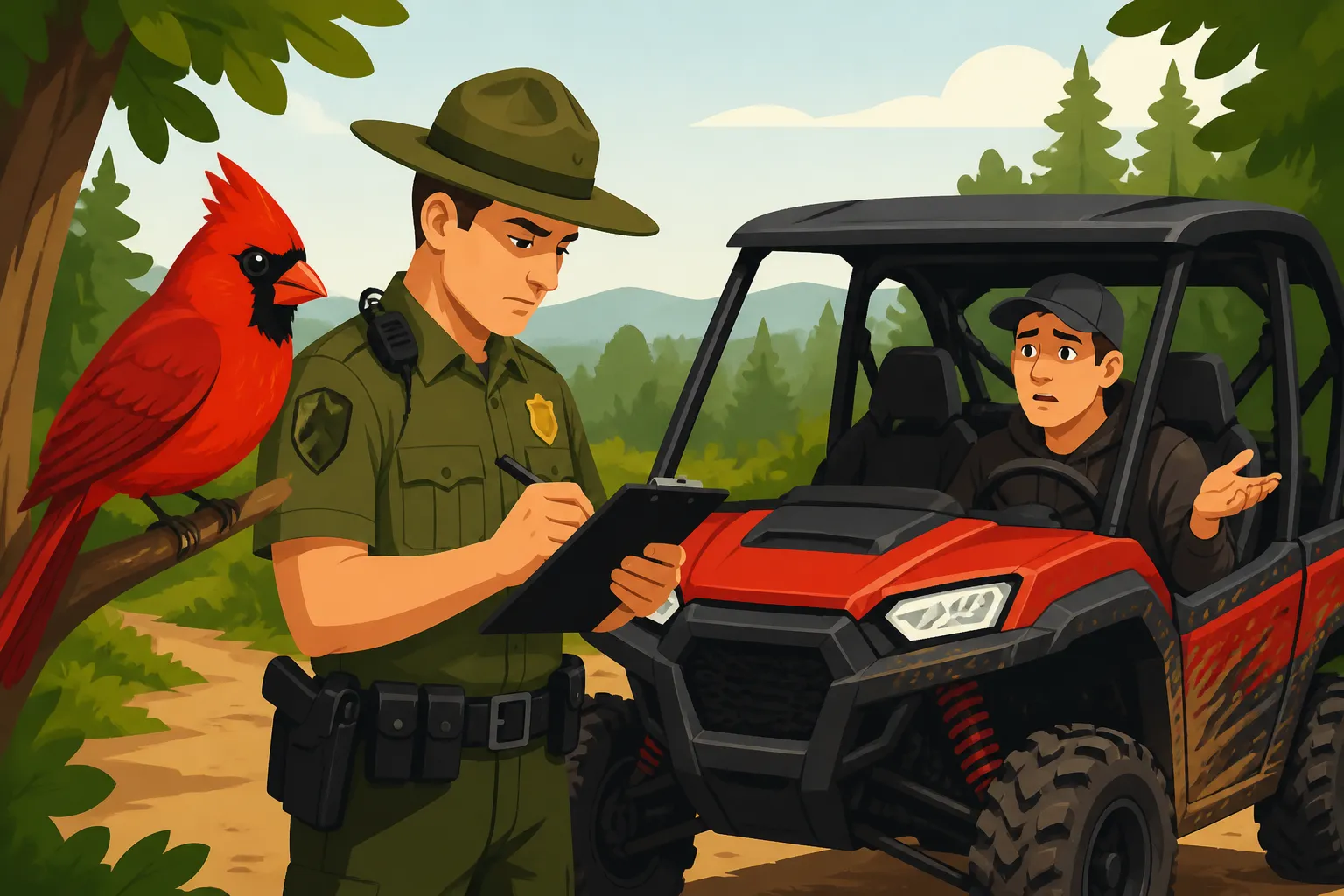
A Redbird ranger stop can end with a reminder, a written warning or a citation, depending on what happened. If you are written up, the most useful first step is to understand exactly what the notice says—not to guess what it means. Here’s how to handle the stop, sort out permit and trail issues, and decide what to do next.
What a Redbird ranger write-up can mean
“Written up” is an informal phrase, not a precise description of a single outcome. A ranger or other enforcement officer may document an interaction or issue a formal notice. The notice itself should tell you whether it is a warning, citation, or another kind of document, and what action—if any—you need to take.
The reason matters. A problem with a required trail permit is different from riding on a closed trail, leaving a marked route, or failing to follow a safety rule. A write-up may involve one issue or several. Don’t rely on a quick summary from someone else in your group; read the paperwork you receive.
| What may have prompted the stop | What to check first |
|---|---|
| Missing or invalid trail permit | Whether the permit was required for that machine and whether you can show proof |
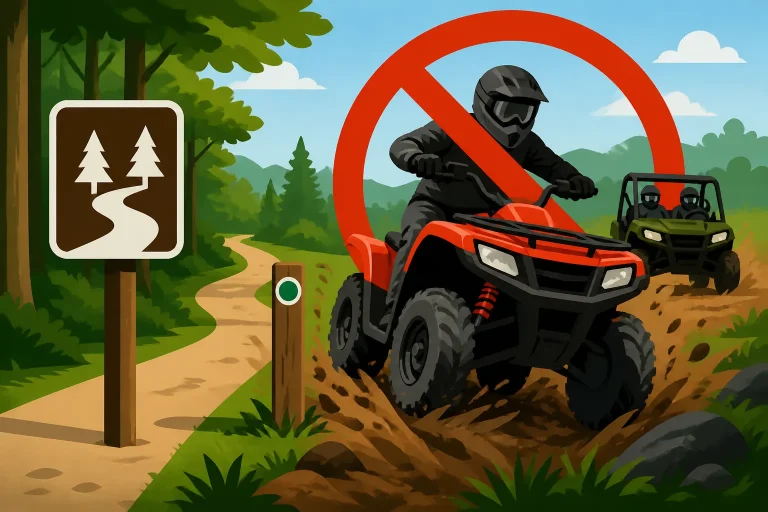
| Riding beyond a marked route | The trail location, signs, map, and any closure notice |
| Riding on a closed trail | The closure notice and the date or area it covers |
| A helmet or other safety concern | Which rider and machine were involved, and what rule the notice names |
| A rented machine or group ride | Who was responsible for the machine, permit, or group arrangements |
| A general complaint or safety incident | The officer’s description of the conduct and any requested follow-up |
Redbird is an Indiana off-road recreation area, but being inside the park does not make every route or activity permissible. Riders are expected to follow posted signs and current park rules. A trail can be closed, and a route that looks rideable is not necessarily an authorized trail. The rules on [Indiana Rules for Riding Off the Trail] and Indiana Rules for Riding a Closed Trail can help clarify those two common issues.
A state trail permit and the park’s entrance arrangements are separate matters. A permit for riding does not necessarily cover an entrance charge, and paying to enter does not necessarily provide the required permit for every machine. Confirm what applies to your visit through the park or Indiana’s current permit information. See Indiana’s Daily and Annual Trail Permits for the permit options and Why an Entrance Fee Sits on Top in Indiana for the distinction between riding authorization and park entry.
A registration decal is also not a substitute for a trail permit. Indiana registration and state recreation area permits address different requirements. Likewise, an out-of-state registration does not automatically settle every question about riding at Redbird. Indiana’s visitor rules and its park permit rules are separate; Does Indiana Honor Out-of-State Registration? and Indiana’s Twenty-Day Visitor Rule cover the registration side, while the park’s permit requirements still need to be checked.
What to do during the stop
A calm, clear exchange is more useful than an argument on the trail. Stop where directed, keep the machine under control, and give the officer room to speak. If your group is riding together, have the other riders stop safely as well. Don’t ride off to find a better place unless the officer directs you to do so.
Then work through the details:
- Ask what the issue is. If the explanation is unclear, ask which rule or park requirement the officer believes was violated. A short, direct question is more productive than debating the whole situation.
- Show relevant documents. If the issue concerns a permit, registration, rental, or group arrangements, show the records you have. A digital receipt or photo may help explain the situation, but don’t assume a phone image will satisfy every requirement.
- Listen before responding. If you think the officer has the wrong machine, rider, trail location, or date, explain the specific point briefly. Avoid interrupting or making claims you cannot support.
- Read any document you are given. Check the type of notice, the rule or conduct described, the name and machine information, and any instructions or deadlines.
- Ask what happens next. If the notice refers to a court, payment process, response deadline, or park follow-up, ask where those instructions are written. Confirm them from the official contact or source named on the paperwork.
If you are asked to sign, read what the signature line says. A signature may acknowledge receipt rather than admit fault, but the meaning depends on the document. Ask the officer to explain it if that is not clear. Don’t sign a statement you believe is inaccurate without understanding what you are signing; if needed, ask how to note a disagreement or get a copy.
Keep your tone respectful even if you disagree. A roadside discussion is rarely the right place to settle a contested interpretation of a rule. You can preserve your position by recording the facts afterward and following the response instructions on the notice.
If the stop involves a possible safety issue, address the immediate risk first. For example, don’t continue along a route that an officer says is closed while trying to sort out whether the closure was posted. Ask where you may lawfully go, then check the relevant signs or park information when it is safe to do so.
What to do after leaving the park
Before the details fade, make a record. Write down the date and approximate time, where the stop occurred, which machine and rider were involved, what the officer said, and what happened next. Keep the original notice and take a clear copy or photo for your records. Save permit receipts, registration records, rental agreements, maps, and any photos that show the signage or trail conditions.
Separate what you personally observed from what another rider told you. If several people saw the stop, ask them to make their own notes rather than coordinating a single version. Independent, factual notes are more useful than a group chat full of guesses.
Read the entire notice, including the reverse side or any attached page. Identify:
- Whether it is a warning, citation, or another formal document
- The specific conduct or rule named
- The person or machine identified
- Any required response, hearing, payment, or contact
- The deadline and the agency or court handling the matter
Do not assume that a warning can be ignored, or that a citation can be resolved by explaining the situation later to park staff. Follow the written instructions. Deadlines and procedures can depend on the type of notice, so confirm them with the official office named on the document rather than relying on an old post or another rider’s experience.
If the document contains a factual error, make a concise list of the points you dispute and gather records that support them. For example, a permit receipt may show a purchase, while a trail map or photo may help establish where the group was. A receipt alone may not prove that the permit was valid for the machine or situation, so keep the surrounding details too.
If you believe the officer misunderstood what happened, use the stated review or response process. Stick to dates, locations, signs, documents, and actions. Avoid posting personal information or accusing someone of misconduct online before you understand the process. If the consequences could be significant or the notice is unclear, consider getting advice from a qualified professional.
For a permit-related issue, compare the notice with the permit rules that applied to that ride. Check whether each machine needed its own permit, whether the permit covered that location, and whether the receipt or permit was available as required. For a no-permit allegation, Indiana Fines for Riding Without a Permit explains why the permit requirement is worth checking before the next trip. If the machine was rented, confirm what the rental covered rather than assuming the rental company handled every obligation; Indiana Rules for a Rented Machine is a useful starting point.
How to reduce the chance of another write-up
The simplest prevention is to settle the paperwork and route questions before unloading. Check the current Redbird information for operating conditions, closures, permit requirements, and entry arrangements. Rules and notices can change, so an old trip plan or a friend’s recollection is not a reliable substitute for the current information.
Before each ride:
- Confirm the permit requirement for every machine, not just the lead rider’s vehicle.
- Keep the permit proof and any registration documents easy to reach.
- Review the park map and identify the routes your group plans to use.
- Read gate boards and trail signs, including temporary closure notices.
- Make sure every rider understands that a marked trail is not permission to travel off it.
- Check applicable helmet and other safety requirements for each rider and machine.
- Agree on a plan for what the group will do if a trail is closed or a machine has a problem.
A group leader can help, but responsibility should not be left vague. Before heading out, confirm who has each machine’s permit information and who will check the route. If someone joins the group late, bring them up to speed before riding. A permit on one machine does not necessarily cover another, and one rider’s understanding of a trail does not establish that the rest of the group is on an authorized route.
Pay particular attention to boundaries between open and closed routes. When a sign is hard to read, a map seems inconsistent, or the trail ahead appears blocked, stop in a safe place and check rather than riding farther to investigate. If the correct route is still uncertain, ask park staff. The same cautious approach applies after rain, maintenance work, or other conditions that may prompt a closure.
For riders visiting from another state, don’t treat home-state registration as a universal pass. Indiana’s registration rules for visitors and its recreation-area permit requirements answer different questions. Check both before the trip, and make sure you know what documentation to carry. If you are riding a rented machine, ask the rental provider what it supplies and what remains your responsibility.
If you receive a warning, use it as a prompt to identify the exact issue. Correct what you can before riding again: obtain the required permit, leave a closed route, or review the applicable safety rule. If you receive a formal citation, follow the notice rather than assuming that correcting the problem afterward automatically resolves it.
Being written up at Redbird is stressful, but the next steps are manageable: understand the document, preserve the facts, meet any stated deadline, and verify the rule before your next ride. Clear paperwork and a route check can prevent a small misunderstanding from becoming a repeat problem.
Disclaimer
This article is for general informational purposes only and does not constitute professional advice. Laws, prices and regulations vary by location and change over time. Consult a qualified professional for guidance on your specific situation.