Counties That Opened Every Road to ORVs
It's incredibly frustrating when you just want to take your ATV or UTV out for a spin, and you're constantly guessing where you can and can't legally ride. Indiana's rules about off-road vehicles on public roads can feel like a tangled mess, especially when you hear whispers about counties opening up all their roads. This guide aims to clear up that confusion, diving deep into what it truly means for a county to open its roads to ORVs, which counties have taken steps in that direction, and what you still need to know before you hit the pavement.
Understanding "Opened Roads" in Indiana
When we talk about an Indiana county "opening every road" to Off-Road Vehicles (ORVs), it's easy to imagine a free-for-all where you can just hop on your quad and cruise anywhere. The reality, however, is a bit more nuanced. Indiana law, specifically IC 14-16-1, sets the baseline, generally prohibiting ORVs on public highways and rights-of-way unless specifically allowed. So, when a county "opens" its roads, it's operating within these state guidelines, usually by passing a local ordinance that designates certain roads or classes of roads as permissible for ORV use.
The Limits of County Jurisdiction
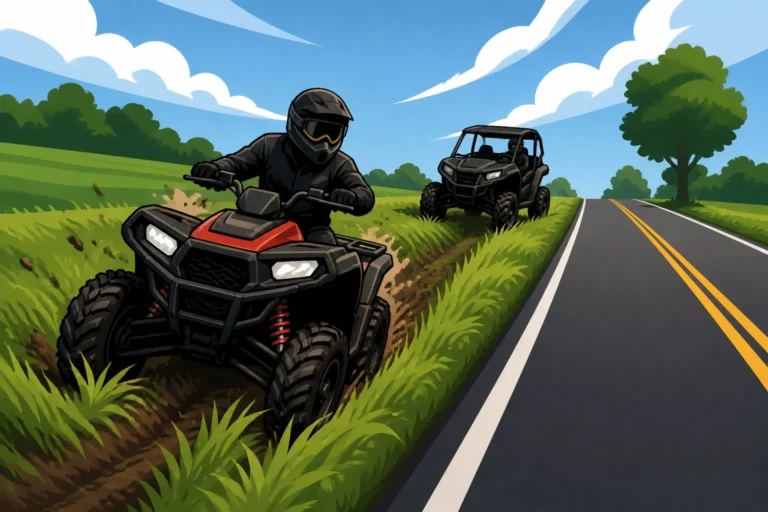
It's crucial to understand that a county's authority only extends to roads under its jurisdiction. This means county-maintained roads. What a county cannot do is open up state highways, U.S. routes, or interstate highways, as these fall under the Indiana Department of Transportation (INDOT) and state law. Similarly, roads within incorporated cities or towns are typically governed by those municipal ordinances, not the county's. So, while a county might declare all its roads open, that doesn't mean you can ride your side-by-side right into the heart of a nearby town or on a busy state route. This distinction is often a source of confusion and frustration for riders. Many times, you'll be riding along a county road and suddenly hit a city limit or a state highway, and your legal riding ends abruptly. It means constant vigilance and knowing your route intimately, often consulting a map or a GPS specifically for ORV-approved roads.
Designated Roads Versus Blanket Ordinances
Some counties might take a "designated roads" approach, explicitly listing which roads are open, often with maps. This can be fantastic for clarity, as you know exactly where you stand. Other counties might adopt a "blanket ordinance" that states all county roads are open unless otherwise marked. This sounds simpler, but it still requires you to be aware of the limitations we just discussed (state highways, city limits). It also means you need to be constantly on the lookout for signs that might indicate a specific road, or a section of it, is closed. For example, a county might declare all county roads open, but then a local residents' association successfully lobbies to close a specific road due to noise or traffic concerns. This means that even with a blanket ordinance, there's no guarantee that every single county road will always be open. It’s always best to check the county's official ordinance and any accompanying maps or notices. You might even consider calling the local sheriff's department or county highway department to verify current regulations.
Specific Indiana Counties and Their ORV Road Rules
While the idea of every road being open is appealing, the reality in Indiana is a patchwork. Some counties have made significant strides in allowing ORVs on their roads, but rarely is it truly "every" road without some caveats. Let's look at a few examples of how different counties approach this.
Counties That Have Embraced ORV Road Use
Several counties in Indiana have taken steps to allow ORVs on their county roads, recognizing the recreational and practical value these machines provide. Hancock County, for instance, has an ordinance that permits ORV use on its county roads. This is a big win for local riders and those visiting the area. However, it's vital to remember that "county roads" means just that—not state highways or municipal streets. So, if you're riding in Hancock County, you can likely enjoy the network of gravel and paved county roads, but you'll still need to exercise caution when approaching state routes or entering towns like Greenfield or Fortville. For riders who enjoy exploring, having a county like Hancock open its roads provides a huge opportunity. You can string together rides that previously would have required trailering between private properties or designated off-road parks. It’s a game-changer for casual rides, quick trips to a local store, or simply enjoying the scenery from your side-by-side.
Another example is Dearborn County, which has Section 70.04 in its code addressing ORV operation. While not necessarily a blanket "every road" policy, it outlines conditions under which ORVs can be operated on county roads. This often involves specific times, speed limits, and safety equipment requirements. Before riding in Dearborn County, it would be prudent to review their specific ordinance to ensure full compliance. Just because a section exists doesn't mean it's open season; it means there are rules to follow. This is where research becomes your best friend. A quick search for "Dearborn County ORV ordinance" can save you a lot of headache and potential fines. Being informed is always the best defense against accidental violations.
Counties with Designated ORV Road Maps
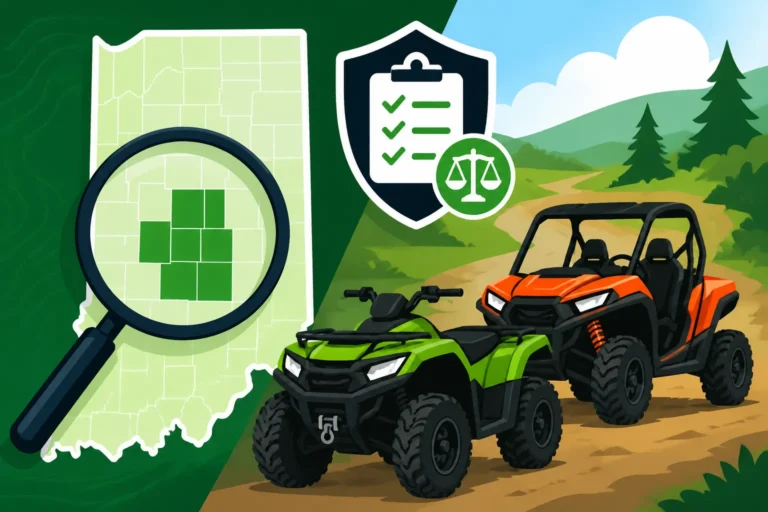
Then you have counties like Vanderburgh County, which provides a detailed, color-coded map designating which roads are open to ORVs. This approach offers excellent clarity but also highlights that "every road" is rarely the case. On a map, you might see green roads (open), red roads (closed), and sometimes blue roads (restricted). This means a rider needs to study the map carefully and plan their route to stay on the approved paths. This is particularly helpful for residents and visitors who want to enjoy their machines without constantly worrying if they're breaking the law. A brand like SuperATV, known for its extensive range of UTV and ATV accessories, offers many products that enhance safety and navigation, such as GPS units or enhanced lighting, which can be invaluable when following a complex designated road map. You can imagine riding a trail and then connecting to an open county road to get to the next section or even a gas station.
The existence of such maps underscores the point that even when a county is ORV-friendly, it's rarely a simple free-for-all. These designations often take into account traffic volume, residential areas, and safety concerns. So, while it's fantastic to have these opportunities, it puts the onus on the rider to be fully informed and prepared. It also means that a road that seems like a perfect shortcut might actually be a red zone on the map, leading to an unexpected fine if you're not paying attention. Always have that map, whether printed or on a device, readily available and cross-reference your location.
| County (Example) | Approach to ORV Roads | Key Considerations |
|---|---|---|
| Hancock County | General Allowance | County roads only; check for municipal/state road limits. |
| Dearborn County | Specific Ordinance | Review Section 70.04 for conditions (time, speed, equipment). |
| Vanderburgh County | Color-Coded Map | Follow designated routes; be aware of green (open) vs. red (closed) roads. |
Rules and Regulations for Riding on Open County Roads
Even in counties that have opened their roads to ORVs, there are always rules. These aren't just suggestions; they are enforceable laws designed to ensure safety for ORV riders, other motorists, and pedestrians. Ignoring them can lead to significant fines, impoundment of your machine, or even legal liability in case of an accident. It's not enough to know where you can ride; you absolutely must know how to ride legally and safely.
General State-Level Requirements
First and foremost, your ORV needs to be properly registered with the Indiana Bureau of Motor Vehicles (BMV) and display a current [Indiana ORV Decal Placement]. This is a fundamental requirement across the state for any machine used off private property, whether on designated trails or county roads. Without proper registration and a visible decal, you're looking at a fine right off the bat, regardless of the county's specific road ordinances. You also need to ensure your machine is equipped with basic safety features, such as functional headlights and taillights, especially if you plan to ride near dusk or after dark. [Indiana Lighting Requirements for ORVs] are not optional; they are there for your safety and the safety of others.
Furthermore, most county ordinances will defer to state laws regarding operator age and helmet requirements. For example, [Indiana's Helmet Law for Riders Under 18] applies on public lands and often extends to county roads. Even if you're riding an enclosed side-by-side, if an occupant is under 18, they typically need a helmet. Adult supervision rules for minors, such as [Indiana Supervision Rules for Minors], will also apply. Some advanced accessories from SuperATV, like their full windshields or hard roofs, can offer additional protection and comfort, but they don't negate the need to comply with helmet laws for young riders. It’s also wise to carry [Indiana Registration and Insurance Proof] with you at all times, either physically or electronically, in case you are stopped by law enforcement.
County-Specific Conditions and Ordinances
Beyond the statewide mandates, individual counties often impose their own specific conditions for ORV road use. These might include:
- Operating Hours: Some counties might restrict ORV riding on roads to daylight hours only, or specific hours of the day. Don't assume you can ride at 2 AM just because the road is "open."
- Speed Limits: While you might be able to ride your ORV on a county road, the typical posted speed limits for cars will apply, and sometimes a lower maximum speed limit is set specifically for ORVs. Exceeding these limits is not only dangerous but illegal.
- Insurance Requirements: While Indiana doesn't have a statewide mandatory ORV insurance law, some counties, like Vanderburgh, might require you to carry proof of liability insurance to ride on their designated roads. This is a crucial point, as most standard auto insurance policies won't cover your ORV. You need a dedicated policy. Always check if your policy covers you for riding on public roads in the specific county you plan to visit.
- Safety Equipment: Counties might specify additional equipment, beyond state minimums, such as turn signals, mirrors, or even specific reflective markings. While many ORVs come with basic lights, a reliable aftermarket signal kit or enhanced mirror setup from SuperATV can significantly improve your safety and compliance, making you much more visible to other traffic on paved or gravel roads.
It’s paramount to read the specific county ordinance before you ride. A quick search online for "[County Name] ORV ordinance" should bring up the relevant document. Taking the time to understand these nuances will ensure your riding experience is both enjoyable and completely legal. Remember, even if a county allows ORVs, they're often trying to balance recreation with public safety, and adherence to their rules is essential for everyone. You wouldn't want to be the reason a county decides to close its roads again.
Riding Responsibly and Respectfully
Finally, regardless of how "open" a county's roads might be, responsible and respectful riding is non-negotiable. This means yielding to all other traffic, maintaining safe speeds, staying to the right-hand side of the road, and refraining from reckless driving. It also means being mindful of noise levels, especially in residential areas. Many counties have specific clauses in their ordinances about excessive noise or disturbing the peace. Your actions as a rider directly impact the public perception of ORVs and can influence future decisions about road access.
If you encounter another vehicle, be courteous and give them ample space. Wave to pedestrians or cyclists you might pass. Remember that most other road users are accustomed to seeing cars, not ORVs, on these roads. Your behavior reflects on the entire ORV community. By being a good ambassador for the sport, you help ensure that these valuable riding opportunities continue to exist and potentially expand. Respect the local community and their roads, and they will likely return that respect.
Disclaimer
This article is for general informational purposes only and does not constitute professional advice. Laws, prices and regulations vary by location and change over time. Consult a qualified professional for guidance on your specific situation.