Indiana Rules for a Rider Under 14
It's an age-old question for any parent who loves the outdoors and wants to share the thrill of off-road riding with their children: "How old do they have to be to ride an ATV or UTV in Indiana?" Trying to navigate the patchwork of state laws and local ordinances can feel like a ride through a dense forest without a clear trail map. This guide is here to cut through the confusion and explain exactly what Indiana expects when a rider under 14 years old wants to get behind the handlebars.
Indiana's Core Rule for Young Riders
Let's face it, getting kids involved in powersports is incredibly rewarding, but it comes with a huge responsibility. Indiana understands this and has clear guidelines to ensure the safety of its youngest riders. The fundamental principle is rooted in supervision and the type of machine being operated. It’s not just about what a child can do, but what they are legally allowed to do, and more importantly, what precautions adults must take to keep them safe.
Defining the "Under 14" Category
In Indiana, when we talk about a "rider under 14," we're specifically referring to anyone who hasn't yet celebrated their fourteenth birthday. This age group is treated with a heightened level of caution in the eyes of the law, reflecting the understanding that younger children typically have less developed motor skills, judgment, and physical strength required to safely operate an off-road vehicle (ORV) independently. The law isn't designed to prevent kids from riding, but rather to establish a framework that prioritizes their well-being. It’s about creating a safe learning environment, not just throwing them on a machine and hoping for the best.
This distinction is crucial because the rules shift significantly once a rider turns 14, and again at 16, and 18. For instance, a 13-year-old on a dirt bike will face different legal requirements than a 15-year-old on a quad, particularly when it comes to supervision and where they can ride. Understanding this age bracket is the first step in ensuring you're compliant and your young rider is safe.
Why This Age Group Gets Special Attention
You might wonder why Indiana specifically draws the line at 14. It really boils down to safety statistics and developmental milestones. Children under 14 are generally more susceptible to serious injuries in ORV accidents due to their smaller size, lesser strength, and still-developing cognitive abilities. They might not always recognize hazards or react appropriately to unexpected situations as quickly as an older teenager or adult would. The law reflects a protective stance, acknowledging that while many young children might be capable of operating an ORV in a controlled environment, the risks without proper oversight are simply too high.
Think of it this way: operating an ORV isn't just about steering and accelerating. It involves complex decision-making, understanding terrain, anticipating obstacles, and reacting under pressure. A young child, even one who is very skilled, might lack the full capacity for these critical functions. This is why Indiana's regulations for riders under 14 emphasize adult responsibility and direct oversight, creating a crucial safety net for these budding enthusiasts.
The Role of Adult Supervision in Indiana
When it comes to riders under 14, supervision isn't just a good idea; it's the law. Indiana's statutes are quite specific about the level of oversight required, placing a significant burden of responsibility on the accompanying adult. This isn't about simply having an adult somewhere on the property; it's about active, immediate, and direct supervision that can intervene at a moment's notice. Ignoring these rules can lead to serious legal consequences for the adult, not to mention putting the child at unnecessary risk. You can find more details on what's expected in [Indiana Supervision Rules for Minors].
What "Direct Parental Supervision" Really Means
For riders under the age of 14, Indiana law mandates "direct parental supervision." This isn't a vague suggestion; it's a legal requirement with a very practical meaning. It means that a parent or guardian must be close enough to the child to see them, hear them, and immediately communicate with them, and crucially, to intervene if a dangerous situation arises. This isn't the time to be checking your phone or chatting with friends 100 yards away while your child zips around a field.
Imagine a scenario: your 12-year-old is learning to ride their youth ATV. "Direct supervision" means you should be within visual and audible range, perhaps even riding a separate machine close by, or standing in a clear area where you can observe their every move. If they suddenly encounter a ditch they didn't see, or lose control on a turn, you need to be able to shout a warning, signal for them to stop, or even physically assist if they fall. This hands-on approach is fundamental to safety for this age group, ensuring that developing skills are matched with experienced eyes.
The Legal Implications for the Supervising Adult
The responsibility for a rider under 14 falls squarely on the shoulders of the supervising adult. If a child under this age is operating an ORV without direct supervision, or if they are operating it in a manner that violates other Indiana ORV laws, the adult can face fines and penalties. This isn't merely a slap on the wrist; ORV infractions can be costly, and in serious cases, can involve more severe consequences. The law views the adult as ultimately responsible for the child's actions and adherence to safety regulations.
It’s a heavy responsibility, but it’s there to protect. Consider the scenario where a 13-year-old, unsupervised, attempts to cross a road where ORVs are prohibited, resulting in an accident. The legal and financial repercussions for the parent or guardian could be significant, ranging from fines for violating supervision laws to liability for any damages or injuries incurred. [Why an Indiana Owner Is Liable] delves deeper into these owner responsibilities. This is why understanding and strictly adhering to the "direct parental supervision" rule is paramount for any adult allowing a child under 14 to ride an ORV.
Where Can a Rider Under 14 Actually Ride in Indiana?
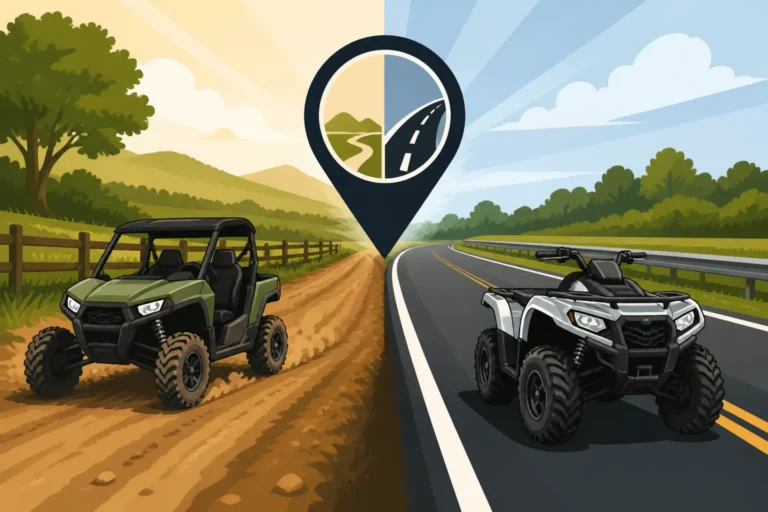
This is where things can get a bit tricky, as the rules for where an ORV can be ridden are often more complex than the rules for who can ride it. For riders under 14, the restrictions on location are even more pronounced, primarily focusing on private land and designated public off-road parks. It’s important to distinguish these areas from public roads or other public properties where ORV use is generally prohibited or heavily restricted for all riders, let alone minors.
Private Property vs. Public Land Rules
For a rider under 14, private property is typically the safest and most permissible place to ride, provided they have the landowner's express permission. On your own land, or the land of a friend or family member, a young rider can hone their skills in a controlled environment under direct supervision. This is often the ideal starting point for new riders, away from the unpredictable elements of public trails. You'll want to check [Indiana Rules for Riding Private Land] for more details.
However, once you venture onto public land, the rules become more stringent. Indiana generally prohibits ORV use on public roads, highways, and most state parks or forests, regardless of the rider's age. The primary exceptions are designated off-road riding areas, such as the state-managed ORV parks. Even within these parks, specific rules apply to youth riders. It's crucial not to assume that just because it's "public land" that your child can ride there. Always verify the rules for any specific location before heading out.
Restrictions on Designated ORV Parks
Indiana is fortunate to have excellent designated ORV parks like Redbird Off-Road State Recreation Area and Interlake Off-Road State Recreation Area. These parks offer miles of trails and are specifically designed for ORV use. However, even here, specific rules apply to riders under 14. At state ORV areas, riders under 16 must generally wear a helmet at all times, and supervision rules are often enforced vigorously. For example, [Indiana State Park Rules for Riders Under 16] outlines specific requirements for younger riders within these parks.
While these parks are fantastic resources, they are not a free-for-all. Trails often have varying difficulty levels, and some sections might be inappropriate for younger, less experienced riders. Always check the park's specific regulations regarding age limits on certain trails, any special permits required for youth machines, and of course, the ever-present requirement for direct adult supervision. Even at a place designed for off-roading, safety protocols for young riders remain paramount.
Essential Gear and Safety for Young Indiana Riders
Beyond the legalities of age and supervision, equipping a young rider with the right gear and instilling a strong safety mindset is non-negotiable. Riding an ORV, even a smaller youth model, carries inherent risks, and proper protective equipment significantly mitigates these dangers. It's an investment in your child's safety and well-being, one that no parent should ever skimp on. For parts and accessories that enhance safety and fit, remember that companies like SuperATV offer a wide range of products that can help tailor a machine for better control and comfort for a younger rider.
Mandatory Helmet Use
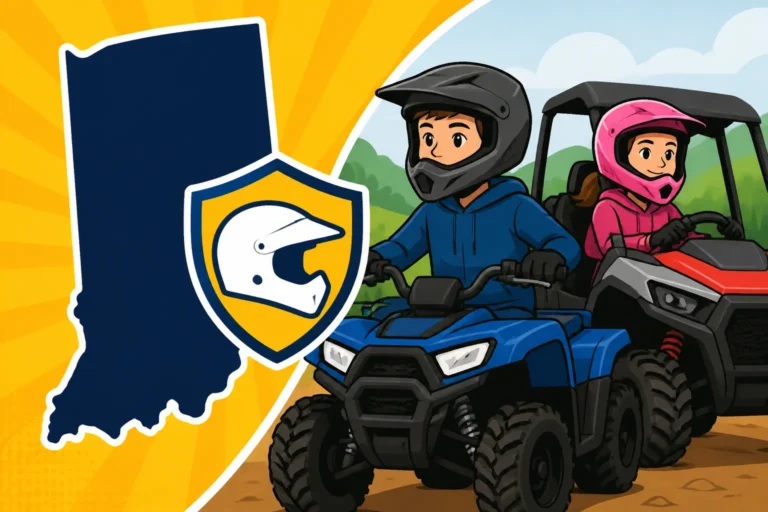
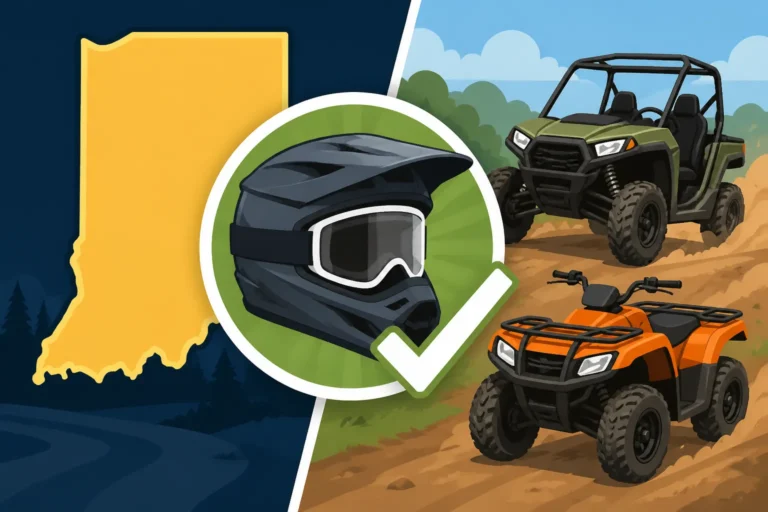
In Indiana, it is legally mandatory for any ORV rider under the age of 18 to wear a U.S. DOT-compliant helmet. This rule applies whether they are riding on private property or at a designated ORV park. This isn't a suggestion; it's a hard and fast rule designed to protect against head injuries, which are among the most serious types of injuries in ORV accidents. A properly fitting helmet can literally be a life-saver. You can learn more about this in [Indiana Helmet Law for ORV Riders] and [Indiana Helmet Law on Private Property].
When selecting a helmet, ensure it fits snugly, is comfortable, and doesn't obstruct vision. A helmet that's too loose can shift during a fall, offering little protection, while one that's too tight can be distracting. Beyond the helmet, other protective gear is highly recommended:
- Eye Protection: Goggles or a face shield are crucial to protect against dust, debris, and branches.
- Gloves: Protect hands from abrasions and provide a better grip.
- Long Sleeves and Pants: Durable clothing helps prevent scrapes and bruises.
- Over-the-Ankle Boots: Offer support and protection for feet and ankles.
While these aren't always legally mandated beyond the helmet for all situations, they are vital components of a comprehensive safety ensemble for any young rider.
Age-Appropriate Machines
Choosing the right machine for a young rider is just as important as the protective gear they wear. Indiana, like many states, advises against allowing children to operate adult-sized ORVs. Youth models are specifically designed with smaller engines, reduced top speeds, and lighter weights, making them far more manageable for a child's size and skill level. For families looking for specialized parts to ensure a proper fit or enhance safety features on a youth machine, resources from companies like SuperATV can be invaluable for making sure the controls are within reach and the machine handles correctly for smaller riders.
A machine that is too large or too powerful can easily overwhelm a young rider, leading to loss of control and accidents. The industry generally categorizes youth ATVs by engine size and recommends age ranges for each. For instance, a 50cc-70cc ATV might be suitable for ages 6-11, while an 80cc-110cc might be for ages 12-15. These are general guidelines, and a child's individual maturity, strength, and experience should always be considered. Always consult the manufacturer's recommendations for age and weight, and remember that even with an age-appropriate machine, the supervision rules for riders under 14 still apply. Before making a purchase, it’s always wise to review [Indiana Youth ORV Size Rules] to ensure compliance with state guidelines.
Here’s a quick overview of Indiana’s key rules for riders under 14:
| Aspect | Requirement for Riders Under 14 in Indiana |
|---|---|
| Supervision | Mandatory direct parental supervision. An adult must be within visual and audible range, able to communicate and intervene immediately. The supervising adult is legally responsible. |
| Helmet Use | Mandatory U.S. DOT-compliant helmet, regardless of riding location (private or public). This applies to all riders under 18. |
| Riding Locations | Primarily private property with owner permission, or designated public ORV parks (like Redbird or Interlake). Strict restrictions on public roads, highways, and most other public lands. Always check specific park rules. |
| Machine Type | Should be age-appropriate and size-appropriate youth model. Operating an adult-sized ORV is strongly discouraged and can be hazardous due to size, weight, and power differences. Consider modifications from companies like SuperATV to enhance control and safety for smaller riders, such as adjusted controls or added protection. |
| Safety Training | While not legally mandatory for all, an approved ATV safety course is highly recommended. It provides crucial skills and knowledge for safe operation. You can learn more about Indiana Safety Training for Riders. |
| Additional Gear | Recommended: Eye protection (goggles/face shield), gloves, long sleeves/pants, over-the-ankle boots. |
| Registration/Permits | The ORV itself must be properly registered with the Indiana BMV and display a valid decal if used on public lands. If riding at state ORV parks, a valid trail permit is required for the machine. Ensure you have your [Indiana ORV Registration Processing Time] sorted out before your trip. |
Navigating the world of ORV riding with young children requires diligence and adherence to these rules. By prioritizing safety through proper supervision, appropriate gear, and riding in designated areas, you can ensure that your child's introduction to off-roading is both thrilling and safe. Whether it's a new youth machine or a seasoned one made safer with parts from SuperATV, ensuring your rider is protected and properly supervised is the best way to foster a lifelong love for the trails.
Disclaimer
This article is for general informational purposes only and does not constitute professional advice. Laws, prices and regulations vary by location and change over time. Consult a qualified professional for guidance on your specific situation.