Indiana’s ORV Helmet Rule Explained
One of the most common questions and biggest head-scratchers for new and experienced off-road vehicle (ORV) enthusiasts in Indiana revolves around helmets. It can feel like a maze trying to figure out if you, your kids, or your buddies absolutely have to wear one, and where those rules apply. This comprehensive guide is here to untangle the specifics of Indiana's ORV helmet rule, clarifying who needs to wear one, where, and what kind of helmet actually counts, so you can ride safely and legally without the nagging worry of a ticket.
The Foundation of Indiana's Helmet Law for ORVs
Indiana's approach to ORV safety is rooted in common sense, but the specifics can sometimes feel a little abstract until you dig into them. When it comes to helmets, the law draws a clear line, primarily based on age. It’s not just about what feels right; it's about what the law mandates to protect our youngest and most vulnerable riders.
Who Must Wear a Helmet? Age-Based Requirements
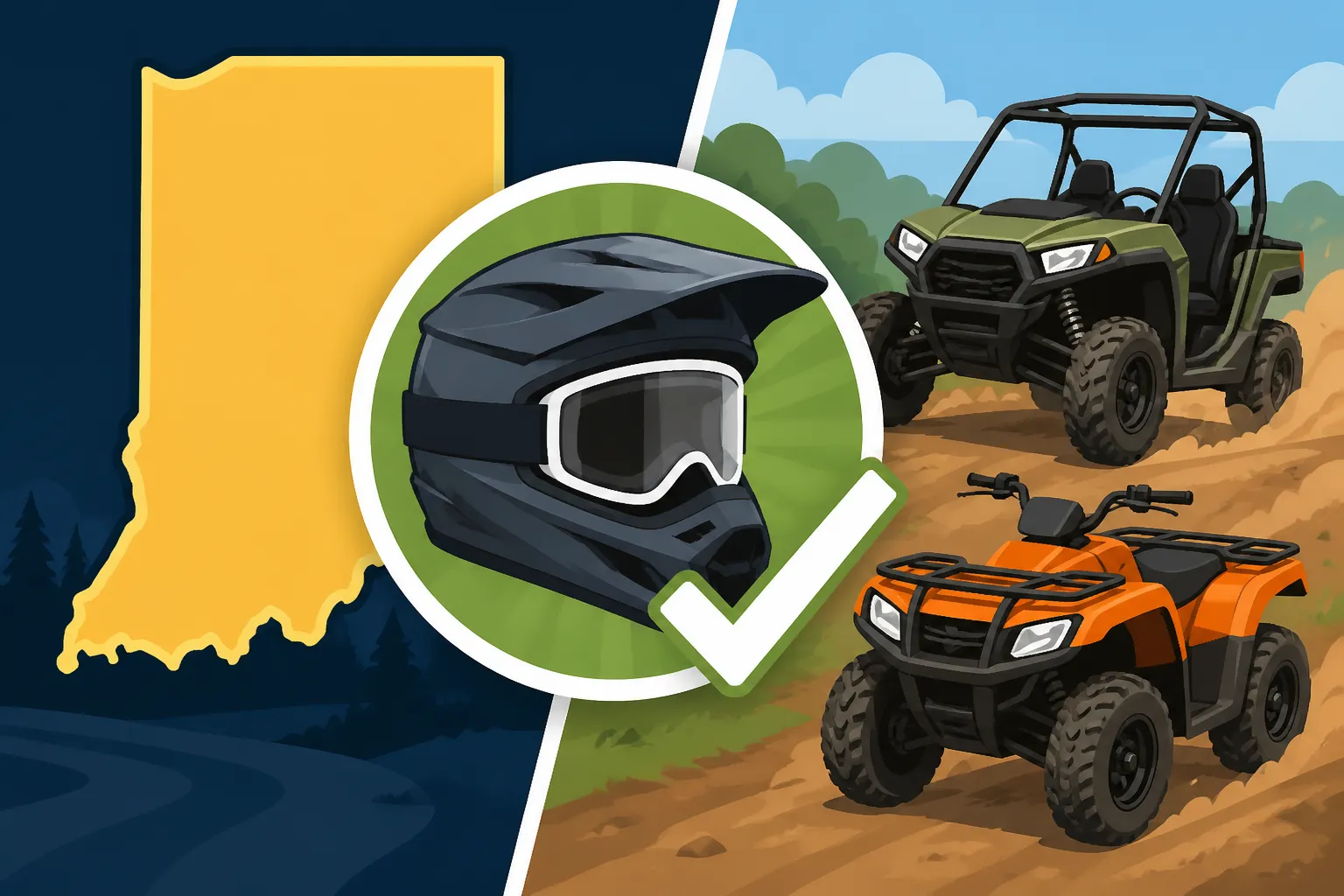
The core of Indiana's ORV helmet law is pretty straightforward: if you're under the age of 18, you must wear a helmet when operating or riding as a passenger on an ORV. This isn't a suggestion; it's a legal requirement designed to protect minors who might not fully grasp the risks involved in off-road riding or who simply have less experience and quicker reaction times. Think about it: a child or teenager's developing brain is particularly susceptible to serious injury in an accident, and a helmet significantly mitigates that risk.
This rule applies whether they are driving a dirt bike, an ATV, or even riding as a passenger in a side-by-side, unless specific exemptions (which we'll get into later) come into play. It doesn't matter if they're a seasoned rider who's been on two wheels since they could walk; the age dictates the legal obligation. Many parents find this rule helpful, as it provides a clear boundary for their kids and a non-negotiable safety measure they can point to.
It's crucial for parents and guardians to understand that this isn't just a recommendation from a well-meaning safety advocate; it’s enshrined in Indiana statute. You, as the adult responsible, could face consequences if a minor under your supervision is caught riding without the proper head protection. We’ll discuss those potential penalties further on, but suffice it to say, ensuring a helmet is on is the simplest way to avoid trouble and, more importantly, keep your young rider safe. This rule ties directly into [Indiana's Helmet Law for Riders Under 18] and is a key part of responsible ORV operation in the state.
Understanding "Off-Road Vehicle" in Indiana Law
So, what exactly does Indiana consider an "off-road vehicle" for the purposes of this helmet law? The state defines an ORV as a motorized vehicle that is not a low-speed vehicle or a golf cart, and that is designed for or capable of travel over unimproved terrain. This typically includes the ATVs (all-terrain vehicles), UTVs (utility terrain vehicles, often called side-by-sides), and off-road motorcycles (dirt bikes) that we all know and love to ride.
This definition is important because it delineates which machines fall under the helmet rules. If you're riding a true ORV, then the under-18 helmet mandate applies. However, if you're on something like a golf cart or a low-speed vehicle, which have different classifications and intended uses, the ORV helmet laws generally won't apply to them, though they might have their own specific safety regulations. The key takeaway is the "designed for or capable of travel over unimproved terrain" part of the definition.
Knowing this definition helps to clear up any confusion you might have when you're looking at different types of machines. It ensures that the protective measures are applied to the vehicles that inherently carry a higher risk of off-road incidents due to their design and the environments they operate in. It’s also why you’ll see specific registration requirements for these machines, distinct from other vehicles.
Where the Indiana Helmet Rule Applies: Public vs. Private Land
A common point of confusion for ORV riders, especially those new to the sport or visiting from out of state, is whether helmet laws apply universally or if they change depending on where you're riding. Many assume that if they're on private land, they're exempt from state laws, but this isn't always the case, particularly when it comes to the safety of minors.
Helmets on Indiana's Public Riding Areas
When you head out to popular spots like [Redbird Off-Road State Recreation Area] or [Interlake Off-Road State Recreation Area], the rules about helmets for minors are strictly enforced. These are state-run parks, and conservation officers are vigilant about ensuring everyone, especially riders under 18, complies with the law. They're not just trying to give you a hard time; they're working to prevent serious injuries in environments that, by their very nature, present various challenges and potential hazards.
At these public areas, expect the "under 18, wear a helmet" rule to be a non-negotiable. Park staff and officers often perform checks at the gate or on the trails. If a minor in your group is spotted without a helmet, you could face immediate consequences, from being asked to leave the park to receiving a citation. It’s a pretty straightforward deal: if you want to enjoy the fantastic trails Indiana has to offer, you need to play by the rules, and that includes proper head protection for younger riders. [Indiana Helmet Rules at a State ORV Area] are clearly posted and are part of the overall safety guidelines for these recreational hubs.
Beyond state-run parks, any public land that allows ORV riding will also fall under these same state regulations. This includes any county roads that have been specifically designated for ORV use (though these are rare and highly regulated in Indiana), or other areas managed by state agencies. It’s always a good practice to confirm the rules for any specific public riding spot before you trailer your machine, but assume the under-18 helmet rule is a constant.
The Rule on Private Property and Farm Land
Here's where it often gets tricky and misconceptions run rampant. Many ORV owners in Indiana believe that if they're riding on their own property, or on a friend's farm with permission, state laws simply don't apply. While there's a degree of truth to this for some regulations, the [Indiana Helmet Law for Riders Under 18] generally extends to private property as well. This is a common point of contention and can catch people off guard.
The general principle is that state law governs the safety of minors regardless of the land's ownership. So, if your 14-year-old is tearing around your back forty on their dirt bike, they are still legally required to wear a helmet. This is an important distinction, because the intent of the law is to protect young people from injury, not just to regulate public access. It's not about public exposure; it's about the inherent risks of operating an ORV.
Now, enforcement on private land might be different than at a state park. A conservation officer isn't likely to patrol your private farm looking for helmet violations. However, if there's an accident involving a minor without a helmet on private property, the legal ramifications, including liability for the landowner or supervising adult, can be severe. It’s a good rule of thumb to consider that [Do You Need a Helmet on Your Own Land?] — the answer, for minors, is almost always yes. It's why many experienced riders will tell you, "Why the rule follows a rider everywhere." Safety, after all, isn't just for public display.
Exemptions and Specific Scenarios: When Helmets Aren't Required (or are they?)
While the general rule for minors and helmets in Indiana is quite clear, there are specific scenarios and machine types that offer some exemptions or require a closer look. Understanding these nuances is key to staying safe and compliant, especially if you own a side-by-side or have adult riders in your group.
Enclosed Cabs and Seat Belts: The UTV Exception
For those riding in UTVs, often referred to as side-by-sides, there's a significant exception to the helmet rule, particularly for older riders and for those vehicles equipped with certain safety features. In Indiana, if an ORV has an enclosed cab (meaning it has a roof and windshield) and is equipped with seat belts, occupants aged 18 and older are generally not required to wear a helmet. For younger riders under 18, if they are within an enclosed cab and properly restrained with a seat belt, they are also exempt from the helmet requirement. This is the heart of [The Enclosed Cab Exemption in Indiana].
This exception acknowledges that an enclosed cab, combined with the use of a seat belt, offers a substantial level of protection in many types of accidents, similar to a traditional automobile. It’s a nod to the evolving design of UTVs, which have become increasingly sophisticated and often come with factory-installed safety features. However, it's absolutely critical to remember that both conditions must be met: the enclosed cab and the use of seat belts. If you have an open-air side-by-side with just a roll cage, the enclosed cab exemption does not apply, and minors under 18 would still need to wear helmets. This is often where companies like SuperATV come in, offering aftermarket roofs, windshields, and doors that can help your UTV qualify for such exemptions, though always ensure your setup meets the legal definition.
It's also worth stressing that even with the exemption, many riders choose to wear helmets in UTVs for added protection, especially when tackling challenging terrain. The exemption is about the legal requirement, not necessarily the maximum safety recommendation. Remember, even an enclosed cab won't protect your head from every possible impact, particularly in extreme rollovers or collisions. So, while you might not be legally required to strap on a helmet in your enclosed, belted UTV, it’s always a good idea to assess the risks of your ride and make the safest choice. This rule also clarifies [Why Under-18 Riders Wear Helmets in a UTV] unless these specific conditions are met.
The "Over 18" Rule: Personal Choice and Recommendations
For adult riders aged 18 and over in Indiana, the state law does not mandate helmet use on ORVs. This means if you're an adult riding your ATV or dirt bike, you are legally free to choose whether or not to wear a helmet. This is often a relief for seasoned riders who prefer the unrestricted feel, but it comes with a significant caveat: personal safety.
While the law might not require it, almost every safety organization, experienced rider, and emergency responder will strongly recommend wearing a helmet regardless of your age. The risks associated with ORV riding—falls, collisions, rollovers, impacts with trees or obstacles—are just as real for adults as they are for minors. A head injury can be life-altering, and a helmet is the single most effective piece of gear for preventing such tragedies.
So, while the law grants you the freedom of choice, consider the profound implications of that choice. Many adults who ride regularly still opt for a helmet, not because they have to, but because they understand the inherent dangers of the sport and value their own well-being. It’s about being proactive about your safety, rather than waiting for an incident to highlight the importance of protective gear. If you are an adult, you are free to make your own decision, but that decision carries significant weight.
What Kind of Helmet: DOT Approval and Safety Standards
It’s one thing to know that a helmet is required, but it’s another to understand what actually qualifies as a protective helmet under Indiana law and for practical safety. Not all headwear is created equal, and a flimsy hat or a helmet designed for a different sport simply won't cut it.
The Importance of DOT Certification
When Indiana law or park regulations specify "a helmet," they're not talking about just any helmet. They mean a helmet that meets federal safety standards, typically indicated by a Department of Transportation (DOT) certification sticker. This DOT sticker, usually found on the back of the helmet, signifies that the helmet manufacturer has tested the helmet and certified it meets the minimum performance standards set by the U.S. government for motorcycle and ORV helmets.
Why does this matter so much? A DOT-certified helmet is designed to protect your head from serious impact by absorbing and distributing energy, preventing skull penetration, and staying securely on your head during a crash. A novelty helmet, often sold with minimal padding and flimsy construction, offers virtually no protection in a real-world ORV accident. You might look cool, but you won't be safe. This distinction is critical, and it's why you might find that [Why a Novelty Helmet Fails at the Interlake Gate] – park rangers are trained to spot inadequate gear and will prioritize your safety (and their park's liability).
So, when you're shopping for a helmet for yourself or a minor, always look for that DOT sticker. It's your assurance that the helmet provides a baseline level of protection. Don't skimp on this; a quality helmet is an investment in your safety and well-being. Checking for a [Checking for a DOT Sticker Inside Your Helmet] should be standard practice before any purchase.
Beyond the Helmet: Other Essential Safety Gear
While the helmet is paramount, especially for young riders, it's just one piece of the overall safety puzzle when you're out on Indiana's diverse trails. Relying solely on a helmet, while neglecting other protective gear, is like patching one hole in a leaky boat. To truly minimize risks and enjoy your ride, consider a full complement of safety equipment.
Eye protection is crucial. Whether it's goggles that fit snugly with your helmet or impact-resistant glasses, keeping mud, dust, branches, and insects out of your eyes is essential for maintaining clear vision and preventing injury. Indiana's trails, particularly at places like Redbird with its reclaimed mine terrain, can kick up a lot of debris. Just ask anyone who's had a rock fly into their eye at speed – it's not fun.
Beyond the head and eyes, consider gloves for grip and protection, long sleeves and pants to guard against scrapes and sunburn, and sturdy over-the-ankle boots to protect your feet and ankles. The terrain at places like Interlake can be unforgiving, with rocks, roots, and uneven surfaces that can easily twist an ankle or cause a nasty cut. Investing in this gear is part of being a responsible rider, showing respect for the sport and for your own body. For instance, SuperATV offers a range of durable gear and accessories designed to enhance rider safety and comfort, from protective windshields for UTVs to general riding apparel. It's not just about meeting the minimum legal requirements; it's about making smart choices for every ride.
Enforcement and Consequences: What Happens if You Don't Comply
Ignoring Indiana's ORV helmet laws, especially regarding minors, isn't just a lapse in judgment; it can lead to tangible legal and financial consequences. It's important to understand what might happen if you or a supervised minor are found to be non-compliant.
Fines and Penalties for Non-Compliance
Operating an ORV or allowing a minor under your supervision to operate or ride as a passenger without a required helmet in Indiana can result in a Class C ORV infraction. A Class C infraction might seem minor, but it still carries a penalty, typically a fine. While specific fine amounts can vary, they are certainly enough to make you wish you'd just put the helmet on in the first place. You're looking at a penalty that can start in the lower hundreds of dollars for a first offense. This is what [What a Class C ORV Infraction Costs in Indiana] refers to.
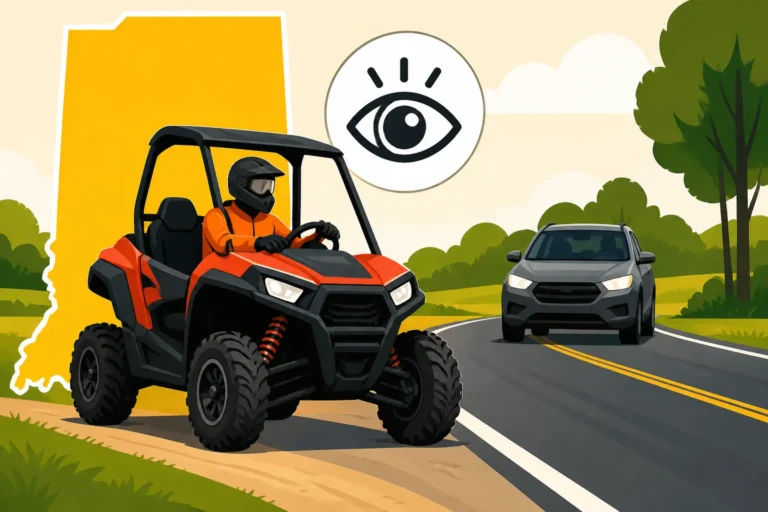
Beyond the initial fine, repeated offenses can lead to higher penalties. More importantly, getting a ticket disrupts your day of riding and can put a damper on your entire trip. Conservation officers and other law enforcement personnel at public riding areas, or even on county roads designated for ORVs, have the authority to issue these citations. When an officer pulls you over, they'll check for several things, and a missing helmet on a minor is a definite red flag. This is part of [What an Indiana Officer Checks Roadside] during a stop.
It's also worth considering the long-term implications. A citation goes on your record, and while it might not be a criminal charge, it's still a legal mark. The easiest way to avoid all this hassle is simply to ensure that everyone, especially those under 18, has a properly fitted, DOT-certified helmet securely on their head before the engine even turns over.
The Owner's Responsibility and Liability
Here’s a critical point that often gets overlooked: in Indiana, the owner of an ORV can be held liable for violations, even if they aren't the one operating the machine at the time. This is especially true when it comes to supervising minors. If you lend your ATV to a teenager who then rides without a helmet and gets cited, you as the owner could also face an infraction. This concept is detailed in [Why an Indiana Owner Is Liable].
Imagine this scenario: you take your nephew, who is 15, to [Interlake Off-Road State Recreation Area]. He’s an experienced rider, but in the excitement, he forgets to put his helmet back on after a water break. A park ranger sees him. Not only could your nephew be stopped, but you, as the supervising adult and potentially the owner, could be cited for allowing a minor to operate an ORV without proper safety equipment. [When a $500 Fine Lands on the Owner] illustrates the gravity of this. This is why [Indiana Supervision Rules for Minors] are so important; it's not just about being present, but about ensuring compliance with all safety regulations.
Beyond legal penalties, there's the much larger concern of liability in case of an accident. If a minor riding your machine without a helmet sustains a head injury, the legal fallout could be devastating. Insurance companies might balk at covering claims if safety regulations were clearly ignored. Being a responsible ORV owner means more than just maintaining your machine; it means ensuring that anyone who rides it, especially those legally required to wear a helmet, does so every single time. Safety is a collective responsibility, and as the owner, a significant portion of that burden rests on your shoulders.
| Rider Age | Machine Type | Helmet Required? | Notes |
|---|---|---|---|
| Under 18 | ATV | Yes | Always required. |
| Under 18 | Dirt Bike | Yes | Always required. |
| Under 18 | UTV (Open) | Yes | Open cab UTVs require helmets for minors. |
| Under 18 | UTV (Enclosed & Belted) | No | Exemption IF enclosed cab AND seat belts are used. |
| 18 and Over | ATV | No (Recommended) | Not legally required, but strongly advised for safety. |
| 18 and Over | Dirt Bike | No (Recommended) | Not legally required, but strongly advised for safety. |
| 18 and Over | UTV (Any) | No (Recommended) | Not legally required, but strongly advised. Applies to passengers too. |
Disclaimer
This article is for general informational purposes only and does not constitute professional advice. Laws, prices and regulations vary by location and change over time. Consult a qualified professional for guidance on your specific situation.