Indiana Supervision Rules for Minors
It's no secret that getting out on the trails with your kids can be one of the most rewarding experiences as an off-road enthusiast here in Indiana. But let's be honest, the rules and regulations around minors riding ATVs and UTVs can feel like navigating a dense, unmarked trail itself. Between age limits, supervision requirements, and understanding where you can even ride, it's easy for parents and guardians to feel overwhelmed and worried about accidentally breaking the law. This guide is here to untangle those knots, giving you a clear, comprehensive understanding of Indiana's supervision rules for minors, so you can focus on making lasting memories safely and legally.
Understanding Indiana's Age and Supervision Requirements
When it comes to off-road vehicles (ORVs) in Indiana, the law takes a very clear stance on young riders. It's not just about letting your child hop on a machine; it's about ensuring their safety and the safety of everyone around them. The state has put specific guidelines in place to protect our youth, and understanding these is your first step toward responsible riding.
Who is Considered a Minor for ORV Riding?
In Indiana, anyone under the age of 18 is generally considered a minor. However, when it comes to operating ORVs, the rules become more granular, specifically focusing on those under 14 and those between 14 and 17 years old. For children under 14, the rules are particularly stringent because of their developing motor skills, judgment, and physical size. This distinction is absolutely crucial because it dictates when and how supervision must occur, whether you're ripping through the mud at Redbird or just cruising on your own private land. The law acknowledges that a seven-year-old on a youth quad needs a different level of oversight than a seventeen-year-old on a larger machine. It's about protecting them from themselves and from potential hazards they might not yet be equipped to handle.
When is Supervision Absolutely Required?
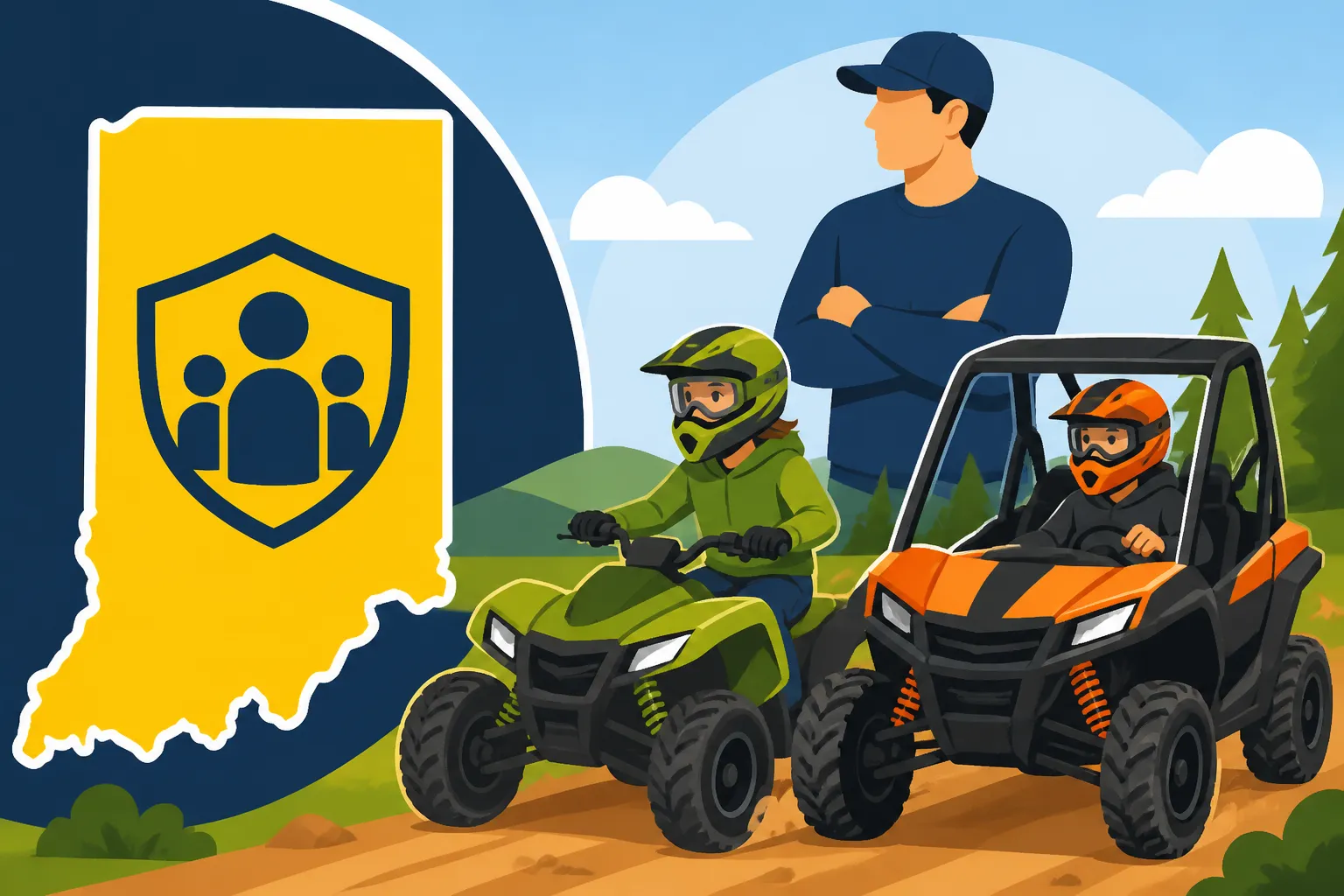
Here's where it gets critical: if your child is under 14 years of age, they must be under the direct supervision of an adult when operating an ORV. There's no wiggle room here. This isn't just a suggestion; it's a legal requirement designed to prevent accidents and ensure immediate intervention if something goes wrong. This rule applies across the board, whether you're at one of Indiana's state parks like Interlake, a private riding park, or even on your own property. It means that the supervising adult has to be present, attentive, and able to respond immediately to any situation.
For riders aged 14 and 15, the direct supervision rule is less strict, primarily requiring supervision if they are riding on certain public lands or designated trails without a valid driver's license. Once a rider turns 16 and possesses a valid driver's license, the direct supervision requirement generally loosens considerably, though specific park or county rules might still have their own age-related stipulations. It's always best to check local ordinances, especially if you plan to ride on specific county roads that have been opened to ORVs, as some, like Vanderburgh County, have an [Vanderburgh's Eighteen-Year-Old Operator Rule]. Knowing the specific [Indiana Minimum Age to Ride Public Land] can help you plan your family's outings safely.
What Qualifies as "Direct Supervision"?
This is often where parents get tripped up. "Direct supervision" isn't just about being in the general vicinity. The Indiana law specifies that a supervising adult must be within visual and audible contact of the minor and be able to provide immediate physical intervention if necessary. Think of it this way: if your child is out of sight, even for a moment, or too far away for you to quickly reach them in an emergency, then you are not providing direct supervision.
For a child riding a youth ATV, this often means the adult must be riding alongside them on another ORV, or walking near enough to grab the handlebars if the child loses control. If your child is riding a side-by-side, and you're in the passenger seat, that generally counts as direct supervision. However, if you're sitting on the porch drinking a lemonade while your seven-year-old is tearing it up in the back forty, that's not direct supervision, regardless of how good your eyesight is. This level of supervision ensures that if a child encounters unexpected terrain, a mechanical issue, or simply loses focus, the adult can act instantly to prevent injury. Companies like SuperATV offer a range of accessories that can enhance safety for youth machines, from full enclosures to protective gear, which can be a good complement to, but never a replacement for, direct adult supervision.
The Responsibilities of a Supervising Adult
Being a supervising adult is more than just being physically present; it's a significant responsibility that comes with a range of duties. When you take on this role, you're not just watching over a child; you're also taking on legal and ethical obligations to ensure their safety and adherence to the law.
Ensuring Rider Safety and Compliance
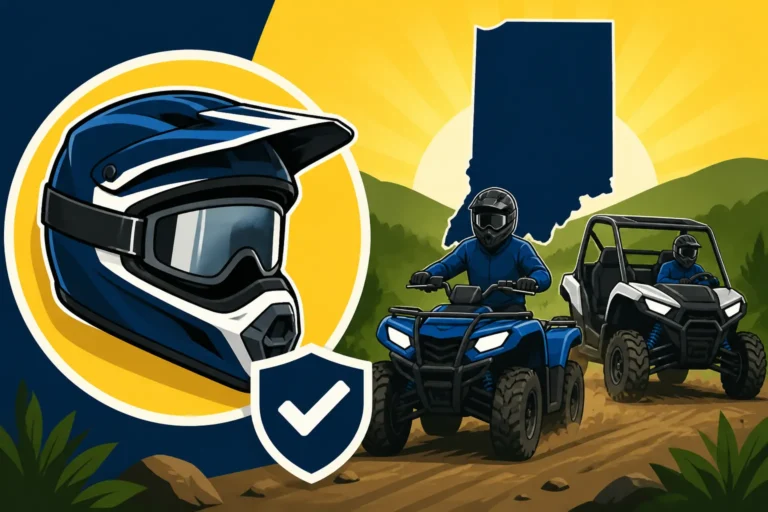
As a supervising adult, you are the primary safeguard. This means you must ensure the minor is always wearing appropriate safety gear, especially a DOT-approved helmet. Indiana's helmet law requires all ORV riders under 18 to wear a helmet, even on private property [Indiana Helmet Law on Private Property]. Beyond helmets, think about eye protection, sturdy boots, gloves, and long sleeves/pants. You also need to verify that the ORV itself is safe and appropriate for the child's size and skill level. Is the machine too powerful? Is it well-maintained? Are the brakes working properly?
Before heading out, you should conduct pre-ride checks on both your machine and the minor's. This includes checking tire pressure, fluid levels, and making sure there are no loose parts. You are also responsible for understanding the trail conditions and ensuring they are suitable for a minor rider. If the trail is too muddy, too rocky, or has features beyond the child's capabilities, it's your job to say no or find an alternative route. Remember, if an incident occurs while you are supervising, the legal consequences, including potential liability, often fall on the adult [Why an Indiana Owner Is Liable].
Understanding the Machine and Terrain
A truly responsible supervising adult doesn't just watch; they understand. This means you should be intimately familiar with the ORV the minor is operating. Know its maximum speed, its handling characteristics, and any safety features it might have, such as speed governors on youth models. You should also have a solid understanding of the terrain you'll be riding. Are there hidden obstacles? Steep drops? Unmarked turns? Is the ground prone to becoming slick after rain?
Matching the machine to the child isn't just about size; it's about matching its power and weight to their experience and strength. A smaller, less powerful machine is always the best starting point. As they gain experience, you can gradually introduce them to more challenging terrain and potentially larger machines, always within legal limits and always under your watchful eye. SuperATV, for instance, offers suspension upgrades and protective elements that can make a machine safer and more capable, but these enhancements are only truly effective when paired with a knowledgeable adult who understands how to use them responsibly on varied terrain.
Navigating Legal and Ethical Obligations
Your responsibilities extend beyond the immediate safety of the child. You must also be aware of and comply with all state and local ORV laws. This includes ensuring the ORV is properly registered with the Indiana Bureau of Motor Vehicles (BMV) and carries the correct [The Indiana ORV Decal Explained]. If you're riding on public land, you'll also need the appropriate trail permits [Indiana ORV Trail Permit Cost].
Ethically, you have a duty to instill good riding habits and trail etiquette in minors. Teach them to respect other riders, follow marked trails, and protect the environment. This means no littering, no riding off designated paths [Indiana Fines for Riding Off a Marked Trail], and understanding how to share multi-use trails safely. You are a role model, and your actions will significantly influence how the minor views and participates in the off-road community. The burden of responsibility for a minor's safe and legal riding experience falls squarely on the supervising adult.
Consequences of Non-Compliance and Best Practices
Ignoring Indiana's supervision rules for minors isn't just a lapse in judgment; it carries real legal and safety consequences. Understanding these repercussions can underscore the importance of strict adherence, while adopting best practices ensures a safer and more enjoyable experience for everyone involved.
Penalties for Unsupervised Riding
The state of Indiana takes the safety of minors very seriously. If a minor under the age of 14 is caught operating an ORV without direct adult supervision, the supervising adult (or in many cases, the owner of the machine) can face significant penalties. This can range from fines for a Class C ORV infraction, which can be costly, to more severe legal action if an injury or property damage occurs. These fines can quickly add up and can be a stark reminder that these rules are in place for a reason.
Beyond direct fines, an unsupervised incident involving a minor can lead to serious complications with your insurance. Many policies have clauses regarding legal operation, and if a claim arises from an ORV being operated illegally (e.g., without required supervision), your coverage could be denied. This leaves you personally responsible for medical bills, property damage, and potential lawsuits. It's a risk simply not worth taking. Remember, the law is designed to protect, and circumventing it only puts children and adults at unnecessary risk. [Lending Your Quad to a Teenager Who Crashes It] is a real scenario with serious financial and legal ramifications for the owner.
Safety Best Practices for Youth Riders
To ensure the safest possible experience for youth riders, adopting a few key best practices can make all the difference:
- Mandatory Safety Training: While Indiana does not strictly mandate an ATV safety course for all riders, it is highly recommended, especially for minors. Courses offered by organizations like the ATV Safety Institute provide invaluable instruction on riding techniques, hazard awareness, and responsible operation. It's an investment in your child's safety and skill development [Indiana ATV Safety Course Options].
- Proper Gear, Always: Beyond the helmet, ensure full protective gear: goggles, over-the-ankle boots, gloves, and durable long pants and sleeves. This gear is designed to minimize injuries from falls, flying debris, and impacts. Don't skimp on quality when it comes to protection.
- Appropriate Machine Sizing: Always match the ORV to the rider's age, size, and skill level. Youth model ATVs and UTVs are specifically designed with lower power outputs, lighter weights, and smaller dimensions to be manageable for younger riders. Avoid the temptation to put a child on a machine that's too big for them to "grow into." Speed limiters on youth machines are a fantastic feature to utilize as they learn. Companies like SuperATV also provide aftermarket accessories that can enhance the safety and control of youth machines, such as upgraded harnesses or improved braking systems, which can be beneficial in conjunction with proper training and supervision.
- Start Slow and Practice: Begin riding in open, flat areas where the child can learn basic controls without obstacles. Gradually introduce more complex terrain as their skills and confidence grow. Constant, patient practice under direct supervision is key.
- Lead by Example: Always follow the rules yourself. Wear your helmet, ride responsibly, and respect the trails. Children learn best by observing the behavior of their role models.
Where Minors Can Legally Ride
Knowing where a minor can ride is just as important as knowing how they must be supervised.
- Indiana State ORV Parks: Redbird Off-Road State Recreation Area and Interlake Off-Road State Recreation Area both welcome youth riders, but strict supervision rules apply, especially for those under 14. These parks often have specific age or machine restrictions for certain trails, so always check with the park office upon arrival or visit the DNR website for current rules. Riders under 16 often need direct parental supervision [Indiana State Park Rules for Riders Under 16].
- Private Property: Riding on your own land or land where you have explicit permission is generally allowed, but the supervision and helmet laws for minors still apply. Always obtain [Indiana Landowner Permission Requirements] in writing if you are not the owner.
- Designated County Roads: A few Indiana counties have opened specific public roads to ORV use. However, these often come with their own age requirements (often 16 or 18 with a driver's license), insurance mandates, and lighting rules. It's crucial to research the specific county ordinances, as some, like [Vanderburgh County's Marked Road Map], clearly delineate where riding is permitted and under what conditions. [Indiana Counties That Allow ORVs on Roads] is a good starting point for your research, but always verify the latest local ordinances.
Specific Scenarios and Common Questions
The world of ORV riding is diverse, and with it come a lot of specific situations that might leave you scratching your head about supervision rules. Let's delve into some common scenarios and questions to clarify how Indiana's laws apply.
Riding on Private Property vs. Public Trails
One of the biggest misconceptions I hear from new riders is the idea that "rules don't apply on my own land." While private property offers more freedom than public trails, it's crucial to understand that Indiana's supervision and helmet laws for minors generally still apply, even on your own property. Specifically, any ORV operator under 18 years of age is required to wear a DOT-approved helmet, regardless of where they are riding. This is a vital safety measure that protects children from serious head injuries, no matter the location. So, whether your child is tearing up the back forty or navigating a designated state trail, that helmet needs to be securely fastened.
The enforcement might differ, of course. A conservation officer at Redbird Off-Road State Recreation Area will be checking for compliance, whereas a local sheriff might only get involved on private property if there's an accident and a minor is seriously injured without a helmet. However, the legal requirement remains. From an ethical standpoint, the goal is always safety, so treating private land riding with the same safety protocols as public land is always the best approach. If you're visiting someone else's private property, always ensure you have [Indiana Landowner Permission Requirements] beforehand.
Side-by-Sides and Enclosed Cabs
Side-by-sides (UTVs) have gained immense popularity, offering a different dynamic than traditional ATVs. This often leads to questions about supervision, especially if the UTV has an enclosed cab.
Here's the general breakdown: if a minor under 14 is operating a side-by-side, they still require direct adult supervision. This often means the supervising adult needs to be in the vehicle with them.
What about helmets in an enclosed cab? This is where a specific nuance exists. Indiana law provides an exemption for helmets if the ORV has a fully enclosed cab and all occupants are wearing seat belts. This is [The Enclosed Cab Exemption in Indiana]. However, it's vital to understand what "fully enclosed" means – it's typically referring to a hard top, doors, and a windshield. Many UTVs, while they have roll cages, are not "fully enclosed" in the legal sense. If your UTV isn't fully enclosed, then any rider under 18, including those inside the roll cage, must wear a helmet. Furthermore, all occupants of a side-by-side, regardless of age, are typically required to wear seat belts whenever the vehicle is in motion, especially on public lands or designated trails [Indiana Seat Belt Rules at an ORV Park]. Always err on the side of caution: a helmet is never a bad idea, even if an exemption applies.
Non-Resident Minors and Visitors
Planning a trip to Indiana from out of state with your family? The good news is that Indiana generally extends its ORV rules, including supervision requirements for minors, to non-residents. So, if your child is under 14 and visiting Indiana to ride, they will still need direct adult supervision.
Indiana does have a specific provision for non-residents called the [Indiana Twenty-Day Visitor Rule]. This rule allows a non-resident to operate an ORV that is legally registered in their home state for up to twenty days in a calendar year without obtaining an Indiana registration. However, this rule applies to the machine's registration, not necessarily to the rider's age or supervision requirements. All safety rules, including helmet laws for minors and adult supervision, remain in effect for everyone riding in Indiana, regardless of their state of residency. So, when planning your visit, make sure you understand both your home state's registration requirements and Indiana's safety rules for minors to ensure a smooth, legal, and enjoyable trip for the whole family. [Indiana Rules for a Visiting Rider] covers these nuances more broadly.
Here's a quick summary to help clarify the main points:
| Rider Age | Supervision Requirement | Helmet Required (Under 18) | Exceptions & Notes |
|---|---|---|---|
| Under 14 | Direct Adult Supervision ALWAYS | Yes | Applies on all land (public/private). Adult must be visible, audible, able to intervene. |
| 14-15 | Generally required on public land/trails without a driver's license | Yes | Supervision may be less "direct" if rider demonstrates competence. Check local ordinances. |
| 16-17 | If no driver's license: often requires supervision on public land/trails. | Yes | If valid driver's license: supervision rules typically ease, but park/county rules may still apply (e.g., [Vanderburgh's Eighteen-Year-Old Operator Rule]). |
| 18+ | No state-mandated supervision for self | No | Helmet still highly recommended. Check specific park/county rules for age limits or insurance requirements. |
Disclaimer
This article is for general informational purposes only and does not constitute professional advice. Laws, prices and regulations vary by location and change over time. Consult a qualified professional for guidance on your specific situation.