Where BMV Registration Money Is Spent
It's easy to look at the fees we pay for our off-road vehicles – whether it's an ATV, UTV, or dirt bike – and wonder where all that money actually goes. We fork over our hard-earned cash, get a little sticker, and then what? This guide is here to pull back the curtain on exactly how Indiana uses the funds collected from your ORV registrations, ensuring every dollar contributes to a better riding experience for everyone.
Understanding Indiana's ORV Registration Fees
When you hit the trails in Indiana, there are a few things that are absolutely essential: your machine, your helmet, and your current ORV registration decal. That little sticker might seem like just a bureaucratic hurdle, but it's actually your ticket to contributing to the broader off-roading community and the state's efforts to manage this exciting sport. It's a fundamental part of responsible ownership in the Hoosier State.
The Cost of Getting Registered in Indiana
Let's be honest, no one enjoys paying fees, but they are a necessary part of the equation when it comes to riding legally and safely. Every time you register an ORV in Indiana, you're investing in the future of the sport. While the specific amounts can shift over time, the state requires a fee for initial registration and subsequent renewals. This is standard practice, whether you're registering a brand-new side-by-side or a well-loved quad you bought from a private seller. The process usually involves a trip to your local Bureau of Motor Vehicles (BMV) branch or, increasingly, online options for convenience.
For new riders, or those bringing a machine into Indiana for the first time, understanding the specific paperwork can feel like a maze. You'll need proof of ownership, like a bill of sale or a title, and if you're ever in doubt about the correct forms, resources like LawDepot can offer templates that help clarify what needs to be included. Even after you've completed all the paperwork and paid your fee, there's a processing period, which is why Indiana has rules like [Indiana's Twenty-One Day Wait for a Decal] before your physical decal arrives. It's all part of the process that your registration money helps fund.
Why We Pay These Fees
The fees aren't just for the sake of collecting money; they serve a vital purpose in ensuring the sustainability and safety of off-road riding in Indiana. Think of it as a membership fee for a vast, statewide club focused on improving the sport for everyone. Without these funds, the infrastructure needed to support ORV use – from trails to enforcement – would simply crumble. The state takes on the responsibility of managing public lands, ensuring safety, and providing facilities for riders, and that all comes with a cost.
It’s about more than just getting your permit to ride; it’s about making sure there are places to ride and that those places are well-maintained and enjoyable. This collective contribution prevents individual landowners from bearing the full burden of trail development or dealing with unregulated riding that could lead to closures. It also establishes a framework for accountability, something that benefits everyone who enjoys a day out on the dirt bike or UTV. The state needs to manage the costs associated with things like [How Indiana ORV Registration Works] and [The Indiana ORV Decal Explained], and your fees directly support these operations.
How Your ORV Registration Dollars Make a Difference
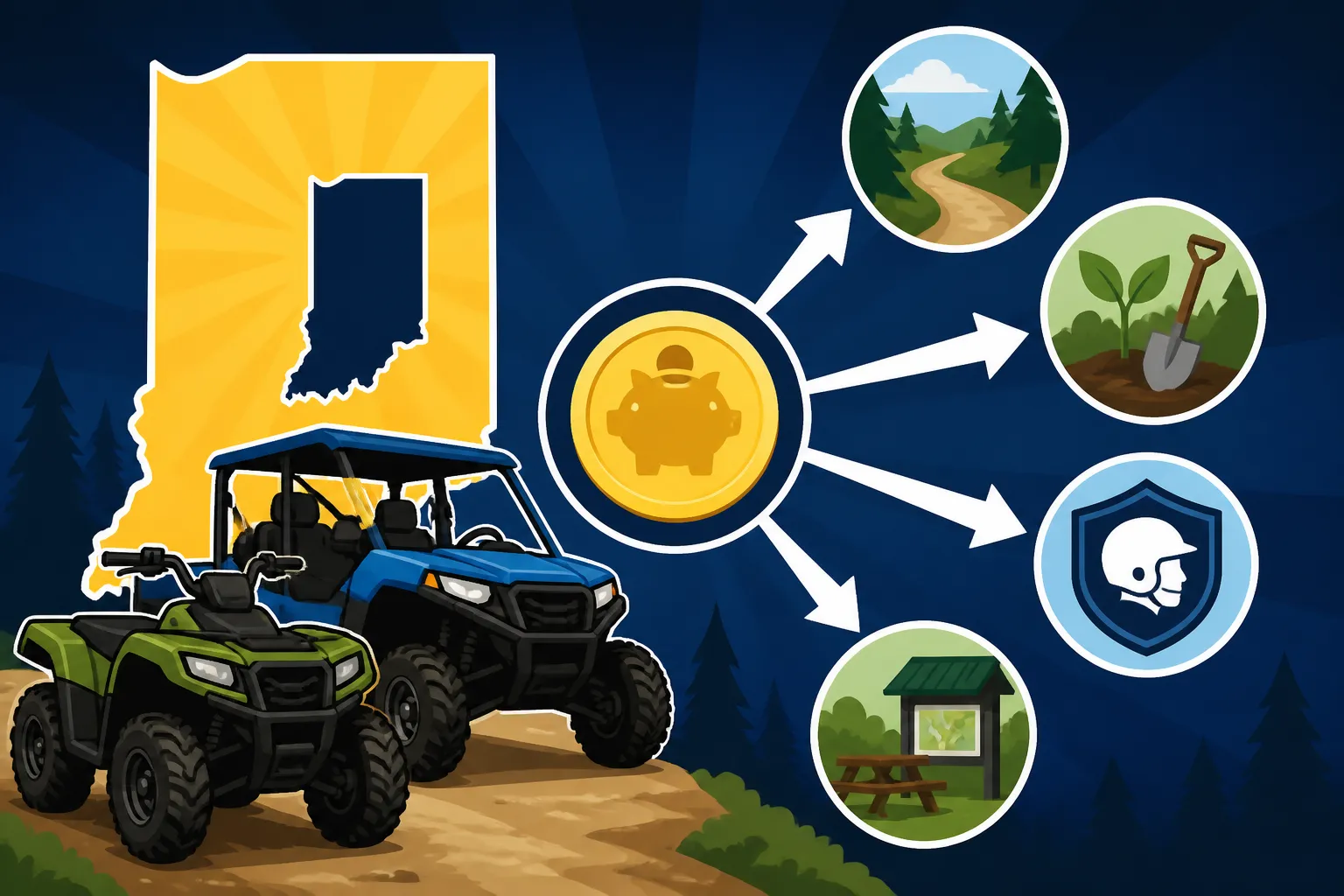
Now, let's get to the heart of the matter. Where does that registration money actually go? It's not just disappearing into a black hole. Indiana has a clear structure for how these funds are utilized, primarily aiming to enhance the off-road riding experience across the state.
Funding Trail Development and Maintenance
A significant portion of your ORV registration fees is funneled directly into the development and maintenance of off-road riding areas. Think about places like Redbird Off-Road State Recreation Area or Interlake Off-Road State Recreation Area. These are massive undertakings, requiring constant care to keep the trails safe, challenging, and enjoyable. That means:
- Building New Trails: Sometimes, new sections need to be cleared, graded, and opened. This requires heavy machinery, labor, and careful planning to ensure environmental impact is minimized. Your fees help cover the costs of these expansion projects, offering more miles of adventure for riders.
- Routine Maintenance: Trails, especially those heavily used by ATVs and UTVs, take a beating. Ruts form, erosion sets in, and obstacles appear. Crews are constantly out there, clearing debris, repairing washouts, building bridges, and ensuring signage is clear. Without this ongoing work, trails would quickly become impassable or dangerous. The dedicated teams working on these state properties are funded directly by user fees, including yours. It's a continuous cycle of wear and tear, followed by dedicated repair, which allows us all to enjoy these precious resources.
- Facility Improvements: Beyond the trails themselves, these riding areas often have staging lots, restrooms, and informational kiosks. Your registration money helps upgrade and maintain these facilities, making your entire visit more comfortable and convenient. Imagine pulling up to a trailhead with ample parking, knowing that the facilities are clean and well-maintained – that's your registration money at work.
Supporting Law Enforcement and Safety Initiatives
Another critical area where your registration dollars are spent is in supporting the enforcement of ORV laws and promoting rider safety. Indiana's Department of Natural Resources (DNR) conservation officers are often the ones patrolling state riding areas, ensuring everyone is following the rules, helping riders in distress, and protecting the natural environment.
- Conservation Officer Presence: These officers are on the front lines, enforcing speed limits, ensuring riders have the proper permits, and checking that machines are registered. Their presence helps deter irresponsible riding and ensures a safer environment for everyone. They also play a crucial role in search and rescue operations when things go awry on the trails.
- Safety Education Programs: While Indiana doesn't mandate an ATV safety course for all riders, funds can be allocated to support voluntary safety training initiatives and educational materials. These programs teach new riders safe operating practices, environmental stewardship, and trail etiquette, ultimately reducing accidents and conflicts. Understanding [Indiana's Helmet Law for Riders Under 18] and other age-related rules is vital, and education helps spread awareness.
- Accident Investigation and Prevention: When incidents do occur, conservation officers investigate, which helps the state understand common causes and implement preventive measures. This proactive approach helps make trails safer over time. Your fees contribute to ensuring these dedicated officers have the resources and training they need to perform their duties effectively, keeping our trails safe and lawful.
Administrative Costs and Oversight
Of course, a portion of the registration fees also covers the administrative overhead involved in running the ORV program itself. This includes the staff and resources at the BMV that process registrations, issue decals, and manage the database of registered vehicles. While it might not be the most exciting use of funds, it's absolutely essential for the system to function smoothly.
- BMV Operations: From printing decals and registration certificates to managing online systems and customer service, the BMV incurs costs directly related to [Registering an ORV in Indiana]. These are the unseen but vital gears that keep the whole machine running.
- Program Management: Oversight of the entire ORV program, including planning for future trail development, coordinating with various agencies, and tracking budgets, also requires resources. This ensures that the funds are allocated efficiently and effectively to where they are most needed, maximizing the benefit for riders. When you consider the effort to keep track of [Indiana's Three-Year ORV Registration] cycle or process a new title for a machine bought after 2009, these administrative costs are understandable.
Here's a simplified look at how those fees generally break down in terms of their purpose:
| Category | Primary Purpose | Examples of Impact |
|---|---|---|
| Trail Development | Creating and expanding ORV riding areas | New trail sections, enhanced difficulty options |
| Trail Maintenance | Upkeep, repair, and environmental restoration | Fixing ruts, erosion control, bridge repairs, clearing debris |
| Law Enforcement | Patrols, incident response, legal compliance | Conservation officers on trails, search and rescue |
| Rider Safety & Education | Promoting safe riding practices | Safety course support, informational signage |
| Facility Improvement | Upgrading amenities at riding parks | Improved parking, restrooms, staging areas |
| Administration | Processing registrations, program oversight | BMV staff, decal printing, online system maintenance |
The Impact on Indiana's Off-Road Community
Ultimately, every dollar collected through Indiana's ORV registration program is an investment in the off-road community. It's about ensuring that the sport can grow responsibly, safely, and sustainably for years to come.
Benefits for Riders and Landowners
The most direct beneficiaries are, of course, the riders themselves. By contributing to the registration fund, you get:
- Designated, Maintained Riding Areas: Instead of having to illegally trespass or search endlessly for private land, riders have access to official, managed trails. This reduces conflicts with landowners and provides a consistent, enjoyable place to ride. For landowners, this means less worry about unauthorized use on their property, as riders are drawn to legitimate trails. [Indiana Trespass Rules for Riders] are important, and well-managed public trails help keep riders where they're allowed.
- Safer Riding Environments: With maintained trails, clearer signage, and the presence of law enforcement, the risks associated with off-road riding are significantly reduced. You're less likely to encounter unexpected hazards or unsafe conditions. This allows everyone to enjoy their passion with greater peace of mind.
- Community Growth: A well-funded and well-managed ORV program helps the sport thrive, attracting new riders and encouraging more people to get involved. This can lead to more events, more clubs, and a stronger voice for off-road enthusiasts in the state. If you're looking to buy a used machine, ensuring the previous owner used a proper bill of sale, perhaps even a template from LawDepot, can make the [Titling an ORV in Indiana] process much smoother for you.
Protecting Natural Resources
Indiana's off-road parks are often situated in areas with unique ecological features. Your registration fees play a crucial role in protecting these natural resources while allowing recreational access:
- Environmental Stewardship: Funds are used for erosion control projects, restoration of sensitive habitats, and waste management within riding areas. This ensures that the beauty of Indiana's landscape is preserved for future generations, not degraded by off-road activity. This includes efforts to control invasive species and manage water runoff, which is critical in preventing long-term damage to ecosystems.
- Sustainable Practices: The money helps implement and enforce policies that promote sustainable riding practices, such as staying on marked trails and respecting wildlife. These guidelines are crucial for balancing recreation with conservation. It's about recognizing that we are stewards of these lands, and our collective responsibility is to leave them better than we found them.
Ensuring Future Generations Can Ride
Perhaps one of the most significant impacts of where BMV registration money is spent is on the long-term viability of off-road riding in Indiana. By investing in trails, safety, and responsible management, we're ensuring that future generations will also have the opportunity to experience the thrill and freedom of ORV riding.
- Long-Term Planning: These funds enable the DNR to engage in strategic planning for the future of ORV recreation, identifying potential new riding areas, improving existing ones, and adapting to changing rider needs and environmental conditions. This forward-thinking approach means that decisions made today will benefit riders decades from now.
- Youth Programs and Accessibility: While not always a direct line item, a healthy ORV fund indirectly supports the creation of riding opportunities for younger riders, often with specific youth-oriented areas at parks like Redbird. This fosters responsible riding habits from an early age and ensures that the passion for off-roading continues to be passed down. Understanding [Indiana Rules for a Rider Under 14] is part of this generational responsibility. The continued investment ensures that these recreational opportunities remain open and accessible for all who wish to participate safely and legally.
So, the next time you affix that little decal to your ATV or UTV, remember that it's more than just a sticker. It's a tangible contribution to a vibrant, well-managed, and exciting off-road scene right here in Indiana. Every dollar genuinely helps maintain the trails, keep riders safe, and protect the beautiful lands we all love to explore.
Disclaimer
This article is for general informational purposes only and does not constitute professional advice. Laws, prices and regulations vary by location and change over time. Consult a qualified professional for guidance on your specific situation.