Indiana Rules for Night Riding on a Trail
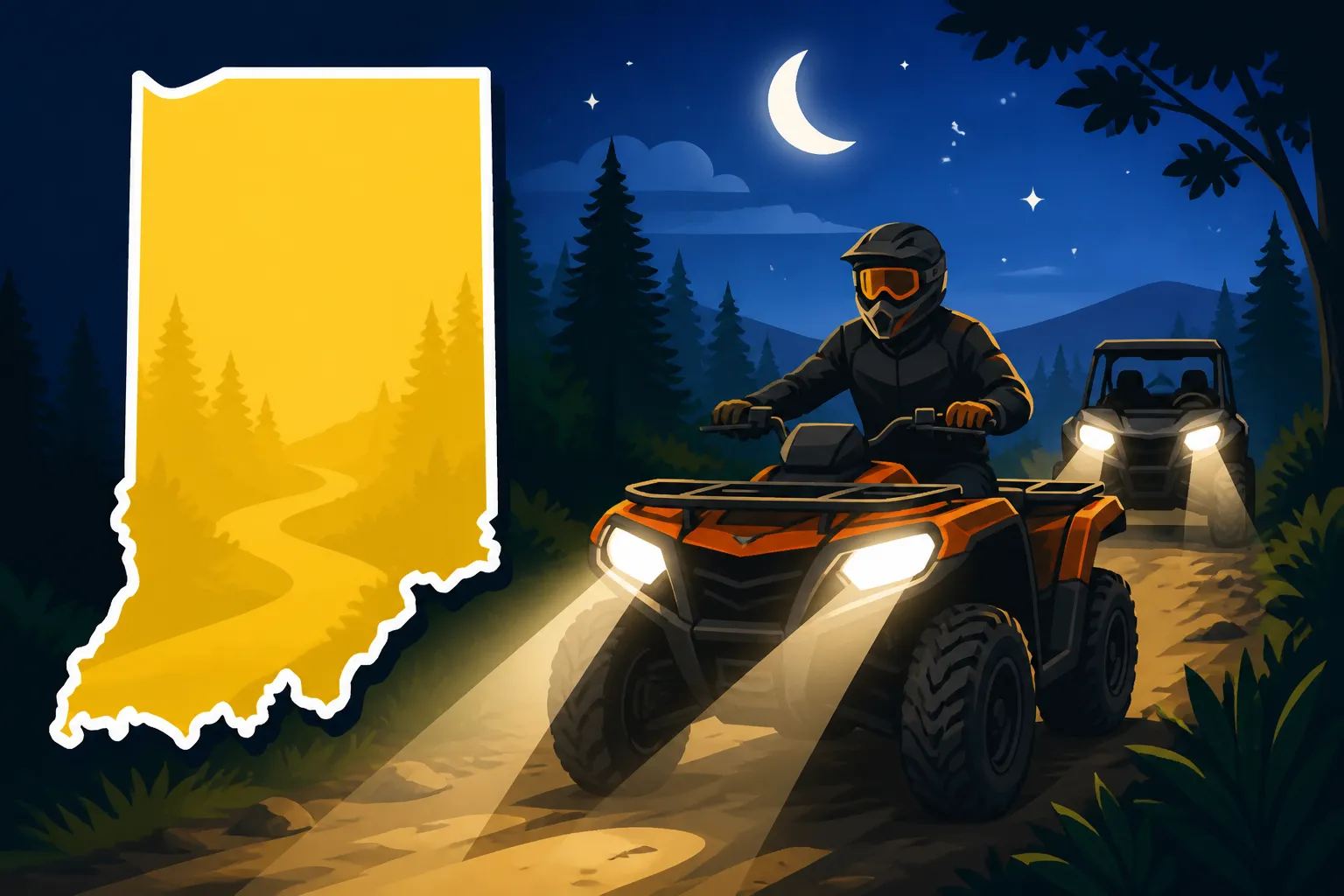
There’s a unique thrill that comes with taking your ATV or UTV out on the trails after the sun dips below the horizon in Indiana. The world transforms, familiar paths take on a new mystique, and the roar of your engine echoes differently under a blanket of stars. However, that magic can quickly turn into a nightmare if you’re not prepared for the specific challenges and rules that come with [Indiana Rules for Night Riding at a Park]. Many riders simply assume their daytime setup is sufficient, only to find themselves struggling with visibility, cold, or even a ticket from a conservation officer. This guide is here to shed light on exactly what you need to know to safely and legally enjoy Indiana's trails after dark, helping you avoid common pitfalls and make the most of your nocturnal adventures.
The Unique Challenges of Night Riding in Indiana
Riding an off-road vehicle during the day is one thing, but venturing out at night introduces a whole new set of variables that seasoned riders and novices alike often underestimate. It’s not just about turning on your headlights; it's about adapting your entire riding strategy and machine setup to a vastly different environment.
Reduced Visibility and Depth Perception
The most obvious challenge, of course, is the profound reduction in visibility. Your headlights, no matter how bright, can only illuminate a finite area directly in front of you. This drastically shrinks your field of vision compared to broad daylight. What might have been a subtle dip in the trail during the day can become a sudden, jarring obstacle at night. Rocks, roots, washouts, and even other trail users can appear out of nowhere, leaving you little time to react.
Depth perception also takes a severe hit. Without the natural shadows and contrasts provided by the sun, it becomes incredibly difficult to judge distances and elevation changes accurately. A small puddle might look like a huge mud pit, or a significant drop-off could blend into the background, creating a dangerous illusion. This can lead to misjudging turns, hitting obstacles harder than expected, or even tumbling down an unseen embankment. It demands a much slower, more cautious riding style, even on trails you know like the back of your hand. You need to rely more on the beam of your lights and less on peripheral vision, constantly scanning for changes in the trail ahead.
Environmental Factors After Dark
Beyond visibility, the Indiana night brings its own set of environmental considerations that can impact your ride. The temperature, for instance, can drop dramatically once the sun goes down, even on a warm summer day. What started as a comfortable afternoon can turn into a surprisingly chilly evening, leaving you shivering if you're not dressed in appropriate layers. Hypothermia isn't just a winter concern; prolonged exposure to cooler night temperatures without adequate clothing can be dangerous.
Wildlife also becomes much more active and unpredictable after dark. Deer, raccoons, coyotes, and other animals are often nocturnal and might dart across the trail without warning. Hitting an animal, especially at speed, can cause serious injury to both you and your machine. Additionally, the sounds of the trail change. The daytime chatter of birds and other creatures gives way to different calls, and the drone of your engine might echo more, potentially startling nearby wildlife or masking the sounds of approaching hazards. Being aware of your surroundings, both visually and audibly, becomes paramount. Also, consider that dew and moisture often settle on surfaces, making rocks and wood bridges slicker than they were during the day.
Essential Lighting Requirements for Indiana Trails After Dark
When it comes to night riding, your lighting system isn't just a convenience; it's a critical safety feature and a legal necessity. Indiana has specific requirements for ORV lighting when operating after dark, and trail systems like those at [Redbird Off-Road State Recreation Area] and [Interlake Off-Road State Recreation Area] often have their own rules layered on top. Failing to meet these standards can lead to fines, accidents, and a truly miserable experience.
Minimum State Lighting Requirements
Indiana law (specifically IC 14-16-1-19) mandates that any ORV operating between sunset and sunrise, or when visibility is reduced to 500 feet or less, must be equipped with certain lighting. This isn't just for public roads or specific trail systems; it applies broadly to any operation of your ORV during these low-light conditions.
You must have at least one headlight that emits a white light visible from a distance of 500 feet to the front. While one is the legal minimum, any experienced night rider will tell you that one stock headlight is rarely sufficient for actual trail riding. It provides a narrow beam, often lacking the spread and intensity needed to properly illuminate varied terrain. Many stock headlights are designed more for "being seen" than "seeing well." Furthermore, your ORV must be equipped with at least one taillight that emits a red light visible from a distance of 500 feet to the rear. This is crucial for other riders to see you from behind, especially when riding in groups or on trails that allow two-way traffic. Reflectors, while helpful, are not a substitute for active taillights.
It's also important to remember that these are minimum requirements. Just because your machine meets them doesn't mean it's optimized for safe night riding on technical trails. The goal isn't just to be legal; it's to be safe and effective.
Recommended Lighting Upgrades for Enhanced Safety
For truly safe and enjoyable night riding, you'll almost certainly want to go beyond the bare minimum. The difference a robust lighting setup makes is astounding. Aftermarket lighting solutions like those offered by SuperATV can transform your night riding experience, turning treacherous shadows into navigable paths.
Here’s what you should consider:
- LED Light Bars: These are perhaps the most popular upgrade. A quality LED light bar mounted on your front bumper or roof provides a much wider and brighter beam pattern than stock headlights. You can get spot beams for long-distance illumination or flood beams for a broader spread, or even a combination. This extra light helps immensely with peripheral vision, revealing obstacles hidden by your stock lights.
- Auxiliary Pod Lights: Smaller LED pod lights can be mounted on your A-pillars or bumper corners to supplement your main light bar or headlights. These are excellent for filling in dark spots or providing dedicated ditch lights, helping you see what’s immediately to the sides of the trail.
- Upgraded Headlight Bulbs: If you're not ready for a full light bar, simply upgrading your stock headlight bulbs to brighter LED or HID options can make a noticeable difference in intensity and beam pattern, often without major modifications.
- Rock Lights/Underglow: While not strictly for visibility on the trail, rock lights mounted underneath your machine can be incredibly useful when navigating rocky sections or performing trailside repairs in the dark. They illuminate the ground directly beneath your vehicle, helping you place your tires precisely.
- Rear-Facing Lights: Consider adding a small, low-intensity red or amber light bar to the rear, especially if you lead a group. This makes you much more visible without blinding riders behind you. Some riders even add a "chase light" bar with multiple colors for signaling.
When installing any lighting upgrades, ensure they are properly wired, fused, and angled correctly to avoid blinding oncoming riders or creating dangerous glare for yourself. Many riders also add a separate switch for their auxiliary lighting so they can easily dim or turn off the powerful lights when approaching other riders or in staging areas.
Here's a quick comparison of stock vs. recommended lighting:
| Feature | Stock/Minimum Legal Lighting | Recommended Night Riding Setup |
|---|---|---|
| Headlights | 1 white light, visible 500 ft forward | 2+ LED headlights, wide beam pattern |
| Taillights | 1 red light, visible 500 ft rear | 2 red taillights, additional rear visibility light |
| Auxiliary Lighting | None required | LED light bar (flood/spot), LED pod lights |
| Visibility Range | Limited, often narrow and dim | Extensive, wide and bright, better depth perception |
| Peripheral Vision | Poor, significant blind spots | Much improved, reduces unseen obstacles |
| Power Consumption | Low | Higher, may require battery/stator upgrade |
| Trail Capability | Basic, high caution needed, slow speed | Confident, better obstacle identification, safer speed |
Park-Specific Rules and Safety Considerations for Night Riding
While state law provides the baseline, individual ORV parks and riding areas in Indiana will often have their own specific rules regarding night riding. It's absolutely crucial to check these before you head out, as they can vary significantly and are enforced by park rangers.
Designated Night Riding Hours and Areas
Not all parts of a park, or even entire parks, may be open for night riding. For example, both Redbird and Interlake are state recreation areas operated by the Indiana Department of Natural Resources (DNR), and they typically operate from sunrise to sunset. This means that general "night riding" as a dedicated activity beyond these hours is often not permitted.
You must always verify the operating hours of any ORV park you plan to visit. Many parks close their gates at sunset, and anyone found on the trails after hours could face trespassing charges or other penalties. Some private parks, however, might offer special night riding events or have specific areas designated for after-dark use. If a park does permit night riding, they will almost always have strict rules about what areas are accessible, what type of lighting is required (often beyond state minimums), and possibly even group size restrictions. It's common for parks to close certain more technical or dangerous trails at night for safety reasons. Always check the park's official website or call their office for the most current information regarding their [Indiana ORV Park Hours].
Helmets, Passengers, and Supervision for Minors
Safety regulations that apply during the day don't suddenly disappear after dark; in fact, they become even more critical. Indiana's helmet law requires all ORV riders and passengers under the age of 18 to wear a DOT-approved helmet, regardless of whether they are on public or private land. This rule absolutely applies to night riding, and in the reduced visibility of darkness, a helmet could be the difference between a minor bump and a serious head injury. Even if you're over 18, wearing a helmet is always a smart choice, especially when the risks are amplified by darkness. You can learn more in [Indiana Helmet Law for ORV Riders].
When carrying passengers, especially at night, ensure your machine is designed for multiple riders and that all passengers adhere to the same safety standards, including helmets for minors. Young riders under 14 years of age must always be under the direct visual supervision of an adult (18 or older) when operating an ORV. This supervision becomes even more vital at night, where the challenges for a young, less experienced rider are significantly magnified. The supervisor needs to be close enough to intervene immediately if there's a problem, which can be tough to maintain when visibility is low.
Finally, always be aware of the "rules of the road" for off-road trails. Maintain appropriate speeds, be courteous to other riders, and yield when necessary. At night, these courtesies are heightened. Blinding another rider with your super-bright SuperATV light bar is not only rude but dangerous. Dim your lights or use your low beams when encountering others.
Preparing Your Machine and Yourself for Indiana Night Trails
Successfully navigating Indiana's trails after dark requires more than just good lighting; it demands thorough preparation of both your machine and yourself. Thinking ahead about potential issues and packing the right gear can make all the difference for a safe and enjoyable experience.
Pre-Ride Machine Checks and Maintenance
Before you even think about hitting the trail after sunset, give your ORV a meticulous once-over. Start with your entire lighting system. Are all your headlights, taillights, and auxiliary lights working properly? Check the wiring for any loose connections or damage that could cause an intermittent failure. A light going out on a pitch-black trail is a serious hazard. If you've upgraded your lighting, ensure your charging system (stator, voltage regulator, battery) can handle the increased electrical load. A dead battery miles from camp because your lights drained it is a scenario you want to avoid.
Next, focus on your tires. Check tire pressure and inspect for any signs of damage like cuts or excessive wear. A flat tire is inconvenient during the day, but at night, it’s a much more complex and potentially dangerous repair. Make sure your brakes are in excellent working order, as you'll be relying on them heavily for controlled stops and slower speeds in reduced visibility. Beyond lighting and tires, check all fluid levels (oil, coolant, brake fluid), and listen for any unusual noises from your engine or drivetrain that could signal a problem brewing. Don't forget to pack a basic tool kit, including tire repair items, and spare fuses for your lighting. Even a simple roll of electrical tape or zip ties can be a lifesaver for temporary repairs in the dark.
Personal Gear and Emergency Preparedness
Your personal preparation is just as important as your machine's. As mentioned, temperatures drop significantly after dark, so layering your clothing is key. Start with a base layer that wicks moisture, add an insulating mid-layer, and finish with a windproof and water-resistant outer shell. Gloves are a must, even on cool nights, to protect your hands and keep them warm.
Beyond clothing, think about what you'd need if you were stranded. Always carry a fully charged cell phone, but don't rely on it exclusively, as cell signal can be spotty in many Indiana wilderness areas. A two-way radio or a satellite communication device can be a lifesaver. Pack a comprehensive first-aid kit that includes items for cuts, scrapes, sprains, and any personal medications. A headlamp or a powerful flashlight (with extra batteries) for each rider is essential for trailside repairs, reading maps, or walking around camp. A small fire-starting kit, a multi-tool, and enough water and high-energy snacks for longer than you expect to be out are also wise additions.
Consider bringing a small, lightweight tarp or emergency blanket for unexpected weather or breakdowns. If you're riding with a group, ensure everyone knows the plan, has necessary emergency contacts, and understands basic first aid. Discuss how you'll communicate if someone gets separated and agree on a turnaround time. Finally, inform someone not on the ride about your route and estimated return time. This way, if you don't check in, someone knows where to start looking. Being well-equipped means you're prepared for adventure, not just trouble, making your night ride truly unforgettable.
Disclaimer
This article is for general informational purposes only and does not constitute professional advice. Laws, prices and regulations vary by location and change over time. Consult a qualified professional for guidance on your specific situation.