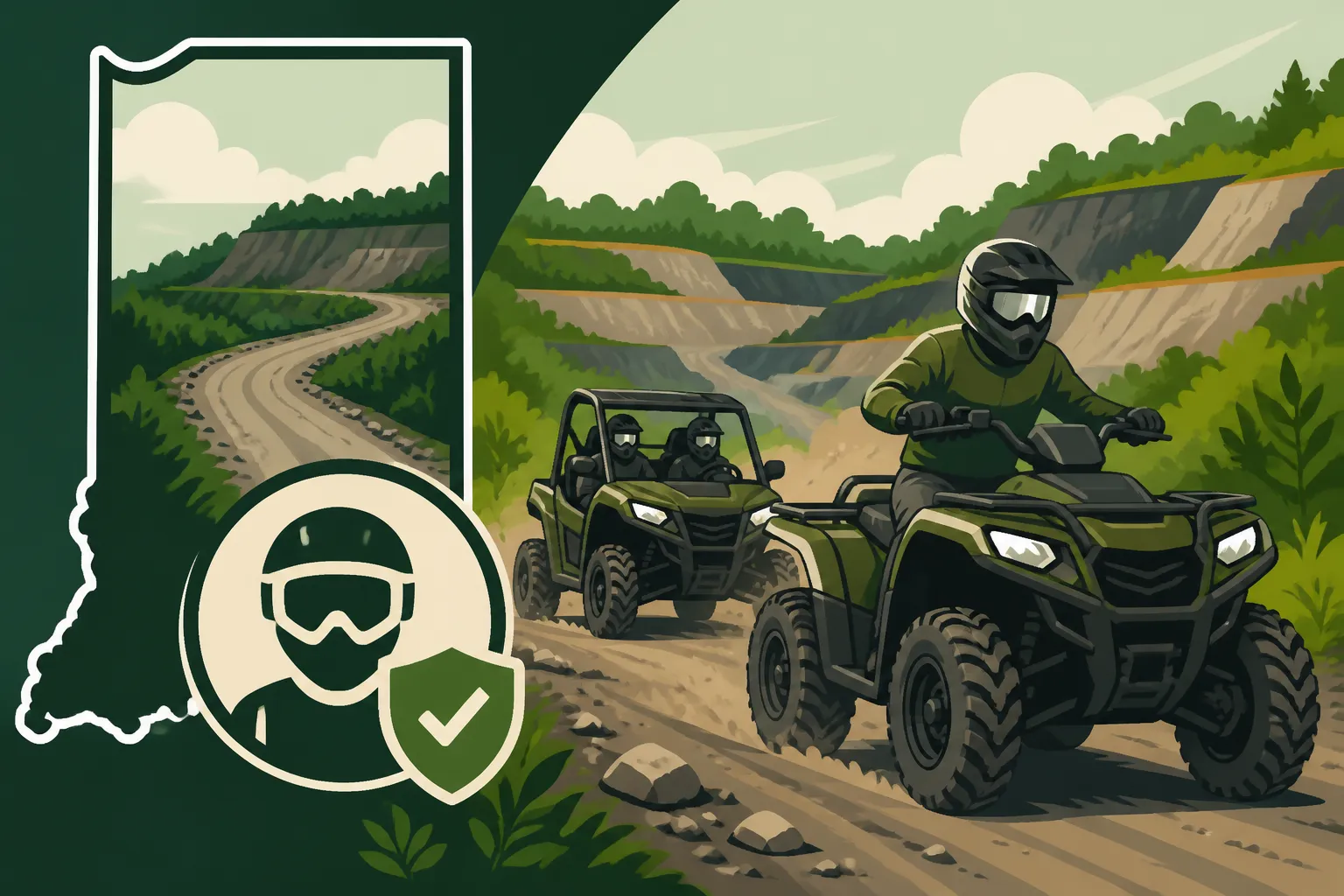
Indiana Rules for Riding a Reclaimed Mine Road
Riding off-road in Indiana offers some truly unique experiences, especially when you find yourself on the trails of a reclaimed mine. These areas, once scarred by industry, have been transformed into exhilarating playgrounds for ATVs and UTVs. But, like any specialized riding environment, they come with their own set of rules and considerations that can be confusing if you're not prepared. This guide will walk you through everything you need to know about legally and safely enjoying these fascinating, challenging, and historically rich riding areas across the Hoosier State.
Understanding Reclaimed Mine Roads in Indiana
When you hear "reclaimed mine road," it might conjure images of desolate, dangerous landscapes, but in Indiana, it's quite the opposite. These are areas that have undergone extensive environmental restoration, turning former coal or aggregate mining sites into designated off-road vehicle (ORV) parks. They offer some of the most diverse and exciting terrain you'll find, from rocky climbs to sprawling mud holes and winding wooded trails. Understanding what these roads are, and where to find them, is the first step to a great riding adventure.
What Makes a Reclaimed Mine Road Unique?
Imagine a landscape forged by heavy machinery, now softened by nature's embrace and sculpted for recreation. That's the essence of a reclaimed mine road. Unlike natural forests or rolling hills, the terrain here is often a mix of spoil piles, which are hills formed from excavated earth and rock, and benches, which are flattened terraces. You'll find a wide variety of soil types, from loose shale and coal fines to dense clay that can become incredibly slick after rain. Water features are common, including man-made lakes and ponds that fill former mining pits, and often, the water itself can take on an orange hue due to mineral runoff, which is a signature of these environments.
This unique geology means the riding experience is constantly varied. You might be navigating tight, technical sections between trees one moment, then tackling a wide-open gravel haul road, only to find yourself climbing a steep, rutted spoil pile the next. The challenges are ever-present, demanding different skills and machine setups, which is part of their appeal. Many riders find the dynamic nature of these parks to be more engaging than traditional forest trails, offering endless opportunities to test their machines and their abilities.
Key Locations for Reclaimed Mine Riding
Indiana is fortunate to host some fantastic reclaimed mine riding areas, with the two prominent state-operated ones being Redbird Off-Road State Recreation Area and Interlake Off-Road State Recreation Area. Redbird, located near Dugger in Sullivan County, boasts about 1,400 acres of diverse terrain. It's known for its challenging climbs, technical sections, and the famous Jeep Badge of Honor trails that even ORVs can tackle. [Redbird Off-Road State Recreation Area] is a true gem for those looking for a thrill.
Further south, straddling Pike and Warrick counties, you'll find Interlake Off-Road State Recreation Area. This sprawling park offers over 3,550 acres and nearly 100 miles of trails, weaving around seventeen lakes that punctuate the landscape. [Interlake Off-Road State Recreation Area] provides a broader mix of riding, from fast gravel roads to muddy bottoms and rocky sections, making it suitable for a wider range of riders and machines. Both parks leverage their reclaimed mine history to offer an exciting, challenging, and memorable riding experience that is distinctly Hoosier.
General Rules and Requirements for Riding
Before you even think about hitting those reclaimed mine roads, it's absolutely crucial to understand the rules. These aren't just suggestions; they are regulations designed for your safety, the preservation of the land, and the enjoyment of all users. Showing up unprepared will quickly turn a fun day into a frustrating one, possibly even ending with a citation.
Permits and Registrations You'll Need
First and foremost, your ORV needs to be properly registered with the Indiana Bureau of Motor Vehicles (BMV). This means having a current registration decal displayed correctly on your machine. Without this [The Indiana ORV Decal Explained], you’re not just breaking park rules; you’re breaking state law. On top of your state registration, you'll need a specific trail permit for riding at state recreation areas like Redbird and Interlake. Indiana offers both daily and annual ORV permits. A daily permit is perfect for a spontaneous day trip, but if you plan on visiting these parks more than a few times a year, an annual permit will quickly pay for itself.
It's also important to remember that these state parks have an entrance fee separate from the ORV trail permit. This might seem like an extra hurdle, but it's standard for DNR properties and helps maintain the facilities beyond just the trails. You'll need to pay this entrance fee each time you visit, or if you're a frequent visitor, consider purchasing an annual state park pass, which covers the entrance fee for all Indiana State Parks and Reservoirs for a full year. Non-residents often pay slightly more for both daily entrance and annual ORV permits, so always check the latest fee schedules. You can usually purchase these permits and pay entrance fees right at the park gate, but many are also available online through the DNR website, which can save you time on busy weekend mornings. For a full breakdown, check out [Indiana ORV Permits Explained].
Safety Gear and Machine Requirements
Safety is paramount when riding reclaimed mine roads, given the variable and often challenging terrain. Indiana has clear requirements, especially concerning helmets. All riders and passengers under the age of 18 are legally required to wear a DOT-compliant helmet, regardless of whether they are on private land or public trails. This rule also applies to those 18 and older when riding ATVs or dirt bikes. While side-by-sides (UTVs) with an enclosed cab may offer an exemption from the helmet rule for adults under certain circumstances, it is always safest to wear one. The terrain can be unpredictable, and a helmet is your best defense against head injury. [Indiana Helmet Rules at an ORV Park] provides more context here.
Beyond helmets, all occupants in a side-by-side must wear their seat belts if the machine is equipped with them. These aren't optional accessories; they're critical safety devices. Your machine also needs to be in good working order, with functional brakes, headlights, and taillights, especially if you plan on riding towards dusk or in areas with dense tree cover. A spark arrestor is also mandatory on your exhaust to prevent wildfires, a standard requirement on nearly all public lands. Many riders also equip their machines with things like skid plates from brands like SuperATV for underside protection, and a winch for self-recovery, given the propensity for mud and challenging climbs on reclaimed mine terrain. These aren't just for extreme riding; they can turn a bad day into a minor inconvenience.
Navigating Specific Challenges and Rules on Reclaimed Mines
Riding reclaimed mine roads isn't just about having the right permits and gear; it's also about understanding the specific nuances of these environments. From respecting the land to coexisting with other users, a mindful approach ensures everyone has a positive experience and that these areas remain open for future generations.
Staying on Marked Trails and Environmental Impact
One of the most critical rules in any reclaimed mine park, and indeed any ORV area, is to stay on marked trails. Riding off-trail can lead to significant environmental damage, including soil erosion, harm to delicate revegetation efforts, and disturbance to wildlife. These areas were once heavily impacted by mining, and the ongoing reclamation process is vital. Going off a designated trail isn't just a minor infraction; it can result in hefty fines and even expulsion from the park. Rangers and conservation officers patrol these areas regularly and are vigilant about enforcing this rule. [Indiana Fines for Riding Off the Trail] highlights the seriousness of such violations.
The reason for the strict "stay on trail" rule isn't just about convenience; it's about the very survival of these parks. The initial reclamation work aims to stabilize the land, but ORV activity has to be managed within specific corridors to prevent undoing that work. Respecting boundary markers, ropes, or signage is paramount. If a trail looks tempting but isn't clearly marked, err on the side of caution and find a designated path. Over time, irresponsible riding can lead to trail closures, impacting everyone who loves these unique landscapes.
Shared Use and Park-Specific Regulations
Reclaimed mine parks often cater to a diverse range of users, not just ORVs. You might encounter hikers, mountain bikers, or even full-size off-road vehicles like Jeeps. Practicing good trail etiquette is essential. Always yield to non-motorized traffic and slow down when approaching others. Dust control is also a common concern, especially in dry conditions; reducing your speed around other users or at staging areas helps minimize its impact. Some parks, like Redbird, are explicitly designed to accommodate both ATVs/UTVs and full-size rigs, meaning you might share wider trails or even specific rock crawling features. [Indiana Rules for a Full-Size Rig on a Trail] can give you an idea of what to expect when sharing.
Beyond general etiquette, each park might have specific local ordinances or rules. For instance, some sections of a park might be designated for youth riders, or certain trails may have width restrictions. It's vital to check the park's official website or the information boards at the gate before you unload your machine. These resources often provide maps, trail difficulty ratings, and specific rules about hours of operation, camping, and even sound limits. Speaking of sound, most parks enforce decibel limits to minimize noise pollution for neighboring communities and other park users. Ensure your machine has a properly functioning muffler and isn't excessively loud to avoid issues. Always remember that what's acceptable on private land might not fly in a public park.
| Aspect | State Registration | ORV Trail Permit (DNR) | State Park Entrance Fee | Helmet for Rider <18 | Seatbelt in UTV | Spark Arrestor | Stay on Marked Trails |
|---|---|---|---|---|---|---|---|
| Requirement Status | Mandatory | Mandatory (for ORV parks) | Mandatory (for State Parks) | Mandatory | Mandatory | Mandatory | Mandatory |
| Source of Rule | Indiana BMV | Indiana DNR | Indiana DNR | Indiana State Law | Indiana State Law | Indiana DNR | Indiana DNR |
| Purpose | Legal Operation | Trail Access | Park Access/Maintenance | Rider Safety | Rider Safety | Fire Prevention | Environmental Protection |
| Where to Get | BMV License Branch | Park Gate/Online | Park Gate/Online | N/A (Gear Purchase) | N/A (Machine Feature) | N/A (Machine Feature) | N/A (Rider Behavior) |
Enforcement and Penalties on Reclaimed Mine Roads
While the vast majority of riders respect the rules, it's important to understand the consequences of failing to do so. Conservation officers and park rangers are regularly present on reclaimed mine roads, and they are fully authorized to enforce all state and park regulations. Ignorance of the rules is never an excuse, and penalties can range from simple warnings to significant fines and even legal action.
What Conservation Officers Look For
When a conservation officer approaches you on a reclaimed mine road, they're typically looking for a few key things to ensure compliance. First, they'll check for your current Indiana ORV registration decal, properly displayed on the forward half of your machine. Next, they'll often ask to see proof of your valid DNR ORV trail permit for that specific park. For state residents, this is usually an annual or daily permit, while non-residents might need to show their out-of-state ORV registration if applicable under the [Indiana Twenty-Day Visitor Rule].
Beyond paperwork, officers will observe your riding behavior. Are you staying on marked trails? Are you operating your machine safely and under control? They'll also check for mandatory safety equipment, such as helmets for all riders under 18 or for any ATV/dirt bike rider. If you're in a side-by-side, they'll confirm that all occupants are properly belted in. Finally, they'll look for mechanical compliance, like a functional spark arrestor on your exhaust. Having your paperwork readily accessible, perhaps in a waterproof bag, and ensuring your machine and riders meet all requirements will make any interaction with an officer quick and stress-free.
Consequences of Breaking the Rules
The consequences for violating ORV rules on reclaimed mine roads can vary depending on the severity and nature of the infraction. Minor offenses, like a misplaced decal or an expired permit (if you're able to rectify it quickly), might result in a warning. However, more serious violations, such as riding without a registration, operating unsafely, or most importantly, riding off marked trails, will almost certainly lead to a citation. Fines can quickly add up, and repeat offenses can lead to more severe penalties.
In some cases, egregious violations could result in your ORV being impounded, or you could be banned from the park altogether. Remember, these reclaimed mine areas are a privilege for us to enjoy, and responsible riding is crucial for their continued operation. Understanding and respecting the rules not only keeps you safe and legal but also helps preserve these fantastic riding opportunities for everyone in the Hoosier State. Always ride smart, ride safe, and respect the unique environment that Indiana's reclaimed mine roads offer.
Disclaimer
This article is for general informational purposes only and does not constitute professional advice. Laws, prices and regulations vary by location and change over time. Consult a qualified professional for guidance on your specific situation.