Crossing a Bridge on a Designated ORV Road
Navigating Indiana's beautiful landscapes on your ATV or UTV can be an absolute blast, but the rules around riding on public roads, especially when it comes to bridges, can feel like a tangled mess of confusion. It's a common worry for riders – you've found a county road that's open to ORVs, but what happens when you hit a bridge? This guide will dive deep into understanding what's allowed and what's not when you're crossing bridges on designated ORV roads across the Hoosier State.
Understanding Designated ORV Roads in Indiana
Before we even get to bridges, it's crucial to grasp what a "designated ORV road" truly means in Indiana. It’s not simply any paved or gravel road you stumble upon. Indiana law, by default, generally closes public roads to off-road vehicles. This means that unless a specific local ordinance or state rule explicitly opens a road, you can't be riding your ORV on it. This creates a patchwork quilt of regulations that can be incredibly frustrating for riders who just want to enjoy their machines responsibly.
How Indiana Law Defines ORV-Friendly Roads
The state of Indiana sets the framework, but it's typically the individual counties that have the power to open their roads to off-road vehicles. This is a critical distinction, as it means what's perfectly legal in Hancock County might get you a ticket just across the county line in a different jurisdiction. When a county decides to open its roads, it usually does so through a local ordinance, specifying which roads, or types of roads, are permissible. These ordinances are designed to give riders more opportunities while also addressing local concerns about safety and traffic flow. It's a careful balance, and it’s why you'll often see specific conditions attached to these open road designations. These conditions can range from specific hours of operation to requirements about lighting or even the age of the operator. Understanding this foundational layer is the first step to knowing if you can legally ride, and subsequently, legally cross a bridge.
It’s not just a free-for-all when a county opens its roads. There are often stipulations about speed limits, times of day when riding is permitted, and even what kind of ORVs are allowed. Some counties might open all their county roads, while others might designate specific routes. For example, some might allow access only to connect trails or to reach amenities like gas stations or restaurants. The nuance here is what often trips up even seasoned riders. Don't assume that because one county near you has embraced ORVs on its roads, the next one over has done the same. Always, always check the local ordinances directly. This might involve a quick call to the county highway department or a search on the county's official website. Many counties, like Vanderburgh, go as far as to create maps to help you navigate, while others might just have a list of approved roads. Checking these resources is key to knowing where you can and cannot ride. You can find more general information here: [Indiana Counties That Allow ORVs on Roads].
Identifying a Designated ORV Road
So, how do you actually know if a road is "designated"? It's not always obvious, and this is where a lot of the rider frustration comes in. Ideally, designated roads would be clearly marked with signage indicating that ORVs are permitted. However, reality often falls short of this ideal. Some counties might have good signage programs, while others might rely solely on their published ordinances. Without clear signs, you, as the rider, bear the responsibility of knowing the local laws. This means doing your homework before you ever load your machine onto the trailer.
A designated ORV road will typically be one that has been officially identified and approved by the local county government for ORV use. This designation usually comes with specific rules. For instance, the ordinance might specify that ORVs are only allowed on county roads that are not within the corporate limits of a city or town. This is a common exclusion, as municipal areas often have their own, stricter rules regarding vehicle operation. These roads also tend to be rural gravel or lower-traffic paved roads, avoiding major thoroughfares or state highways. You won't find yourself riding a UTV down a busy state highway, even if a county road intersects it. The designation is about safety and managing the unique challenges ORVs present when mixing with conventional traffic. If you're unsure, pulling out your phone and looking up the county's ordinance for [How a County Highway Department Designates ORV Roads] is a smart move.
The Specifics of Crossing Bridges on Designated Roads
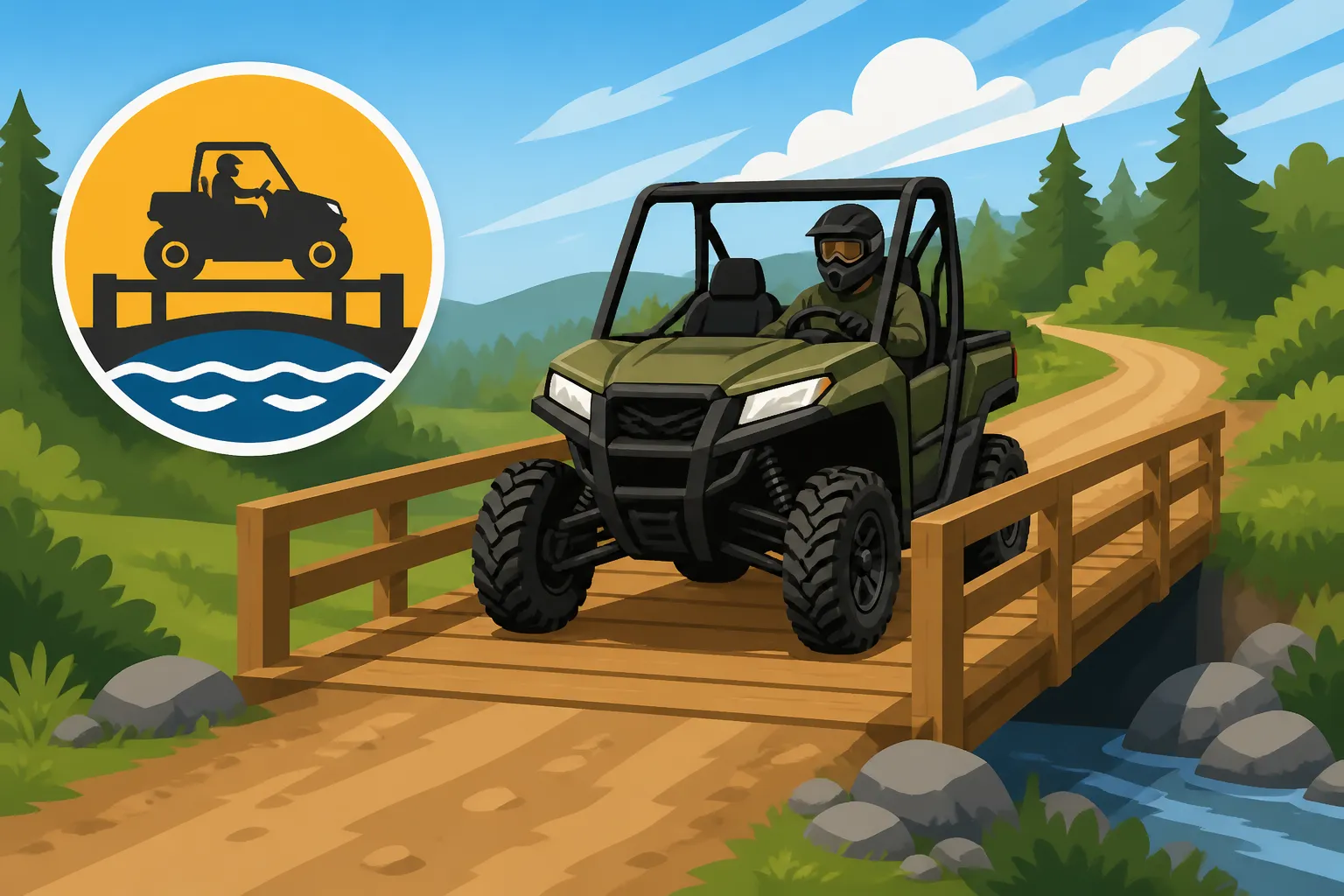
Now, let's get to the heart of the matter: bridges. Once you're on a legitimately designated ORV road, the general rule of thumb is that if the bridge is part of that designated road, then you are typically permitted to cross it. Think of a bridge as simply another segment of the road you're already legally riding on. However, "permitted" doesn't mean "carefree." There are still critical safety considerations and local nuances to be aware of.
Navigating a Bridge: Speed, Caution, and Etiquette
When you approach a bridge on your ORV, even on a designated road, caution is your best friend. Bridges often represent a narrowing of the road, potentially reduced visibility, and sometimes different road surfaces. It's not the time to be pushing the limits of your machine. Always reduce your speed significantly. Not only is this a safety measure for yourself and potential oncoming traffic, but it also shows respect for the infrastructure and other road users. Remember, ORVs often have a higher center of gravity and different braking characteristics than cars, so sudden movements on a bridge can be more hazardous.
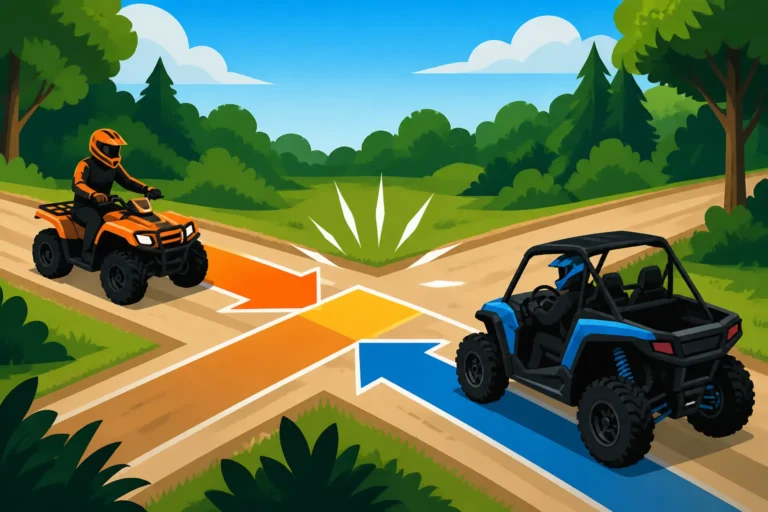
Consider the surface of the bridge itself. While the road leading up to it might be gravel or packed earth, the bridge deck could be pavement, metal grating, or even wooden planks. Each of these surfaces reacts differently to your tires, especially if wet. Metal grates, in particular, can be tricky, potentially causing your tires to slip or wander. Maintain a steady, controlled pace and avoid any abrupt steering or braking. If there's shared traffic, always yield to larger vehicles and maintain a safe following distance. Your goal is to cross the bridge smoothly and safely, minimizing any potential conflict or hazard. Having appropriate tires, like those often found in the SuperATV catalog, can certainly help with traction on varied surfaces, but even the best tires demand cautious driving on a bridge.
What Constitutes a Legal Crossing?
A legal crossing, when it comes to bridges on designated ORV roads, means you are operating your ORV in accordance with all applicable state and local laws for that specific road segment. This includes speed limits, any time-of-day restrictions, and adherence to equipment requirements. For example, if the county ordinance specifies that ORVs must have working headlights and taillights for road use, these must be operational when crossing the bridge, especially at dawn, dusk, or night. The bridge isn't a special exception to the rules of the road; it's an integrated part of it.
If the bridge happens to be part of a state highway or a limited-access road that ORVs are never allowed on, then even if it connects two designated county ORV roads, you cannot legally cross it. This distinction is paramount. You must be certain that the bridge itself falls within the boundaries of the designated ORV road system. A common mistake riders make is assuming that because they can access a road on either side of a major highway, they can simply use the highway's bridge to connect them. This is almost never the case. Designated ORV roads are specifically county roads, and state routes or interstate bridges remain off-limits unless explicitly stated by the state, which is rare for ORVs. Always be mindful of the posted road numbers and signs to ensure you're on a legal route. You can find more detail on general road rules here: [Indiana Rules for Riding a County Road].
Safety and Legal Compliance Beyond the Bridge
Riding on designated ORV roads, including crossing bridges, comes with a broader set of responsibilities. It’s not just about knowing where you can ride, but how you should ride, and what equipment you need to have on your machine. This ensures your safety, the safety of others, and keeps you on the right side of the law.
Essential Gear and Practices for Road Riding
When you're taking your ORV onto designated county roads, even just for short stretches or bridge crossings, your machine needs to be equipped for it. This isn't the same as trail riding in a remote park. Basic requirements usually include working headlights, taillights, and brake lights. Turn signals, while not always explicitly mandated for ORVs in all county ordinances, are always a good idea for clarity when sharing roads with other vehicles. A horn can also be a crucial safety device for alerting others. Beyond the machine itself, consider your personal gear. While Indiana's helmet law primarily applies to riders under 18 or on state-managed lands, wearing a helmet on public roads is a non-negotiable safety practice, regardless of your age or the local rule. The risk of head injury in any collision on a paved or gravel road is significant.
For visibility, wearing bright clothing, perhaps even a reflective vest, is highly recommended. You want to be as visible as possible to motorists who may not be expecting an ORV. This is especially true when riding near sunset or sunrise, or in inclement weather. And don't forget the practicalities: always carry your registration and any proof of insurance, as required by some county ordinances. These items should be secured in a waterproof bag on your machine. Tools to consider adding to your UTV or ATV could include a small air compressor, a tire repair kit, and a basic tool kit. Products from SuperATV, such as their enhanced lighting kits or heavy-duty winches, can contribute to both compliance and preparedness for any situation you might encounter on the road or trail. Ensuring your vehicle is in good working order, with properly inflated tires and functioning brakes, is also critical before any road excursion. Further details on helmet laws can be found at [Indiana Helmet Law for ORV Riders], and lighting requirements at [Indiana Lighting Requirements for ORVs].
Potential Penalties for Non-Compliance
Ignoring the rules, whether it's riding on a non-designated road or failing to have the proper equipment, can lead to some pretty hefty consequences. At best, you might get a warning from a local law enforcement officer or a conservation officer. At worst, you could face significant fines, impoundment of your vehicle, and even legal action if an accident occurs. Fines for illegal ORV use on roads can quickly add up, easily reaching hundreds of dollars for a single infraction. This isn't just a minor inconvenience; it can truly sting your wallet.
An unregistered or improperly equipped ORV could be seen as an additional violation. Remember, even if you’re riding on a designated county road, many of the standard ORV registration requirements still apply. If you're unsure about your machine's status, review [Indiana Fines for an Unregistered ORV]. Furthermore, if you're involved in an accident while riding illegally, your insurance company might deny coverage, leaving you personally liable for damages and medical bills. The financial and legal repercussions far outweigh any perceived convenience of bending the rules. Always prioritize safety and legality. It’s far better to spend a few minutes checking an ordinance or ensuring your lights are working than to face the headache and expense of a citation or an accident.
| Requirement Category | On Designated ORV Roads | On Bridges (as part of designated road) | General ORV Rules (State Parks/Trails) |
|---|---|---|---|
| Legal Status | Allowed by local ordinance | Allowed if bridge is part of designated road | Allowed by state/park rules |
| Speed Limit | Adhere to posted road limits | Reduced speed, extreme caution | Adhere to park/trail limits |
| Lighting | Headlights, Taillights, Brake lights (often required) | Must be fully functional | Often required for dusk/night, highly recommended always |
| Visibility | Bright clothing, reflective gear highly recommended | Critical due to potential narrowness/traffic | Recommended for safety |
| Helmet | Recommended for all, required for under 18 | Recommended for all, required for under 18 | Required for under 18 on public land |
| Insurance | Required by some county ordinances | Required by some county ordinances | Check specific park/trail rules |
| Registration | State ORV registration (BMV decal) required | State ORV registration (BMV decal) required | State ORV registration (BMV decal) required |
| Yielding | Yield to all traffic | Yield to all traffic, especially larger vehicles | Yield to hikers, horses, other ORVs |
| Surface Caution | Awareness of varied road surfaces | Extreme caution for metal grates, changes in surface | Awareness of varied trail conditions |
Disclaimer
This article is for general informational purposes only and does not constitute professional advice. Laws, prices and regulations vary by location and change over time. Consult a qualified professional for guidance on your specific situation.