Supervision That Never Lapses
The thrill of off-road riding in Indiana is something many families love to share, but if you're a parent or guardian looking to take a younger rider out on the trails, you've likely encountered that somewhat intimidating phrase: "supervision that never lapses." It sounds a bit daunting, doesn't it? For parents who just want to share the joy of the trails with their kids, this phrase can feel like a heavy burden, conjuring images of always being within arm's reach. This guide is here to demystify what Indiana truly means by "supervision that never lapses" and provide realistic, actionable advice on how to meet these requirements safely and enjoyably.
Understanding "Supervision That Never Lapses" in Indiana
When Indiana law talks about "supervision that never lapses," it's not asking you to literally have a bungee cord attached to your child or to hover directly over them at all times. Instead, it's about maintaining constant, effective oversight over a minor operating an off-road vehicle (ORV). The intent is clear: to ensure the safety of young riders who might not yet possess the judgment, experience, or physical capabilities to handle unexpected situations on their own. It acknowledges that off-road environments can be unpredictable, and children, particularly those under a certain age, need an adult's immediate guidance and intervention.
This rule is rooted in a desire to prevent accidents and serious injuries. A lapse in supervision, even for a moment, could lead to a child encountering hazards they aren't equipped to handle, riding into restricted areas, or getting into situations where immediate adult assistance is crucial. It’s about being truly present and aware, not just physically near. It’s an acknowledgement that off-road riding, while incredibly fun, carries inherent risks, and those risks multiply significantly when a young, inexperienced rider is involved without proper oversight.
The Legal Framework for Young Riders
Indiana Code defines specific requirements for ORV operation by minors, especially concerning age and supervision. For example, a child under the age of 14 may not operate an ORV without direct adult supervision. This isn't just a suggestion; it's a legal mandate. The law doesn't explicitly state what "direct" means in terms of physical proximity, but the spirit of "never lapses" implies an adult must be able to see, hear, and immediately respond to the child's actions and surroundings. This framework aims to place the responsibility squarely on the supervising adult to ensure the child's safety and adherence to all riding rules.
It’s about more than just having an adult on the property; it means that the adult is actively engaged in monitoring the child's ride. Imagine you're at Redbird Off-Road State Recreation Area, and your 12-year-old is on a youth ATV. [Indiana Rules for a Rider Under 14] dictate that you, as the supervisor, need to be actively observing their ride. This isn't the time to be checking your phone or engaging in a deep conversation with another adult while your child explores a new section of trail out of your immediate view. The law is designed to prevent those kinds of passive supervisory situations that could quickly turn risky.
Active Supervision vs. Passive Presence
This is where the "never lapses" part really comes into play. Active supervision means being fully attentive to the minor's operation of the ORV, the terrain they are traversing, and any potential hazards. It means being close enough to verbally communicate, offer guidance, or physically intervene if necessary. Passive presence, on the other hand, is merely being in the same general area but not actively engaged in monitoring the child. For instance, if you're sitting in your truck at the staging area while your child is riding half a mile away, that's not active supervision. Even if you can technically see them through binoculars, if you can't respond immediately, your supervision has, in effect, lapsed.
Think about it this way: if your child suddenly stalls on a steep hill or encounters another rider coming around a blind corner, how quickly can you react? If the answer isn't "immediately," then your supervision has likely lapsed. Active supervision involves anticipating potential problems, teaching good riding habits, and consistently reinforcing safety rules. It's about having a plan for communication, staying on trails appropriate for their skill level, and ensuring their machine is in top condition – perhaps even upgrading critical components with durable parts from a brand like SuperATV to minimize mechanical issues that could cause a breakdown far from help. [Indiana Supervision Rules for Minors] are in place for a reason, and they require more than just being somewhere in the vicinity.
Age Restrictions and Supervision Tiers in Indiana
Indiana's ORV laws are pretty clear about who can ride, where, and under what conditions, especially when it comes to younger operators. The rules are designed to gradually allow more independence as riders gain age and experience, but there's always a foundational expectation of responsibility from the supervising adult. It's not a one-size-fits-all approach; instead, it acknowledges that a 10-year-old needs different oversight than a 16-year-old.
It's easy to get confused by the different age brackets and what each one entails. The temptation might be to just let older kids handle things on their own, especially if they've been riding for years. However, even experienced younger riders still fall under specific state mandates regarding supervision until they reach adulthood. Understanding these tiers is crucial for any parent or guardian to ensure they're compliant and, most importantly, keeping their young riders safe.
Riders Under 14: Direct and Constant Oversight
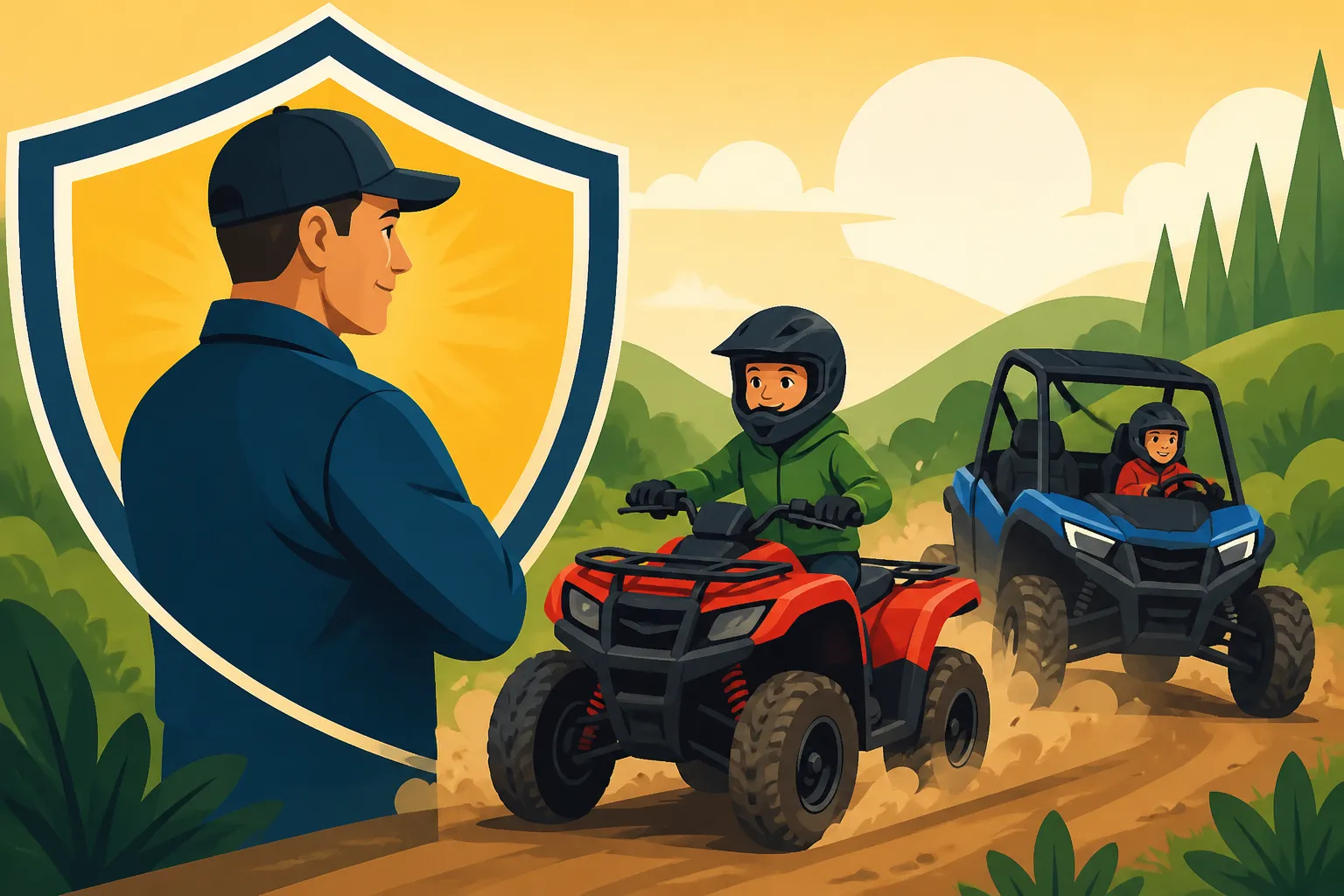
For riders under 14 years of age, Indiana law mandates direct adult supervision at all times. This is the strictest tier, and it means the supervising adult must be within direct sight and sound of the child's operation of the ORV. The adult should also be capable of immediate intervention. This isn't just about watching; it's about being able to step in or provide instructions without delay. It's common for parents to ride their own machine directly behind or alongside their child, especially when they're first learning. This allows for immediate verbal coaching, spotting potential hazards, and being ready to stop if the child gets into trouble.
Consider a scenario at Interlake Off-Road State Recreation Area. Your 10-year-old is on a youth ATV. You should be riding your own machine on the same trail, close enough that if they veer off course, stall, or encounter a difficult section, you can immediately call out instructions, offer help, or physically stop your machine to assist them. This also applies to private property. Even if you're riding in your own backyard, [Indiana Helmet Law on Private Property] still applies, and the direct supervision rule for those under 14 doesn't magically disappear. If you're busy with yard work and your child is riding their quad in another part of the property, that's a lapse in supervision. The spirit of the law expects a focused, dedicated adult presence.
Riders 14 to Under 18: Still Supervised, But With Nuances
Once a rider turns 14 but is still under 18, the direct adult supervision requirement becomes slightly nuanced, though the "never lapses" principle still applies on designated public riding areas. A rider in this age group may operate an ORV if they are "supervised by an individual who is at least 18 years of age and can provide immediate supervision." While the immediate physical proximity might not be as strict as for those under 14, the supervisor must still be able to maintain effective oversight. This often means the adult should be riding with the minor, perhaps allowing a little more distance on straight, clear sections, but always remaining aware and capable of responding.
For example, a 16-year-old with a few years of riding experience might be able to ride a bit ahead of their supervising parent on a well-known, easy trail at Redbird. However, the parent should still be actively monitoring, knowing the trail, and ready to close the gap if the terrain changes or if the teenager encounters unexpected challenges. It's not a green light for unsupervised riding; it's merely an acknowledgement of increased skill and judgment. They are still minors, and their safety ultimately rests with the adult supervisor. This is also where good communication tools can be invaluable, like helmet-to-helmet communicators, ensuring the supervision truly "never lapses" even if there's a slight increase in physical distance. [Indiana Minimum Age to Ride an ORV] highlights these age-based distinctions, emphasizing that even older teens aren't completely free to ride without an adult's watchful eye.
Practical Tips for Ensuring "Never Lapses" Supervision
Successfully providing "never lapses" supervision in the real world means being prepared, proactive, and present. It's not just about following the letter of the law, but truly embracing the spirit of safety for your young riders. This requires more than just showing up at the trailhead; it involves planning, communication, and a careful assessment of both the rider's abilities and the machine's condition. The goal is to create an environment where the child can learn and enjoy ORV riding safely, with the comfort of knowing an adult is always there to guide and assist.
Many parents feel the pressure of this rule, especially when trying to manage multiple children or differing skill levels. However, with a few strategic approaches, you can make supervision effective without it feeling like an overwhelming chore. It’s about being smart and using the tools and resources available to you to maintain that critical oversight.
Staying Within Sight and Sound
This is the most straightforward interpretation of "never lapses." For younger riders, especially those under 14, literally riding behind or alongside them is often the best approach. Maintain a distance that allows for clear verbal communication without yelling and ensures you can see their entire machine and the immediate trail ahead and around them. If you come to a challenging section, you can slow down, provide instructions, or even dismount to spot them. Remember that visibility can change quickly with dust, turns, or elevation changes. Always err on the side of closer proximity in unfamiliar or difficult terrain.
Consider how terrain impacts your ability to supervise. A wide-open field offers much better visibility than a winding, wooded trail. If you're venturing into dense woods or areas with significant elevation changes, you might need to adjust your riding formation to maintain constant visual and auditory contact. Invest in bright, noticeable riding gear for your child, and ensure your own machine is equipped with reliable components, perhaps some aftermarket upgrades from SuperATV, so you’re not dealing with mechanical issues that pull your attention away from your primary duty of supervision. Communication systems, like helmet-mounted radios, can also be a game-changer for maintaining clear contact even with a bit more distance between riders.
Communication and Preparedness
Effective supervision isn't just about what happens on the trail; it's also about preparedness. Before you even head out, have a clear conversation with your child about the rules of the day, including hand signals, communication expectations, and what to do if they get separated or need help. Ensure they know to stop immediately if they can't see you. Carry a cell phone for emergencies (though signal can be spotty in some remote Indiana riding areas) and a basic first-aid kit. Knowing the trail map and having a designated meeting point in case of separation is also a smart strategy, particularly at larger parks like Interlake.
Teach your child to look back frequently to ensure you’re still there. Establish a "check-in" system, perhaps a thumbs-up every few minutes or at every turn. If you’re riding with a group, make sure everyone understands that the young rider is your primary responsibility and that the group will adjust its pace and route accordingly. It’s also wise to check the weather before heading out. A sudden rainstorm can quickly make trails more challenging and reduce visibility, making effective supervision much harder. Having a sturdy cargo box, perhaps one designed by SuperATV, to carry essentials like extra water, snacks, and rain gear, means you're prepared for whatever the trail throws at you.
Gear and Machine Matching
A huge part of ensuring "never lapses" supervision is making sure the child is on an appropriate machine and wearing the right gear. A machine that is too large, too powerful, or too heavy for a child's size and skill level will inherently make supervision more difficult, as the child will constantly be struggling rather than comfortably riding. Ensure the machine is well-maintained and free of mechanical issues that could cause unexpected stops or breakdowns. [Indiana Rules for a Rider Under 14] also emphasize appropriate machine size.
Likewise, proper safety gear is non-negotiable. This includes a DOT-approved helmet (which is mandatory for riders under 18 on public land in Indiana), eye protection, gloves, long pants, a long-sleeved shirt, and over-the-ankle boots. [Indiana Helmet Law for Riders Under 18] states this clearly. Ill-fitting or uncomfortable gear can distract a child, making them less focused on riding and less responsive to your supervision. Before every ride, do a quick check of the child's machine and gear to ensure everything is in working order and fits correctly. A reliable machine and confident rider make for easier, more effective supervision.
Consequences of Failing to Supervise Properly
Ignoring the Indiana laws regarding supervision of minor ORV operators carries more than just theoretical risks; it comes with real, tangible consequences. These aren't just minor infractions; they reflect the state's serious commitment to protecting children from preventable accidents. For parents and guardians, understanding these penalties is crucial, as the responsibility, both legal and financial, often falls directly on them. No one wants a fun family outing to turn into a stressful legal ordeal or, worse, a tragic accident.
The intent of these penalties isn't to punish good-faith efforts, but to underscore the gravity of proper supervision. When you sign up to take a minor out on an ORV, you're taking on a significant responsibility, and the legal system holds you accountable for maintaining that "never lapses" oversight.
Fines and Penalties for Lapses in Supervision
If a conservation officer or other law enforcement official observes a minor operating an ORV without proper supervision as required by Indiana law, the supervising adult (or the owner of the machine) can face fines. These fines are typically classified as a Class C infraction, which can result in a monetary penalty. While specific amounts can vary and change, it's safe to say these aren't just minor slaps on the wrist. A first offense could cost you a significant sum, and repeat offenses can escalate the penalties significantly, potentially including court appearances and higher fines.
It’s not just about the child’s age either. Other violations, such as a child under 18 not wearing a helmet on public land, can also lead to citations for the supervising adult or owner. These rules are interconnected, all designed to create a safe riding environment. Imagine you're riding at a county park where ORVs are permitted, and your 12-year-old takes off on their own around a bend before you can follow. If an officer witnesses this, you could be issued a citation. This is precisely the kind of situation that [What an Indiana Officer Checks Roadside] covers and why maintaining visual and auditory contact is so important.
Owner Liability and Legal Ramifications
Beyond direct fines, failing to provide "never lapses" supervision can expose the ORV owner to significant liability. Indiana law states that the owner of an ORV is liable for any injury or damage caused by the negligent operation of the ORV by a minor. This is a crucial point: if your child, operating your ORV, causes an accident because of a lapse in supervision, you, as the owner and supervisor, could be held financially responsible for medical expenses, property damage, and other related costs. This liability can be substantial, easily reaching into the tens or hundreds of thousands of dollars in severe cases.
This owner liability extends not just to accidents involving other riders or property, but also to injuries the child themselves sustains due to negligent supervision. If an accident occurs and it can be proven that inadequate supervision was a contributing factor, the legal consequences for the adult can be severe. This is why some counties, even when opening roads to ORVs, may require proof of insurance. While Indiana doesn't have a statewide ORV insurance mandate, the potential for personal liability should certainly make any responsible owner consider adequate coverage. [Why an Indiana Owner Is Liable] truly highlights the serious legal and financial risk involved if supervision fails. It emphasizes that the responsibility for a minor's safe ORV operation is ultimately on the adult who permits or enables that riding.
Ensuring Your Child's Machine is Trail-Ready
Effective supervision isn't solely about your presence; it's also about the reliability and safety of the ORV itself. A well-maintained machine that is appropriate for your child's age and skill level is a fundamental component of "never lapses" supervision. Imagine trying to supervise a child whose ATV constantly breaks down, has faulty brakes, or is simply too powerful for them to control safely. Such issues immediately create a supervisory challenge, pulling your attention away from active monitoring and putting the child at undue risk.
Before every ride, a thorough pre-ride inspection is paramount. This includes checking tires, brakes, lights, fluid levels, and ensuring all controls operate smoothly. For youth machines, consider upgrades that enhance safety and durability. Brands like SuperATV offer a range of aftermarket parts, from robust skid plates that protect vital undercarriage components to durable suspension parts that can better handle rough terrain. Equipping a youth machine with reliable, high-quality components not only contributes to the child's safety but also gives the supervising adult greater peace of mind, knowing that mechanical failures are less likely to disrupt their focus on supervision.
Matching Machine to Rider
One of the biggest mistakes parents make is putting a child on a machine that is too big or too powerful for them. This creates an immediate safety hazard and makes effective supervision nearly impossible, as the child is constantly fighting the machine instead of learning to ride it. Youth ORVs are specifically designed with lower power, smaller frames, and safety features like throttle limiters. [Indiana Youth ORV Size Rules] are in place to guide these choices.
Always follow the manufacturer's age and size recommendations for an ORV. A child should be able to comfortably reach and operate all controls, and their feet should be able to touch the ground (or footrests) when seated. A machine that is too heavy for a child to manipulate can also be incredibly dangerous if they lose control or need to right a tipped vehicle. When you choose an appropriate machine, you're not just buying a toy; you're investing in a tool that allows for safe learning and, critically, enables your "never lapses" supervision to be truly effective.
Regular Maintenance and Safety Checks
Beyond the initial purchase, consistent maintenance is key. Check tire pressure before every ride. Inspect the brakes for wear and proper function. Ensure headlights and taillights are working, especially if there's any chance of riding in low-light conditions or if you're riding in a county that requires them on designated roads, like Vanderburgh County's dual light rule at night. Make sure the throttle is operating smoothly and that the kill switch is easily accessible and functional. Loose chains, worn-out bearings, or sputtering engines are not just annoyances; they are potential safety hazards that demand your attention.
When a machine is well-maintained, it performs predictably, allowing the child to focus on riding and the supervisor to focus on, well, supervising! Consider investing in protective accessories like robust brush guards and durable bumpers, which not only protect the machine but also provide an added layer of safety in case of minor bumps or scrapes. Brands like SuperATV are known for producing parts that can withstand the rigors of off-road riding, ensuring your child's machine remains a reliable partner in their riding adventures. A reliable machine frees you up to truly provide that "never lapses" supervision.
| Age Group | Supervision Requirement | Key Considerations | Potential Penalties (Adult/Owner) |
|---|---|---|---|
| Under 14 | Direct adult supervision at all times | Within sight and sound; immediate intervention possible | Class C Infraction, Owner Liability |
| 14 to Under 18 | Supervised by an adult (18+) capable of immediate oversight | Active monitoring; ability to respond quickly | Class C Infraction, Owner Liability |
| 18 and Over | No supervision legally required | Still responsible for safe operation | N/A (adult operating legally) |
Disclaimer
This article is for general informational purposes only and does not constitute professional advice. Laws, prices and regulations vary by location and change over time. Consult a qualified professional for guidance on your specific situation.