Indiana Rules for Riding in Winter
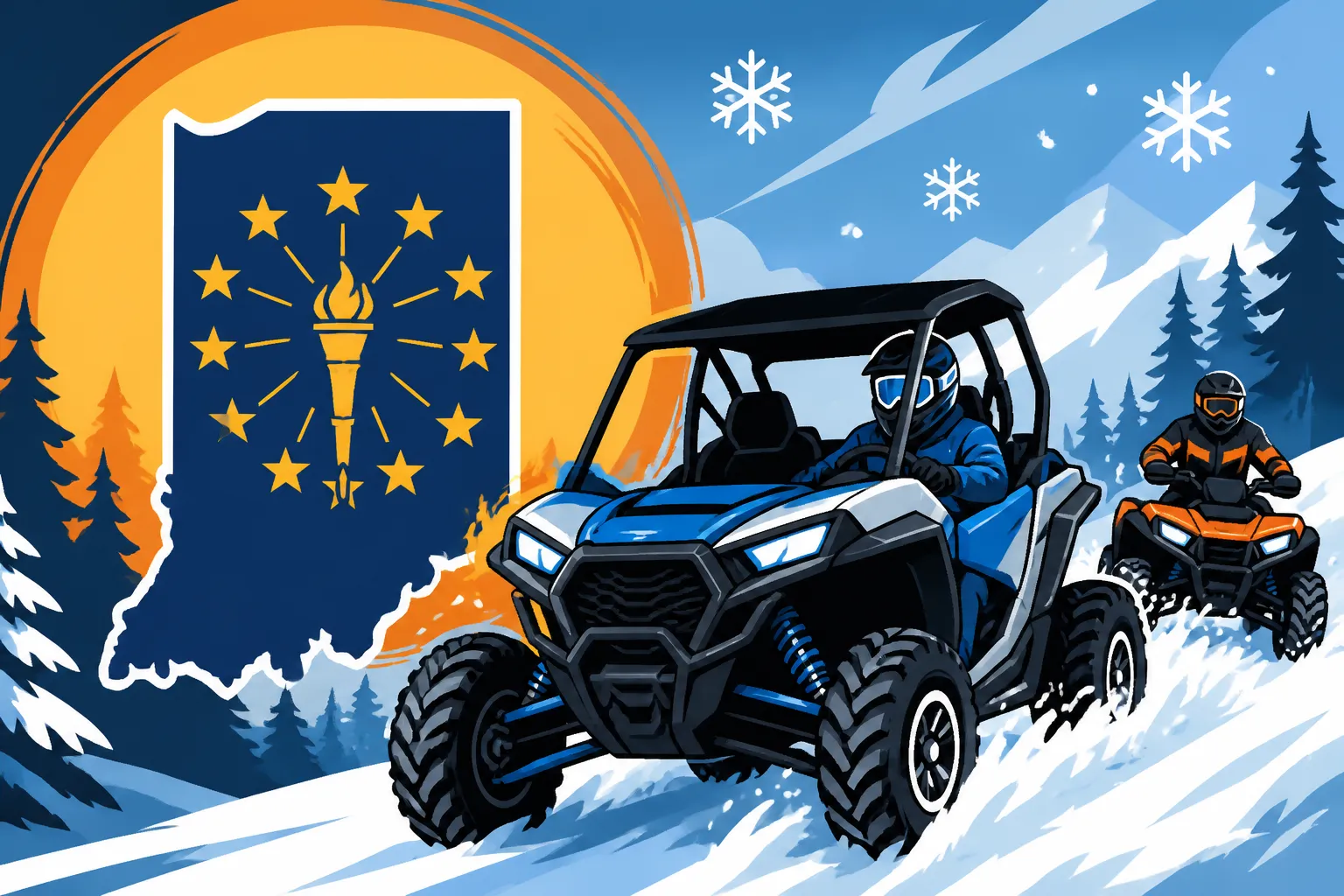
As the days get shorter and the thermometer plummets, many of us ORV enthusiasts in Indiana start feeling that familiar itch: "Can I still ride my ATV or UTV in winter?" The idea of snow-covered trails and crisp air is enticing, but the reality often brings questions about safety, legality, and just plain staying warm. This guide aims to clear up the confusion surrounding winter ORV riding in Indiana, detailing the specific rules, essential preparations, and where you can safely and legally enjoy the colder months on your machine.
Embracing the Chill: Navigating Indiana's Winter Weather on Your ORV
Winter riding in Indiana offers a unique, exhilarating experience that's a world away from dusty summer trails. The landscape transforms, trails become quieter, and the crisp air can be incredibly refreshing. However, this season also brings its own set of significant challenges and considerations. We're talking about slick surfaces, freezing temperatures, reduced visibility, and the potential for machines to behave differently. It’s not just about bundling up; it’s about understanding the nuances of the season and how Indiana’s rules might shift.
One of the biggest frustrations for riders is the assumption that if there's snow, it's automatically fair game for riding anywhere. That's simply not the case in Indiana. While a fresh blanket of snow might look inviting, the underlying rules about where you can ride—whether on public roads, private land, or designated trail systems—don't magically disappear. In fact, winter conditions can sometimes add more layers of complexity to these rules, especially concerning public roads. You might envision cruising down a quiet, snow-covered lane, but without proper designation and understanding of the law, that picturesque ride could quickly turn into a costly citation.
It’s easy to feel disheartened when the weather turns cold, and the prime riding season feels like it's slipping away. But with the right knowledge and preparation, winter doesn't have to mean parking your machine until spring. Instead, it can open up a whole new realm of adventures, from quiet, solitary rides through frosted woods to more adventurous treks on frozen terrain. The key is to respect the conditions, understand the law, and equip both yourself and your ORV for the challenges ahead.
The Unique Challenges of Winter Riding
Riding an ATV or UTV in Indiana during winter isn't just a colder version of summer riding; it's a completely different ballgame. You'll encounter obstacles and conditions that demand a different approach to safety, machine maintenance, and even your personal gear choices.
Firstly, traction becomes a major concern. Snow, ice, and frozen mud can drastically reduce your tires' grip, leading to slides, loss of control, and increased braking distances. What might be a simple climb in July could be an impassable, dangerous slick in January. Then there's the cold itself. Beyond personal discomfort, extreme cold can affect your machine's performance, from battery life to fluid viscosity. Starting your engine might be harder, and prolonged exposure can cause components to become brittle. Visibility also takes a hit; shorter daylight hours mean more riding in low light, and blowing snow can reduce your field of vision significantly. Plus, the cold can fog up helmets and windshields, adding another layer of visual impairment.
Consider a hypothetical scenario: you're out on what seems like a familiar trail after a light snowfall. Suddenly, a patch of black ice, invisible beneath the dusting, sends your rear end sliding. Without anticipating this possibility and adjusting your speed and riding style, a minor slip could become a serious accident. Or imagine your battery giving up the ghost miles from anywhere on a frigid afternoon. The consequences of being stranded in freezing temperatures are far more severe than in summer. These aren't just minor inconveniences; they're genuine safety risks that require proactive measures and a deep respect for winter's power.
Why Indiana's Rules Don't Always Chill Out in Winter
It's tempting to think that when snow covers the ground, some of the usual rules for ORVs might relax, especially on less-traveled roads. After all, if there's no traffic, what's the harm, right? Unfortunately, that's generally not how Indiana's ORV laws work. The core principles of where you can and cannot operate your machine remain largely consistent, regardless of the season or snow depth. In fact, some rules become even more critical or complicated.
For instance, the regulations around [Indiana Rules for Riding a County Road] don't suddenly change because there's snow on the pavement. If a county has not specifically designated its roads as open for ORV use, then riding on those snow-covered roads is still prohibited. The same goes for private property; you still need explicit permission from the landowner to ride, even if their fields are blanketed in white. The only significant adaptation of the law specifically for winter conditions in Indiana relates to snow-covered roads, which we'll delve into shortly.
The main takeaway here is not to assume. Don't let the beauty of a winter wonderland override your knowledge of Indiana's ORV regulations. A conservation officer or local law enforcement isn't going to give you a pass just because it's cold outside or because the road "looked empty." The fines and penalties for illegal operation, such as those described in [What a Class C ORV Infraction Costs in Indiana], are just as real in January as they are in July. Always check local ordinances and state regulations before venturing out, especially if you're exploring new territory.
Understanding Indiana's Rules for Snow-Covered Roads and Trails
Indiana law generally restricts ORV use on public roads, but there are specific, nuanced exceptions, especially concerning snow-covered roads. This is where things can get a little tricky, and it's absolutely vital to understand the precise conditions under which you might be allowed to ride a snow-covered road. Misinterpreting these rules can lead to fines and legal trouble. It's not a free-for-all when the snow flies; it's a very specific allowance with strict limitations.
The state’s approach is designed to balance recreational opportunities with public safety, recognizing that a snow-covered road might offer a different type of riding experience while still needing to prevent conflict with other vehicles and maintain order. This isn't about opening up every single public thoroughfare to ORVs; it's about a very narrow window of opportunity, primarily in areas where ORVs might be used for practical purposes or where designated trails might lead.
Beyond the roads, Indiana's designated ORV trail systems—like the state recreation areas—operate under their own set of rules, which may or may not change for winter. While these trails are generally open year-round, conditions can lead to closures, and the experience itself will be vastly different. Always check ahead for trail status, especially after heavy snow or ice, as parks prioritize safety and environmental protection.
Specific Provisions for Riding a Snow-Covered Road in Indiana
Indiana Code does provide a narrow exception that allows ORVs on certain snow-covered highways, but it's critical to understand the precise wording and limitations. You can find the nitty-gritty details in [Indiana Rules for Riding a Snow-Covered Road]. Generally, an ORV may be operated on a snow-covered highway if:
- The highway is not a state highway or a federal highway. This is a huge distinction. You absolutely cannot ride on snow-covered Interstates, U.S. Routes, or State Roads, regardless of how much snow there is. We're talking about local county roads or township roads, not major arteries.
- The highway is not within the corporate limits of a city or town. This means you generally can't ride within city or town boundaries, even if it's a local street covered in snow. This limits you to rural areas.
- The ORV is operated at a speed of not more than twenty miles per hour. This isn't about tearing down a snowy lane; it's about careful, controlled movement.
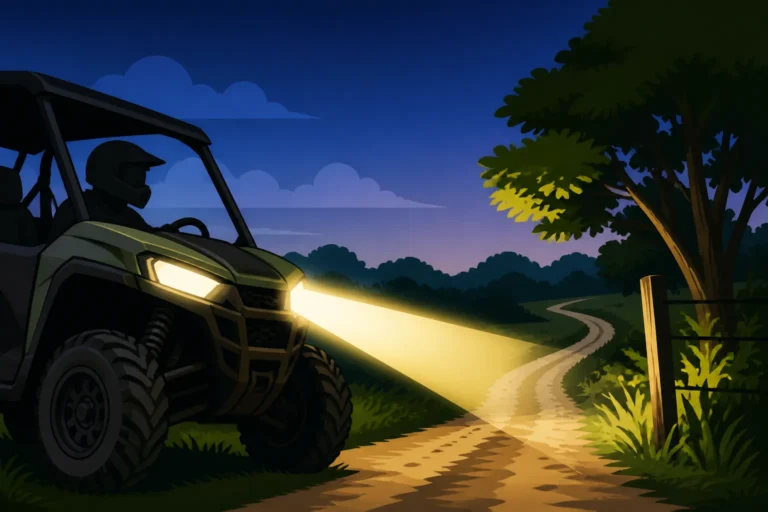
- The ORV is equipped with at least one headlight and one taillight, each capable of being seen from at least five hundred feet. This is crucial for visibility, especially with shorter daylight hours and potential snow glare or fog. Check [Indiana Lighting Requirements for ORVs] for more details on general lighting rules, which are even more important in winter.
- The operation of the ORV on the snow-covered highway is permitted by a local ordinance. This is perhaps the most important point. Just because the state allows for the possibility doesn't mean your specific county or township does. Local jurisdictions have the final say. You must check with your county highway department or local sheriff's office for current ordinances. Without local permission, this state provision offers no protection.
If you don't meet all of these conditions, then riding a snow-covered public road is still illegal. It's not enough for there to just be snow; every single one of these boxes must be checked, and you need that local ordinance in place.
Trail Closures and Conditions at Indiana's ORV Parks
While the state parks and recreation areas like [Redbird Off-Road State Recreation Area] and [Interlake Off-Road State Recreation Area] are generally open year-round for ORV riding, winter weather can definitely impact trail conditions and lead to temporary closures.
Heavy snow, deep drifts, or significant ice can make trails impassable or extremely dangerous. Park management prioritizes rider safety and trail integrity, so they might close certain loops or even the entire park if conditions become too hazardous. Frozen ground can be a mixed blessing; it can make some muddy sections firm, but it can also create treacherous, rock-hard ruts or hidden icy patches, particularly in shaded areas or low-lying spots where water tends to collect and freeze. Furthermore, deep snow can obscure trail markers and make navigation difficult, increasing the risk of getting lost.
It is absolutely imperative to check the official Indiana DNR website or call the park office directly before you load up your machine and head out for a winter ride. Don't rely on assumptions or old information. A trail that was open last week might be closed today due to new snowfall or ice. Knowing the current conditions and any specific park advisories will save you a wasted trip and, more importantly, could prevent an accident. Always remember that even on open trails, winter conditions demand a higher level of skill, caution, and preparedness than fair-weather riding.
Gearing Up for Safe and Enjoyable Winter Riding in Indiana
Winter riding isn't just about knowing the rules; it's about being prepared for the elements. The fun can quickly turn miserable, or even dangerous, if you're not adequately equipped to handle the cold, wet, and challenging conditions. Think about it: getting cold is one thing, but getting wet and cold in freezing temperatures can lead to hypothermia, which is a serious medical emergency. Proper gear for both rider and machine is not a luxury in winter; it’s a necessity.
Many riders, especially those new to winter ORV adventures, underestimate the bite of the Indiana winter wind at speed. Even a relatively mild winter day can feel brutally cold when you're moving at 20-30 mph on an open machine. Beyond personal comfort, clear vision is paramount, and frozen controls or a dead battery can ruin a day faster than anything else. Investing in the right cold-weather gear and machine accessories will not only make your experience more enjoyable but significantly safer. It’s the difference between shivering your way through an hour and comfortably exploring for half a day.
Essential Rider Gear for Cold Weather
Dressing in layers is the golden rule for any outdoor winter activity, and ORV riding is no exception. Start with a moisture-wicking base layer that pulls sweat away from your skin, preventing that dangerous chill that comes from wet clothing. Over that, add insulating layers like fleece or wool to trap body heat. Your outer layer should be waterproof and windproof to protect against snow, ice, and the relentless wind chill.
- Helmets: A full-face helmet is ideal for warmth and protection from the elements. Consider one with a heated visor to prevent fogging, which is a common and frustrating issue in cold weather. Always ensure your helmet meets DOT standards; check [Indiana Helmet Law for ORV Riders] for general requirements.
- Gloves: Look for insulated, waterproof gloves or mittens specifically designed for winter sports. Heated gloves are a game-changer for many riders, keeping hands nimble and warm.
- Boots: Waterproof, insulated boots are a must to keep your feet dry and warm. Ensure they offer good ankle support and grip.
- Balaclava or Neck Gaiter: These are crucial for protecting exposed skin on your face and neck from frostbite and windburn.
- Eye Protection: If your helmet doesn't have a full visor, use goggles that offer good peripheral vision and anti-fog properties.
- Rain Gear (even in winter): While it might seem counterintuitive, waterproof outer shells are essential. Snow melts, and mud splashes, so staying dry is critical for staying warm.
Think about a day when the snow is wet and heavy, melting as it hits your clothing. If your outer layer isn't waterproof, that moisture will seep through, chilling you to the bone. Or imagine trying to navigate a tricky section of trail with a fogged-up visor, forcing you to slow down or even stop repeatedly. Proper gear mitigates these frustrations and allows you to focus on the ride itself.
Machine Preparations for Winter Conditions
Just like you, your ATV or UTV needs a little extra love and attention to perform reliably in freezing temperatures. Ignoring these preparations can lead to frustrating breakdowns, harder starts, and accelerated wear and tear.
- Tires: While dedicated snow tires exist, many standard ORV tires perform adequately in snow. However, for icy conditions, consider adding tire chains for extra grip. Always check your tire pressure before riding; cold temperatures cause pressure to drop.
- Fluids: Ensure all fluids are in good condition. Consider using synthetic oils that maintain viscosity better in cold weather. Check your coolant's freeze protection level.
- Battery: Cold weather is brutal on batteries. Make sure your battery is fully charged and in good health. A battery tender can be a wise investment for machines stored in unheated spaces. Carrying a portable jump starter is also a smart move, especially if you ride solo.
- Winches and Recovery Gear: Getting stuck in deep snow or frozen mud is a real possibility. A reliable winch, like those available from SuperATV, along with recovery straps and a shovel, can be a lifesaver. You can find general [Indiana ORV Winch Costs] information to help you budget.
- Lighting: With shorter daylight hours and potential for heavy snow, enhanced lighting is crucial. Ensure all factory lights are working, and consider adding auxiliary LED lights or a light bar for better visibility. Brands like SuperATV offer a range of robust lighting solutions that can dramatically improve your ability to see and be seen.
- Plows and Accessories: If you're using your UTV for chores like clearing snow from driveways or access roads, a plow attachment is invaluable. Again, companies such as SuperATV provide durable plow systems designed for various UTV models, making your machine a winter workhorse.
- Windshields and Cabs: For UTV riders, a full windshield and a cab enclosure can make a massive difference in warmth and protection from wind and snow. Even an ATV rider might consider handlebar gauntlets to shield their hands.
- Fuel Stabilizer: If your machine will sit for periods between rides, use a fuel stabilizer to prevent fuel degradation and make starting easier.
Imagine the frustration of getting stuck deep in a snowdrift without a winch, or your UTV refusing to start on a frosty morning. These preparations aren't just about comfort; they're about ensuring your machine is reliable and capable when you need it most.
Where to Find Winter ORV Adventures in the Hoosier State
Even with the challenges of winter, Indiana still offers fantastic opportunities for ORV riding. The key, as always, is knowing where you can legally and safely ride. It's not about converting every field or road into a winter wonderland; it's about leveraging the designated areas and understanding the specific local allowances for snow.
The two primary public riding areas in Indiana, Redbird and Interlake, remain open throughout the winter months, offering vast networks of trails that take on an entirely different character under a blanket of snow. These parks are managed with safety in mind and provide a more controlled environment for winter adventures. Beyond the state parks, private riding areas also offer year-round access, each with its own set of rules and terrain, which can be a great option for those seeking specific challenges or amenities.
Don't forget the potential for utility riding on private land. Many farmers and landowners rely on their ATVs and UTVs to get around their property, check fences, or haul feed even in the harshest winter conditions. This practical use of ORVs is often allowed under [Indiana Rules for Riding Private Land], provided you have explicit permission.
Indiana's State ORV Recreation Areas in Winter
Both [Redbird Off-Road State Recreation Area] and [Interlake Off-Road State Recreation Area] are open year-round, meaning you can enjoy their extensive trail systems even when Indiana is covered in snow. However, the experience will be very different from summer riding.
At Redbird, located near Dugger in Sullivan County, the 1,400 acres of reclaimed mine land transform. The spoil piles and hills that offer dusty climbs in summer become slick, potentially icy challenges in winter. The open areas can become deep snowfields, while wooded trails might have packed snow or hidden ice patches. The four Jeep Badge of Honor Trails at Redbird will certainly test your mettle in snowy conditions. Remember, you'll still need an [Indiana ORV Permit Cost] and the standard entrance fee to access the park. Always check the DNR website for current conditions and potential closures before you make the trip to Redbird.
Interlake, spanning 3,550 acres across Pike and Warrick Counties near Lynnville, offers nearly 100 miles of diverse trails, including seventeen lakes. In winter, these trails become a frosty playground. The variety of terrain, from open fields to dense woods and rocky sections, will present different challenges in the snow. Some of the long loops might feel even more remote when covered in white, so proper navigation and emergency preparedness are critical. Like Redbird, Interlake also requires an ORV permit and an entrance fee. You can find a detailed comparison in [Indiana's Two State ORV Areas Compared], but remember that winter conditions will alter the nature of both parks significantly.
Riding in these state areas in winter can be incredibly rewarding. The quiet solitude, the crisp air, and the sheer beauty of the snow-covered landscape create unforgettable memories. But it requires respect for the conditions, appropriate gear, and a cautious approach to riding.
Private ORV Parks and Local Ordinances for Winter Riding
Beyond the state-run parks, Indiana has a few private pay-to-ride parks that often operate year-round, including during the winter. Places like Badlands Off Road Park in Attica or Haspin Acres in Laurel are known for their diverse terrain and might offer specific areas or events geared towards winter riding. Always check their websites or call ahead for winter operating hours, specific trail conditions, and any changes to their rules or entry fees. These parks might have unique protocols for snow and ice, or even offer plowing services on certain access roads.
As for local ordinances, this is where the homework comes in. While the state law provides an exception for snow-covered county roads, it is always superseded by stricter local rules. Therefore, your first step should be to contact your county highway department or local sheriff's office to inquire about any specific ordinances in your area. Some counties might explicitly allow winter ORV use on certain roads, while others might completely forbid it. For example, some counties might have specific rules about [How an Indiana County Opens Its Roads].
It's entirely possible that in a particular rural township, local authorities have passed an ordinance allowing ORV use on snow-covered roads for access to remote properties or recreational purposes. However, assuming this without verification is a gamble. Riding where it's not permitted, even if it feels harmless on a snowy day, can result in penalties that could put a serious damper on your winter fun. Always get clarity from the local authorities before you ride on any public road, snow-covered or not.
| Aspect | Summer Riding (General) | Winter Riding (Indiana) |
|---|---|---|
| Trail Conditions | Dust, mud, dry terrain, clear visibility | Snow, ice, frozen mud, reduced traction, obscured obstacles |
| Road Riding Rules | Generally prohibited on public roads | Specific, narrow exception for snow-covered local roads (if allowed by local ordinance) |
| Visibility | Long daylight hours, clear | Shorter daylight, fog, blowing snow, potentially poor visibility |
| Required Gear | Helmet, eye protection, appropriate clothing | Insulated, waterproof layers, heated helmet/visor, insulated boots, balaclava, gloves |
| Machine Prep | Standard maintenance | Battery check, winter fluids, winch, enhanced lighting, plows/cabs (optional) |
| Park Closures | Rare, typically due to extreme weather (heat, flooding) | Possible due to heavy snow, ice, or unsafe trail conditions |
| Emergencies | Less severe exposure risks | Higher risk of hypothermia, frostbite, getting stranded |
| ORV Registration | Required year-round (e.g., [Registering an ORV in Indiana]) | Required year-round, no winter exemption |
Disclaimer
This article is for general informational purposes only and does not constitute professional advice. Laws, prices and regulations vary by location and change over time. Consult a qualified professional for guidance on your specific situation.