What a Blue Road Means on Vanderburgh’s ORV Map
Navigating the patchwork of local ordinances for off-road vehicle (ORV) use in Indiana can feel like a real head-scratcher. One minute you're thinking you understand the state rules, and the next, a specific county throws a curveball with its own unique map and color codes. If you've been looking at Vanderburgh County's ORV map and wondering what those "blue roads" are all about, you're not alone. This guide is going to clear up the confusion, explain exactly what a blue road signifies, and help you understand how to ride legally and responsibly in Vanderburgh County.
Deconstructing Vanderburgh County's ORV Map Colors
When a county decides to open its roads to ORVs, it doesn't just throw open every single path. Most often, they create a specific map, and these maps can get pretty detailed. Vanderburgh County, embracing the spirit of allowing ORV access where it makes sense, has adopted a system that uses color coding to make distinctions clear. This is a huge help for riders, but only if you know what each color means!
The Significance of Blue Roads for Riders
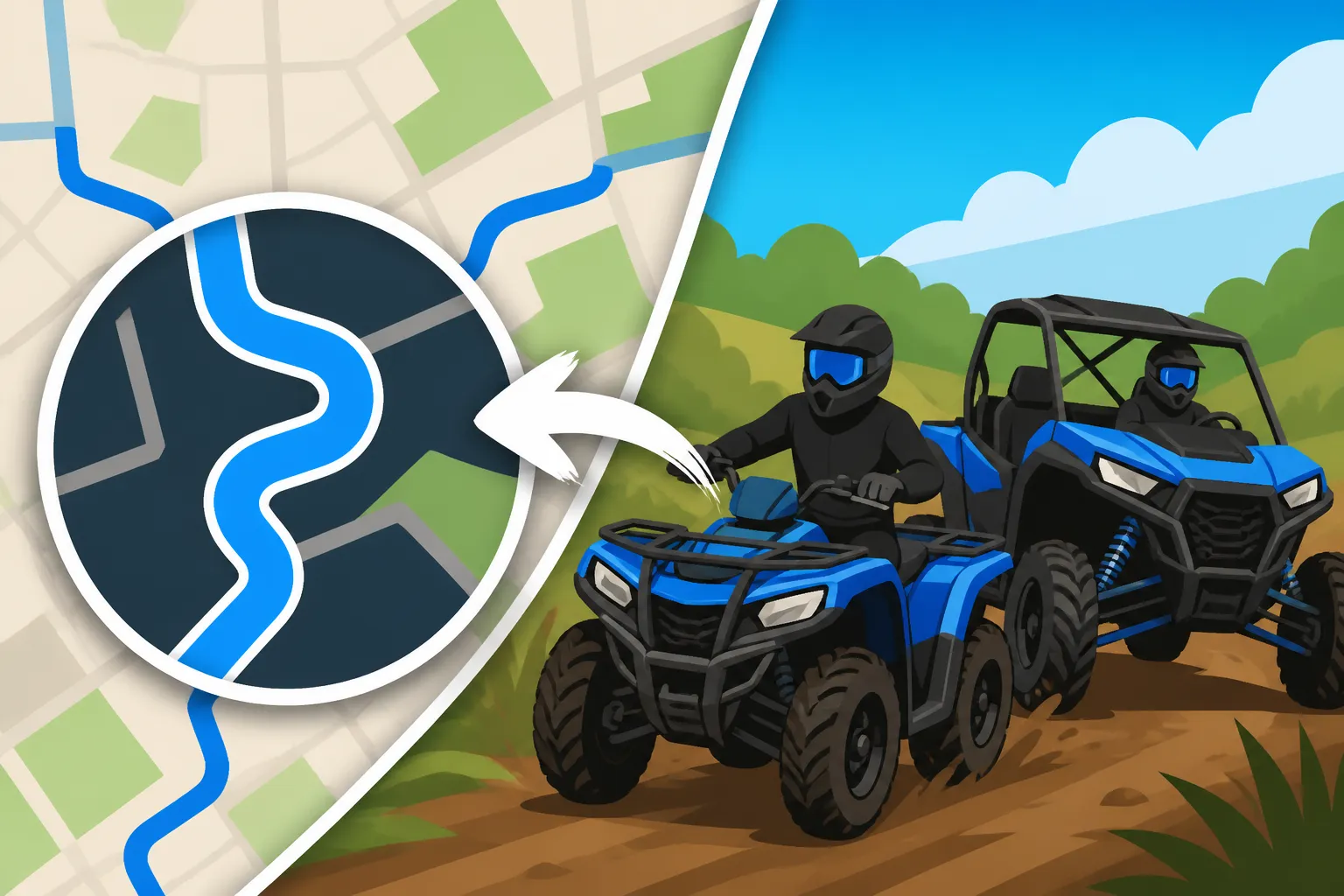
So, you've spotted those blue lines winding their way across the Vanderburgh County ORV map. What's the deal with them? Simply put, a "blue road" in Vanderburgh County is your green light. These are the specifically designated county roads where off-road vehicles are legally permitted to operate. This isn't just about crossing a road to get from one field to another; these blue roads are meant for actual travel, allowing you to connect different areas or simply enjoy a ride on a designated route.
Think about the frustration of feeling like there's nowhere to legally ride your ATV or UTV except private land or dedicated parks. The blue roads are Vanderburgh County's answer to that dilemma, offering structured and legal avenues for recreational riding. It’s a huge relief to know that when you're on one of these blue-marked roads, you're following the local law, as long as you adhere to all other operational requirements. These designated roads are the result of careful consideration by the county to balance resident safety, traffic flow, and recreational opportunities for ORV enthusiasts. They're typically chosen based on factors like lower traffic volume, road width, and proximity to areas where ORV use might be more prevalent. It means you can plan a route, knowing you're on the right side of the law.
Differentiating Blue from Other Colors
While our focus today is on the blue roads, it’s crucial to understand what other colors on the map might represent to fully grasp Vanderburgh County's system. Typically, an ORV map will use different colors to denote different levels of access or outright prohibitions. In Vanderburgh County, for instance, you'll likely encounter red roads. A [What a Red Road Means on Vanderburgh's ORV Map] signifies roads that are strictly off-limits to ORVs. This means no riding, no crossing, no exceptions. The contrast is stark: blue means go (with rules), red means stop.
The mistake many riders make, especially when looking at a map for the first time, is assuming that all county roads are fair game, or that if one road in an area is open, they all are. This is a dangerous assumption that can lead to fines and legal trouble. The color coding is there for a reason, acting as a visual guide to prevent accidental violations. It's not just about a pretty map; it's about clear communication from the county government to riders. So, while you might see a perfectly good-looking gravel road, if it's not marked in blue, it's not for your ORV. Always, always stick to the blue roads. This clarity helps everyone stay safe and keeps the peace in the community by ensuring ORV traffic is directed away from sensitive areas or high-traffic routes.
Riding on Vanderburgh County's Blue Roads: Key Regulations and Rider Responsibilities
Just because a road is blue-marked doesn't mean it's a free-for-all. Like any privilege, riding on public roads comes with specific responsibilities and regulations. Vanderburgh County, like all jurisdictions that allow ORV road use, has established guidelines to ensure the safety of riders, other motorists, and pedestrians. Understanding these rules is paramount before you even think about firing up your machine.
Who Can Ride and When: Age, Supervision, and Hours
One of the most important aspects of riding on Vanderburgh County's designated blue roads is understanding who is legally allowed to operate an ORV. Vanderburgh County has a specific rule that deviates from some general state guidelines: [Vanderburgh's Eighteen-Year-Old Operator Rule]. This means that anyone operating an ORV on a public road within Vanderburgh County must be at least 18 years old. This is a critical distinction, as some areas might allow younger, supervised riders. So, if you're planning a family ride, make sure all operators on the county roads meet this age requirement.
Beyond age, you'll also need to consider the time of day. While specific ordinances vary, it's generally best practice and often legally mandated to ride during daylight hours unless your machine is fully equipped for night riding with proper lighting. Always check the specific ordinance for any curfew or time-of-day restrictions. Even if the ordinance doesn't explicitly state a time, visibility and safety are always maximized during the day. It’s not just about legal compliance; it’s about common sense. Imagine trying to navigate unfamiliar roads, even blue ones, in the dark, potentially encountering wildlife or unexpected road conditions. Being aware of these parameters ensures a safer, more enjoyable experience for everyone.
Machine Requirements and Safety Gear
Your machine can’t just roll out onto a blue road without being properly outfitted. [Vanderburgh's Dual Light Rule at Night] is a perfect example of how local ordinances add specific requirements. For night riding, your ORV absolutely must have two working headlights and two working taillights. This isn't just a suggestion; it's a safety mandate to ensure your machine is visible to other traffic. Beyond lighting, it's wise to consider other safety accessories. Aftermarket accessories like turn signals, rearview mirrors, and even a horn can significantly increase your visibility and ability to communicate with other drivers, making your ride safer and more compliant. Many riders find quality products for these kinds of upgrades at places like SuperATV, ensuring their machines are not only trail-ready but also road-legal.
Another non-negotiable requirement in Vanderburgh County is insurance. You must carry proof of financial responsibility, often in the form of an insurance certificate. This is directly addressed by [Vanderburgh's Insurance Certificate Requirement]. Don't leave home without it, as a conservation officer or local law enforcement could ask for it. While Indiana has a statewide helmet law for riders under 18, it's always a good idea to wear a helmet regardless of your age, especially on public roads where you're interacting with other vehicles. Think of it as cheap insurance for your head! While Indiana counties cannot set their own weight caps below 2,000 pounds for ORVs on designated roads, it's still good to be aware of your machine's specifications. Generally, your ORV needs to be recognized as such by the state – [How Indiana Defines an Off-Road Vehicle]. Ensuring your machine is up to snuff on these points isn't just about avoiding a ticket; it's about making sure you and your passengers are as safe as possible.
General Indiana ORV Road Rules That Still Apply
Even on Vanderburgh County's designated blue roads, you're still operating within the broader framework of Indiana state law concerning ORV use. Remember, Indiana roads are generally closed to ORVs by default; local ordinances like Vanderburgh's are the exceptions that open specific routes. This means certain statewide rules remain firmly in place. For instance, you absolutely cannot ride on limited-access highways, regardless of what a county map says. Those are federal and state jurisdiction, and ORVs are simply not permitted.
When you're riding on these blue roads, or when you need to [Crossing a Road on an ORV in Indiana] that isn't designated for ORV use, specific rules apply. You must come to a complete stop before crossing, yield to all oncoming traffic, and cross at a right angle. These rules are designed to minimize risk at intersections and ensure predictable movements for other drivers. The "shoulder and ditch exception" where you might normally traverse a roadside shoulder or ditch to get from one private property to another is less relevant on blue roads, as you are specifically on the road. However, knowing these distinctions is crucial for moments where you might transition from an open blue road segment to an area not designated for ORV travel. The core principle is always safety and predictability for all road users.
Here’s a quick overview of some key Vanderburgh County ORV road rules:
| Rule Category | Specific Requirement (Vanderburgh County) | General Indiana Context |
|---|---|---|
| Road Access | Only on designated "Blue Roads" on the official county map | Roads are generally closed to ORVs unless opened by specific local ordinance |
| Operator Age | Must be 18 years or older to operate on blue roads | State law allows 16+ with license, or younger with supervision, but county can override |
| Lighting | Two headlights and two taillights required for night operation | Generally required for night use, essential for visibility |
| Insurance | Proof of financial responsibility (insurance certificate) required | Often a local requirement, not universally mandated statewide for all ORV use |
| Helmet Use | Mandatory for riders under 18 years old | Statewide rule for all riders under 18, regardless of location |
| Crossing Roads | Must come to a complete stop, yield, and cross at right angles | Applies when crossing any non-designated public road |
| Speed Limit | Must obey posted speed limits; usually slower for ORVs | Always adhere to posted limits and drive safely for conditions |
Practical Steps for Navigating Vanderburgh's ORV Roads
Understanding the rules on paper is one thing; putting them into practice is another. To truly enjoy the blue roads in Vanderburgh County without stress or legal issues, you need a proactive approach. It's about preparedness and having the right resources at your fingertips.
Accessing and Understanding the Official Map
The very first step to successfully riding the blue roads is to get your hands on the official Vanderburgh County ORV map. This map is usually available on the county's official website, often under the Highway Department or Sheriff's Office sections. Do not rely on old screenshots, unofficial forums, or word-of-mouth. Local ordinances can change, and you need the most current information. Before every ride, take a few minutes to confirm that the map you're using is the latest version.
Once you have the map, study it. Seriously, pour over it like it's a treasure map (because it is!). Identify the blue roads you plan to use, note their starting and ending points, and pay attention to any intersections or transitions. It’s an excellent idea to either print a copy of the relevant sections or save a digital version on your phone that you can access even without cell service, which can be spotty in some rural areas. Having the map readily available allows you to confirm your location and ensure you're always on a legally designated route. This vigilance prevents accidental trespass or riding on a non-designated road, which can lead to hefty fines, like [Vanderburgh's $75 First Fine].
Consequences of Riding Off Blue Roads
It can be tempting, when you're out exploring, to stray off the designated path. Perhaps you see an interesting side road that looks clear, or you simply get turned around. However, riding an ORV on a non-designated road in Vanderburgh County can lead to serious repercussions. The county has established clear penalties for non-compliance, starting with fines. These fines can escalate with repeat offenses, and in some cases, your machine could even be impounded.
Beyond the immediate financial hit, there's the broader issue of perception. Every time an ORV rider breaks the rules, it jeopardizes the hard-won access for all riders. Local communities and law enforcement become more wary, and future efforts to expand or maintain ORV access become much harder. Furthermore, it's important to remember [Why an Indiana Owner Is Liable]. As the owner of the ORV, you are ultimately responsible for its legal operation, even if someone else is riding it. Ensuring your machine meets all safety requirements, perhaps with durable aftermarket parts from SuperATV that stand up to varied terrain, will also help prevent issues that could lead to citations for equipment failure. Respecting the ordinance isn't just about avoiding a ticket; it's about preserving the privilege for yourself and the entire ORV community.
Integrating ORV Use with the Community
The success and longevity of ORV road access in places like Vanderburgh County rely heavily on how riders integrate into the broader community. It's not just about what's legally allowed; it's about being a good neighbor and ambassador for the sport.
Respecting Local Residents and Property
When you're riding your ORV on public roads, even designated ones, you're sharing the space with residents, their homes, and their quiet enjoyment of their property. This means practicing courteous and respectful riding. Be mindful of your machine's noise levels, especially in residential areas. While your ORV might sound thrilling to you, excessive noise can be a nuisance to those living nearby. Try to keep speeds down in populated areas and avoid any behavior that might be perceived as reckless or disrespectful.
Always, always respect private property boundaries. It can be incredibly easy to accidentally veer onto someone's land, especially in rural areas where property lines might not be clearly marked. Always assume land is private unless you know for sure it's public and designated for ORV use. Understanding [Indiana Trespass Rules for Riders] is critical, and straying onto private land without permission can lead to legal trouble and damage the reputation of ORV enthusiasts. A simple wave and a friendly nod to other drivers, pedestrians, or homeowners can go a long way in fostering positive relationships.
Future of ORV Road Access in Indiana
The landscape of ORV road access in Indiana is not static; it's an evolving conversation between riders, communities, and local governments. Ordinances can be reviewed, amended, or even rescinded. The continued privilege of riding on designated roads, like Vanderburgh County's blue roads, often depends on the responsible behavior of the ORV community as a whole.
If you care about maintaining or even expanding ORV access, consider getting involved. Attend local county council meetings, join local ORV clubs, and advocate for responsible riding. When local governments see that riders are organized, respectful, and committed to following the rules, they are often more willing to consider future access. Remember, every time a rider acts irresponsibly, it creates a negative impression that can undermine years of effort by others. By being mindful of your impact, understanding the rules, and riding courteously, you contribute positively to the future of ORV riding in Indiana. Always ensure you are riding on roads explicitly opened to ORVs by [How a County Highway Department Designates ORV Roads] and not just hoping for the best!
Disclaimer
This article is for general informational purposes only and does not constitute professional advice. Laws, prices and regulations vary by location and change over time. Consult a qualified professional for guidance on your specific situation.