Indiana Rules for Riding With a Dog
There’s a special kind of joy that comes with hitting the Indiana trails on your ATV or UTV, but for many of us, that joy is multiplied when we can bring our beloved canine companions along for the adventure. It’s a wonderful dream to have your best friend by your side as you explore, but the reality is, taking your dog off-roading in Indiana comes with a specific set of rules and safety considerations you absolutely need to understand. This guide is here to walk you through how to safely and legally include your dog in your Indiana ORV adventures.
The General Landscape: Where Your Four-Legged Co-Pilot Can Tag Along in Indiana
Many of us love our ORVs, but there’s something extra special about sharing that adventure with our furry best friends. It’s one thing to have them with you on the farm, quite another to bring them out on public trails or designated routes. Indiana has some specific nuances when it comes to ORV use, and while there aren't many laws specifically about dogs on ORVs, understanding the general rules of where you can ride will largely dictate where your dog can be with you. This section aims to clear up some of that confusion, helping you navigate the different types of terrain you might encounter across the Hoosier State.
Private Property: Your Land, Your Rules (Mostly)
Imagine you own a sprawling plot of land down in southern Indiana, perhaps near the Hoosier National Forest – but not in it, because they don't allow ORVs, unfortunately. You've got acres of trails, woods, and open fields, perfect for a leisurely ride. On your own land, or land where you have explicit permission from the landowner, the rules about your dog are largely up to you. You can let Fido ride shotgun, or even run alongside if you trust him to stay close and out of the way of the machine. This is where most folks get their first taste of riding with their dogs, often with a well-trained farm dog happy to bound through the fields.
However, even on private land, common sense and animal welfare laws still apply. You wouldn't want to endanger your pet by letting them run into dangerous situations, and certainly not abuse them by forcing them into an uncomfortable or unsafe ride. The freedom of private land is fantastic, but it's also a place to practice safe riding habits with your pet before venturing out into public spaces. Think of it as your training ground for both you and your dog.
Always think about how you're securing your dog, even on your private land. A sudden bump, an unexpected ditch, or a sharp turn could send them flying from the machine. A sturdy crate or a specialized harness designed for vehicle use can make a huge difference in protecting both your dog and you from distractions or potential injuries. For a deeper dive into the general rules for private land, check out [Indiana Rules for Riding Private Land].
State ORV Parks: Redbird and Interlake Policies
Indiana is fortunate to have two fantastic state ORV recreation areas: [Redbird Off-Road State Recreation Area] and [Interlake Off-Road State Recreation Area]. These parks are managed by the Indiana Department of Natural Resources (DNR), and they have clear guidelines for pets that every rider needs to follow. It’s important to remember that these are public facilities, and the rules are designed to ensure safety and enjoyment for all visitors, human and animal alike.
Generally, dogs are welcome in Indiana state parks and recreation areas, including Redbird and Interlake, but they must be kept on a leash no longer than six feet in length at all times. This rule applies everywhere outside your vehicle: in parking lots, staging areas, designated camping spots, and even if you decide to take a break from riding and walk a short portion of a trail. The idea here is about control and courtesy to other visitors. Not everyone loves dogs, and even dog lovers don't appreciate an off-leash dog jumping on them or their children.
So, while your dog can absolutely come along for the ride in your UTV or on your ATV (if safely secured, which we’ll discuss), once your feet hit the ground, Fido needs to be on that leash. This also helps protect your dog from potential dangers like other vehicles, aggressive wildlife, or poisonous plants that might be present on or near the trails. Remember, these are shared public spaces, and respecting the rules ensures everyone can enjoy the natural beauty and the thrill of the ride, two-legged and four-legged alike. Always check the specific park rules before you go, as sometimes seasonal or specific area restrictions might apply. Keep in mind that while your dog might ride free, you'll still need to pay the appropriate entrance and trail fees; you can find more about that here: [Indiana ORV Trail Permit Cost].
County Roads and Designated Routes: A Murky Area
This is where things can get a bit more complicated for our furry friends. While some Indiana counties have indeed opened certain roads to ORV use – you might find this in places like Hancock County, Dearborn County, or Vanderburgh County – these local ordinances are primarily focused on the operation of the machine itself and the human operator. They rarely, if ever, mention specific provisions or restrictions for pets. This creates a bit of a gray area that requires a healthy dose of caution and common sense.
When riding on these designated county roads, the general expectation for animals in vehicles would default to standard traffic laws for cars – essentially, don't let your animal be a distraction or an unsecured projectile. If your county allows ORVs on roads, you’d be wise to apply the same leash and restraint rules you would if your dog were riding in your regular truck or car. Having your dog unrestrained and wandering freely in the back of a utility vehicle on a public county road could easily be seen as a safety hazard, both for the dog and for your ability to operate the ORV safely and keep your attention on the road.
My best advice here is to err on the side of caution. If you're riding a designated county road, treat your dog's presence as if you were in your personal vehicle. Secure them inside the vehicle, ensuring they cannot jump out or interfere with your driving. Avoid letting them hang their head out the side or distract you with excessive movement. Always prioritize safety, especially since the laws governing ORV road use are already particular and vary significantly by locale. For more details on the general rules for ORV road use, refer to [Indiana Rules for Riding a County Road], and remember to add your dog’s safety into that equation.
Safety First: Keeping Your Canine Companion Secure and Happy
It’s not enough just to know where you can bring your dog; it’s paramount to ensure they are safe and comfortable throughout the entire experience. An ORV ride can be exhilarating and fun for us, but for a dog, it can potentially be a source of stress, injury, or even motion sickness if not properly managed. Taking comprehensive precautions isn't just about avoiding a ticket or adhering to rules; it's about being a responsible pet owner and making sure your best friend truly enjoys the adventure as much as you do. Their well-being should always be at the forefront of your planning.
Securing Your Dog in a UTV or ATV
This is probably the most critical aspect of riding with your dog on any terrain. An unsecured dog is a danger to itself, a distraction to you, and a potential hazard to others. The methods for securing your dog will vary significantly depending on whether you're riding a UTV or an ATV.
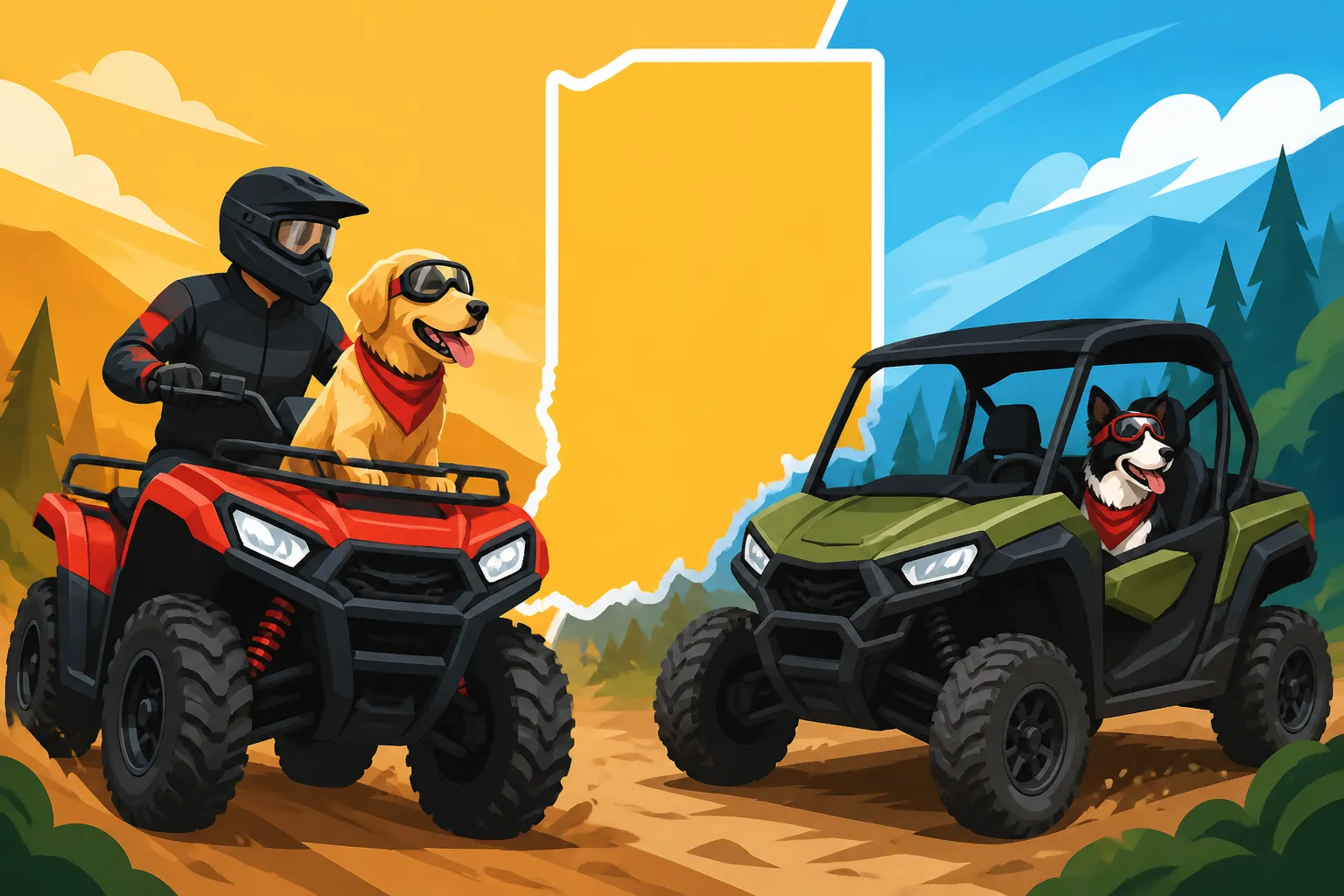
In a UTV (side-by-side), you generally have more options and a more secure environment. A sturdy dog crate or kennel, properly secured to the bed or passenger area, is often the safest bet. Think about how you would secure any other valuable cargo – you need to tie it down so it won't shift, slide, or fly out during sudden stops, bumps, or turns. Many UTV owners will utilize custom cargo racks or specific pet carriers that bolt directly into the bed, providing a very stable and secure environment. Since UTVs tend to be larger and more stable machines, they are often a better choice for bringing a dog along; you can learn more about registering them here: [Indiana Registration for a Side-by-Side]. Always ensure your dog can't jump out, won't get tangled in moving parts, and is protected from flying debris. This means considering windshields, side nets, or even full cab enclosures for UTVs. Products from brands like SuperATV offer various cargo boxes and bed extenders for UTVs that could be adapted for securing a dog kennel, making the whole setup much safer and more organized.
For ATVs (quads or dirt bikes), options are much more limited due to the open nature, lack of space, and less inherent protection. Some riders attempt to use a dog seat or carrier that mounts to the front or rear rack, but these typically require specific harnesses and are generally only suitable for smaller, calmer dogs. Even then, an ATV is inherently less stable than a UTV, and a dog's shift in weight could significantly impact handling and control, increasing the risk of an accident. If you're riding a quad, it might be better for your dog to stay home unless you have a very robust and proven securing method that has been thoroughly tested on gentle terrain. Safety should always override the desire to have them along.
Essential Gear for Your Riding Buddy
Just like you wouldn't hit the trails without your helmet, gloves, and proper riding gear, your dog needs some careful consideration in their own "riding kit." Being prepared with the right equipment can make all the difference in their comfort, safety, and overall enjoyment.
First, eye protection is crucial. Dust, low-hanging branches, and flying debris are significant hazards for a dog's eyes. Dog goggles (often affectionately called "Doggles") are available in various sizes and styles and can prevent painful injuries and discomfort. Second, consider paw protection. While many dogs have tough paws, a full day on varied terrain—especially rocky, sharp, or excessively hot surfaces—can be incredibly hard on them. Dog boots can offer vital protection, preventing cuts, scrapes, and burns.
A specific pet first-aid kit is an absolute must-have. Include items like bandages, antiseptic wipes (like betadine or chlorhexidine), tweezers (for thorns, splinters, or ticks), and any specific medications your dog needs (e.g., allergy meds, pain relievers). Always bring plenty of fresh water and a collapsible bowl. Dehydration can happen quickly, especially on warm days or during strenuous activity. Even if you're riding [Indiana Trails With Mud], clean drinking water for your dog is essential. You should also have their regular leash and collar/harness readily accessible. Even if they are secured in a UTV, having a leash handy for when you stop for breaks is essential to comply with park rules and keep them close. Finally, ensure your dog's ID tags are up-to-date with your current contact information, just in case they somehow get separated from you. A comfy pad or bed in their secured crate can also make a long ride much more enjoyable for them.
Weather Considerations and Comfort
Indiana weather can be notoriously unpredictable, swinging from scorching humidity to bone-chilling cold in a matter of days. What feels fine to you, especially with your protective riding gear, might be far too much for your dog. Paying close attention to the forecast and understanding your dog's tolerance is key to a safe and enjoyable outing.
Heat is perhaps the biggest danger. Dogs are much more susceptible to heatstroke than humans, especially breeds with shorter snouts or thick coats. If it's a hot, humid Indiana summer day, reconsider bringing your dog entirely. Even in a UTV, enclosed cabs can get very warm very quickly. Ensure plenty of airflow, access to shade, and a constant supply of water. Avoid riding during the hottest parts of the day, typically late morning to late afternoon. In colder months, cold can also be an issue. Short-haired breeds or older, less active dogs might need a dog jacket or sweater to stay warm. Prolonged exposure to cold can lead to hypothermia, which can be life-threatening.
Rain and mud are staples of Indiana ORV riding, but while your ORV might be ready for it, your dog might not appreciate being soaked and muddy for hours. Consider waterproof coverings for their crate or avoiding rides during inclement weather. SuperATV also makes roofs and full cabs for UTVs, which would obviously offer significantly more protection from the elements for both you and your dog. Finally, consider noise. ORVs can be loud, and continuous engine noise can be distressing for some dogs. Some particularly sensitive dogs might even benefit from dog ear protection, especially on longer rides. Observe your dog's behavior; if they seem stressed, anxious, or are exhibiting signs of discomfort, it might genuinely be best to leave them home next time.
Respecting the Environment, Other Riders, and Canine Health
Taking your dog on an ORV adventure isn't just about your personal experience; it means you're not just representing yourself, but all dog-owning riders. Being a good steward of the trails and a responsible pet owner is absolutely key to ensuring that dogs continue to be welcomed in these beautiful outdoor spaces. Your actions reflect on the entire community, and upholding a high standard of etiquette benefits everyone.
Leash Laws and Waste Management
This aspect goes hand-in-hand with state park policies and general public courtesy. As mentioned, dogs are generally required to be on a leash in public areas like state parks. Always have your dog leashed when outside your secured vehicle. This isn't just a rule; it’s a crucial safety measure that prevents them from running off, harassing local wildlife, or startling other riders, hikers, or even horses who might be sharing the multi-use trails. For a broader understanding of how to share these spaces, consider [Indiana Trail Etiquette on Shared Ground].
Beyond the leash, proper waste management is non-negotiable. Always carry plenty of waste bags and be prepared to pack out whatever your dog leaves behind, no matter how small. No one wants to step in dog waste, whether it's on the trail, in a parking lot, or at a picnic area. Leaving it behind is disrespectful to others and can contribute to environmental issues, as dog waste can introduce harmful bacteria into water sources. This is a basic, fundamental rule of trail etiquette that applies whether you're hiking, trail running, or riding an ORV.
Wildlife Encounters and Trail Etiquette
Indiana is home to a rich diversity of wildlife, from white-tailed deer and wild turkeys to smaller mammals like rabbits and squirrels. An off-leash dog, driven by instinct, can easily chase after these animals, leading to dangerous situations for both your pet and the wildlife. Keeping your dog secured or on a leash at all times minimizes these risks. You definitely don't want your dog disturbing nests, disrupting the natural behavior of animals, or potentially getting into a confrontation with a defensive wild creature.
Be especially mindful of other trail users. Some people might be afraid of dogs, regardless of how friendly yours is, or their own pets might not be well-socialized or friendly. A leashed, well-behaved dog is far less likely to cause issues or discomfort for others. If you encounter horses, hikers, or mountain bikers on a shared trail, always slow down, give them ample space, and keep your dog close and calm. Your ability to control your dog speaks volumes about your responsibility as an ORV rider and helps foster a positive environment for everyone. Consider even using a brightly colored harness or vest on your dog, especially during hunting season, to ensure they are visible to others, just as you might wear blaze orange.
Health and Hydration on the Trail
Beyond immediate safety, you need to consider your dog's overall health and well-being before, during, and after a trail ride. A healthy dog is a happy dog, and a happy dog makes for a much better adventure companion.
First, ensure your dog is up-to-date on all vaccinations and protected against common parasites like fleas, ticks, and heartworm. ORV trails are prime locations for encountering these pests, and preventative measures are essential. Second, consider acclimation. Don't just throw your dog into a full day of riding on challenging terrain right away. Start with shorter trips on familiar, gentler terrain to see how they handle the noise, motion, and overall excitement of an ORV adventure. Some dogs, despite our best wishes, just aren't cut out for ORV adventures, and that's perfectly okay. It’s better to realize that early on than to force them into an uncomfortable situation.
Just like humans, dogs need regular breaks. Stop periodically for water, a potty break, and a chance to stretch their legs (always on leash, of course). This can prevent stiffness, reduce stress, and help them regulate their body temperature. Finally, be vigilant in recognizing signs of stress or illness. Pay close attention to your dog's body language: excessive panting, drooling, whining, trying to hide, or showing lethargy could indicate stress, motion sickness, or overheating. If you notice these signs, it's time to take a break, offer more water, or even cut the ride short and head home. Your dog's well-being should always come first. Carrying your pet's water, treats, and first aid in an easily accessible storage solution, perhaps even a smaller SuperATV cargo bag, ensures everything is within reach when you need it most.
| Consideration | ATV (Quad/Dirt Bike) | UTV (Side-by-Side) |
|---|---|---|
| Space & Protection | Limited; Exposed to elements and debris | More space; Can be enclosed with roof/windshield for protection |
| Stability | Less stable; Dog's movement significantly impacts balance | More stable; Less impact from dog's movement, better ride quality |
| Securing Options | Rack-mounted carriers (best for small, calm dogs); Harnesses/leashes | Crate/kennel in bed; Secured dog seats/platforms; Harnesses |
| Safety Risks | Higher ejection risk; Direct exposure to trail hazards | Lower ejection risk (if properly secured); Better element protection |
| Best Use | Short, very gentle rides (very calm, small dogs); Generally not ideal | Longer rides, varied terrain; Preferred option for most dogs |
| Recommended Gear | Doggles, Paw boots, Water, First-aid, ID tags | Secure Crate, Doggles, Paw boots, Water, First-aid, ID tags, Leash |
Bringing your dog along on an ORV adventure in Indiana can be an incredibly rewarding experience, forging deeper bonds and creating lasting memories for both of you. But it demands careful planning, a strong commitment to safety, and a deep respect for the rules and other users of the trails and roads. By prioritizing your dog's well-being and being a consistently responsible owner, you can ensure many happy years of shared off-road exploration across the beautiful landscapes of Indiana.
Disclaimer
This article is for general informational purposes only and does not constitute professional advice. Laws, prices and regulations vary by location and change over time. Consult a qualified professional for guidance on your specific situation.