Indiana Rules for Carrying a Passenger
There's nothing quite like sharing the thrill of off-road adventure, but when you're thinking about bringing a passenger along on your ATV or UTV in Indiana, things can get a little murky. Many riders assume if there's a space, it's fair game, or that simple common sense covers them. Unfortunately, that's not always the case, and getting it wrong can lead to fines, safety hazards, and even serious liability. This guide is here to clear up all the confusion, detailing Indiana's specific rules and offering practical advice to ensure you and your passengers ride legally and, most importantly, safely across the Hoosier State.
The Core Rules: Who Can Ride Along in Indiana?
Navigating the landscape of Indiana's ORV (Off-Road Vehicle) laws can sometimes feel like traversing a particularly muddy trail—confusing, with hidden pitfalls. When it comes to carrying passengers, the key is understanding that these aren't just suggestions; they're legal requirements designed to keep everyone safe. Ignoring them can lead to costly fines, or worse, put lives at risk.
Manufacturer's Design: The First and Foremost Rule
This is probably the single most important rule to grasp: an off-road vehicle is only designed to carry as many passengers as the manufacturer intended. This isn't just about whether someone can physically squeeze onto the machine; it's about the vehicle's structural integrity, handling characteristics, and safety features.
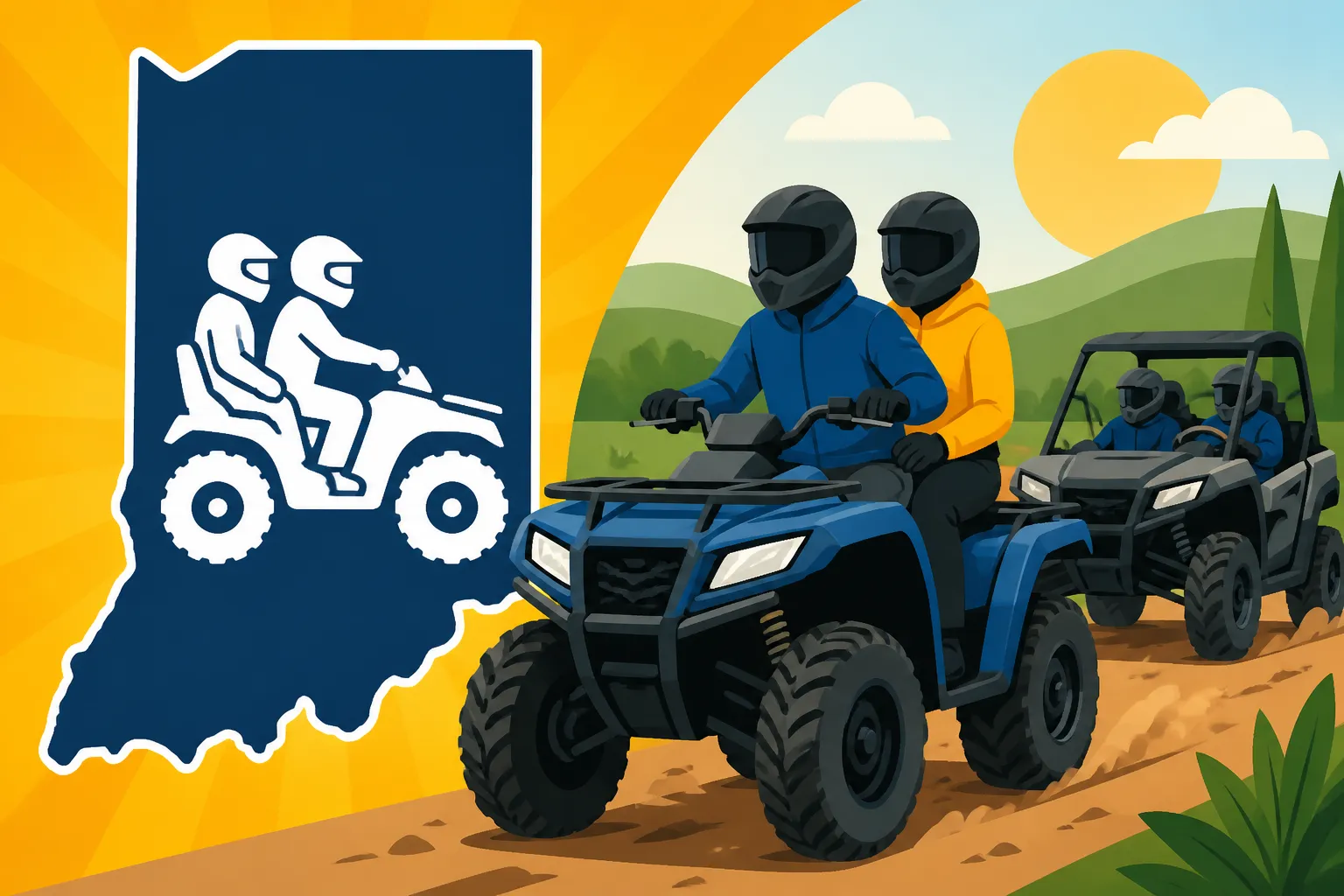
Most standard ATVs, for instance, are designed as single-rider machines. They have one seat, one set of handlebars, and are balanced for one person's weight and movements. Trying to carry a passenger on a single-rider ATV drastically alters its center of gravity, making it incredibly unstable and difficult to control, especially on uneven terrain or during turns. The risk of a rollover or losing control skyrockets. If your ATV isn't explicitly marketed and built as a "two-up" or "tandem" model, complete with a longer seat, separate footrests, and often modified suspension for a second person, then it's illegal and incredibly dangerous to carry a passenger.
UTVs (Utility Terrain Vehicles), also known as side-by-sides, are generally built with multiple designated seating positions, seatbelts, and roll cages. This makes them inherently more suited for carrying passengers. However, even with UTVs, you must adhere strictly to the manufacturer's specified seating capacity. If your UTV has two seats, don't try to cram three people in. If it's a four-seater, don't bring five. These limits are set based on weight distribution, available restraints, and the vehicle's overall design to safely accommodate a certain number of occupants. Overloading can strain the frame, suspension, and braking systems, leading to hazardous situations on the trail.
Age and Supervision for Young Passengers
Indiana takes the safety of young riders very seriously, and that extends to children riding as passengers. While adults might have more leeway if their machine is designed for multiple riders, specific rules apply when you're bringing kids along for the adventure. It’s not enough to simply have a designated seat; you need to consider the age of your young passenger and whether they meet the state's supervision requirements.
Indiana law stipulates that if a passenger is under a certain age, they must be supervised by an adult. For specific details on operator age, you can refer to [Indiana Minimum Age to Ride an ORV]. Typically, this means an adult must be present and capable of directly supervising the minor. This isn't just a casual glance from a distance; it implies active oversight and the ability to intervene if necessary. For instance, children under a certain age are often prohibited from operating an ORV themselves, and their role as a passenger also comes with specific guidelines. [Indiana Supervision for Riders Under 14] details these requirements, ensuring that even when a child is not operating, they are still under appropriate adult guidance.
The rationale behind these rules is clear: young children may not have the physical strength, cognitive understanding, or reaction time to safely brace themselves or react appropriately during off-road maneuvers. Even as passengers, they need to be able to hold on securely, keep their feet on footrests, and understand basic instructions. Always ensure your young passenger can comfortably reach and hold onto designated handholds, and that their feet can reach the footrests securely, preventing them from accidentally falling off or dragging a limb.
What an Indiana Officer Checks Roadside
Imagine you're out on the trails at Redbird, enjoying a beautiful Indiana afternoon with a friend or your child riding along. Suddenly, you see a Conservation Officer or a local sheriff's deputy waving you over. Your heart might skip a beat, especially if you're unsure about the nuances of passenger laws. So, what exactly will that officer be looking for?
First and foremost, they'll verify that your off-road vehicle is legally designed to carry a passenger. If you're on a single-rider ATV with someone perched behind you, that's an immediate red flag and likely an infraction. They'll check for designated seating and footrests for all occupants. For UTVs, they'll confirm you're not exceeding the manufacturer's seating capacity. Secondly, they'll assess the safety equipment. Is your passenger wearing a helmet? Indiana has specific helmet laws, especially for younger riders, which apply both on public and private land. [Indiana Helmet Law for ORV Riders] is crucial reading here. They'll also check for seatbelts in UTVs; every occupant must be buckled in.
If the passenger is a minor, the officer will likely inquire about their age and who is supervising them, ensuring compliance with Indiana's age and supervision requirements. They might also assess the overall safety of the situation – is the passenger clearly unstable? Are they too small for the machine? What happens if you're found to be in violation? The consequences can range from a warning to a Class C ORV infraction, which carries a monetary penalty. To understand the potential financial impact, you can look into [What a Class C ORV Infraction Costs in Indiana]. Beyond the fine, as the owner and operator, you could be held liable if an accident occurs due to an illegal passenger configuration or lack of safety measures, turning a fun outing into a serious legal and financial headache.
Safety First: Beyond the Letter of the Law
While legal compliance is absolutely essential, safety on the trails goes far beyond simply ticking off boxes on a legal checklist. The dynamic environment of off-road riding, with its unpredictable terrain, sudden turns, and varied speeds, demands a proactive approach to passenger safety. It's about minimizing risks, preventing injuries, and ensuring everyone comes home safely, ready for the next adventure.
Essential Gear for Every Passenger
Just as you wouldn't head out on the trail without your own protective gear, your passenger needs to be equally well-equipped. This isn't just about looking the part; it's about providing crucial protection against impacts, abrasions, and the elements.
Helmets are at the top of this list. While Indiana law mandates helmets for certain age groups, particularly those under 18, it's a non-negotiable piece of equipment for any passenger, regardless of age, on an ATV or dirt bike. Even in a UTV with a roll cage, a helmet offers significant protection in the event of a rollover or sudden impact, preventing head injuries. Ensure the helmet fits snugly, is DOT-approved, and securely fastened. Beyond helmets, eye protection is critical. Kicking up dust, mud, or debris is common on trails, and good goggles or safety glasses will shield eyes from hazards and wind. Gloves protect hands from scrapes, blisters, and branches, while sturdy over-the-ankle boots provide ankle support and protection from hot exhaust, rocks, and other ground hazards. Long pants and a long-sleeved shirt, preferably made of durable material, offer another layer against scrapes, sun, and insect bites. Choosing bright, visible clothing can also enhance safety, especially in wooded areas or when riding in a group.
Thinking about what gear your passenger needs might seem like an extra step, but consider it an investment in their safety and your peace of mind. A little discomfort from wearing the right gear is far better than the pain and hassle of an injury. If you have younger passengers, ensure their gear fits correctly; oversized helmets or boots can actually be dangerous.
Preparing Your Machine for Passengers
Riding with a passenger changes everything about how your machine handles. It's not just "more weight"; it's a shift in balance, an increase in momentum, and added strain on various components. Before you even think about hitting the trail, a thorough pre-ride inspection and adjustment are paramount.
First, consider the basics: tires, brakes, and suspension. Are your tires properly inflated for the added load? Over-inflating can reduce traction, while under-inflating can increase the risk of a blowout or tire damage. Your brakes will need more stopping power, so ensure they are in peak condition. The suspension system will also be working harder. Many UTVs, and some two-up ATVs, allow for suspension adjustments. If your machine has adjustable shocks, consider increasing the preload or damping to compensate for the additional weight, preventing bottoming out and improving stability. Manufacturers like SuperATV offer heavy-duty springs and suspension upgrades that can greatly improve the ride quality and safety when consistently carrying passengers or heavier loads.
Beyond the mechanical aspects, make sure any cargo is securely fastened. With a passenger, available space might be limited, and shifting gear can be a dangerous distraction. Ensure that handholds are easily accessible and sturdy for your passenger. If your machine is a UTV, check that all seatbelts are fully functional and easily accessible. Before setting off, it’s always wise to perform a brief test ride in a safe, open area to get a feel for how the machine responds with the added weight. This allows you to identify any unexpected handling changes and make further adjustments if necessary, ensuring a smooth and safe experience once you're on the actual trails.
Communication and Riding Style
Effective communication and adjusting your riding style are just as important as proper gear and a well-maintained machine when carrying a passenger. The person riding behind or next to you is relying entirely on your judgment and skill, so it's your responsibility to make their experience as safe and comfortable as possible.
Before you even start the engine, have a clear conversation with your passenger. Explain how to properly hold on, where to place their feet, and how to lean with the machine in turns. Emphasize that they should never try to "help" steer or make sudden movements on their own. Establish a few simple hand signals or verbal cues for common situations, like "slow down," "stop," or "bumpy ahead." This ensures you're both on the same page, especially when engine noise or helmets make verbal communication difficult.
Once you're moving, you must adopt a smoother, more deliberate riding style. Avoid aggressive acceleration, sudden braking, or sharp turns that could unbalance your passenger. Take obstacles, hills, and technical sections at a slower, more controlled pace. Remember, your passenger isn't operating the machine and might not anticipate changes in terrain as quickly as you do. A good rule of thumb is to ride as if you have a full glass of water on the dashboard – avoid anything that would cause it to spill. This smoother approach not only enhances safety but also makes the ride more enjoyable for your passenger, especially if they are new to off-roading. Always be mindful of their comfort and fatigue levels, and take breaks as needed.
Specific Scenarios and Local Nuances
While Indiana's state laws provide a general framework for ORV operation and passenger rules, the real-world application often involves navigating specific locations and understanding how local ordinances can add layers of complexity. It's not a "one-size-fits-all" situation, and being aware of these nuances is crucial for staying legal and safe.
Riding with Passengers on Designated ORV Trails
When you're planning a trip to one of Indiana's fantastic state recreation areas like Redbird or Interlake, or even a private park, it's vital to remember that these places often have their own specific rules in addition to state law. While the general state regulations regarding passenger capacity and helmet use (especially for minors) remain in effect, parks might have further stipulations.
For example, a state park might have designated youth riding areas where specific age and supervision rules are strictly enforced, including for passengers. They might also have rules regarding machine types allowed on certain trails – some trails might be too narrow for wider UTVs, which can impact how you carry passengers. Always check the specific park's regulations before you go. [Indiana Rules for a Passenger Under 18 at an Indiana Park] would be particularly relevant here, as these public lands are vigilant about the safety of minors. Some private parks, while offering more freedom in some aspects, often require all riders and passengers to sign liability waivers, and they may have their own internal policies regarding helmets, seatbelts, and passenger ages. It's always a good practice to visit the park's website or call ahead to confirm any unique requirements or restrictions that might affect carrying a passenger. Knowing these rules beforehand can save you from an unexpected denial of entry or a citation from a park ranger.
County Roads and Local Ordinances for Passengers
Riding ORVs on public roads in Indiana is generally prohibited, with very few exceptions. However, some counties in Indiana have adopted local ordinances that allow ORVs on certain designated county roads. This is where things can get particularly tricky with passengers, as these local rules can sometimes add another layer of requirements on top of state law.
For instance, counties like Vanderburgh County or Hancock County, which have opened some of their roads to ORVs, often specify rules regarding the operator's age, safety equipment, and sometimes even insurance. When it comes to passengers, these ordinances might reinforce state-level age requirements or even add their own. [Vanderburgh County's Eighteen-Year-Old Operator Rule] for operators can sometimes extend to passenger stipulations, emphasizing that anyone riding along must also meet certain criteria. Furthermore, if a county requires ORV operators to carry specific insurance, it's crucial to confirm that your policy covers passengers, especially on these public road segments. [Indiana ORV Insurance Requirement] is a critical piece of information here, as standard off-road policies might not automatically extend coverage to road-legal riding scenarios, particularly when passengers are involved.
The bottom line is that while the temptation to connect trails via a county road might be strong, you must know the specific local ordinances. A general rule to follow: assume all public roads are closed to ORVs unless explicitly designated open by local ordinance, and always check those ordinances for any specific passenger requirements. This due diligence ensures you comply with both state and [Indiana Local Ordinances on ORV Riding] and keep everyone safe.
The "Enclosed Cab" Exemption and UTVs
One area where passenger rules can sometimes differ relates to the "enclosed cab" exemption, primarily applicable to UTVs. While helmets are generally mandated for riders under 18 on ORVs in Indiana, there's a specific nuance for UTV occupants that can sometimes be confusing.
Indiana law often states that a helmet is required for individuals under 18 operating or riding as a passenger on an ORV. However, an exception frequently applies to UTVs when the occupants are within an "enclosed cab." What constitutes an "enclosed cab"? Generally, this refers to a UTV that has a roof, windshield, and doors, creating a passenger compartment similar to a car. In such configurations, if all occupants are wearing their seatbelts, the helmet requirement for minors might be waived. [The Enclosed Cab Exemption in Indiana] clarifies these details, highlighting that the presence of these protective structures offers a level of safety that a helmet typically provides on a more open machine.
Even with this exemption, seatbelts remain absolutely mandatory for all occupants in a UTV, regardless of age. The enclosed cab and seatbelts work together as a primary safety system in a UTV, much like in a car. This is a significant difference compared to ATVs and dirt bikes, which do not have these enclosed structures or seatbelts, and thus always require helmets for minors. Manufacturers like SuperATV offer a range of accessories, including hard roofs, full windshields, and door systems, which can help create an enclosed cab for your UTV, potentially qualifying you for this exemption. However, always verify that your specific setup meets the legal definition of an "enclosed cab" according to Indiana law, and prioritize safety first. When in doubt, wear the helmet.
Comparison of Passenger Rules: ATV vs. UTV
Understanding the key differences in how Indiana's rules apply to ATVs and UTVs, especially concerning passengers, is crucial for safe and legal riding. Here's a quick comparison to highlight those distinctions:
| Feature | ATV (Single Rider) | ATV (Two-Up Designated) | UTV (Side-by-Side) |
|---|---|---|---|
| Primary Operator | Required, must meet age rules | Required, must meet age rules | Required, must meet age rules |
| Passenger Permitted? | No, illegal and unsafe | Yes, if designed for it | Yes, up to manufacturer's capacity |
| Designated Seating | Single seat only | Extended seat, separate footrests | Bucket seats or bench, seatbelts |
| Helmet Required (Under 18) | Yes, always | Yes, always | Yes, unless fully enclosed cab |
| Seatbelts | Not applicable | Not applicable | Yes, mandatory for all occupants |
| Supervision for Minors | N/A (no passenger) | Yes, if passenger is minor | Yes, if passenger is minor |
| Stability with Passenger | Very low, high risk | Designed for improved stability | Generally high, designed for multiple occupants |
| Typical Use | Sport, utility, hunting | Trail, utility, touring | Utility, trail, family recreation, work |
Disclaimer
This article is for general informational purposes only and does not constitute professional advice. Laws, prices and regulations vary by location and change over time. Consult a qualified professional for guidance on your specific situation.