Riding on a Fresh Bill of Sale
You just bought a shiny new ATV or UTV, and the excitement is palpable! You're probably itching to hit the trails, but a common question pops up: can you actually ride your machine right away with just a bill of sale? This guide is here to untangle the confusion surrounding Indiana's rules for riding an off-road vehicle (ORV) on a fresh bill of sale, ensuring you understand your rights and responsibilities before your first exhilarating ride.
Understanding the "Fresh Bill of Sale" Period in Indiana
It’s a common scenario: you’ve just shelled out a significant amount of cash for your new toy, the ink is barely dry on the paperwork, and all you want to do is get it out there. The good news is that Indiana law does offer a temporary grace period that allows you to operate your newly acquired off-road vehicle with just a bill of sale. This isn't a free pass forever, but it is a recognition of the time it takes to complete the necessary titling and registration processes. The state understands that these things don't happen overnight, and they've built a small window into the regulations to accommodate new owners.
This temporary period exists to bridge the gap between the moment you take possession of your machine and when it officially has its Indiana title and registration decal. Think of it as a brief holding pattern where your primary proof of ownership, the bill of sale, serves as your temporary permission slip to ride in certain designated areas. It’s not an invitation to bypass the system entirely, but rather a practical allowance for the administrative lag that inevitably follows a purchase. You're expected to be actively pursuing your title and registration during this time, not just kicking back and enjoying the temporary exemption.
The Crucial Forty-Five Day Window
In Indiana, when you purchase an off-road vehicle, you have a crucial window of forty-five days from the date of purchase to complete the titling and registration process. During this specific 45-day period, a valid bill of sale can serve as your temporary proof of ownership and purchase for riding. This means you don't need to have the official Indiana registration decal affixed to your machine the very next day after your purchase. This grace period is incredibly helpful, especially for those spur-of-the-moment purchases or when you buy a machine right before a big weekend trip. However, it’s vital to understand that this is a strict deadline. The clock starts ticking the moment the sale is finalized.
Many new owners get a little too comfortable with this initial freedom and forget that the deadline is fast approaching. Life gets busy, and before you know it, those forty-five days can fly by. It’s easy to procrastinate, but doing so can lead to penalties and frustrations down the line. Remember, this period is specifically for getting your paperwork in order, not for indefinitely delaying the process. Missing this deadline means you'll be operating an unregistered machine, which can lead to fines and other legal headaches, diminishing the joy of your new acquisition. It's a short but critical time frame that demands your attention to ensure you stay on the right side of Indiana's ORV laws. You can learn more about this deadline and its implications by reading [Forty-Five Days Before the Penalty].
What Makes a Bill of Sale Valid?
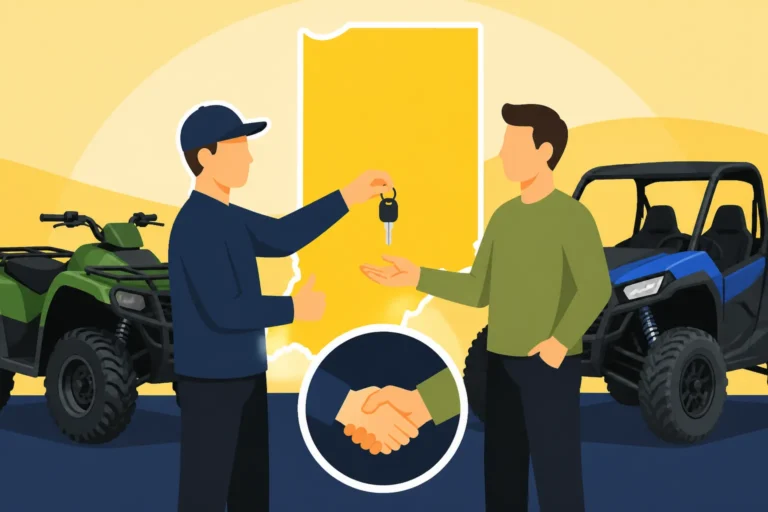
Not just any scribbled note will suffice as a valid bill of sale. To be considered legitimate in Indiana for ORV purposes, a bill of sale needs to be comprehensive and contain specific, accurate information. It should clearly identify both the buyer and the seller, including their full names, addresses, and contact information. Crucially, it must include a detailed description of the off-road vehicle itself: the make, model, year, color, and most importantly, the Vehicle Identification Number (VIN). The VIN is paramount, as it's the unique identifier for your machine, much like a social security number for an individual. Without it, the bill of sale can be deemed incomplete and invalid.
Furthermore, the purchase price, the date of the sale, and the signatures of both the buyer and the seller are absolutely essential. The date is particularly critical as it marks the beginning of your 45-day grace period. An incomplete or poorly detailed bill of sale can cause significant problems not only during the initial riding period but also when you attempt to title and register the machine. If you're unsure about what a proper bill of sale should look like, many reputable sources offer templates. For example, using a standardized form, perhaps one found on a service like LawDepot, can ensure you include all necessary information and avoid future headaches. A well-prepared bill of sale is your first line of defense and your most important temporary document. For a deeper dive into what makes this document essential, check out [An Indiana Bill of Sale for an ORV].
What You Can Do With a Fresh Bill of Sale (and What You Can't)
Having a fresh bill of sale in Indiana gives you temporary permission to ride your ORV, but it doesn't open up every door. It's crucial to understand the scope of what this document allows and, more importantly, what limitations still apply. The bill of sale primarily serves as proof of ownership during the transition period before you receive your official title and registration. This means it often satisfies the "who owns this machine" question when you're on private land or entering a designated riding park, but it doesn't override other fundamental ORV laws or grant special privileges.
You're still subject to all other Indiana ORV regulations regarding rider age, helmet use, machine modifications, and where you can actually operate the vehicle. Think of the bill of sale as a temporary ownership pass, not a magic waiver for all other rules. Ignoring these other regulations, even with a valid bill of sale, can lead to citations, fines, or even having your riding privileges revoked. Always assume that while your ownership is temporarily covered, the operational rules of the road (or trail) remain firmly in place.
Riding Private Land and Designated ORV Parks
During that initial 45-day window, your fresh bill of sale provides sufficient proof of ownership to ride on private property, provided you have the landowner's explicit permission. This is generally the safest and least complicated place to enjoy your new machine while waiting for your official documents. On private land, the primary concern is ownership and permission, both of which a valid bill of sale addresses. You won't typically be questioned about registration decals if you're on your own property or a friend's land with their consent.
When it comes to designated off-road parks, like the popular [Redbird Off-Road State Recreation Area] or [Interlake Off-Road State Recreation Area], the situation is a bit nuanced. These parks typically require an Indiana ORV trail permit for anyone riding, regardless of how new your machine is. However, for the purpose of proving ownership when obtaining that permit, a fresh bill of sale is usually accepted during the 45-day grace period. Park staff understand the lag in receiving state-issued decals. You will still need to purchase the park's trail permit and entrance fee. It's always a good idea to call ahead to the specific park you plan to visit, just to confirm their exact requirements, especially if you're right on the cusp of that 45-day window. They might appreciate seeing a comprehensive bill of sale, perhaps one you secured through a service like LawDepot, to ensure all details are clear and legible.
Road Use and Public Right-of-Way Restrictions
This is where the limitations of a bill of sale become very clear and very firm: a fresh bill of sale absolutely does not permit you to operate your off-road vehicle on public roads, highways, or public rights-of-way in Indiana. Even if you're within your 45-day grace period for registration, this temporary ownership document doesn't grant your ORV "street-legal" status. Indiana has very specific and generally restrictive laws regarding where ATVs and UTVs can be operated on public roads, and these permissions are almost always tied to having current, visible registration decals and often depend on specific local county ordinances.
Attempting to ride on a public road with only a bill of sale is a quick way to get pulled over and potentially face a citation for operating an unregistered vehicle or for illegal road use. The bill of sale covers the ownership aspect, but not the operational legality on public thoroughfares. Even crossing a road in Indiana requires specific conditions to be met, including a complete stop, yielding to traffic, and crossing at a 90-degree angle, and even then, your machine should be legally registered. The simple fact is that until your ORV is fully titled and registered with the state, and if applicable, permitted under a specific county ordinance, it should not be on any public road, shoulder, or ditch. For more detailed information on what Indiana allows, consult [Are ATVs Street Legal in Indiana?].
Beyond the Bill of Sale: The Next Steps
While that 45-day grace period with your bill of sale offers a temporary reprieve, it's just that—temporary. The clock is ticking, and the expectation is that you will move swiftly to complete the necessary legal steps to fully title and register your off-road vehicle. Failing to do so can quickly turn the excitement of a new purchase into a frustrating and expensive ordeal. Indiana is serious about its ORV regulations, and once that 45-day window closes, operating your machine without proper documentation will lead to penalties.
This transition from a temporary document to official state-issued credentials is not optional; it's a mandatory part of responsible ORV ownership in Indiana. It involves specific paperwork, fees, and a visit to your local license branch or authorized service provider. Understanding these next steps is crucial for long-term enjoyment and compliance. Don't let the initial flexibility lull you into a false sense of security; plan to get your permanent documents in order well before the deadline.
Titling Your ORV in Indiana
Titling your ORV is a fundamental step in establishing legal ownership in Indiana, especially for machines bought after 2009. If your machine was purchased new or used after December 31, 2009, it generally requires a title. This title is a legal document that proves who owns the vehicle, which is different from registration, though the two processes are often linked. The state of Indiana implemented this requirement to better track ownership and deter theft, providing greater protection for buyers and sellers.
You have that same 45-day deadline from the purchase date to apply for your title, or you could face an administrative penalty. This is a common point of confusion for new owners, as they sometimes assume the bill of sale is enough, or they don't realize the title is separate from the registration. To apply for a title, you'll need your valid bill of sale, the previous title (if you bought it used from a seller who had already titled it), and a completed Application for Certificate of Title. Ensure all information is accurate and matches your bill of sale precisely. A clear title is paramount for legally selling the machine later down the road and for avoiding disputes over ownership. Dive deeper into this process by checking out [Titling an ORV in Indiana] and understanding [Indiana's Forty-Five Day Titling Deadline].
Registering Your ORV and Getting Your Decal
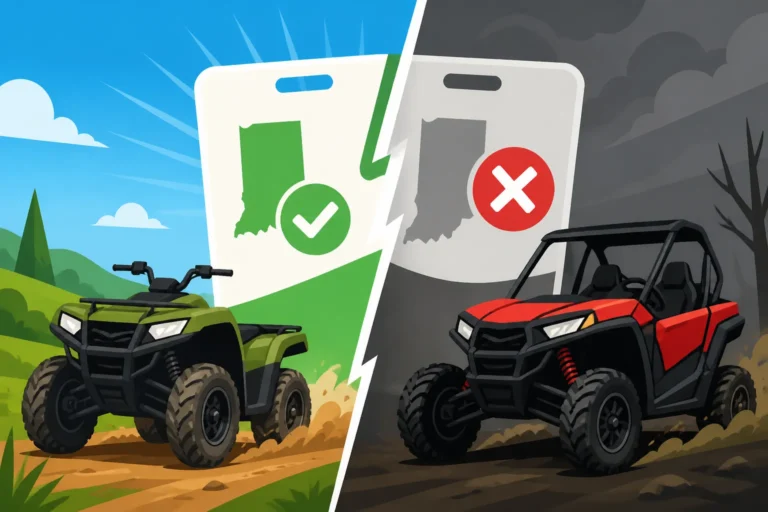
Once your ORV is titled (or if it's an older machine exempt from titling, but still needs registration), the next crucial step is registration. In Indiana, ORVs are registered for a three-year period, meaning you'll need to renew it every three years. This registration comes with a physical decal that must be prominently displayed on your machine. This decal serves as visible proof to law enforcement and park rangers that your machine is legally registered for use in Indiana.
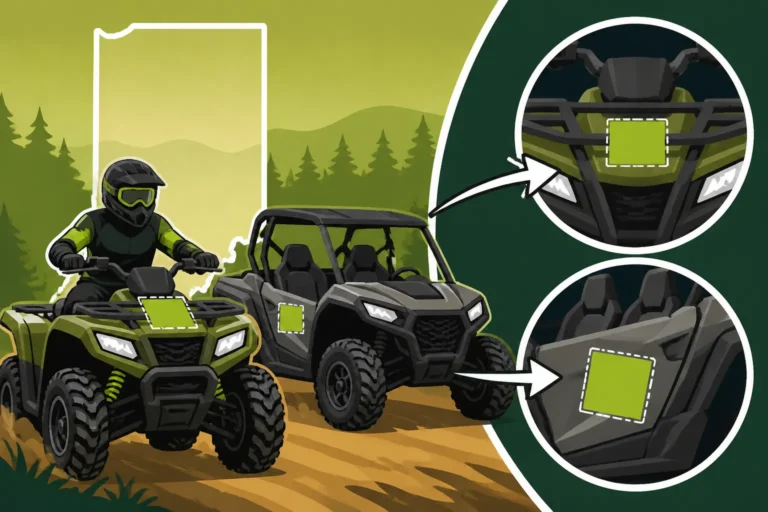
The registration process typically involves submitting your title or proof of ownership, your bill of sale, and the appropriate application and fees to a local license branch. While you can often title and register at the same time, remember they are distinct legal requirements. Once registered, you'll receive your registration certificate immediately, but the decal itself usually takes a little time to arrive in the mail. Be prepared for [Indiana's Twenty-One Day Wait for a Decal] after completing your registration. The decal needs to be mounted in a specific location, typically on the forward half of the machine in a clearly visible spot. For more information on proper placement, refer to [Where the Indiana Decal Mounts]. Staying on top of this process ensures continuous legal operation of your ORV and avoids any lapse in your riding privileges. You can find comprehensive details on the overall process by reading [Registering an ORV in Indiana] and learning about [Indiana's Three-Year ORV Registration].
Practical Advice and Avoiding Pitfalls
Embarking on the journey of ORV ownership in Indiana is exciting, but navigating the initial legalities can feel like a minefield. Many new owners, eager to hit the dirt, overlook small details that can lead to big headaches. The key to a smooth transition from buyer to fully compliant rider is proactive planning and careful attention to documentation. Don't underestimate the importance of your paperwork; it's more than just a formality—it's your legal shield.
Beyond just understanding the rules, there are practical steps you can take to make the entire process easier and ensure you're always prepared. From safeguarding your critical documents to strategically planning your first outings, a little foresight goes a long way. The goal is to maximize your time on the trails and minimize any potential legal or administrative snags that could derail your fun.
Keeping Your Documentation Safe and Accessible
During the 45-day grace period, and even after your ORV is fully titled and registered, always keep your bill of sale and subsequent registration certificate safe and accessible. While you might not need the original title out on the trails, a copy of your bill of sale and your current registration certificate are essential. Consider carrying a laminated copy or a clear, legible digital photo on your phone for easy access. However, keep in mind that a digital photo might not always be accepted as primary proof, so a physical copy is often preferred.
For rides, particularly to designated parks or on long trail excursions, it's a smart move to store your paperwork in a waterproof container or a dry box attached to your machine. The elements on a trail can be unforgiving, and muddy, illegible documents are as good as no documents at all. While you might not want to carry your original, irreplaceable title document with you every time you ride, having readily available proof of ownership and registration can save you a lot of trouble during a roadside stop or at a park gate. For tips on how to keep your important papers secure and dry, read [Keeping Paperwork in a Dry Box].
Planning Your First Rides
Once you've got your fresh bill of sale in hand and are ready to experience the thrill of your new ORV, careful planning for your first rides is essential. During that 45-day period, remember your bill of sale acts as your temporary proof of ownership. When heading to a designated ORV park, ensure you understand their specific entry requirements. While the bill of sale covers ownership temporarily, you will still need to purchase a DNR trail permit and pay any park entrance fees. It's always a good practice to call the park ahead of time, especially if your purchase is very recent, to confirm what documentation they expect to see. They'll appreciate knowing you've done your homework, and presenting a clear, detailed bill of sale—perhaps one you printed from a reliable source like LawDepot—can facilitate a smooth entry.
For your very first outings, perhaps stick to private land with permission, or choose a well-known, beginner-friendly trail. Avoid pushing the limits of your machine or your skills until you're more familiar with both. Always ride with appropriate safety gear, including a DOT-approved helmet, and be aware of any age restrictions or supervision requirements for younger riders. The excitement of a new machine is incredible, but responsible riding, backed by proper documentation and adherence to all safety regulations, ensures that enjoyment lasts for years to come.
| Document Type | Purpose | Legal Status for Riding (45-day grace) | Required for Public Road Use? | What it Proves |
|---|---|---|---|---|
| Bill of Sale | Proof of purchase & temporary ownership | Yes (for 45 days) | No | Who bought the machine, when, from whom, VIN |
| Indiana Title | Official, permanent proof of legal ownership | No (must apply within 45 days) | No | Legal owner of the ORV, lienholder if any |
| Indiana ORV Reg. | Permission to operate on designated trails/land | No (must apply within 45 days) | Yes (for any road exceptions) | Machine is registered with the state |
| ORV Decal | Visible proof of current registration | No (waived for 45 days, then required) | Yes | Machine is current on its 3-year registration |
Disclaimer
This article is for general informational purposes only and does not constitute professional advice. Laws, prices and regulations vary by location and change over time. Consult a qualified professional for guidance on your specific situation.