Checking a VIN Before an Indiana Purchase
Buying a used ATV or UTV in Indiana can feel like a fantastic opportunity to hit the trails, but it often comes with the nagging fear of inheriting someone else's problems – or worse, a stolen machine. No one wants to spend hard-earned money only to discover they've bought a lemon or something that isn't even legally theirs. This guide is here to walk you through the essential steps of checking a Vehicle Identification Number (VIN) before you hand over any cash, helping you buy with confidence and avoid costly mistakes.
Why Checking the VIN is Your First Line of Defense When Buying an ORV
Picture this: you've found what seems like the perfect side-by-side or quad for sale in a small Indiana town. The price is right, the machine looks clean, and the seller seems friendly enough. It's easy to get caught up in the excitement, but skipping a crucial step like checking the VIN can turn that dream machine into a nightmare. This isn't just about being overly cautious; it's about protecting yourself from significant financial and legal headaches down the road.
Avoiding Stolen Machines and Legal Headaches
The absolute top reason to check a VIN is to ensure you're not buying a stolen off-road vehicle. Unfortunately, powersports machines are prime targets for theft, and innocent buyers often become unwitting participants in these crimes. Imagine the shock and frustration of having your newly purchased ATV confiscated by law enforcement because it was reported stolen months ago, perhaps from another county or even a neighboring state like Ohio or Kentucky. Not only do you lose the machine, but you're also out the money you paid, with little recourse. A thorough VIN check against national databases can often reveal if a machine has been reported stolen, saving you from this devastating scenario. It's a simple step that provides an immense amount of security. [Buying a Used ORV in Indiana] should always start with this critical verification.
Uncovering Hidden Damage and Repair History
Beyond theft, a VIN check can be a powerful tool for uncovering the true history of the machine you're considering. It's like a deep dive into its past. While an online listing or a quick visual inspection might show a shiny coat of paint, a VIN check can reveal if the ORV has a history of major accidents, flood damage, or even if it's been declared a "salvage" title. This kind of information is invaluable. A seller might conveniently "forget" to mention that the quad was T-boned and rebuilt, or that it sat partially submerged in a barn during a flood. Knowing about significant prior damage allows you to assess the machine's long-term reliability and negotiate a fair price, or simply walk away if the risks are too high. You wouldn't buy a used car without checking its history, and an ORV deserves the same scrutiny.
Verifying Ownership and Title Status
Another critical aspect a VIN check helps clarify is the machine's true ownership and title status. In Indiana, ORVs bought after 2009 generally require a title, while older machines might be [Title-Optional Machines in Indiana]. It can get a little complicated! You need to ensure the person selling the ORV is the legal owner and that the title is clean, meaning no liens (outstanding debts) are attached to it. If the VIN check shows a different owner than the seller, or if there's a lien from a bank or finance company, that's a massive red flag. Buying a machine with an outstanding lien means that the bank could repossess it to cover the debt, even if you paid the seller in full. Verifying the VIN against the title paperwork is a non-negotiable step to prevent future ownership disputes.
Decoding the Vehicle Identification Number
The Vehicle Identification Number (VIN) is essentially your ORV's unique fingerprint. It’s a standardized code that provides a wealth of information about the machine. Understanding what the VIN tells you and where to find it are foundational steps before you even begin to consider a purchase. Think of it as the ultimate source of truth for that particular off-road vehicle.
What the 17 Characters Tell You
Every VIN is a 17-character sequence of letters and numbers, uniquely identifying the specific ORV. Each position in this code holds a specific meaning, revealing details about the manufacturer, the country of origin, the model year, the plant where it was assembled, and even specific engine or chassis information. While you don't need to be a VIN expert to perform a check, knowing that these characters are more than just a random string is important. The standardized format means that regardless of the manufacturer – whether it's Polaris, Can-Am, Yamaha, or Honda – the VIN provides a consistent way to trace its history. It's designed to be tamper-proof and provides a reliable anchor for all official records related to the vehicle.
Where to Locate the VIN on an ORV
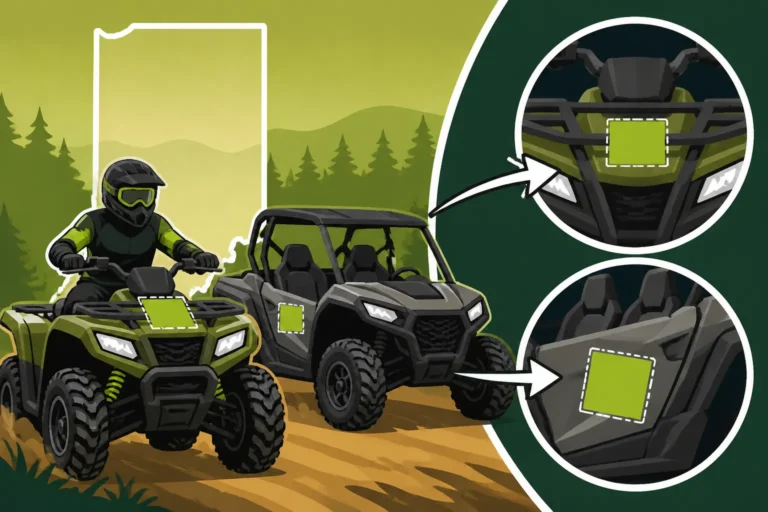
Finding the VIN on an ATV or UTV is usually straightforward, but its exact location can vary slightly depending on the make and model. Generally, you'll want to look for it stamped directly onto the frame of the vehicle. Common spots include:
- Front Frame: Often visible on the front frame tube, near the handlebars or steering column.
- Rear Frame: Sometimes located on a rear frame rail, near the rear axle or footpegs.
- Engine Casing: Less common for the primary VIN, but some manufacturers might have a partial VIN or engine serial number here.
- Manufacturer's Plate: Occasionally found on a small metallic plate or sticker, typically riveted to the frame.
It's absolutely critical to physically inspect the VIN on the machine itself. Do not rely solely on photos or what the seller tells you. Make sure the VIN is clearly stamped, legible, and shows no signs of alteration, grinding, or tampering. Any indication that the VIN has been messed with should raise an immediate and serious red flag. Always compare the VIN found on the machine to the VIN listed on the title, registration, or any other paperwork the seller provides. Discrepancies here are a sure sign to walk away. If you're having trouble locating it, refer to the owner's manual for that specific model, or do a quick online search for "VIN location [make/model of ORV]". For machines bought after 2009, the Indiana BMV tracks these VINs closely. [Why Indiana Titles Machines Bought After 2009] explains this more.
The Importance of a Clear and Undamaged VIN
A clear, legible, and untampered VIN is non-negotiable when buying a used ORV. Why is this so important? First, it ensures that any background check you perform is actually for the machine you're looking at. If the VIN is obscured or unreadable, any search you run could be for a completely different vehicle, rendering the entire process useless. Second, and perhaps more critically, an altered or damaged VIN is a strong indicator of potential theft or an attempt to hide the machine's true identity. Criminals often try to remove, grind down, or re-stamp VINs to disguise stolen property. If you encounter a VIN that looks suspicious in any way, even if the seller has a plausible-sounding story, it’s best to err on the side of caution. An honest seller will understand your need for verification and will have no problem with you thoroughly inspecting the VIN. If they push back or try to rush you, consider it another warning sign. Sometimes, the VIN might just be covered in mud or dirt from a recent ride; a quick cleaning should reveal it clearly. If it doesn't, be very wary.
Step-by-Step Indiana VIN Check Process
Once you understand the importance of the VIN and how to find it, the next step is actually performing the check. This process involves leveraging various resources to pull up the machine's history. Don't skip these steps; they are your best defense against a bad purchase.
Utilizing Online Databases and Services
There are several online services designed to help you run a VIN check. Websites like NICB (National Insurance Crime Bureau) offer free VIN lookup tools to check if a vehicle has been reported stolen, often through their VINCheck tool. While this is an excellent starting point, it might not provide a comprehensive history of accidents or liens.
For a more in-depth report, you might consider paid services. These services often pull data from various sources, including insurance companies, salvage yards, law enforcement records, and titling agencies. They can provide details on:
- Accident history: If the ORV has been involved in reported collisions.
- Salvage or flood titles: Indicating severe damage.
- Odometer discrepancies: Though less common on ORVs, still useful.
- Lien records: Any outstanding loans against the machine.
When choosing a paid service, look for one that specifically caters to powersports vehicles, as some are more focused on cars and trucks. Always compare the information provided by the online service with the seller's documentation, like the title and any maintenance records. If you're looking to create your own robust sales documents after a successful VIN check, a platform like LawDepot can provide templates for an Indiana Bill of Sale that includes space for VIN details.
Leveraging Law Enforcement Resources
For an even more direct and authoritative check on whether a machine is stolen, don't hesitate to contact your local Indiana law enforcement agency – this could be your county Sheriff's Department or the Indiana State Police. You can usually call their non-emergency line and ask them to run the VIN through their database. Be prepared to provide the VIN accurately and explain that you're considering purchasing the off-road vehicle. They can tell you if the machine has been reported stolen or has any other flags in their system.
It's important to understand that law enforcement agencies generally won't provide a full history report like a paid service would; their primary function is to check for theft and other criminal activity. However, this is arguably the most critical part of the VIN check process, as unknowingly buying a stolen ORV can lead to immediate confiscation and no reimbursement. If the ORV's paperwork seems fishy, or the seller can't provide a clear title, a law enforcement check becomes absolutely essential. It's a free service that offers unparalleled peace of mind regarding the legality of the machine.
Cross-Referencing with Seller's Documentation
This step is where everything comes together. After you've physically inspected the VIN on the ORV and run it through online and law enforcement checks, you must compare all this information with the documentation the seller provides. This includes:
- The ORV Title: This is the most crucial document. Ensure the VIN on the title exactly matches the VIN on the machine and any reports you've generated. Check for any signs of alteration on the title itself. Verify the seller's name matches the name on the title.
- Registration Card: While less authoritative than a title, the registration card (if applicable) should also show the correct VIN. Remember that [Registering an ORV in Indiana] is a separate process from titling.
- Bill of Sale: If the seller has a previous bill of sale from when they bought the machine, check the VIN on that document as well. This helps establish a chain of ownership. A good [An Indiana Bill of Sale for an ORV] will clearly list the VIN.
- Maintenance Records: Any service records or repair receipts should also reference the VIN. Consistent VINs across all documents build confidence in the machine's legitimacy and history.
Any inconsistencies – even a single character difference – between the physical VIN on the ORV, the title, and your independent checks are major red flags. Do not proceed with the purchase until these discrepancies are fully and satisfactorily explained, ideally with supporting documentation. If the seller has an Indiana ORV registration decal, ensure the decal number matches up as well. [The Indiana ORV Decal Explained] details what those numbers mean.
Red Flags a VIN Check Can Uncover
The power of a VIN check lies in its ability to reveal problems that an excited buyer might otherwise overlook. These issues can range from simple administrative errors to outright fraud, each carrying its own set of potential headaches for the new owner. Knowing what to look for can save you a world of trouble and ensure your purchase is legitimate.
Discrepancies in Ownership Records
One of the most immediate red flags a VIN check can uncover is a mismatch in ownership records. If the VIN report shows a different owner than the person standing in front of you trying to sell the ORV, that's a serious problem. Perhaps the seller hasn't formally transferred the title into their name yet, which could indicate a title jumping scheme or simply a seller who procrastinated on the paperwork. In Indiana, failing to transfer a title promptly can lead to [Indiana ORV Late Title Penalty]. Or, worse, it could mean the ORV was stolen and the seller is trying to flip it quickly.
Similarly, if the report indicates multiple rapid transfers of ownership in a short period, it might suggest the machine is being "cleaned" or has a history of problems that previous owners quickly offloaded. An honest seller will have a clear chain of ownership, with their name matching the most recent title document. If the seller claims they "never titled it" because it was an older machine, or because they only used it on private land, you need to understand [Why Some Indiana Machines Never Needed a Title] and [Filing an Ownership Affidavit for a Quad With No Paperwork] might be required if it's truly a title-optional scenario. Otherwise, insist on a properly titled machine.
History of Major Accidents or Salvage Titles
A VIN check service can also reveal if the ORV has a history of major accidents or if it has been issued a "salvage" title. A salvage title is typically issued when an insurance company declares a vehicle a total loss due to severe damage (e.g., collision, fire, flood). While a salvage ORV might be rebuilt and appear functional, it inherently carries a higher risk. The structural integrity could be compromised, and underlying issues might surface long after the purchase.
Buying an ORV with a salvage title almost always means it will be worth significantly less than a clean-titled machine, and it might be harder to get insurance or resell later. Some states also have specific requirements for inspecting and re-titling a salvage vehicle before it can be legally operated. Even if it's been rebuilt, you need to understand the extent of the damage. For instance, an ORV caught in an Indiana flood, even if it runs now, might develop electrical problems or rust issues over time. These are the kinds of hidden problems that a VIN check brings to light, empowering you to make an informed decision rather than a hopeful guess.
Unpaid Liens or Financial Encumbrances
Perhaps one of the most frustrating discoveries a VIN check can reveal is an unpaid lien against the ORV. A lien means that a bank, credit union, or another financial institution has a legal claim to the vehicle because it was used as collateral for a loan. If the seller hasn't paid off that loan, the lien remains on the title. Buying a machine with an active lien means you're purchasing it subject to that debt. In other words, if the seller defaults on their loan, the lender can legally repossess the ORV from you, even though you paid the seller in full.
This scenario leaves you without the machine and out of pocket. A VIN check will typically show if there's an outstanding lienholder listed on the title. If one is present, insist that the seller provide proof that the lien has been satisfied and that a "lien release" document has been filed with the titling agency before you complete the purchase. Never take possession of an ORV with an active lien unless you are directly involved in the lien payoff process with the lender to ensure the title is transferred free and clear. This is crucial for your financial protection when buying any significant asset. [Checking Paperwork Before You Pay] is vital for this very reason.
What to Do After Your VIN Check
Once you've diligently performed your VIN check and reviewed all the findings, you're at a critical juncture. This information should guide your next steps, whether that means confidently moving forward with the purchase, negotiating a better deal, or deciding to walk away entirely. The data you've gathered is your leverage.
Proceeding with Confidence or Walking Away
The results of your VIN check will largely dictate your next move. If the VIN check comes back clean—no theft reports, no major accidents, clear title, and the seller's name matches—then you can proceed with a much higher degree of confidence. This means you’ve successfully mitigated many of the major risks associated with buying a used ORV. You can feel good about moving on to a physical inspection, test ride, and finalizing the purchase.
However, if the VIN check reveals any significant red flags—a stolen vehicle report, a salvage title, an active lien, or major discrepancies in ownership—then the answer is simple: walk away. Seriously. The potential headaches and financial losses far outweigh the perceived deal or the excitement of getting a new machine. There are always other ATVs and UTVs for sale in Indiana, and your peace of mind is worth more than a questionable purchase. Don't let a friendly seller or a low price sway you if the VIN check screams trouble. You'll be glad you dodged a bullet.
Negotiating Based on Findings
Even if the VIN check doesn't uncover any deal-breakers, it might reveal information that gives you strong grounds for negotiation. For example, perhaps the report shows a minor accident history, or that the ORV has had more owners than typical for its age. While not necessarily reasons to walk away, these details can affect the machine's long-term value and reliability.
If you discover such issues, be prepared to use them to negotiate the price down. Present the information calmly and factually to the seller. "I noticed from the VIN check that this machine had a minor incident two years ago, which might affect its resale value down the line. Would you be willing to adjust the price to reflect that?" This approach demonstrates that you've done your homework and aren't just making a lowball offer out of thin air. An honest seller will often be more willing to negotiate if presented with concrete facts from a reliable source. This is a crucial step in [Buying a Used ORV in Indiana] smartly.
Documenting Everything with a Bill of Sale
Regardless of whether you walked away or successfully negotiated, if you decide to purchase the ORV, the final step is to secure a comprehensive Bill of Sale. This document is your legal record of the transaction and should include:
- Seller and Buyer Information: Full names, addresses, and contact details for both parties.
- ORV Details: Make, model, year, and most importantly, the full 17-character VIN.
- Purchase Price: The agreed-upon selling price.
- Date of Sale: The exact date the transaction occurred.
- As-Is Clause: Most private sales are "as-is," meaning you accept the machine in its current condition with no warranties. Ensure this is stated.
- Signatures: Both buyer and seller should sign and date the document.
Having a robust Bill of Sale protects both parties and is essential for future titling and registration processes in Indiana. It’s also proof of your purchase and the agreed-upon terms. Websites like LawDepot offer customizable Bill of Sale templates specifically designed for vehicle sales, which can be an excellent resource to ensure all necessary details are included. This documentation is critical for [Registering an ORV in Indiana] and for verifying ownership in any future dispute.
| Red Flag | Potential Implication for Buyer | Action to Take |
|---|---|---|
| Reported Stolen | Immediate confiscation, loss of purchase money, legal involvement | ABSOLUTELY DO NOT BUY. Contact law enforcement. |
| Active Lien | Lender can repossess machine from you, loss of purchase money | Insist on lien release; ensure direct payoff, or walk away. |
| Salvage Title | Severe prior damage, compromised reliability, lower resale value | Proceed with extreme caution; negotiate price heavily or walk away. |
| Ownership Discrepancy | Seller's name doesn't match title; unclear chain of ownership | Demand proof of legal ownership; verify title transfer, or walk away. |
| VIN Tampering | Likely stolen vehicle, illegal activity, major legal issues | ABSOLUTELY DO NOT BUY. Contact law enforcement. |
| Major Accident History | Potential hidden damage, reduced longevity, safety concerns | Negotiate price, get professional inspection, or walk away. |
| Multiple Rapid Transfers | "Flipped" machine, potential undisclosed issues from prior owners | Investigate deeper, get professional inspection, negotiate. |
Common Mistakes and Best Practices for Indiana Buyers
Even with all the right intentions, it’s easy to make mistakes when you’re excited about a new ORV. Avoiding these common pitfalls and adopting best practices will significantly increase your chances of a smooth, successful purchase in Indiana. This is about being smart and patient, not just lucky.
Don't Rush the Inspection
The biggest mistake many buyers make is rushing the process. A seller might try to pressure you, saying they have other interested parties or that they're in a hurry. Don't fall for it. Take your time to thoroughly inspect the ORV, verify the VIN, and review all documentation. This includes physically examining the VIN on the frame, making sure it’s untampered and matches the title exactly.
Rushing can lead to overlooking crucial details, like a scratched-out VIN digit, missing paperwork, or a quick visual inspection that misses signs of severe rust or frame damage. Remember, once the money changes hands and the Bill of Sale is signed, especially for an "as-is" private sale, recourse can be extremely limited. A few extra minutes of careful checking can save you thousands of dollars and countless headaches. Be prepared to ask the seller for their driver's license to verify their identity against the title, and take photos of all documents.
Always Get it in Writing
Verbal agreements are worth very little when issues arise, especially in a private sale setting. Every significant detail of the transaction must be in writing. This includes:
- The Bill of Sale: As mentioned earlier, this is non-negotiable. Ensure it contains all essential information, including the full VIN, purchase price, date, and signatures.
- Lien Release Documentation: If there was a lien, get a copy of the official lien release from the financial institution.
- Title: Ensure the seller signs over the title correctly, exactly as their name appears on it. Mistakes here can lead to issues when you go to [Titling an ORV in Indiana] yourself.
If the seller promises something (e.g., "I'll send you the title next week," or "I'll get that repair done"), get it in writing with clear timelines and consequences if not met, or better yet, make it a condition of the sale that these items are completed before you hand over payment. LawDepot can be a useful tool for drafting not just a Bill of Sale, but other legal documents if specific agreements need to be made.
When in Doubt, Seek Professional Help
If at any point during your VIN check or machine inspection you feel uncertain, confused, or have a gut feeling that something isn't right, don't hesitate to seek professional help. This could mean:
- Taking the ORV to a Mechanic: Arrange for a pre-purchase inspection by a trusted mechanic who specializes in ATVs/UTVs. They can uncover mechanical issues that you might miss.
- Consulting Law Enforcement: As previously mentioned, call your local police or sheriff's department to run the VIN for theft.
- Contacting the Indiana BMV: If you have questions about specific titling requirements or discrepancies on an Indiana title, the Bureau of Motor Vehicles can often provide clarification. You might need to visit a local license branch.
- Legal Advice: For very complex situations, especially involving liens or highly suspicious titles, consider a brief consultation with an attorney.
Spending a little money on professional advice upfront can prevent a much larger, more expensive problem later. Remember that when you're [Buying a Used ORV in Indiana], you're taking on all the history of that machine. An objective third party can offer invaluable insights and peace of mind. For example, if you're [Tracing a Serial Number on a Frame] and it looks like it's been tampered with, a professional opinion is indispensable.
Disclaimer
This article is for general informational purposes only and does not constitute professional advice. Laws, prices and regulations vary by location and change over time. Consult a qualified professional for guidance on your specific situation.