Indiana Rules for an Organized Ride
Indiana organized ATV and UTV rides may need event approval, but each rider must still meet separate trail, registration, and road-use rules.
Your sticker stops at the state line.
Non-resident permits, what they cost and how long they last, and which states honor each other’s — or, increasingly, none at all.
Indiana organized ATV and UTV rides may need event approval, but each rider must still meet separate trail, registration, and road-use rules.
Indiana annual ORV permits follow an April 1 to March 31 cycle, not a purchase anniversary; check expiration dates and separate registration requirements.

Indiana ATV and UTV riders should get clear landowner consent, define where and when they may ride, and verify that private access covers the route.
Indiana Fish and Wildlife Areas are not general ORV parks: registration and trail permits do not replace permission to ride on a specific property.
Indiana youth ATV and UTV regulations require checking specific riding areas, age limits, supervision, and safety gear.
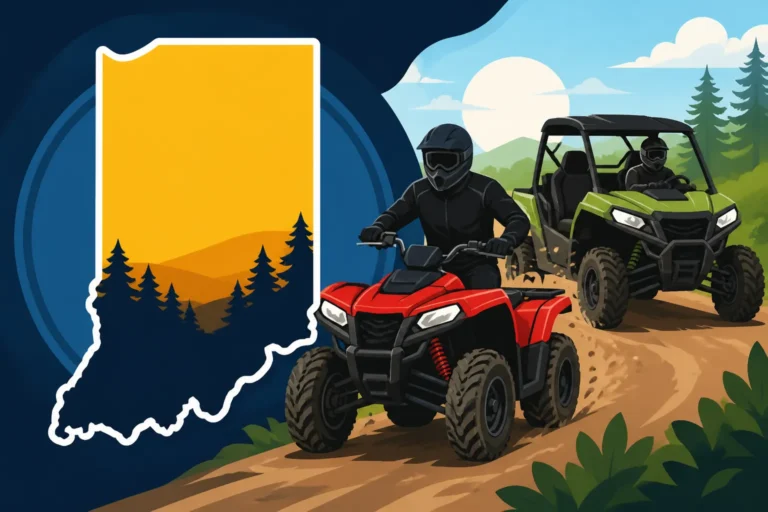
An Indiana off-road safety course teaches ATV and UTV handling skills, but it does not replace permits or registration.
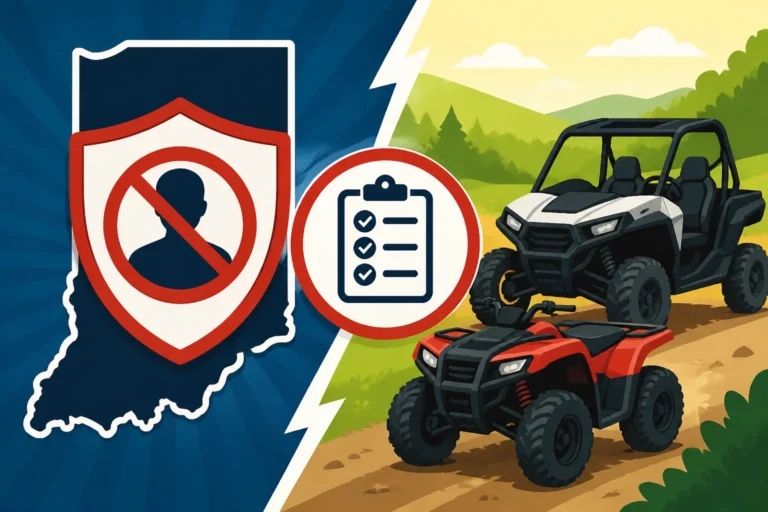
Indiana generally requires no ATV or UTV rider certificate, but training remains useful and permits, age, supervision and site rules still apply.
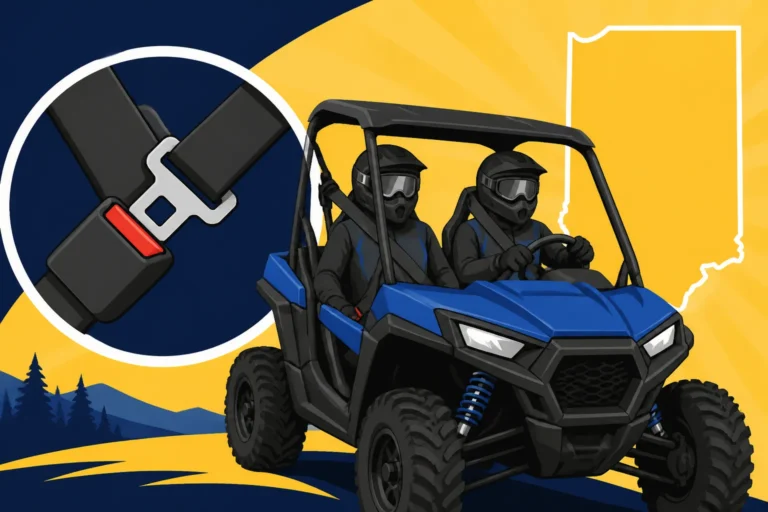
Indiana side-by-side occupants must use installed seat belts on public property; learn how the rule, helmets, permits, and safety checks fit together.
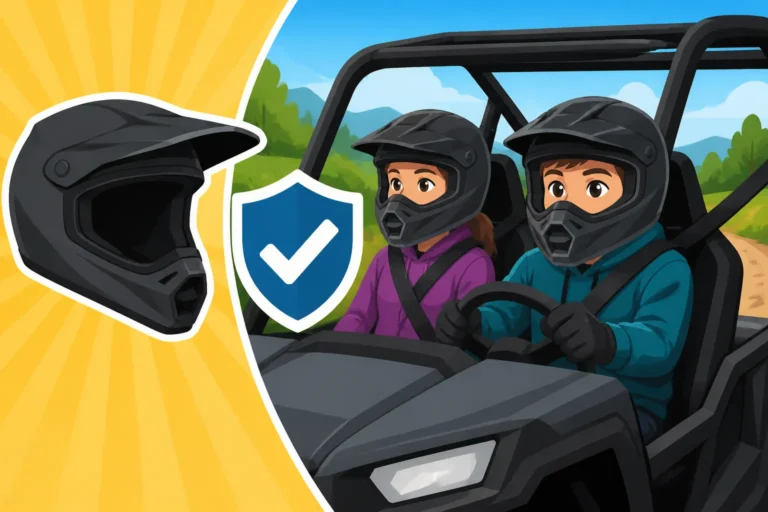
Indiana under-18 UTV riders generally need helmets unless an enclosed-cab exception applies; check the machine setup and riding-area rules before departure.
Why quads and dirt bikes skip Indiana’s seat-belt rule, how it applies to side-by-sides, and what riders should check before a trip.