Paying $20 More for an Out-of-State Annual
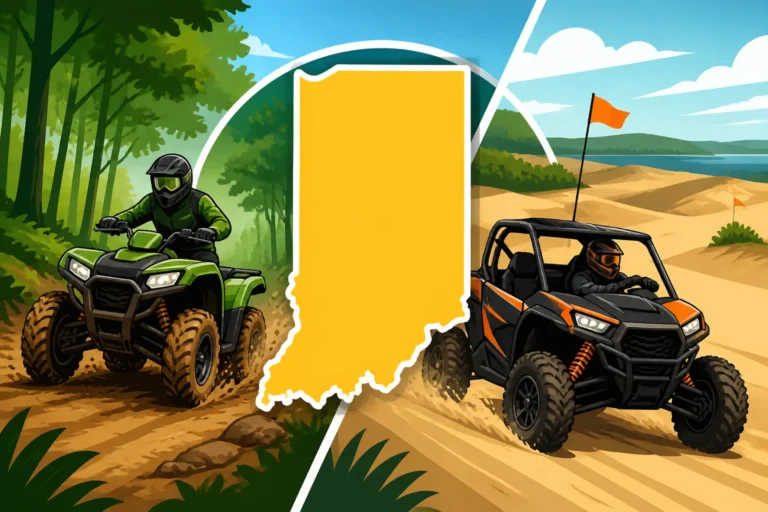
An out-of-state rider planning several Indiana trail days can hit an annoying surprise: the annual ORV permit costs more than the resident version, even when both permits provide the same kind of access. This guide explains the $20 difference, what the permit covers, when it can be worthwhile, and what to check before hauling your machine to an Indiana riding area.
What the Out-of-State Annual Permit Covers
The permit is for designated riding areas
Indiana’s annual ORV permit is associated with riding at the state’s off-road areas, including Redbird State Recreation Area near Dugger and Interlake State Recreation Area near Lynnville. It is not a general pass for every trail, road, or private park in Indiana. The places you can ride depend on land access and local rules, not simply on holding a permit.
That distinction matters because it’s easy to confuse a trail permit with permission to ride anywhere. A permit for a state recreation area does not make a county road, closed trail, or private property open to ORVs. If you’re planning a trip that includes more than one destination, check each site’s access rules separately. [Indiana's Daily and Annual Trail Permits] explains the basic difference between the permit options.
The annual permit is generally tied to an individual machine, rather than serving as one blanket pass for every ORV in a truck or riding group. Before buying, confirm how the permit applies to the specific machine you plan to ride and whether each additional vehicle needs its own permit. That detail can change the math quickly for a family or group bringing several machines.
It does not replace entrance fees or registration
An annual trail permit and a park entrance fee are separate items. Paying for the permit does not necessarily cover vehicle admission at the gate, and an entrance fee does not necessarily replace the ORV permit. Treat them as two different parts of the trip budget. [Why an Entrance Fee Sits on Top in Indiana] explains why the gate charge may still apply.
Also keep the permit distinct from your machine’s registration. Registration rules address the machine and its status for use; a trail permit addresses access to specific riding areas. An out-of-state registration does not automatically mean you can skip the permit required at an Indiana state ORV area. For the registration question, see [Does Indiana Honor Out-of-State Registration?]
This is a common source of frustration for visitors: they arrive with their home-state paperwork in order, then discover that a separate permit or entrance charge applies at the riding area. A quick check before loading can prevent a frustrating conversation at the gate and help you avoid having to sort out paperwork while everyone else is ready to ride.
Why the Nonresident Annual Costs $20 More
The difference is a resident and nonresident price distinction
The out-of-state annual permit is priced $20 higher than the resident annual permit in the comparison covered by this guide. The important point is the difference, not a particular total: permit schedules can change, so check the Indiana DNR’s official permit information before buying and use the amount shown there for your trip budget.
If you’re comparing options, [Indiana's Out-of-State Annual Permit] focuses on the nonresident version, while [Indiana's Daily and Annual Trail Permits] can help you compare annual access with day permits. The right choice depends on how often you expect to ride, which state areas you plan to visit, and whether the permit’s coverage matches those plans.
A higher nonresident price can feel unfair when you’re already paying for fuel, lodging, and travel. Still, the useful question is whether the annual permit makes sense for your own riding plans. If you’ll visit an Indiana state ORV area repeatedly, the additional $20 may be less important than the total cost and convenience of paying for separate daily permits. If you are only making one short visit, an annual permit may be more than you need.
Do not assume the price difference buys extra access
The nonresident permit is not a premium trail pass just because it costs more. Think of the price difference as a distinction between resident and nonresident permit pricing—not as an upgrade that opens additional trails or includes a separate set of services. Rules about where you can ride still depend on the area, trail status, and posted requirements.
That’s why it helps to separate three questions before you purchase:
- Do I need a permit for this riding area? Confirm the site’s rules and the type of permit it accepts.
- Which machine needs the permit? Check whether the permit is issued per vehicle and how it must be displayed or carried.
- What other charges apply? Confirm whether an entrance fee or another site-specific charge is separate.
If you are traveling from Ohio, Michigan, Illinois, or Kentucky, don’t assume the answer is the same at every destination. A state recreation area, a private riding park, and a public road each operate under different access rules. The annual permit is not a substitute for checking those differences.
Is the $20 Higher Annual Permit Worth It?
Compare your planned visits with day permits
Start with the number of visits you realistically expect to make—not the number you hope to squeeze in once the season gets busy. A rider making multiple trips to Indiana state ORV areas may value the simplicity of having an annual permit ready. Someone visiting once for a weekend may find that a day permit is the more sensible option.
Use this comparison as a planning tool:
| Your riding plan | What to compare | A practical question |
|---|---|---|
| One visit to a state ORV area | Day permit, annual permit, and entrance charge | Would buying annual access save enough hassle or money to matter? |
| Several visits during the riding season | Total day-permit spending versus annual permit | Are the visits likely enough that annual access fits your plans? |
| Several machines in one group | Permit requirements for each machine | Does every ORV need a separate permit? |
| A trip to a private park | The park’s own admission and riding rules | Does the Indiana state permit apply there at all? |
| A multi-stop trip | Rules and fees at every destination | Are you mixing state, private, and road riding? |
The table won’t settle the choice without the permit schedule and the fees at your intended park. It gives you a way to avoid a familiar budgeting mistake: comparing the annual permit only with daily permit prices while forgetting the gate charge, extra machines, or a destination where that annual permit does not apply.
For example, imagine a couple driving down for one weekend with two machines. They should first confirm whether each machine needs a permit, then compare the two-day permit cost with the nonresident annual option. If they plan to return several times, the annual permit may become more attractive. If this is likely their only Indiana trip, paying for unused access may not be worthwhile.
Factor in travel and planning, not just the permit
The permit is only one part of a nonresident riding trip. Fuel, lodging, food, trailer costs, and the entrance fee can outweigh a $20 difference. A useful budget starts with the whole trip: where you’ll ride, how long you’ll stay, which machines are coming, and whether the park’s conditions or hours make your planned riding time realistic.
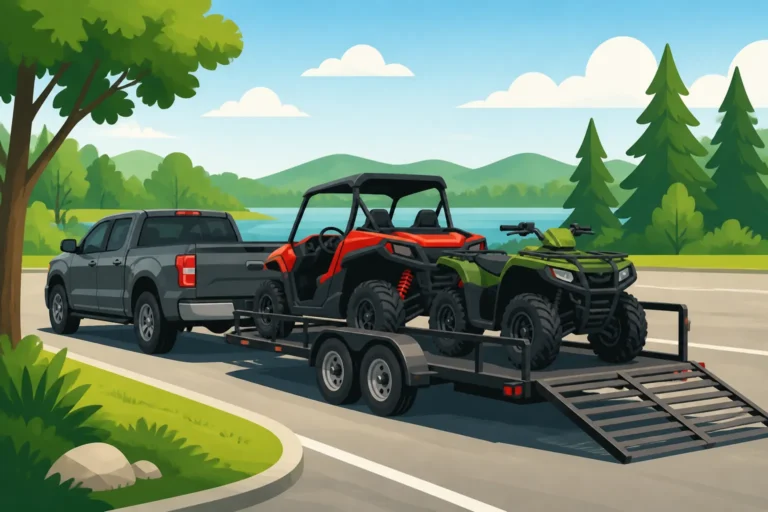
Mapping your route ahead of time can also prevent wasted miles. Tools such as onX Offroad can help you explore riding-area maps and plan the approach, but use official park information for operating rules, closures, and permit requirements. A map can help you organize a trip; it does not replace the posted rules at the trailhead.
If you are deciding between Redbird and Interlake, check the official trail maps and the area information for each destination. [Indiana Trail Maps From the DNR] is a useful place to start. You can also use onX Offroad to get a sense of the route and surrounding access, then confirm the actual trail status with the park before leaving.
How to Buy and Use the Permit Without a Gate-Day Headache
Check the details before you leave home
Before buying, confirm the current resident and nonresident permit options through Indiana’s official information. Make sure you are looking at the right permit for the machine and the riding area—not a similarly named pass intended for a different activity. Verify whether the permit is annual or daily, how it is issued, and what proof you need to show.
Then check the separate entrance requirements for the park. [Indiana State Recreation Area Entrance Fee] covers the distinction between area admission and trail access. If you are unsure whether your out-of-state registration changes the permit requirement, review [Indiana's Twenty-Day Visitor Rule] and the specific rules for your trip rather than relying on assumptions or advice from a friend who rode a different area.
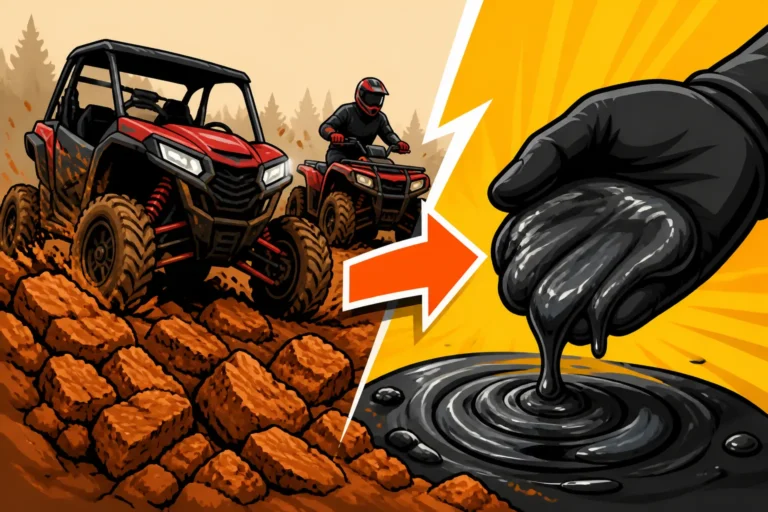
It’s also worth checking trail conditions close to departure. Rain can make reclaimed mine soil slick and rutted, while a closure can change which routes are available. [Indiana Trail Conditions Before You Ride] can help you build that check into your plans. onX Offroad may be useful for organizing routes, but use official park notices for closures and current operating information.
Keep proof accessible and follow posted area rules
Once you have the permit, make sure you understand how the park expects it to be displayed or shown. Keep any required proof somewhere accessible, rather than buried under gear or left in the tow vehicle when you reach a checkpoint. If you’re traveling with several machines, match the permit information to each vehicle before unloading.
At the riding area, follow posted signs and remain on open trails. An annual permit does not override a temporary closure, open a restricted route, or grant permission to ride on nearby land. If the trail network is unfamiliar, pause at the map board and confirm your route before the group spreads out. onX Offroad can support pre-trip planning, but posted signs and official directions at the area should guide your decisions on site.
Finally, budget for the permit as one piece of a larger trip—not as the ticket that makes every Indiana riding opportunity available. Check the current nonresident price difference, confirm the permit’s coverage, account for separate entrance charges, and make sure the places on your itinerary allow the kind of riding you have in mind. That small amount of preparation is much easier than discovering a missing requirement after the trailer is parked and the helmets are on.
Disclaimer
This article is for general informational purposes only and does not constitute professional advice. Laws, prices and regulations vary by location and change over time. Consult a qualified professional for guidance on your specific situation.