Riding Redbird for a Day
A day at Redbird can go sideways before you reach the first trail: a machine may need its own permit, the entrance fee is separate, and old mine terrain can be slicker or rougher than it looks from the staging area. This guide walks through planning, arrival, route choices, and practical safety so you can spend more of your day riding and less time sorting out surprises.
Plan a Redbird riding day
Know what kind of riding Redbird offers
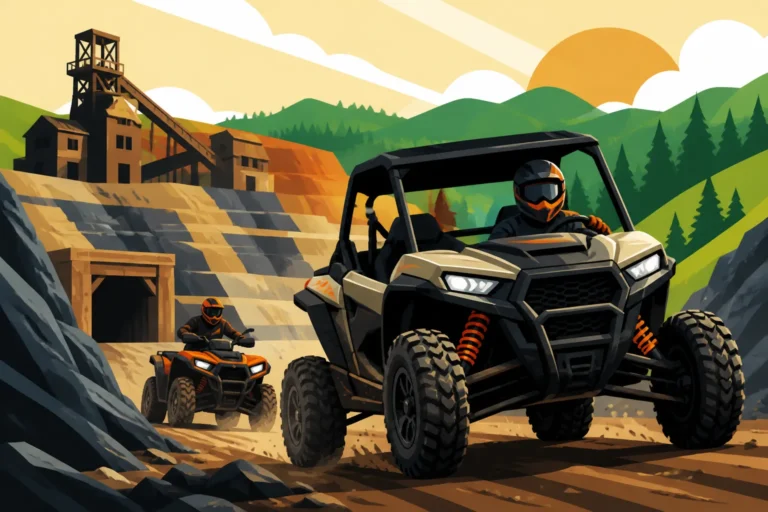
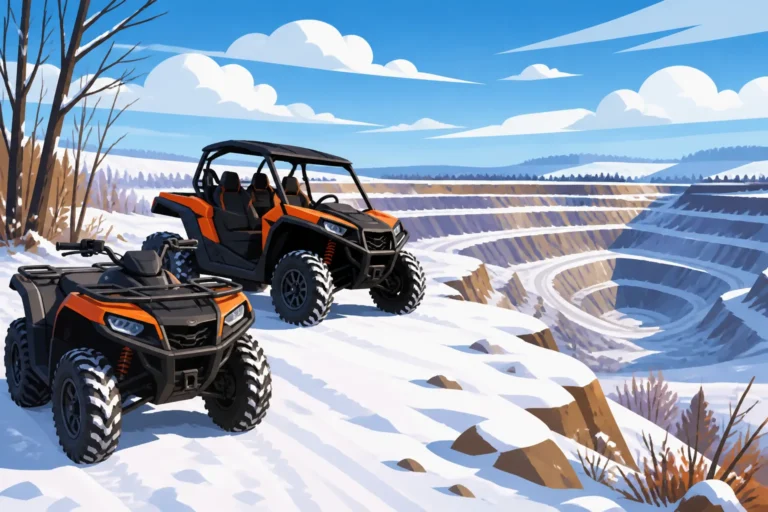
Redbird Off-Road State Recreation Area is near Dugger in Sullivan County, in southern Indiana. The park’s roughly 1,400 acres of reclaimed mining land offer a very different feel from a flat, wooded trail system. Expect changing elevation, old mine roads, spoil piles, clay, and routes that can feel narrow or uneven. Conditions can shift across the park, so a trail that looks easy at the entrance may become a more demanding ride as it climbs or drops across the terrain.
That variety is part of the appeal, but it also means your group should be honest about its experience. A confident rider who enjoys hills and changing surfaces may want to explore more challenging routes. A family with a first-time rider may be happier taking a slower loop, stopping often, and avoiding climbs that feel uncomfortable. Don’t treat a trail name, map color, or another rider’s description as a guarantee that a route will suit every machine and skill level.
If you are comparing Redbird with other places to ride, [Indiana's Two State ORV Areas Compared] can help you think through the differences between Indiana’s state recreation areas. For a broader look at ride options, see [Best Places to Ride an ATV in Indiana]. Redbird is best approached as a day outdoors with changing terrain, not as a race to cover every available mile.
Match the outing to your machine and group
Before you load, consider the machine’s width, ground clearance, tires, and condition—not just its engine size. A side-by-side may feel stable on open sections but be less comfortable on a tight route. A smaller ATV can be easier to place on a narrow trail, yet may need more careful throttle control on a steep or loose climb. Confirm that your machine is permitted for the trails you intend to use, and follow posted restrictions at the park.
Think about the least experienced person in your group when choosing a pace. If one rider is new, plan to stop at safe pull-off areas and give them time to decide whether they want to continue. It is much easier to adjust the route early than to pressure someone into a climb after the group has already committed to it. Agree on a regrouping point and a simple plan if riders become separated.
Weather matters, too. Reclaimed clay can become slick after rain, and even a short shower may change how confidently you can steer or brake. Check [Indiana Riding After Heavy Rain] before choosing a wet-weather ride. If the ground is soft or trail conditions are poor, postponing can be kinder to both your machine and the trail surface.
Sort out permits and arrival details
Separate the trail permit from the entrance fee
One common source of confusion is assuming that paying to enter the recreation area automatically covers every riding requirement. At a state ORV area, the trail-use permit and the park’s entrance charge are separate considerations. Permit needs can depend on the machine and whether it is registered in Indiana or another state. Check the current Indiana DNR requirements and the park’s posted information before leaving home; don’t rely on an old receipt or a friend’s setup as proof that your machine is covered.
A permit is generally associated with the individual vehicle, so make a list of every ATV or UTV you plan to unload. If you bring several machines, check each one rather than assuming a permit for the group leader covers the whole trailer. For the distinction between a permit and other registration obligations, [Indiana ORV Permits Explained] is a useful starting point. If you are visiting from across a state line, [Indiana's Out-of-State Annual Permit] and [Does Indiana Honor Out-of-State Registration?] address questions worth settling before your trip.
The park entrance charge is another item to confirm separately. It may depend on residency, vehicle, or the type of visit, and it can change. Check the park’s official information for current requirements and accepted payment methods. Budgeting separately for the entrance and the trail permit helps prevent an awkward surprise at the gate.
| Before you leave | What to check | Why it matters |
|---|---|---|
| Each machine | Permit and registration requirements | A group may have several vehicles with different paperwork |
| Park entrance | Current entry rules and payment options | Entrance charges are separate from trail-use permits |
| Park status | Closures, hours, and notices | Trail access and conditions can change |
| Machine setup | Tires, brakes, fuel, and tie-downs | A breakdown or loose load can derail the outing |
| Group plan | Skill levels, route limits, and meeting point | Riders can choose a pace everyone can manage |
Prepare for the drive to Dugger
Redbird is a destination rather than a place to count on finding every needed item beside the trail. Before you head toward Dugger, secure your trailer load, check that tie-downs are snug, and make sure the machine starts and stops reliably. A quick inspection at home is far less frustrating than discovering a weak battery, soft tire, or fuel leak after you have unloaded.
Pack water, food, weather-appropriate layers, basic first-aid supplies, and the tools you know how to use. Bring any required paperwork and keep it protected from mud and moisture. A dry pouch or sealed storage compartment can save you from digging through a wet gear bag at the gate. Leave extra space for muddy riding gear and a change of clothes for the drive home.
It is also sensible to plan fuel with a margin rather than assuming you can refuel immediately when needed. The distance between services and the amount of fuel a machine uses can vary with terrain, riding style, and load. If your group is unfamiliar with the area, agree on where you will meet after unloading and how you will communicate if someone needs to return early.
Choose a route and ride at the group’s pace
Use maps as a planning aid, not permission to ignore signs
A map can help you get oriented, understand the broad layout, and discuss which parts of the park your group might explore. Some riders use onX Offroad to review an area and think through a day’s route. Treat it as a planning aid rather than the final word: compare what you see there with the official park map, signs at the entrance, and notices on the ground. A digital line on a screen does not mean a trail is open or appropriate for your machine.
At the trailhead, take a few minutes to review posted information before riding away. Look for closures, one-way directions, vehicle restrictions, and changes in conditions. If a route shown in an app appears to conflict with a sign or barrier, follow the park’s posted direction. Trail access can change, and a downloaded map may not reflect a temporary closure or a newly posted restriction.
It can help to save a general area map for offline reference, especially if you do not want to depend on a live connection while riding. onX Offroad can be useful for that kind of orientation, but keep the official park map accessible as well. Check [Indiana Trail Maps From the DNR] for the park-map side of your preparation.
Start with an easy loop and reassess
If you have not ridden Redbird before, begin with a route that lets everyone adjust to the terrain. Pay attention to traction, visibility, and how the machine handles on the surface. Take breaks before fatigue builds. People often make their worst decisions late in a ride, when they are hungry, tired, or eager to get back to the staging area before closing.
On a hill, leave space between machines so a rider has room to stop or change direction without another vehicle crowding them. Avoid stopping in a blind spot or directly where another machine might lose traction. If someone is uncomfortable with a climb, don’t turn the moment into a test of nerve. Find a safe place to wait, discuss another route, or let the rider choose a manageable way back.
Keep the group together without riding on another person’s bumper. Before setting out, choose a lead rider and a sweep rider, especially if the group is large. The lead can set a pace appropriate for the least experienced person, while the sweep can notice if someone has fallen behind. For more on sharing space responsibly, [Indiana Trail Etiquette on Shared Ground] offers useful reminders.
Make the day safer and less stressful
Check the machine and your gear as the day goes on
A pre-ride inspection is a good start, but it is not the only check that matters. After a muddy section or a rough climb, take a moment to look for obvious damage, a loose strap, a tire problem, or debris near a hot or moving part. If something sounds or feels wrong, stop somewhere safe and inspect it instead of hoping it will sort itself out on the next trail.
Wear a helmet and protective gear that fit properly, and make sure every rider understands the controls on the machine they will use. Side-by-side occupants should use the vehicle’s seat belts and follow its passenger rules. Keep children close to the supervising adult and choose a route that matches their ability. Review [Indiana Helmet Rules at an ORV Park] and [Indiana Rules for Riders Under 14] if young riders are part of your group.
Bring a small first-aid kit and know who has it. It is also helpful to make sure everyone knows the plan for a mechanical problem: where the group will stop, who will stay with the rider, and who will seek help if necessary. A little communication before riding can prevent a minor issue from splitting the group or turning into a confusing search.
Leave room for changing conditions and an early finish
Rain, heavy use, and changing ground conditions can make a route feel different from one part of the day to another. Don’t assume that because a climb was manageable on the way out it will feel the same on the return. If the surface becomes slick, visibility drops, or riders are tiring, choose a simpler route back rather than pushing to reach one more trail.
Plan your ride around the park’s operating hours and allow time to load before you feel rushed. Redbird’s riding day is not improved by squeezing in a final loop when the group is exhausted or running short on daylight. Check the posted hours and any current park notice before setting out, then leave a cushion for the return ride, gear changes, and trailer loading.
When you finish, check the machine before securing it for the drive. Remove mud where it may interfere with controls or cooling, look for loose parts, and make sure the load is tied down again after unloading and riding. If you want to compare other local options for another trip, [Indiana ORV Areas Near Evansville] can help with regional planning. And if you are arranging a weekend rather than a single day, [Camping Near Indiana ORV Trails] may help you think through where to stay.
Disclaimer
This article is for general informational purposes only and does not constitute professional advice. Laws, prices and regulations vary by location and change over time. Consult a qualified professional for guidance on your specific situation.