Blaze Orange on an Indiana November Ride
Hitting the trails or venturing out for a utility run on your ATV or UTV in Indiana during November can be an incredible experience, but it also comes with a unique set of challenges, especially when the woods are buzzing with hunting activity. Many riders find themselves wondering, "Do I really need to wear blaze orange if I'm just riding?" or "What extra precautions should I take when hunters are out?" This guide will walk you through the crucial safety considerations, legal nuances, and practical preparations needed to ensure your November rides are both enjoyable and safe for everyone sharing Indiana's landscapes.
Understanding Blaze Orange and ORV Safety in Indiana's Hunting Season
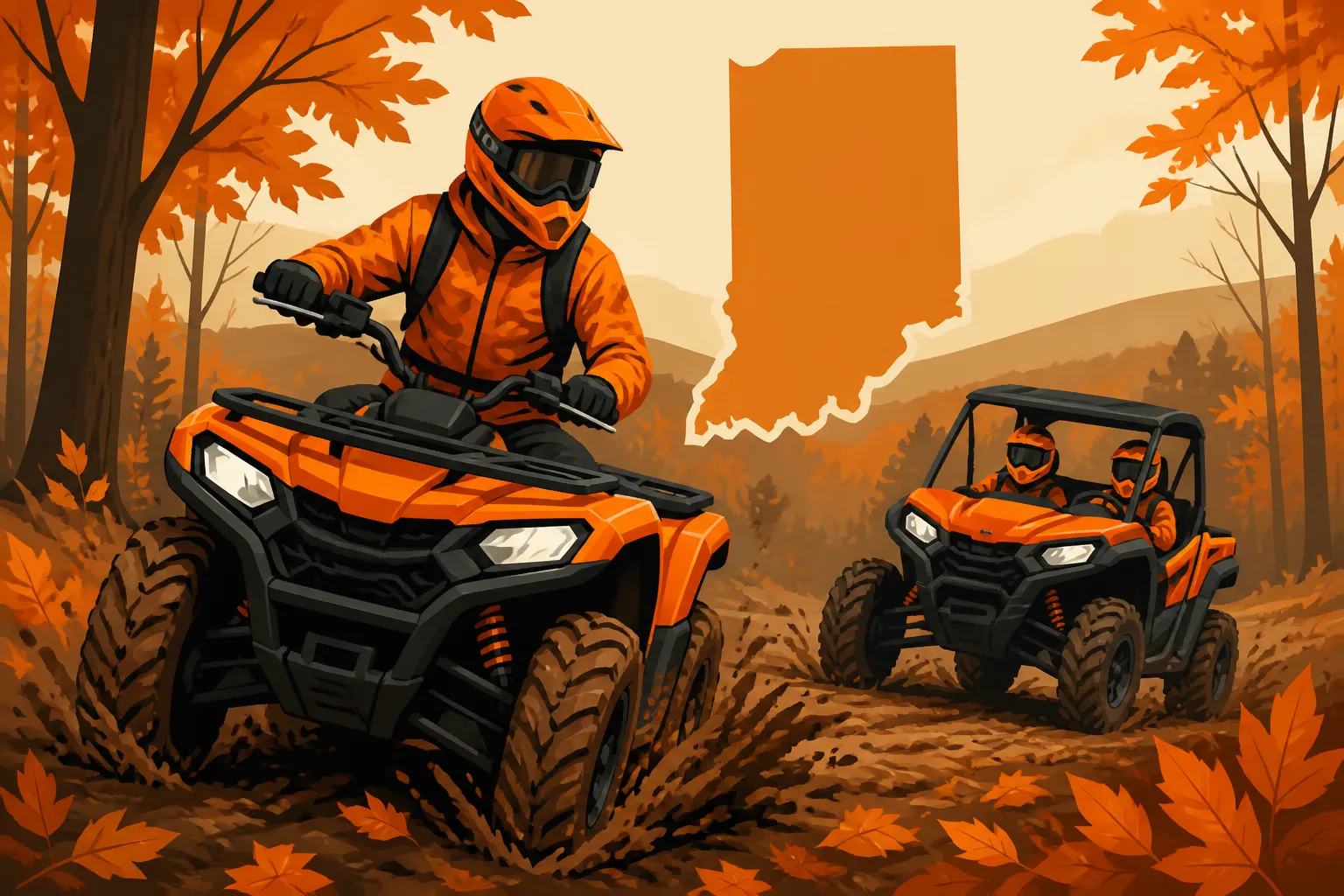
Riding an off-road vehicle during hunting season means you're sharing the landscape with individuals who are actively looking for movement and may be carrying firearms. Even if you're not hunting yourself, understanding the importance of visibility, especially blaze orange, is absolutely critical for your safety and the safety of others. It’s not about being a hunter; it’s about being seen.
Why Riders Need to Think Like Hunters
Imagine you're out on a quiet trail, enjoying the crisp November air, and suddenly you hear gunshots in the distance. This isn't just background noise; it's a stark reminder that you're in an active hunting zone. Deer, turkey, and other game animals are often on the move during this time, and hunters are intensely focused on their surroundings. An ORV rider, especially one wearing drab colors, can easily be mistaken for game, or simply be unseen as hunters move into position or stalk prey. The woods can be thick, visibility can be poor at dawn or dusk, and the sounds of an ORV can be confusing for someone relying on auditory cues. By consciously adopting a hunter's mindset for visibility, you dramatically reduce the risk of being misidentified or simply overlooked.
Thinking like a hunter also means understanding their movements and patterns. Hunters often stage their vehicles off logging roads or trailheads and then venture deep into the woods on foot. They might be waiting patiently in a blind for hours, or slowly still-hunting through dense brush. Your presence, even if you’re on a marked trail, could easily put you in an unexpected encounter. The goal isn't to interrupt their hunt, but to ensure that if an encounter does happen, you are immediately and unmistakably identifiable as a human being and not a target. This proactive approach helps prevent potentially tragic misunderstandings in an environment where split-second decisions are made.
Indiana's Rules for Blaze Orange
Indiana's law specifically mandates wearing blaze orange during certain hunting seasons for individuals hunting certain species. For example, during deer firearms season, hunters are required to wear hunter orange as an outer garment. However, if you are simply riding your ATV or UTV on a designated trail and not actively hunting, Indiana law generally does not explicitly require you to wear blaze orange. This is a common point of confusion for many riders. While the law might not mandate it for non-hunting ORV operation, it is an overwhelmingly strong and widely accepted safety recommendation for anyone recreating in areas where hunting is permitted during the season.
Consider this: you're riding through Redbird Off-Road State Recreation Area in November. While it's primarily an ORV park, hunting may occur in adjacent areas or certain rules might apply to individuals on the property. Even if you're squarely on the trail, a hunter nearby might be tracking game that crosses into the park's periphery. Wearing blaze orange in these situations isn't about legal compliance for riders; it's about common sense and self-preservation. It significantly increases your profile and makes you much easier for hunters to spot and identify as a non-game human, even at a distance or in low light conditions. Prioritizing visibility goes a long way toward ensuring peace of mind for both you and any hunters you might encounter.
Enhancing Visibility Beyond Apparel
While blaze orange clothing is paramount, your visibility plan shouldn't stop there. Think about your entire presence on the trail. Your machine itself can be a canvas for safety. Many riders install additional lighting, beyond what's legally required for basic operation. Bright LED headlights and taillights, even in daytime, make your ORV more conspicuous. Consider adding reflective tape to your helmet, the sides of your machine, or even your gear bag. This is especially helpful during dawn, dusk, or overcast days when natural light is dim. [Indiana Rules for Riding After Dark] are important here, as low light conditions significantly reduce natural visibility.
Beyond physical additions, think about your riding habits. Avoid riding at excessive speeds, especially on blind turns or over crests, where a hunter or another rider might not expect you. Make eye contact if you see someone. Consider attaching a bright orange flag to your ORV, especially if you're riding in tall grass or hilly terrain where your machine might be obscured. Some riders even go a step further, equipping their machines with custom light bars or accent lighting. Brands like SuperATV offer a wide range of lighting solutions, from powerful LED light bars that cut through the darkest trails to accent lights that can make your machine stand out. These small investments in visibility can make a massive difference in preventing accidents and ensuring that your November ride is a safe one.
Navigating Indiana's Diverse Riding Landscapes During November
Indiana offers a variety of riding opportunities, from dedicated ORV parks to state forests and private lands. However, each of these areas might have different rules and considerations when it comes to riding during hunting season. Understanding where you can ride, and how to do so responsibly, is key to avoiding conflicts and staying safe.
Public Lands: ORV Parks, State Forests, and FWAs
Indiana's primary public ORV riding destinations, like Redbird Off-Road State Recreation Area and Interlake Off-Road State Recreation Area, are generally safe bets for riding during hunting season because their primary purpose is off-road recreation. However, it's always crucial to check the specific regulations of each park, as policies can change, and some areas might have restricted access or shared use zones. For instance, [Riding Redbird for a Day] or [Riding Interlake for a Weekend] offers dedicated trails. Even within these parks, always be aware of your surroundings, as hunting might occur on adjacent private properties or state lands.
State Forests and Fish and Wildlife Areas (FWAs) are a different story. Many of these lands are open to hunting and may have very strict rules—or outright prohibitions—on ORV use outside of designated access roads for hunters. For example, Hoosier National Forest explicitly bans ATV riding on its trails, though it might allow ORVs on certain roads for specific purposes. [Why Hoosier National Forest Bans ATV Riding] explains this in more detail. Riding where ORVs are prohibited, especially during hunting season, is not only illegal but extremely dangerous, as you'd be entering areas where hunters would not expect a machine. Always consult the Indiana Department of Natural Resources (DNR) website or contact the specific property manager before you head out to confirm ORV regulations during hunting season. Assume nothing, verify everything.
Private Property and Respectful Riding
Many ORV enthusiasts in Indiana enjoy riding on private land, whether it's their own property, a friend's farm, or a lease. When riding on private land, the primary rule is always to have explicit permission from the landowner. This becomes even more critical during hunting season. A landowner who grants permission for recreational riding might also have hunting leases or allow friends to hunt on their property. Misunderstandings can easily arise if you're riding your ORV in an area where hunters expect to be alone and focused on their hunt.
Before you ride, talk to the landowner about their hunting schedule and any active hunting on or near the property. Ask if there are specific days or times when riding should be avoided, or if there are particular areas where hunters will be present. Even with permission, be mindful of noise and potential disturbances. If you're using an ORV for tasks like hauling feed or checking fences on private land, ensure you're still highly visible with blaze orange, especially if hunting is underway. Open communication and respect for the landowner's wishes, and for any hunters sharing the space, will prevent conflicts and ensure continued access to private riding areas. Remember, [Indiana Landowner Permission Rules] are paramount.
Crossing or Riding Indiana Roads Legally and Safely
While the focus of November riding is often on trails and private land, there are times when you might need to cross a public road or, in some limited instances, ride a designated county road to get to another trail section or property. Indiana's laws regarding ORVs on public roads are generally restrictive, with specific exceptions. [Are ATVs Street Legal in Indiana?] highlights that most ORVs are not street legal, but certain counties have opened specific roads to ORV use. If you find yourself in a county that permits ORV road riding, such as Hancock County or Dearborn County, during hunting season, extra caution is essential.
Increased traffic from hunters, both in vehicles and on foot, means a higher likelihood of encountering others. Always come to a complete stop before crossing a road and yield to all traffic. Use turn signals if your machine has them, or clear hand signals to indicate your intentions. Wear your blaze orange, even if just for a short road section. Be aware that hunters might be parked on road shoulders, walking alongside roads, or even crossing roads themselves. Maintain slower speeds, and be prepared to stop quickly. Visibility is key here too; make sure your headlights and taillights are functioning perfectly. Never assume you've been seen by other drivers or pedestrians. [Crossing a Road on an ORV in Indiana] is a serious maneuver that requires full attention, especially in November.
| Visibility Feature | Benefit in November Riding | Cost/Effort Level |
|---|---|---|
| Blaze Orange Apparel | High contrast, universally recognized hunter safety color | Low |
| Reflective Tape | Enhances visibility in low light, inexpensive | Low |
| LED Light Bars/Pod Lights | Powerful illumination, makes machine highly visible | Medium |
| Whip/Safety Flag | Increases vertical profile, visible over obstacles | Low |
| Fluorescent/Bright Helmet | Makes rider's head more noticeable, easy to spot | Low-Medium |
| Clean Headlights/Taillights | Ensures maximum light output for existing equipment | Very Low |
Preparing Your Machine and Yourself for Cold Weather Rides
November in Indiana can bring a wild mix of weather – crisp autumn days, sudden cold snaps, rain, or even early snow. Preparing both yourself and your ORV for these conditions, especially when also factoring in hunting season, is crucial for comfort, safety, and reliability.
Essential Rider Gear for Comfort and Safety
Dressing appropriately for a November ride means thinking in layers. Start with a moisture-wicking base layer to draw sweat away from your skin, preventing chills. Add an insulating middle layer, like fleece or a down vest, for warmth. Your outer layer should be windproof and waterproof to protect against rain, mud, and cold gusts. Don't forget your extremities: warm, waterproof gloves are a must, as are insulated boots. A balaclava or neck gaiter can provide surprising warmth and protect your face from windburn. And, of course, your protective gear – helmet, goggles, and sturdy riding pants – remains non-negotiable. Ensure your helmet is DOT-approved and fits well; a full-face helmet offers the best protection from the elements. [Indiana Helmet Law for ORV Riders] requires helmets for all riders under 18 on public land, and it's a smart choice for everyone.
Beyond warmth and protection, your apparel directly ties into visibility. Your outermost layers should either be blaze orange or incorporate significant blaze orange elements. Many outdoor clothing brands now offer technical riding gear with integrated blaze orange panels or patterns specifically for shared-use seasons. Consider a blaze orange vest that can be easily slipped over your jacket. The goal is to maximize your visual footprint without compromising comfort or functionality. Being both warm and highly visible means you can focus on the ride and the trail, rather than shivering or worrying about being seen.
Winterizing Your ORV for November's Chill
Just like you layer up, your ORV needs some pre-ride TLC to handle colder temperatures and potentially muddier, wetter conditions. Start with a thorough inspection of all fluids: check your engine oil, coolant, and brake fluid levels. Consider topping off or changing fluids if they're due, especially if you haven't done so in a while. Cold weather can be tough on batteries, so ensure yours is fully charged and the terminals are clean. If your battery is old, November might be the month it decides to give up; consider replacing it preventatively.
Tires are another critical component. Colder temperatures can reduce tire pressure, so check them before each ride and adjust to your manufacturer's recommendations for the terrain. For muddy or slick conditions, you might want to consider tires with a more aggressive tread pattern. A reliable winch is an absolute lifesaver when you're riding in adverse conditions, especially if you or a friend gets stuck in cold mud or on a slippery incline. SuperATV offers robust winches and other recovery gear that can be invaluable for self-recovery or helping a buddy out of a bind. Don't forget to check your brakes, lights, and any safety switches. A quick once-over before you head out can prevent frustrating breakdowns and ensure your machine is ready for whatever Indiana's November weather throws its way. [Indiana ORV Maintenance Costs] can add up, but preventative care is always cheaper than a breakdown.
Emergency Planning and Recovery
Even with the best preparation, things can go wrong. Having an emergency plan and the right recovery tools is essential, especially when riding in remote areas during hunting season. Always let someone know where you're going and when you expect to return. Pack a basic first-aid kit that includes essentials for minor injuries, as well as any personal medications. Carry a fully charged cell phone, but be aware that [Cell Dead Zones in Southern Indiana] are common in many trail areas, so a satellite messenger or two-way radio might be a better communication backup.
For machine recovery, a tow strap or kinetic rope is a must-have, even if you have a winch. A small toolkit for basic trailside repairs, tire repair kit, and a compact air compressor can save you a long walk back to your trailer. Consider carrying extra fuel in a proper fuel container, especially if you're exploring new areas or riding long distances between towns. And don't forget water and some high-energy snacks; getting stuck or having a minor issue can quickly turn a fun ride into a cold, tiring ordeal. Products from SuperATV, such as their heavy-duty winches, robust tow straps, and durable storage solutions, are designed to withstand the rigors of off-road adventures and provide peace of mind when venturing into challenging terrain. Being prepared means you can tackle unexpected situations with confidence and focus on the thrill of the ride, rather than the fear of being stranded.
Disclaimer
This article is for general informational purposes only and does not constitute professional advice. Laws, prices and regulations vary by location and change over time. Consult a qualified professional for guidance on your specific situation.