Riding a Rail Trail Closed to Machines
It’s a common scenario: you’re cruising down a quiet country road in Indiana, perhaps in your side-by-side or on your ATV, and you spot what looks like a perfect, long, flat trail disappearing into the tree line – an old railroad bed, now a smooth path. The temptation to turn off and explore can be incredibly strong, especially when you’re looking for a new adventure. But before you let your wheels hit that inviting path, it's crucial to understand that almost all rail trails in Indiana are strictly off-limits to off-road vehicles. This guide will clarify why these trails are closed, the serious repercussions of ignoring the rules, and, most importantly, where you can legally and safely enjoy your machine.
The Clear-Cut Truth: Why Indiana Rail Trails Are Closed to ORVs
That inviting ribbon of gravel or asphalt, snaking through picturesque countryside, holds a special allure for many, including ORV enthusiasts. It looks like a perfect riding opportunity. However, the designation and purpose of Indiana's rail trails are fundamentally incompatible with motorized off-road vehicle use. This isn't just about arbitrary rules; it's rooted in the very nature of these trails and the diverse communities they serve.
What Defines a Rail Trail in Indiana
In Indiana, a rail trail is typically a former railroad corridor that has been converted into a multi-use path. These conversions are often funded by grants and public money, with the express purpose of providing recreational opportunities for non-motorized users. Think about folks out for a leisurely bike ride, families enjoying a stroll with their dog, joggers getting their daily exercise, or even equestrians in designated areas. These trails are designed to be tranquil havens away from motorized traffic, fostering a sense of peace and natural immersion. They connect communities, offer safe routes for commuting, and provide access to scenic natural areas. The very foundation of their existence is built upon quiet recreation, not high-powered engines.
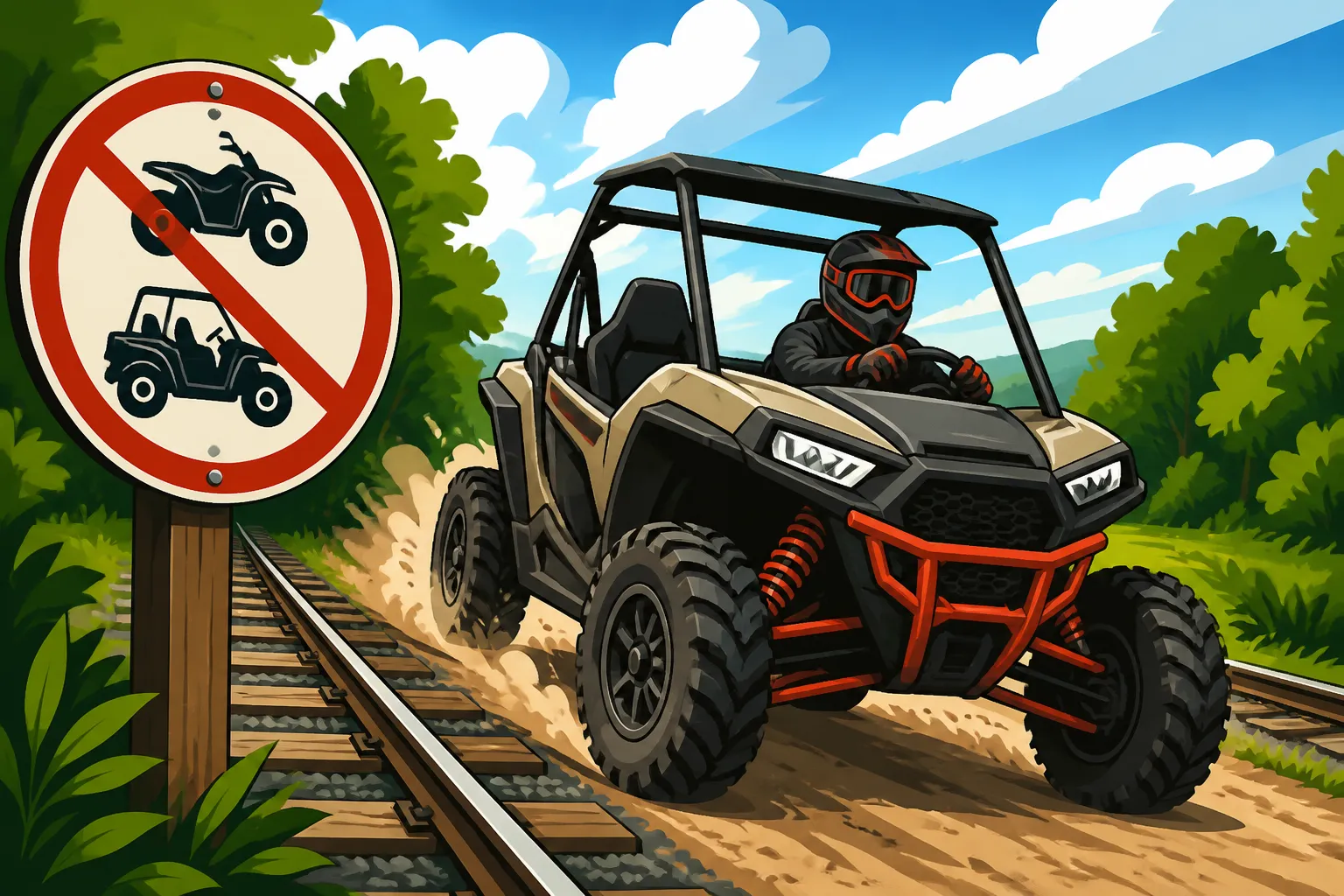
Most of these trails fall under the jurisdiction of local park departments, county governments, or state agencies like the Indiana Department of Natural Resources (DNR), though rarely are they part of designated [Indiana State Park Roads]. The rules for what’s allowed on them are usually clearly posted at access points, often with symbols indicating bicycles, pedestrians, and sometimes horses, but almost universally a clear "no motorized vehicles" sign. Even if a sign isn't immediately visible, the general presumption in Indiana is that these are non-motorized paths unless explicitly stated otherwise by a local ordinance.
The Specific Reasons for the ORV Ban
There are several compelling reasons why ORVs are banned from rail trails, and these reasons go beyond simply preserving peace and quiet. First and foremost is safety. Rail trails are frequented by vulnerable users like children, elderly walkers, and cyclists who travel at much lower speeds and have less protection than someone on an ORV. The speed, weight, and noise of an ATV or UTV introduce a significant hazard. A blind corner could lead to a devastating collision, especially when a child on a bicycle unexpectedly rounds a bend.
Beyond safety, there’s the issue of trail integrity and maintenance. ORVs, especially those with aggressive tires or driven carelessly, can quickly degrade the trail surface. This leads to ruts, erosion, and damage that costs taxpayers and volunteer groups significant money and effort to repair. The compact, often finely graded surfaces of rail trails are not built to withstand the torque and weight of off-road machines. Environmental impact is another major concern. Riding off the designated path, even slightly, can damage sensitive ecosystems, disturb wildlife, and contribute to soil erosion, especially in wetlands or along waterways. Lastly, noise pollution is a considerable factor. The loud engines of many ORVs shatter the tranquility that non-motorized users seek, diminishing their experience and potentially disturbing nearby residents or natural habitats. The intent is to keep these spaces accessible and enjoyable for everyone, without one type of recreation dominating or endangering others.
Understanding the "Shared-Use" Philosophy
The concept of "shared-use" trails, which most rail trails embody, is about creating recreational spaces where different types of non-motorized activities can coexist harmoniously. It’s a delicate balance built on mutual respect and understanding. Pedestrians, cyclists, and equestrians each have their own needs and expectations for these paths, but they generally share a common desire for a quiet, safe, and natural experience. When an ORV enters this environment, it immediately disrupts that balance.
The presence of motorized vehicles can intimidate other users, making them feel unsafe or unwelcome, which defeats the very purpose of creating accessible public recreational spaces. Imagine a family with young children on a peaceful Sunday stroll, suddenly confronted by a roaring UTV. Their experience is ruined, and their perception of the trail, and potentially ORV riders in general, is negatively impacted. It’s about building a community around these trails where everyone feels comfortable and respected, allowing different groups to enjoy nature and recreation without infringing on another’s experience. This philosophy underpins why these trails are specifically designated for non-motorized use, and why breaking those rules can have such broad negative consequences, not just for the individual rider, but for the entire ORV community's reputation.
The Real-World Consequences of Riding a Closed Rail Trail
It's tempting to think that a quick spin on a rail trail won't hurt anyone, especially if you don't see any immediate enforcement. But in Indiana, riding an ORV on a closed rail trail isn't just a minor infraction; it can lead to significant legal, financial, and even civil penalties. Conservation officers, local police, and DNR officials are often well aware of these trails and patrol them, ready to enforce the rules designed to protect both the public and the environment. Ignoring these rules can turn a fun ride into a very costly headache.
What an Indiana Officer Checks Roadside
If you're caught riding an ORV on a prohibited rail trail in Indiana, a law enforcement officer, whether it's a local deputy or a DNR conservation officer, will conduct a roadside stop much like they would for any other vehicle infraction. First, they’ll want to confirm your identity and the ownership of the machine. This means asking for your driver's license or identification, and checking the ORV's registration, which in Indiana usually comes with a visible [Indiana ORV Decal Explained]. They'll be looking to see if your machine is properly registered with the BMV and that the decal is correctly placed, typically on the [Where the Indiana Decal Mounts]. If you purchased your machine after 2009, they'll also likely check for a valid title, as [Why Indiana Titles Machines Bought After 2009] mandates.
Beyond documentation, they'll assess the immediate situation: are you on the trail, how far have you gone, is there any visible damage to the trail surface? They might also check for other violations, such as operating without a helmet if you're under 18 (Indiana has a [Indiana Helmet Law for Riders Under 18]), or even signs of intoxication. They can also issue citations for trespass if the rail trail is considered private property with public access easements, or simply for operating a motorized vehicle on a non-motorized path. It's a comprehensive check, and being unprepared or uninformed about the rules will only complicate matters further.
Financial Penalties and Beyond
The financial penalties for riding an ORV on a closed rail trail can be quite steep. In Indiana, operating an ORV in an unauthorized area can be classified as a Class C ORV infraction. While specific fines can vary by county or the discretion of the court, a typical Class C infraction might start around $500, not including court costs and fees. And that's usually for a first offense. Repeat offenses can lead to significantly higher fines, potentially reaching up to [What a Class C ORV Infraction Costs in Indiana] for a third offense in some jurisdictions.
But the costs don't necessarily stop with the initial fine. You could also face charges for criminal trespass, which carries its own set of fines and potential legal fees. In some cases, especially if significant damage occurred, the county or managing entity for the rail trail could pursue restitution for the cost of repairs, adding thousands more to your bill. Your machine could also be impounded, incurring towing and storage fees before you can get it back, if you can get it back at all. The cumulative financial burden can quickly turn a casual ride into a financial disaster, far outweighing the brief enjoyment of breaking the rules.
Potential Civil Liability and Property Damage
Beyond criminal and infraction penalties, riding on a closed rail trail can also open you up to significant civil liability. If your ORV causes damage to the trail itself – things like ruts, erosion, or harm to infrastructure like benches or signage – the managing entity of the trail could sue you to recover repair costs. This could be a local parks department, a state agency, or even a private land trust. The costs for trail repairs, especially if extensive re-grading or re-surfacing is needed, can run into the tens of thousands of dollars.
Furthermore, consider the risk to other trail users. If you collide with a pedestrian, cyclist, or equestrian, you could be held civilly liable for their injuries, medical bills, lost wages, and pain and suffering. Even if the accident wasn't entirely your fault, operating a motorized vehicle in an area explicitly forbidden for such use puts you in a highly vulnerable legal position. Your insurance might not cover incidents that occur while you are engaged in illegal activity, leaving you personally responsible for potentially massive payouts. The owner of the machine is often [Why an Indiana Owner Is Liable] for the actions of anyone they allow to ride it, so lending your quad to a friend or family member could also lead to you being held responsible if they misuse it on a rail trail. It's a stark reminder that the consequences extend far beyond a simple ticket.
Finding Your Thrill: Legal and Responsible Indiana ORV Riding Options
The good news is that Indiana offers fantastic, legal, and responsible opportunities for ORV enthusiasts to ride their ATVs and UTVs. While rail trails are off-limits, there are dedicated parks and private lands where you can truly unleash your machine and enjoy the thrill of off-roading without the worry of fines or legal troubles. Shifting your focus to these approved areas not only keeps you safe and legal but also supports the proper development and maintenance of ORV-specific trails for everyone.
Indiana's Dedicated State ORV Parks
Indiana is home to two excellent state-run ORV recreation areas: Redbird Off-Road State Recreation Area and Interlake Off-Road State Recreation Area. These parks are specifically designed and maintained for off-road vehicles, offering hundreds of acres of diverse terrain, from challenging climbs and muddy pits to scenic wooded trails and wide-open areas.
Redbird, located near Dugger in Sullivan County, boasts [Indiana's 1,400-Acre Redbird] of former coal mine property. It features a variety of trails suitable for all skill levels, including some [Four Jeep Badge of Honor Trails at Redbird] that are popular with full-size rigs but also enjoyed by skilled ORV riders. You’ll find everything from tight, technical sections to more flowing paths. [Riding Redbird for a Day] means you can easily spend hours exploring the unique landscape of spoil piles, reclaimed clay, and wooded sections.
Interlake, near Lynnville, is even larger, offering [Indiana's 3,550-Acre Interlake] spread across Pike and Warrick counties. With nearly [Nearly 100 Miles at Interlake] of marked trails, it provides an expansive playground for ATVs, UTVs, dirt bikes, and full-size vehicles. Interlake is known for its rolling hills, diverse terrain, and the fact that it encompasses [Seventeen Lakes Inside Interlake], which adds to the scenic beauty (and sometimes the mud!). Both parks require a DNR ORV trail permit, which can be purchased daily or annually, along with a state park entrance fee. This permit system helps fund the maintenance and improvement of these very trails, ensuring they remain top-notch for riders. You can get more details on [Indiana ORV Permits Explained] or [Indiana's Daily and Annual Trail Permits].
Exploring Private Off-Road Parks
Beyond the state parks, Indiana also offers several fantastic private off-road parks that cater to ORV riders. These parks often have different features and amenities, providing even more variety for your riding adventures. For instance, [Badlands Off Road Park in Indiana] in Attica is a renowned destination with an incredible mix of sand dunes, woods, rocks, and mud. It’s a challenging and exciting place that draws riders from all over the Midwest. They offer different access passes, sometimes allowing for specific areas or tracks depending on your machine type.
Another popular choice is [Haspin Acres in Southern Indiana] near Laurel. Haspin offers hundreds of acres of trails, hills, mud bogs, and tracks for all types of off-road vehicles. It’s a very rider-friendly park with a long history, though they do require riders to sign a [Haspin's Liability Waiver Card] to participate. Many of these private parks have their own unique rules, fees, and sometimes even camping options, making them great destinations for a weekend trip. Always check their specific requirements before you go, including any helmet rules or age restrictions for riders. These private parks represent a great way to legally and safely enjoy aggressive off-roading without risking public shared-use trails.
The Path to Riding Legally on Private Land
Riding on private land is another excellent and legal option, provided you have explicit permission from the landowner. This is a common practice among farmers and property owners who use their machines for work but also enjoy recreational riding. If you have friends or family with large tracts of land, a simple conversation and a clear understanding of boundaries and rules can open up countless riding opportunities. Always ensure you have [Indiana Landowner Permission Rules] in writing, or at least a very clear verbal agreement, to avoid any misunderstanding that could lead to trespassing charges.
When riding on private land, you still have responsibilities. Be mindful of noise, respect wildlife, and avoid damaging property or crops. If you’re riding through fields, be aware of what’s planted or if there are any sensitive areas. Many landowners appreciate responsible riders who offer to help with maintenance or simply respect their property. This often means being careful with mud, especially with specialized tires like those from SuperATV, which can dig deep. Building a good relationship with a landowner can provide you with years of legal and enjoyable riding, often with unique and challenging terrain that you won't find at public parks. Remember, even on private land, some basic safety rules, like wearing appropriate gear, are always a good idea.
More Than Just Rules: The Community Impact of Responsible ORV Use
Following the rules about where and how to ride your ORV isn't just about avoiding tickets; it's about being a responsible member of the broader community. Every action we take as riders, whether positive or negative, contributes to the overall perception of the ORV sport. By choosing to ride legally and ethically, we not only protect ourselves and our machines but also help ensure the long-term viability and growth of off-roading for future generations in Indiana. It’s about more than just personal enjoyment; it’s about collective responsibility.
Preserving the Future of ORV Riding
When ORV riders consistently ignore rules, such as riding on closed rail trails, it creates a negative public image and often leads to increased restrictions, tighter regulations, or even the permanent closure of potential riding areas. Every incident of illegal riding, trail damage, or noise complaint gives ammunition to those who wish to see ORVs banned from more and more areas. Conversely, when riders demonstrate respect for the environment, other trail users, and local ordinances, it builds goodwill. This goodwill is crucial for advocating for new riding opportunities, maintaining existing parks, and fending off efforts to restrict the sport.
Supporting dedicated ORV parks, for example, by purchasing [Indiana ORV Trail Permit Cost] and respecting their rules, directly contributes to their upkeep and expansion. These fees fund trail maintenance, safety patrols, and habitat restoration efforts within the park boundaries. Choosing to buy quality parts and accessories, like robust UTV axles or durable skid plates from a brand like SuperATV, also shows an investment in your machine, encouraging safe and reliable operation, which contributes to a more positive image of the sport. It's a cyclical relationship: responsible riding leads to more acceptance and opportunities, while irresponsible riding leads to fewer.
Building a Positive Reputation for Riders
Unfortunately, the actions of a few irresponsible riders can often tarnish the reputation of the entire ORV community. The image of riders tearing up private property, creating excessive noise, or disrespecting shared public spaces is a hard one to shake. However, through conscious effort, individual riders and clubs can actively work to build a positive reputation. This includes things like participating in trail clean-up days, volunteering at ORV parks, or even simply being friendly and courteous to other outdoor enthusiasts when you encounter them.
Educating new riders, especially younger ones who might be tempted by an open field or a tempting rail trail, is also vital. Teaching them about [Indiana Minimum Age to Ride an ORV] and the appropriate places to ride, like [Riding Redbird for a Day] versus a county road, instills a sense of responsibility from the start. Demonstrating safe riding practices, such as wearing a DOT-approved helmet and appropriate gear, not only protects you but also shows the public that ORV riders are safety-conscious and responsible. Every time you trailer your machine carefully, respect posted signs, and ride within legal limits, you're contributing to a better image for the sport as a whole.
Supporting Trail Systems Through Proper Channels
The funding and maintenance of legal ORV trail systems don't happen by magic. They rely heavily on the fees paid by riders, as well as the advocacy of ORV organizations and clubs. When you purchase your [Indiana Annual ORV Permit Cost] or [Indiana Out-of-State ORV Permit Cost], that money goes directly towards improving and expanding the very trails you enjoy. This includes everything from repairing washouts and clearing fallen trees to maintaining staging areas and facilities. [Where Indiana ORV Fees Go] clearly explains how this money is reinvested into the riding community.
Beyond fees, joining local ORV clubs or advocacy groups can amplify your voice and help shape future policies. These groups often work with state and local governments to identify and develop new riding areas, lobby for fair regulations, and organize community events. They might even coordinate volunteer days to help maintain existing trails, demonstrating the commitment of the ORV community to responsible recreation. By engaging through these proper channels, you become part of the solution, helping to ensure that future generations of Indiana ORV enthusiasts have safe, legal, and exciting places to ride, whether they prefer the technical challenge of a SuperATV-equipped machine on a dedicated trail or a more relaxed ride in an approved area.
Disclaimer
This article is for general informational purposes only and does not constitute professional advice. Laws, prices and regulations vary by location and change over time. Consult a qualified professional for guidance on your specific situation.