Lending Your Quad to a Teenager Who Crashes It
We've all been there: a family member or friend asks to borrow your ATV or UTV, especially a eager teenager who just wants to experience the thrill. It seems harmless enough, a generous gesture that builds memories. But the thought of them getting into an accident, especially a serious one, is enough to make any owner's stomach drop. The legal and financial implications can be devastating, not just for the rider, but for you, the owner. This guide will meticulously break down the complex web of liability, Indiana's specific rules for youth riders, and critical preventative measures you can take to protect everyone involved should the unthinkable happen.
The Heartbreaking Reality: When a Teenager Crashes Your ORV
Handing over the keys to your off-road vehicle (ORV) to a younger, less experienced rider comes with an inherent trust, but also a significant risk. When that trust is shattered by an accident, the immediate aftermath can be a whirlwind of panic, fear, and a terrifying realization of the consequences. It’s a scenario no one wants to imagine, but understanding it is the first step in prevention and protection.
The Immediate Aftermath and Emotional Toll
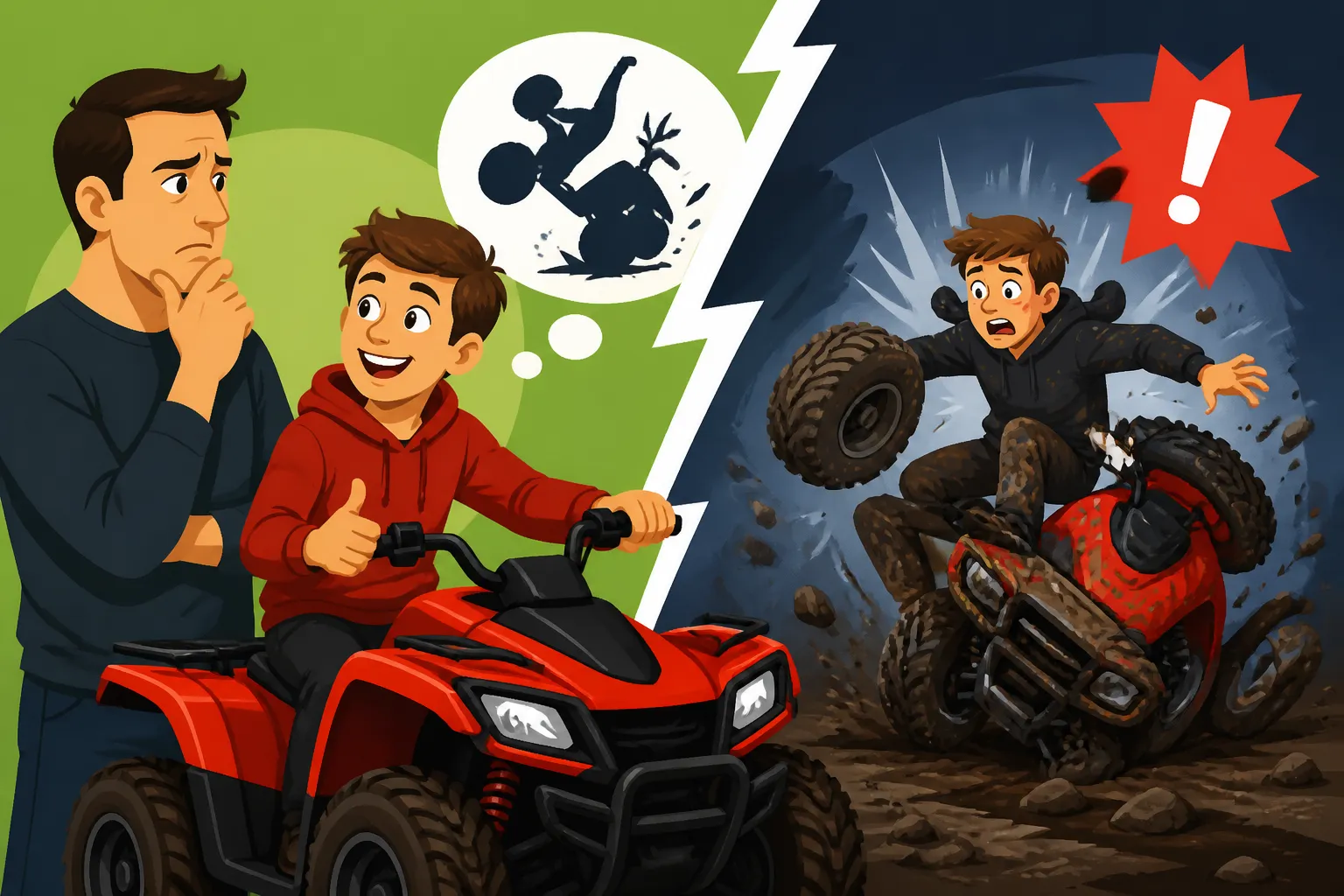
Imagine the call: your quad, which you've meticulously maintained and spent countless hours enjoying, is involved in an accident with a teenager at the controls. The first thoughts are always for the rider's safety and well-being. Is anyone hurt? How serious are the injuries? Beyond the immediate physical concerns, there's the profound emotional impact. Guilt can weigh heavily on both the teenager and you, the owner. The young rider might be dealing with physical pain, emotional trauma, and the crushing weight of having damaged your property or, worse, injured themselves or someone else. For you, the owner, there's the worry for the child, the stress of dealing with property damage, and the gnawing question: could I have done more?
Beyond the immediate human aspect, there's the chaos of the scene itself. Depending on where the crash occurred – whether on private land, a designated trail, or unfortunately, somewhere it shouldn't have been, like a county road – various authorities might get involved. Law enforcement, paramedics, and even conservation officers if it happened on public lands, could all be part of the initial response. This adds another layer of stress and formality to an already distressing situation, with official questions, incident reports, and potentially, citations or investigations beginning right then and there.
Initial Legal and Financial Implications
Once the immediate safety concerns are addressed, the legal and financial realities quickly come into sharp focus. Who is responsible for the medical bills, the ORV repairs, and any potential damages to other property? In Indiana, the owner often bears a significant burden. If the crash involved another person or property, you could be facing civil lawsuits seeking compensation for injuries, property damage, and even lost wages. Even if the accident was a single-vehicle incident involving only the teenage rider, your machine is likely damaged, and potentially totaled. The cost of repairs for an ATV or UTV can quickly escalate, especially with complex suspensions, engine components, or frame damage.
Furthermore, there are legal questions surrounding whether the teenager was allowed to operate the vehicle, whether they were properly supervised, and if all safety regulations were followed. Answering these questions incorrectly, or if evidence suggests negligence, can dramatically increase your exposure to liability. It's a daunting prospect that underscores the importance of being fully aware of Indiana's ORV laws before lending your machine to anyone, let alone a minor. The financial strain, combined with the emotional toll, can turn a simple act of generosity into a prolonged nightmare.
Indiana's Rules for Youth Riders: A Critical Overview
Indiana has specific regulations in place designed to protect young riders, and as an ORV owner, it is absolutely essential that you understand these rules. Ignorance of the law is never an excuse, and when a minor is involved, the stakes are even higher. These rules aren't just suggestions; they are legal mandates that carry real consequences if violated.
Minimum Age and Supervision Requirements
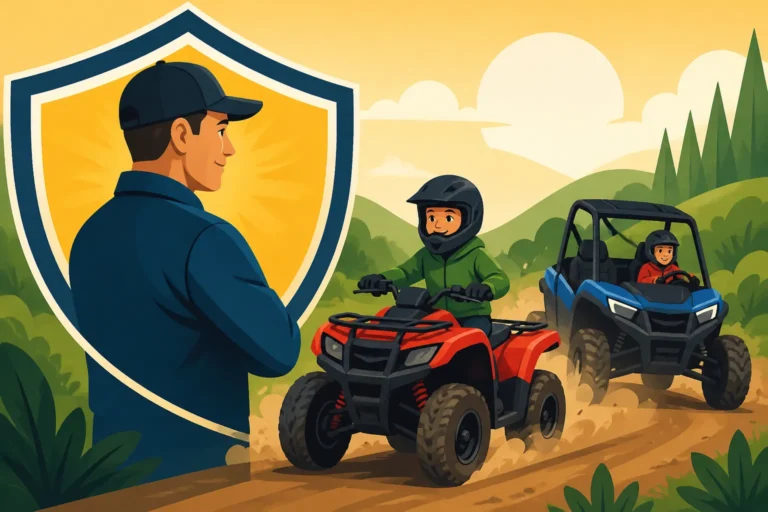
One of the most crucial aspects of Indiana ORV law revolves around the age of the operator. Generally, a person must be at least 14 years old to operate an ORV without direct adult supervision. However, there's an important caveat: children under 14 years of age may only operate an ORV if they are under the direct supervision of an individual who is at least 18 years old. This isn't just about having an adult somewhere on the property; it means direct, visual, and often audible supervision. The adult needs to be close enough to intervene immediately if a problem arises. [Indiana Minimum Age to Ride an ORV] outlines these stipulations in detail.
The definition of "direct supervision" can sometimes be debated in court, but generally, it implies the supervising adult is actively watching and able to physically or verbally direct the young rider. This means if a 12-year-old is riding your quad in a field, and you're inside the house watching TV, that's almost certainly not direct supervision. The consequences of not adhering to these supervision rules can be severe, especially in the event of an accident. The intent behind this rule is clear: young riders lack the judgment, experience, and physical capabilities of adults, making supervision paramount for their safety. You can find more specific information by looking into [Indiana Rules for a Rider Under 14] and [Indiana Supervision Rules for Minors].
The Owner's Responsibility in Indiana
As the owner of the ORV, Indiana law places a significant amount of responsibility on your shoulders. You are not just lending a piece of equipment; you are potentially accepting liability for how that equipment is used, especially by a minor. This is why [Why an Indiana Owner Is Liable] is such a critical topic. If you knowingly permit a minor to operate your ORV in violation of age or supervision requirements, or if you provide a machine that is unsafe, you can be held legally responsible for any injuries or damages that occur. This liability can extend to medical costs, property damage, pain and suffering, and even lost wages for injured parties.
Your responsibility also extends to ensuring the ORV is properly registered and carries the necessary permits if it's being ridden on public lands. An unregistered ORV, even if being ridden by an adult, can result in fines, but when a minor is involved in an accident on an unregistered machine, it only compounds the legal troubles. Always ensure your machine has a current registration decal before anyone rides it, especially if it's leaving your private property. This proactive approach shows due diligence and can potentially mitigate some liability, although it doesn't eliminate it entirely, particularly when a minor is concerned.
Helmet Laws and Safety Gear
Indiana has a clear helmet law for ORV riders: anyone under the age of 18 operating or riding as a passenger on an ORV must wear a safety helmet. This isn't just a recommendation; it's a legal requirement, and failure to comply can result in fines and, more importantly, severe injuries. The helmet must be approved by the Department of Transportation (DOT), meaning it meets certain safety standards. A bicycle helmet or a novelty helmet simply won't cut it. You can explore [Indiana Helmet Law for ORV Riders] for more details.
Beyond helmets, it's a matter of responsible ownership to ensure that any young rider borrowing your machine also has appropriate safety gear. This includes eye protection (goggles or a face shield), sturdy over-the-ankle boots, long pants, a long-sleeved shirt or jacket, and gloves. While not all these items are legally mandated, they are universally recommended by safety experts and organizations like the ATV Safety Institute. Providing or requiring this full complement of gear demonstrates a commitment to safety that can be beneficial if ever called into question after an incident. It's a small investment in comparison to the potential cost of an injury or lawsuit. Companies like SuperATV offer a range of safety accessories, from helmets to full roll cages and harnesses for UTVs, emphasizing the importance of protection for all riders.
Understanding Liability: Who Pays When Things Go Wrong?
The aftermath of an ORV accident involving a teenager can quickly become a legal and financial quagmire. Determining who is liable for damages and injuries is complex, often involving a blend of state laws, insurance policies, and the specific circumstances of the crash. It's not always a straightforward answer, which is why understanding the potential pathways of liability is crucial.
Parental Liability vs. Owner Liability
In Indiana, both the parents of a minor and the owner of the ORV can potentially be held liable for damages resulting from an accident. This creates a dual layer of responsibility that is important to dissect. Parental liability typically stems from two main principles:
- Negligent Supervision: If parents allowed their child to operate the ORV without proper supervision, or if they knew the child was reckless and did nothing to prevent the dangerous activity, they could be held liable.
- Vicarious Liability: In some cases, if the child was acting as an agent for the parent (e.g., performing a chore with the ORV), the parent might be held responsible for the child's actions.
However, the ORV owner's liability is often more direct, especially if the owner is not the parent. As we discussed, if you, the owner, knowingly allowed a minor to operate your ORV in violation of Indiana's age or supervision laws, you face significant exposure. This is why asking yourself "Did I ensure proper supervision as defined by Indiana law?" is a critical question. Even if the child’s parents are negligent, your own negligence in lending the machine or failing to ensure compliance with basic safety laws can make you a primary target for a lawsuit. A clear understanding of [Why an Indiana Owner Is Liable] is paramount.
The Role of Insurance in a Crash
This is where many ORV owners breathe a sigh of relief, assuming their insurance will cover everything. However, ORV insurance can be a tricky beast. Unlike car insurance, which is mandatory for most vehicles, ORV insurance is not legally required in Indiana for private land use, although it is highly recommended. Some county ordinances might require it if you plan to ride on designated public roads, as outlined by [Indiana ORV Insurance Requirement]. If you only have standard homeowner's insurance, it might offer some limited coverage for ORVs, but often only if the machine is on your property and even then, usually excludes liability for accidents that happen away from your home or involve specific high-risk activities.
A dedicated ORV insurance policy is your best line of defense. These policies typically cover:
- Bodily Injury Liability: Pays for medical expenses and lost wages if you or someone operating your ORV injures another person.
- Property Damage Liability: Covers damage your ORV causes to another person's property.
- Collision Coverage: Pays for damage to your ORV, regardless of who is at fault.
- Comprehensive Coverage: Protects against non-collision incidents like theft, vandalism, fire, or natural disasters.
Before lending your machine, confirm your policy explicitly covers other operators, particularly minors, and the types of riding they'll be doing. If your policy has gaps, you could be personally responsible for hundreds of thousands of dollars in damages. Don't assume; call your insurance agent and get explicit confirmation.
Potential Fines and Penalties
Beyond civil liability for damages, there are potential fines and legal penalties associated with violating Indiana's ORV laws, especially when minors are involved. If a teenager is caught riding without a helmet, without proper supervision, or underage, or on an unregistered machine, they (and you, as the owner) could face citations. A Class C ORV Infraction, which can apply to various violations, often carries a fine. [What a Class C ORV Infraction Costs in Indiana] can give you a clearer picture. These aren't just minor tickets; they can accumulate and indicate a pattern of negligence.
| Violation Type (Examples) | Responsible Party | Potential Consequences (Indiana Specific) |
|---|---|---|
| Underage Operation (Under 14) | Parent/Owner | Fines, owner liability for damages, increased insurance rates |
| No Direct Supervision (Under 14) | Parent/Owner | Fines, owner liability for damages, potential legal action |
| No DOT-Approved Helmet (Under 18) | Rider/Owner | Fines, increased risk of head injury, owner liability for medical costs |
| Unregistered ORV | Owner | Fines, impoundment, increased liability in case of accident |
| Operating on Closed Roads | Rider/Owner | Fines, machine impoundment, liability for property damage |
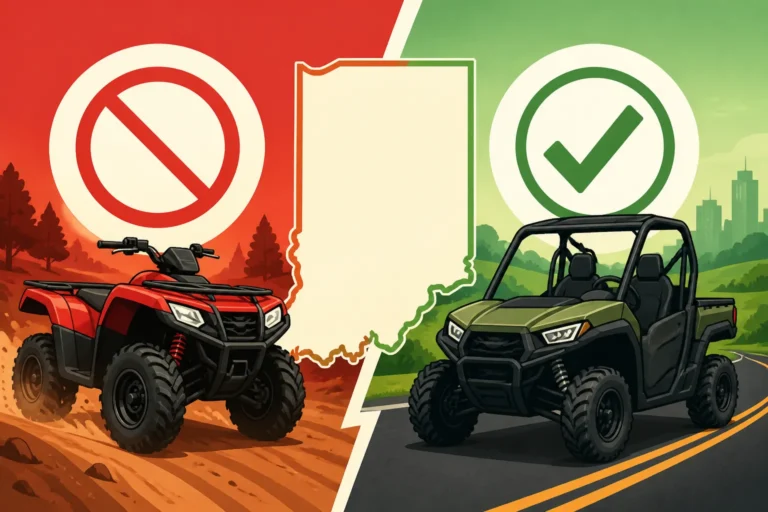
Furthermore, if the accident occurs on public lands where ORVs are permitted, conservation officers can issue citations. If it happens on a public road where ORVs are strictly prohibited, local law enforcement can get involved, and the fines could be more substantial, potentially even leading to misdemeanor charges depending on the severity and accompanying factors. The penalties can extend beyond simple fines to suspension of driving privileges for older teens, or even seizure of the ORV. It's a stark reminder that these laws are in place for a reason: to prevent tragic outcomes.
Preventative Measures and Best Practices
Lending your ORV to a teenager doesn't have to be a gamble. By implementing clear rules, ensuring proper training, and even establishing a formal agreement, you can significantly mitigate the risks and safeguard both the rider and yourself. It’s about being proactive and responsible, rather than reactive after an incident.
Setting Clear Rules and Expectations
Before anyone, especially a teenager, ever sits on your ORV, you need to have a serious conversation about rules and expectations. This isn't just about what you want them to do; it's about outlining the legal requirements and your non-negotiable safety standards.
- "My House, My Rules" for your Machine: Clearly state where the ORV can be ridden. Is it only on your private property? Is it restricted to specific trails at a designated ORV park? Emphasize that unauthorized areas, like public roads (unless explicitly allowed by a county ordinance, which is rare and comes with its own strict rules like [Indiana Rules for Riding a County Road]), are absolutely off-limits.
- No Passengers (Unless Designed For It): Many ATVs are designed for a single rider. Carrying passengers on a single-rider ATV can drastically affect stability and control, especially for an inexperienced rider. If it's a side-by-side (UTV), ensure all passengers are properly seated and belted in.
- Speed Limits and Horseplay: Establish strict speed limits appropriate for the terrain and the rider's skill level. Absolutely no stunts, racing, or reckless behavior. Remind them that the machine is not a toy, and it can cause serious injury or death if not respected.
- No Riding Under the Influence: This should go without saying, but it's important to explicitly state that alcohol or drugs are strictly prohibited before or during operation of the ORV. [Indiana DUI Rules for ORV Riders] apply just as they would to any motor vehicle.
These conversations should be firm but supportive, emphasizing that the rules are for their safety and the preservation of your machine. It also helps to explain why these rules exist, linking them to potential hazards or legal consequences.
Ensuring Proper Training and Gear
Simply explaining rules isn't enough; hands-on training and appropriate gear are non-negotiable.
- Formal Safety Training: Encourage or even require the teenager to complete an ATV safety course. Organizations like the ATV Safety Institute (ASI) offer hands-on courses that teach critical riding skills, hazard awareness, and responsible operation. While Indiana doesn't mandate a safety course for all riders, it is highly recommended, especially for younger or inexperienced operators. You can look up options for [Indiana Safety Training for Riders].
- Right Machine, Right Rider: Ensure the ORV is appropriate for the teenager's age, size, and skill level. Youth model ATVs are specifically designed with lower power, lighter weight, and slower speeds. Do not let a small, inexperienced rider operate a full-sized, powerful machine. The risk of losing control is too high. SuperATV, for instance, offers various accessories that can improve the safety and handling of machines, but the core principle of matching rider to machine remains critical.
- Mandatory Safety Gear: Reiterate the helmet law for riders under 18 and insist on full protective gear (DOT-approved helmet, eye protection, gloves, long pants, long sleeves, over-the-ankle boots) every single time they ride. If they don't have it, they don't ride. This commitment to gear extends to you, the owner, as well; leading by example is incredibly powerful.
The Importance of a Written Agreement (Even for Family)
While it might seem overly formal for family or close friends, a simple written agreement can provide clarity and legal protection. This isn't about distrust; it's about clearly outlining expectations and responsibilities.
A basic agreement should include:
- Acknowledgement of Rules: A section where the teenager (and their parent/guardian if they are a minor) acknowledges they understand and agree to all the rules you've set, as well as Indiana ORV laws.
- Assumption of Risk: A statement that the rider understands the inherent risks of ORV operation and assumes those risks.
- Liability Waiver: While not always ironclad, a waiver can specify that the rider (or their parents) will not hold you, the owner, liable for injuries or damages, except in cases of gross negligence.
- Insurance Information: A statement confirming that you, the owner, have informed them of your insurance coverage (or lack thereof) and that they understand their own health insurance may be primary for medical costs.
- Signatures: Signatures from the teenager, their parent/guardian (if applicable), and you, the ORV owner.
This document serves as a tangible reminder of the serious nature of ORV operation and can be invaluable in a legal dispute. It provides evidence that you took reasonable steps to inform the rider of the risks and rules. While it doesn't guarantee you'll avoid all liability, it demonstrates due diligence and a proactive approach to safety. Always keep the registration certificate with your machine, and be prepared to show it if an incident occurs. [What an Indiana Officer Checks Roadside] often includes this proof of ownership and legality.
Disclaimer
This article is for general informational purposes only and does not constitute professional advice. Laws, prices and regulations vary by location and change over time. Consult a qualified professional for guidance on your specific situation.