Indiana Rules for Riding a Subdivision Street
It's incredibly frustrating when you just want to take your ATV or UTV a short distance from your garage down a subdivision street to a friend's house or perhaps to access a local trail, only to be met with a confusing maze of rules. Many off-road enthusiasts assume that if a road isn't a major highway, it might be fair game, but in Indiana, the rules for riding your machine on public roads, including those in your subdivision, are far more restrictive than most folks realize. This guide will cut through the confusion and explain exactly what Indiana law says about operating your ORV on subdivision streets, how to find out if your specific area has any unique allowances, and what you need to do to stay on the right side of the law.
The Default Rule: Why Subdivision Streets Are Usually Off-Limits in Indiana
Let's get this out of the way upfront: by default, Indiana law generally prohibits the operation of off-road vehicles (ORVs) on public highways and roads. This isn't just for busy state routes or interstates; it applies to most roads unless a very specific exception is made. Subdivision streets, while they might feel like private, low-traffic areas, are almost always considered public roads once they are dedicated to public use and maintained by the local municipality or county. This creates a significant hurdle for anyone hoping to ride their ATV or UTV just a few blocks from home.
Indiana's General Stance on ORV Road Use
The Indiana Code is pretty clear about where ORVs are and are not allowed. Essentially, an ORV is designed for off-road use, and that's where the state wants them to stay. The foundational principle is that you can't just hop on your quad or side-by-side and cruise down any paved or gravel road that isn't specifically designated for ORV use. This blanket prohibition aims to prevent accidents between faster-moving traditional vehicles and ORVs, which often lack the same safety features, lighting, and turning capabilities, as well as to preserve the integrity of road surfaces not designed for knobby tires.
The frustration is understandable. You've invested in a fantastic machine, perhaps a powerful side-by-side that's perfect for hauling gear or a nimble dirt bike for the trails, and it sits right there in your driveway. The thought of just driving it a short distance to avoid trailering seems so convenient. However, unless specific conditions are met, those subdivision streets are legally off-limits. [Are ATVs Street Legal in Indiana?] delves deeper into this general prohibition.
The Difference Between County Roads and Subdivision Streets
It's important to understand that there can be a subtle but critical distinction between "county roads" and "subdivision streets" in terms of how local ordinances might apply. While both are generally public roads, their governing bodies and the likelihood of them being opened to ORV traffic can differ.
- County Roads: These are typically maintained by the county highway department. Indiana law allows counties the authority to pass ordinances designating specific county roads or portions thereof for ORV use. This is where you'll find most of the exceptions for legal road riding in Indiana. When a county takes this action, they usually have specific criteria, signage, and rules (like [Indiana Driver's License Rules for ORVs] or [Indiana Lighting Requirements for ORVs]) that must be followed.
- Subdivision Streets: These are often within the corporate limits of a city or town, or they might be county-maintained but specifically within a residential development. While a county ordinance could technically apply to subdivision streets within its jurisdiction, cities and towns often have their own municipal ordinances that can supersede or be more restrictive than county rules, especially regarding local residential streets. It's much rarer for a city or town to open its residential subdivision streets to general ORV traffic due to concerns about noise, safety, and wear and tear in densely populated areas.
So, while a county might open some rural gravel roads to ORVs, it's far less likely to open streets in a residential subdivision, and even less likely for a city or town to do so. This distinction is vital when you're researching local rules, as you need to check the governing body for your specific street.
Common Misconceptions About "Private" Roads
One of the biggest misconceptions people have is that if a road isn't a main thoroughfare, or if it's within a private development, it must be "private" and therefore fair game for ORV use. This isn't usually the case for subdivision streets.
- Dedicated Public Right-of-Way: Most subdivision streets, even those tucked away in quiet neighborhoods, are constructed and then "dedicated" to the public. This means the city or county takes over responsibility for maintenance, snow removal, and traffic enforcement. Once dedicated, they are public roads, subject to all state and local traffic laws, including those prohibiting ORVs.
- Homeowners Association (HOA) Roads: In some planned communities, roads might truly be private, maintained by a homeowners' association. Even in these cases, an HOA almost universally prohibits ORV use on its private roads due to liability concerns, noise complaints, and maintaining the residential character of the community. While state ORV laws might not directly apply to truly private roads, the HOA's rules would, and violating them could lead to fines, loss of privileges, or even legal action from the association. Always check your HOA's covenants and restrictions.
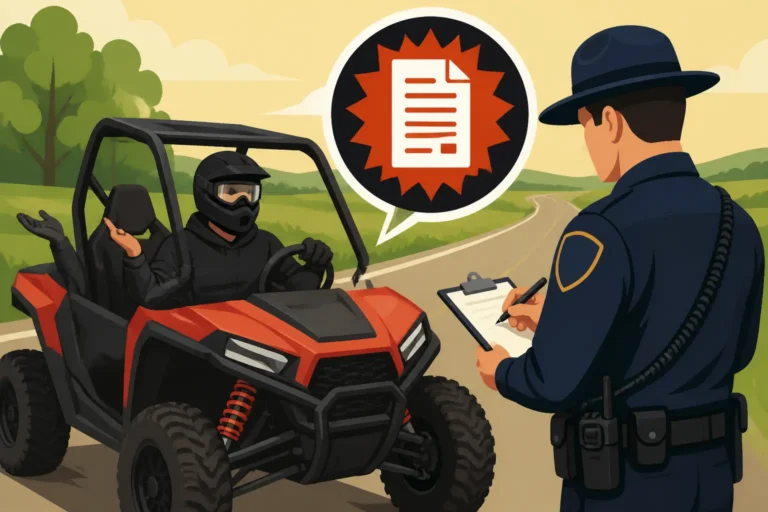
- "Everyone Does It" Mentality: You might see neighbors riding their machines around the block, heading to the gas station, or just to another street. This doesn't make it legal. It simply means those individuals are either unaware of the law or choosing to disregard it. Law enforcement officers have the authority to ticket ORV operators on prohibited roads, and ignorance of the law is not a valid defense. Don't let someone else's behavior dictate your own legal risk.
It's a frustrating reality for many ORV owners, but understanding these distinctions and misconceptions is the first step to staying compliant with Indiana law.
Exploring the Rare Exceptions: When Local Ordinances Might Allow It
While the default is a firm "no," Indiana law does provide a pathway for local governments to open certain roads to ORV use. However, these exceptions are typically narrow, come with strict conditions, and are far less common for subdivision streets than they are for more rural county roads. It requires proactive action from your local county, city, or town council.
The Power of Local Municipalities
Indiana Code explicitly grants counties the authority to adopt ordinances that designate certain county roads or portions of them as open for ORV operation. This means a county commissioner's court or similar governing body can pass a specific law allowing ORVs on particular roads. This is a crucial detail because it puts the power in local hands. However, it's vital to remember that while counties can do this, they rarely open all roads, and residential subdivision streets are often the last to be considered, if at all. [How an Indiana County Opens Its Roads] details this process.
Cities and towns also have their own authority over roads within their corporate limits. While less common, a city or town could technically pass an ordinance to allow ORVs on certain municipal roads. Again, for residential subdivision streets, this is an extremely rare occurrence, largely due to concerns about safety, noise, and quality of life in neighborhoods. When ordinances are passed, they typically designate rural-like roads or specific routes to connect trail systems, not everyday residential streets.
How to Research Your Local Ordinance
Given that exceptions are local, the responsibility falls squarely on you, the ORV owner, to investigate the specific rules for your area. This isn't always as straightforward as it sounds, but it's essential if you want to ride legally.
- Identify Your Governing Body: First, determine if your subdivision street is within a city/town's corporate limits or if it's considered a county road. You can usually find this information on your property tax statement or by checking with your county recorder's office or city clerk.
- Contact the County Highway Department/City Clerk: This is often the best starting point. Ask if there are any ordinances related to ORV use on public roads. Be specific: ask about subdivision streets. They might be able to direct you to the specific legal code.
- Review County/City Ordinances Online: Many counties and cities publish their full municipal code online. Look for sections related to "Off-Road Vehicles," "Traffic," "Vehicles," or "Recreation." Keywords like "ATV," "UTV," "ORV," or "Off-Highway Vehicle" can help your search. Be prepared to read through a lot of legal jargon. [Indiana Local Ordinances on ORV Riding] offers more guidance on this.
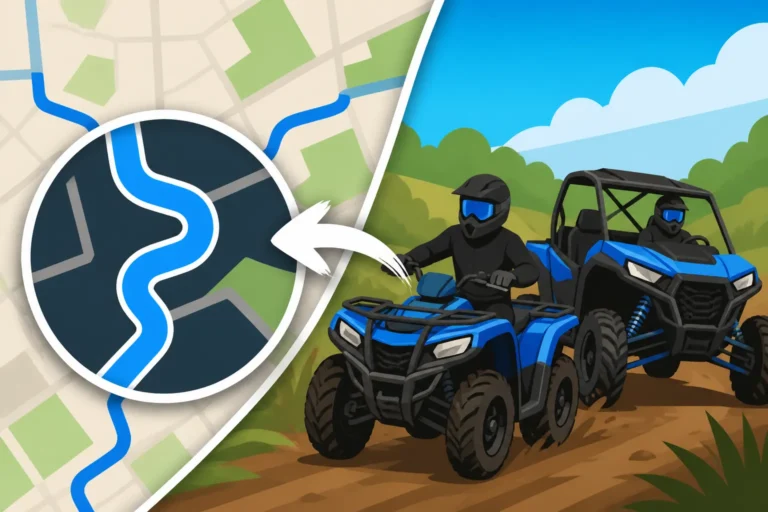
- Check for Designated Maps or Signage: If an area has been opened for ORV use, the ordinance will often refer to specific roads by name or include a map. Furthermore, those roads should be clearly marked with signage indicating that ORV use is permitted. Without clear signage, assume the default prohibition is in effect.
- Look for Specific Conditions: Even if a subdivision street is opened (which, again, is highly unlikely), there will almost certainly be conditions. These could include:
- Specific hours of operation (e.g., daylight hours only).
- Mandatory safety equipment (helmets, eye protection, seatbelts for UTVs, specific lighting, mirrors, turn signals). [Indiana Helmet Law for ORV Riders] is crucial.
- Speed limits.
- Insurance requirements.
- Driver age and license requirements.
- No passengers under a certain age.
- Requirement for a valid [Registering an ORV in Indiana] BMV registration and decal.
Don't assume. Always verify directly with the local authorities. Relying on hearsay or what a neighbor says is a recipe for a ticket.
Important Considerations Even If Allowed
Let's imagine, for a moment, the rare scenario where your specific subdivision street is open to ORV traffic by local ordinance. Even then, there are critical considerations you must keep in mind to ensure safety and compliance.
- Safety First: Just because it's legal doesn't mean it's without risk. Subdivision streets often have blind driveways, children playing, pets, pedestrians, and cars that aren't expecting ORV traffic. Always operate with extreme caution, maintain low speeds, and be prepared to stop instantly. Ensure your machine is in top condition; quality aftermarket parts from a reputable supplier like SuperATV can help with lighting or visibility upgrades if you were ever to use roads legally in designated areas.
- State vs. Local Laws: Remember that state laws regarding ORV registration, required equipment, and age restrictions still apply, regardless of local ordinances. A local ordinance might open the road, but it generally cannot override state safety requirements or operator qualifications.
- Neighbor Relations: Even if permitted, consider the impact on your neighbors. Excessive noise, dust, or fast riding can quickly turn a neighborhood against ORV use, potentially leading to the ordinance being revoked or stricter enforcement. Be a responsible rider and a good neighbor.
- Connecting Roads: An ordinance might open a specific subdivision street, but what about the roads leading to and from it? If you have to cross or ride on a prohibited county or state road to get to the designated subdivision street, you're still breaking the law on those connecting segments.
Here's a quick comparison of general road types and ORV legality:
| Road Type | Default Indiana Stance | Likelihood of Local Exception for ORVs | Typical Conditions (if allowed) |
|---|---|---|---|
| Limited-Access Highways | Prohibited | Almost Zero | N/A |
| State Routes | Prohibited | Very Low | Only specific, rural sections; often for short crossings only |
| County Roads | Prohibited, with specific shoulder/ditch exceptions | Moderate to High (if rural) | Designated by ordinance, signage, speed limits, safety gear, specific hours |
| Subdivision Streets | Prohibited | Very Low (in cities/towns), Low (in counties) | Designated by ordinance, strict conditions due to residential nature |
| Private Roads (HOA) | State law doesn't apply, but HOA rules almost always prohibit | Almost Zero | N/A (HOA rules supersede) |
This table illustrates why riding on a subdivision street is a rare exception, not the rule.
Staying Safe and Legal: Essential Practices for Indiana ORV Owners
Given the stringent rules surrounding ORV use on public roads, especially residential ones, understanding the consequences of illegal riding and adopting best practices for legal, safe operation is paramount. It’s not just about avoiding a ticket; it’s about personal safety and being a responsible member of the ORV community.
Understanding Penalties for Illegal Road Use
Operating an ORV on a prohibited public road in Indiana can lead to significant penalties. This isn't just a minor slap on the wrist.
- Class C Infraction: Generally, riding an ORV on a prohibited public highway or street is classified as a Class C infraction. This can result in a fine, and it often comes with court costs. The exact amount can vary, but it's certainly an expense you don't want. [What a Class C ORV Infraction Costs in Indiana] provides more detail on these fines.
- Liability: Beyond fines, there's the critical issue of liability. If you're involved in an accident while illegally operating your ORV on a subdivision street, your insurance policy might not cover damages, injuries, or legal fees. This means you could be personally responsible for significant financial burdens, including medical bills for injured parties, property damage, and legal judgments. [Why an Indiana Owner Is Liable] explores this further. This is a huge risk that far outweighs the convenience of a short ride down the street.
- Impoundment: In some cases, law enforcement has the authority to impound your ORV, adding further costs for towing and storage, which you would be responsible for before you could retrieve your machine.
- Criminal Charges: If your illegal road use involves reckless endangerment, property damage, or injury to others, the charges could escalate from an infraction to more serious criminal offenses.
The bottom line is that the risks associated with illegal road riding in a subdivision far outweigh any perceived convenience.
Essential Safety Gear and Machine Readiness
Whether you’re riding legally on designated trails, on private land with permission, or in the rare instance where a local ordinance opens a road, safety should always be your top priority.
- Helmets are Non-Negotiable: Indiana has a mandatory helmet law for all ORV operators and passengers under 18, regardless of where they are riding, including private property. Many experienced adult riders choose to wear helmets as well. Always ensure your helmet is DOT-approved and fits properly. [Indiana Helmet Law for ORV Riders] explains the rules.
- Eye Protection: Goggles or a face shield are crucial to protect your eyes from dust, debris, insects, and branches.
- Protective Clothing: Long pants, long sleeves, gloves, and sturdy over-the-ankle boots can help protect you from scrapes, burns, and impacts.
- Machine Maintenance: Regularly inspect your ORV. Check tire pressure, brakes, lights, fluids, and steering components. A well-maintained machine from a company like SuperATV, known for providing quality parts and accessories, is a safer machine. Ensure your lights are working, especially if there's any chance you'll be out near dusk or dawn. [Indiana Lighting Requirements for ORVs] are important if you ever ride where permitted on roads.
- Passenger Rules: Be aware of Indiana's rules regarding passengers, especially minors. Generally, ATVs are single-rider vehicles unless specifically designed for a passenger. Side-by-sides typically have designated seating for passengers, but age and supervision rules still apply. [Indiana Rules for Carrying a Passenger] will help you understand this.
Advocacy for Responsible Riding
Instead of risking fines and accidents by riding on prohibited subdivision streets, channel that energy into advocating for responsible ORV use and expanding legal riding opportunities.
- Join ORV Clubs: Many local and state ORV clubs are actively involved in promoting safe riding and working with legislators and land managers to create or maintain legal riding areas. These clubs can be a valuable resource for information and a powerful voice for change.
- Contact Local Officials: If you believe there's a need for ORV access in a specific, appropriate area (e.g., to connect trails, not necessarily through residential subdivisions), present a well-reasoned case to your county commissioners or city council. Focus on designated, low-traffic areas and highlight the economic benefits of ORV tourism.
- Support ORV Parks: Indiana is fortunate to have excellent state ORV riding areas like Redbird SRA and Interlake SRA, as well as private parks like Badlands Off Road Park and Haspin Acres. Using these legal, designated areas ensures your riding contributes to their upkeep and longevity.
By understanding the rules, prioritizing safety, and advocating for responsible access, you can enjoy your Indiana ATV or UTV experience without the legal headaches and dangers of riding where you shouldn't. The convenience of a quick ride down a subdivision street rarely outweighs the significant risks involved.
Disclaimer
This article is for general informational purposes only and does not constitute professional advice. Laws, prices and regulations vary by location and change over time. Consult a qualified professional for guidance on your specific situation.