Trail Work Funded by Indiana Registrations
It's frustrating, isn't it, when you pay a fee and feel like the money just disappears into a black hole? As an Indiana ORV owner, you fork over hard-earned cash for registration, and it's totally fair to wonder exactly where those dollars are going. You want to know that your contribution makes a tangible difference, especially when you're passionate about hitting the trails. This guide will walk you through precisely how your Indiana ORV registration fees are put to good use, directly funding the maintenance, development, and improvement of the very trails you love to ride across the state.
The Indiana ORV Registration System Explained
Before we dive into the nitty-gritty of how your money is spent, it’s helpful to understand the Indiana ORV registration system itself. It’s designed to create a baseline of accountability and funding for the ORV community within the state. When you register your ATV, UTV, or dirt bike, you're not just getting a sticker; you're becoming part of a larger system that aims to support safe and sustainable riding opportunities.
Why Indiana Requires Registration
Indiana requires all off-road vehicles (ORVs) to be registered if they are operated on public lands or properties that are open to the public. This isn't just a bureaucratic hurdle; it's a vital step in ensuring that there's a record of who is operating these machines and, more importantly, that there's a dedicated source of funding for the upkeep of riding areas. Think of it as a small investment in the future of your favorite pastime. Without this system, funding for trail maintenance and expansion would be far more sporadic and difficult to secure. The state wants to foster a vibrant ORV community, and registration is a cornerstone of that effort. It also helps manage safety and environmental impact, ensuring that land managers have the resources to address potential issues. You can learn more about the specifics of the process by checking out [Registering an ORV in Indiana].
The Three-Year Registration Cycle
Unlike some other states or vehicle types, Indiana ORV registrations are typically valid for three years. This longer cycle means less frequent paperwork for you, which is certainly a convenience. It also means that the funds collected are managed over a slightly longer horizon, potentially allowing for larger, more impactful projects to be planned and executed without annual uncertainty. Every three years, you'll go through the renewal process, which continues to feed into the same funding streams. This consistent cycle ensures a steady influx of resources for trail development. When your registration is coming due, it's a good idea to refresh your memory on [Renewing an Indiana ORV Registration] to ensure a smooth process.
Where Your Indiana ORV Registration Fees Go
So, you've paid your registration fee, received your decal, and you're ready to ride. But what happens to that money? Indiana has a specific structure in place to ensure these funds directly benefit the ORV community and the public lands they utilize. It's not just disappearing into the general state coffers; it's earmarked for specific purposes.
The Dedicated ORV Fund
The most important thing to know is that your registration fees are deposited into a dedicated fund. This isn't a slush fund; it's specifically designated for ORV-related programs and projects. This protection ensures that the money collected from riders actually goes back into supporting riding opportunities. This commitment helps build trust within the ORV community, knowing that their contributions are respected and put to good use. The goal is to create a self-sustaining system where riders contribute to the very infrastructure they enjoy. For a deeper dive, check out [Where Indiana ORV Fees Go].
Direct Trail Maintenance and Development
A significant portion of your registration fees goes directly towards the maintenance of existing ORV trails and the development of new ones. This includes a wide array of activities that are absolutely essential for a good riding experience.
Imagine you're out on a trail at [Redbird Off-Road State Recreation Area] and you encounter a newly graded section, or perhaps a bridge that’s been repaired after heavy rains. That’s your registration dollars at work! Trail maintenance isn’t just about making things look nice; it’s about safety and sustainability. This covers:
- Erosion Control: Fixing washouts, building water bars, and reinforcing trail edges to prevent environmental damage and keep trails passable. Indiana's weather can be tough on trails, and managing water runoff is a constant battle.
- Bridge and Culvert Repair: Ensuring stream crossings are safe and structurally sound, which is critical for preventing accidents and protecting waterways.
- Trail Clearing: Removing fallen trees, brush, and other obstacles that can block paths or pose hazards to riders. This is an ongoing task, especially after storms.
- Signage: Installing and maintaining clear trail markers, safety warnings, and informational signs so riders can navigate safely and understand rules.
- Facility Improvements: Upgrading staging areas, parking lots, restrooms, and other amenities at state-managed riding parks like [Interlake Off-Road State Recreation Area]. These facilities make your whole riding experience more enjoyable from start to finish.
Without these funds, many of our favorite riding spots would quickly deteriorate, becoming unsafe or even impassable. Your registration literally keeps the tires turning on Indiana's trails.
ORV Grant Programs
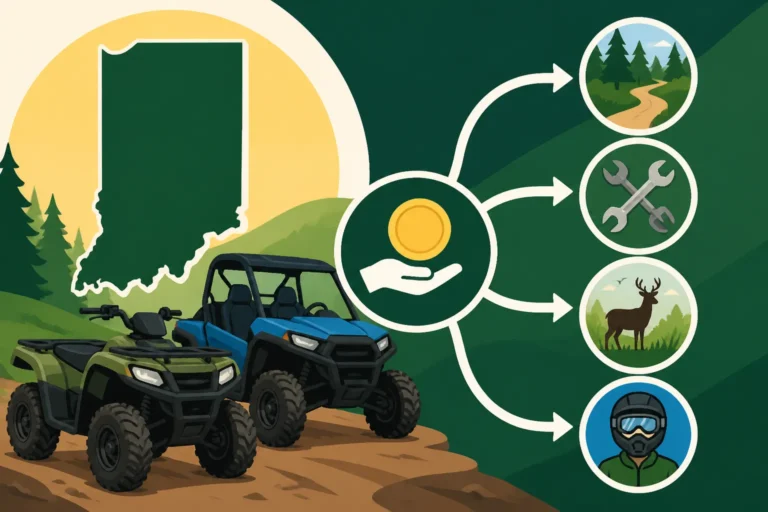
Beyond direct funding for state-managed properties, a portion of the dedicated ORV fund may also be used to provide grants to local communities, clubs, or private organizations. These grants empower local groups to undertake their own ORV-related projects. For example, a local ATV club might apply for a grant to:
- Develop New Local Trails: If a county or private landowner wants to create a new ORV park or expand an existing one, these grants can provide crucial seed money for planning, construction, and equipment.
- Purchase Trail Maintenance Equipment: Smaller organizations might not have the budget for heavy machinery like mini-excavators or specialized tractors. Grants can help them acquire the tools needed to maintain their own local trails.
- Host Safety and Education Programs: Promoting responsible riding practices is key to the longevity of the sport. Grants can support initiatives that teach riders, especially youth, about ORV safety, environmental stewardship, and proper etiquette.
These grant programs are essential because they allow funding to reach beyond just the state's main ORV parks, fostering a broader network of riding opportunities across Indiana. This decentralized approach leverages local enthusiasm and knowledge, creating a more diverse and accessible riding landscape for everyone.
The Impact of Your Registration on Indiana Trails
Your decision to register your ORV has a ripple effect across the state, contributing to more than just fresh gravel on a trail. It's about preserving access, promoting safety, and ensuring that future generations can enjoy the thrill of off-road riding in Indiana.
Preserving and Expanding Riding Access
Let's be real, suitable land for ORV riding isn't growing. In fact, it often feels like it's shrinking. Without dedicated funding to manage and develop public riding areas, there's a constant threat of closures or restrictions. Your registration fees play a critical role in preserving the access we currently have and, ideally, expanding it. When the state can demonstrate a self-sustaining funding model driven by users, it strengthens the argument for maintaining and investing in these recreational lands. This means more miles of trail, more diverse terrain, and more places for you to explore without having to worry about trespassing. It’s an investment in the future of our sport.
Enhancing Rider Safety
Well-maintained trails are safe trails. Potholes, eroded sections, broken bridges, and unclear signage all contribute to accidents. By funding consistent maintenance, your registration fees directly reduce these hazards. Furthermore, some of these funds contribute to educational initiatives, which can include public service announcements or printed materials on safe riding practices. While Indiana doesn't currently mandate an ATV safety course, these resources are still invaluable for new riders and a good refresher for seasoned veterans. Remember, safety isn't just about your gear; it's about the environment you ride in too.
Environmental Stewardship
Responsible ORV recreation goes hand-in-hand with environmental stewardship. Eroding trails can lead to sediment runoff into streams, harming aquatic life. Poorly managed riding areas can damage natural habitats. Your registration fees help fund practices that mitigate these impacts. This includes trail design that minimizes erosion, rehabilitation of sensitive areas, and management plans that consider local wildlife and ecosystems. The goal is to allow recreational use while protecting Indiana's natural beauty. It's about finding a balance, and your registration helps fund the efforts to maintain that balance. If you ever need to create formal agreements for private land access, a service like LawDepot can assist with drafting comprehensive landowner permission forms to ensure all parties understand the environmental responsibilities involved.
| Funding Category | Description | Example Projects | Impact on Riders |
|---|---|---|---|
| Trail Maintenance | Upkeep of existing trails to ensure safety and usability. | Grading, erosion repair, bridge fixes, clearing debris, signage installation. | Smoother rides, reduced hazards, clear navigation, consistent access. |
| Trail Development | Creation of new ORV trails and expansion of existing networks. | Land acquisition, trail construction, layout planning, environmental assessments. | More places to ride, new terrain to explore, reduced crowding on existing trails. |
| Facility Upgrades | Improvement of amenities at ORV parks and staging areas. | Better parking, upgraded restrooms, improved signage at park entrances. | Enhanced comfort, convenience, and overall experience at riding destinations. |
| Grant Programs | Financial support for local clubs and communities for ORV projects. | Local trail expansion, equipment purchase, safety training events. | Broader network of riding spots, stronger local ORV communities. |
| Environmental Protection | Efforts to minimize the ecological impact of ORV use. | Erosion control measures, habitat restoration in riding areas. | Sustainable riding, preservation of natural beauty, responsible recreation. |
How You Can Support Trail Work Beyond Registration
Your registration fee is a fantastic start, but there are other ways you can contribute to the health and growth of Indiana's ORV trails. These actions often provide additional resources, manpower, and advocacy that go beyond monetary contributions.
Volunteer Your Time
One of the most impactful ways to support trail work is by getting your hands dirty! Many ORV parks and local clubs rely heavily on volunteer labor for maintenance and improvements. Spending a Saturday clearing brush, repairing fences, or helping with a trail build project is incredibly rewarding. You get to meet fellow riders, learn more about trail construction, and directly see the fruits of your labor. Plus, it's a great way to give back to the community that provides your recreational opportunities. Keep an eye on the DNR's websites for [Redbird Off-Road State Recreation Area] and [Interlake Off-Road State Recreation Area] for volunteer days, or connect with local ORV clubs in your area.
Join Local ORV Clubs
Local clubs are the lifeblood of the ORV community. They often act as advocates for rider rights, organize group rides, and undertake significant trail maintenance projects. By joining a club, you're not only getting access to a social network of like-minded individuals but also pooling resources and voices to make a greater impact. Clubs frequently work directly with land managers, applying for grants, and organizing volunteer efforts. Your membership fees and active participation directly support these efforts, helping to ensure that local trails remain open and well-maintained. They can also be a fantastic resource for learning about new riding spots or understanding specific regulations, like those for [Riding a County Road Home After Sunset].
Practice Responsible Riding
This might seem obvious, but riding responsibly is a form of trail maintenance in itself. Staying on marked trails prevents trail braiding and erosion in sensitive areas. Avoiding riding in extremely wet conditions minimizes rutting and damage that then needs costly repairs. Packing out what you pack in keeps our trails clean and litter-free. Following all posted rules and regulations, including speed limits and signage, contributes to overall trail longevity and prevents accidents. Every time you respect the land, you're reducing the burden on those who maintain it. Your actions on the trail speak volumes and directly influence the sustainability of our riding areas.
Advocate for ORV Access
Sometimes, supporting trail work means speaking up. Stay informed about local ordinances and state-level discussions regarding ORV access and land use. Attend public meetings, write letters to your representatives, or simply engage in respectful conversations about the benefits of responsible ORV recreation. When decisions are being made about public lands, having a strong, informed voice from the ORV community is crucial. These efforts can help secure funding, prevent closures, and promote policies that are favorable to off-road enthusiasts. Understanding local requirements, such as those related to [Indiana ORV Permit Cost], can also strengthen your advocacy efforts. If you need to draft formal communications or petitions to local authorities, platforms like LawDepot can provide templates to ensure your message is clear and professional.
Disclaimer
This article is for general informational purposes only and does not constitute professional advice. Laws, prices and regulations vary by location and change over time. Consult a qualified professional for guidance on your specific situation.