Buying a Quad at an Indiana Auction
Alright, let's talk about the wild world of buying ATVs and UTVs at auction here in Indiana. It’s an exciting prospect, isn't it? You envision snagging an incredible deal on a powerhouse machine, a steal that will have you tearing up the trails at Redbird or Interlake for a fraction of the showroom price. But let's be realistic: auctions are a different beast, often fraught with more questions than answers, especially when it comes to the crucial paperwork for titling and registration. This guide is here to walk you through the exhilarating highs and the potential headaches of bringing an auction-bought quad home in Indiana, ensuring you know exactly what you're getting into before the gavel falls.
The Allure and The Pitfalls of Auction Buying in Indiana
There’s a certain thrill that comes with the auction environment, a feeling of possibility as you eye a row of machines, each one a potential diamond in the rough. However, that excitement can often obscure some very real challenges unique to this buying method. Understanding both sides of the coin is paramount before you ever raise your hand to bid.
Why Auctions Are So Appealing for Quad Buyers
For many off-road enthusiasts, auctions represent the ultimate treasure hunt. You might find a vintage gem, a lightly used workhorse, or a specific model that's been elusive in the traditional used market. The primary draw, of course, is the potential for a fantastic deal. Dealers often unload trade-ins, estate sales clear out forgotten machines, and sometimes, banks auction off repossessions. In these scenarios, the urgency of sale can translate into lower prices for savvy buyers.
Think about it: instead of haggling with a private seller or paying a dealer’s mark-up, you're competing directly with other bidders, letting the market set the price. The sheer variety can also be astonishing; one auction might feature utility UTVs perfect for farm work, alongside high-performance sport quads and even youth machines. It’s a place where you can often see many different types of off-road vehicles in one spot, making comparisons easier than driving all over the state to view individual listings. The energy of the auction itself is also a factor for some, a lively atmosphere where quick decisions and a bit of luck can lead to a new ride.
The Unique Challenges and Risks of Auction Purchases
Now, for the dose of reality. While the potential for a deal is high, so are the risks. The biggest challenge with an auction purchase is almost always the "as-is, where-is" nature of the sale. This means you buy the machine exactly as you see it, with no warranties, no guarantees, and no recourse if something goes wrong the moment you get it home. Unlike a private seller who might offer a brief test ride or a dealer with a limited warranty, you're generally buying blind, or at least with severely limited inspection opportunities.
Imagine finding your dream quad. You see it from afar, it looks good, but you can't start it, can't ride it, and might only get a few minutes to walk around it. Is the engine sound? Are the brakes shot? What about the transmission, suspension, or those crucial electrical components? These are questions that often remain unanswered until after the sale. You might also encounter hidden issues, such as flood damage, bent frames, or major mechanical problems that aren’t visible on a quick walk-around. Furthermore, buyer's premiums, which are additional fees charged by the auction house, can quietly eat into your perceived savings, often adding another 10-15% on top of the hammer price. It's easy to get caught up in the bidding fever and forget these additional costs.
Essential Homework Before You Bid on an Indiana Auction Quad
Going into an auction unprepared is like heading out on a new trail without a map or enough fuel – you’re bound to run into trouble. Doing your homework before you even set foot on the auction floor can save you a significant amount of money and future headaches. This preparation isn't just about the machine itself, but also about understanding the rules of the game and the crucial paperwork involved.
Researching the Auction and Its Rules
Not all auctions are created equal. You have public auctions, often run by dedicated auction houses, that might feature a wide array of items including ORVs. Then there are dealer auctions, usually wholesale, where dealers buy and sell to each other – these are typically not open to the general public. Estate auctions, farm auctions, and even government surplus auctions can also present opportunities. Each type will have its own unique set of rules, and it’s your responsibility to understand them completely.
Start by visiting the auction house's website or calling them directly. Inquire about the registration process – do you need to register in advance? Is there a fee? What forms of payment do they accept (cash, credit card, cashier's check)? This is incredibly important, as many auctions require immediate payment in full, or at least a substantial deposit, right after the sale. You don't want to win a bid only to find you can't pay for it! Ask about buyer's premiums, sales tax, and any other hidden fees. Some auctions might also have strict pickup deadlines, meaning you need to arrange transport for your new quad quickly, or face storage fees. Understanding these logistics beforehand helps you budget accurately and avoid last-minute surprises.
Pre-Auction Machine Inspection and Due Diligence
This is perhaps the most critical step and often the most challenging. Most auctions offer a preview period, which might be a few hours on the day of the auction or a dedicated day or two prior. Use this time wisely. Bring a flashlight, a magnet (to check for body filler), and even a small mirror to look into tight spaces. This is your chance to be a detective.
Walk around the machine. Look for obvious signs of damage: bent suspension components, cracked plastics, leaks under the engine or transmission, rust on the frame. Check the tires for excessive wear or dry rot. If the battery is connected, try turning on the lights, checking the horn, and looking for any dash lights that indicate issues. While you likely won't be able to start the machine, you can still check fluid levels if accessible, and look for milky oil or coolant, which can indicate major problems. Don't forget to locate the Vehicle Identification Number (VIN) on the frame. This 17-digit number is vital. You might not have time at the auction to run a full VIN check, but having it recorded is crucial for later steps. For more on this, check out [Checking a VIN Before an Indiana Purchase]. Also, scrutinize the auction description carefully. Are there any disclaimers? Is it listed as "runs," "parts only," or "condition unknown"? These details can tell you a lot about what you're buying.
Understanding Paperwork and Titles at an Indiana Auction
This is often the biggest potential landmine when buying an ORV at auction in Indiana. When you buy a quad from a private seller or a dealer, there's a clear expectation of receiving a title, or at least a clear path to getting one. With auctions, it's not always so straightforward. In Indiana, off-road vehicles purchased after December 31, 2009, generally require a title. If the machine was purchased new before that date, it might be [Why Some Indiana Machines Never Needed a Title] originally, making the paperwork situation different.
Some auctions will clearly state if a title is present and will transfer with the sale. Others might only provide a bill of sale. A bill of sale is important, and you should always get one, often provided by the auction house itself. However, an auction-issued bill of sale might not be enough on its own to title or register the machine with the Indiana Bureau of Motor Vehicles (BMV), especially if the original title is missing or if the previous owner never titled it. Remember, in Indiana, a bill of sale essentially expires for titling purposes [Why a Bill of Sale Expires After Forty-Five Days] if you're trying to prove ownership without a corresponding title for a machine that should have one. This can lead to a lengthy and sometimes frustrating process involving an ownership affidavit.
If the quad you're eyeing was bought new after 2009, and the auction description doesn't mention a title, proceed with extreme caution. You could be facing an uphill battle to get the machine legally registered and titled in your name. For context on why titles matter so much, read [Why Indiana Titles Machines Bought After 2009]. If you find yourself with a quad and no title, and it's a machine that requires one, you'll eventually need to apply for a title and potentially even file an [Filing an Ownership Affidavit for a Quad With No Paperwork] with the BMV, which can be a complex process involving sworn statements and potentially other documentation. It's a significant consideration that should heavily influence your bidding strategy.
Navigating the Auction Floor and Post-Purchase Steps
You've done your homework, you know the rules, and you've identified a few promising machines. Now it's time for the real action: the bidding itself, and then the crucial steps to ensure your new machine is legally yours and ready for the trails.
Bidding Strategies and Staying Within Your Budget
The auction floor can be an intoxicating place. The auctioneer's rapid-fire patter, the quick flick of hands, and the sense of competition can easily lead you to overspend. Before the bidding even starts, set a hard maximum budget for each machine you're interested in, and stick to it. This budget should include the hammer price, the buyer's premium, sales tax, and any estimated costs for repairs or transport. It’s easy to get caught up in the moment and chase a machine beyond its true value or your financial comfort zone.
Observe the bidding patterns for a while before participating. Sometimes, there are "shill bidders" or phantom bids, but legitimate auctions generally operate transparently. Understand the bidding increments – sometimes they’re small, but for larger items, they can jump significantly. Don't be afraid to walk away if the price goes too high. There will always be another auction, another machine. When you do bid, be confident and clear. A slight nod or a clear raise of your hand is usually sufficient. Once the gavel falls and the auctioneer declares "Sold!", the machine is officially yours, and the clock starts ticking on your responsibilities.
Securing Your Purchase and Required Documentation
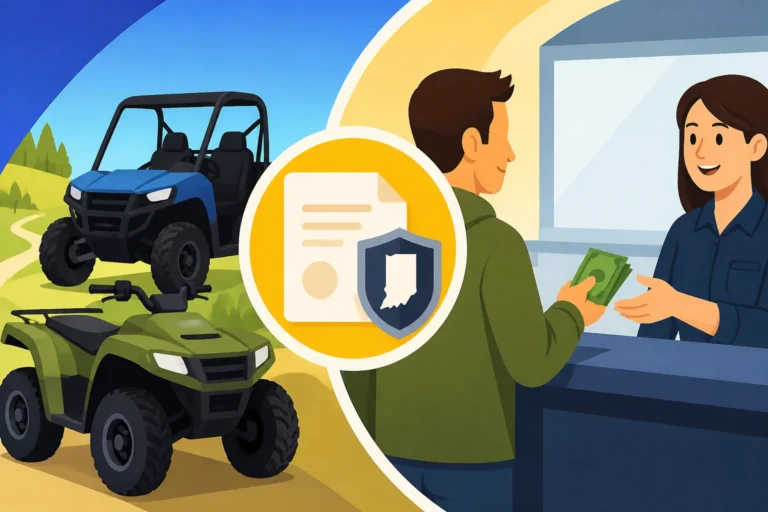
As soon as you've won a bid, you'll typically be directed to a registration or checkout desk. This is where you'll make your immediate payment. As mentioned, most auctions require payment in full, so be prepared with your pre-arranged payment method. Once payment is processed, you absolutely must ensure you receive a comprehensive bill of sale. This document is paramount.
The bill of sale from the auction house should clearly identify the machine (make, model, VIN), the date of sale, the purchase price, and the details of both the seller (the auction house) and the buyer (you). Even if the auction provides a generic form, you can always ask for additional details or use a reputable template service like LawDepot to draft a more detailed bill of sale if the auction house is amenable, though they usually have their own standard forms. This document is your proof of ownership, and it’s what you’ll need for subsequent steps with the BMV. If a title was indeed part of the sale, make sure you receive it at this time, or are given clear instructions on when and how it will be provided to you. Do not leave the auction premises without your bill of sale and any available title documentation. For further detail on what a good bill of sale includes, refer to [An Indiana Bill of Sale for an ORV].
Post-Auction Checklist: Registration, Titling, and Getting Ready to Ride
Congratulations, you've got your machine! But the journey isn't over yet. The real work of getting your quad legally ready for Indiana trails begins now. Your immediate priority is to gather all your paperwork and head to an Indiana BMV branch to begin the titling and registration process.
First, take your bill of sale and any title you received to the BMV. If the machine requires a title (i.e., it was bought new after 2009) and you didn't receive one at the auction, this is where the complexity begins. You'll explain the situation to the BMV clerk. They will guide you through the process of applying for a title, which may involve filing an [Indiana ORV Title Requirements] form and potentially filing an ownership affidavit if the chain of ownership is unclear or a previous title is missing. Be prepared for a potentially longer process if you're dealing with a missing title, as the BMV will need to verify ownership. For the full lowdown on this process, see [Titling an ORV in Indiana] and [Paying for an ORV Title at a License Branch].
Once the titling process is underway or completed, you can then proceed with [Registering an ORV in Indiana]. This involves providing your proof of ownership (title or accepted ownership documentation), paying the [Indiana ORV Registration Cost], and receiving your Indiana ORV decal. Make sure you understand the [Indiana ORV Titling Deadline] to avoid any administrative penalties. Keep all your documentation, including your bill of sale, title application forms, and ultimately your registration certificate, in a safe place. Consider making copies for your records. Before your first ride, ensure your machine is mechanically sound, and that you have all the necessary safety gear. While Indiana doesn't always mandate insurance for all ORV riding, some counties or specific riding areas might, so it's always wise to check local ordinances and consider coverage. By tackling these administrative steps diligently, you’ll ensure your auction bargain doesn’t turn into a legal headache, leaving you free to enjoy the incredible riding Indiana has to offer.
| Item/Process | Description | Key Considerations |
|---|---|---|
| Pre-Auction Research | Investigate auction house rules, preview dates, payment options, and hidden fees (buyer's premium, tax). | Different auctions have different rules. Know exact payment methods and pickup deadlines. Factor in buyer's premiums to your budget. |
| Machine Inspection | Physically inspect the ORV during the preview period. Look for damage, leaks, VIN. | Limited time, "as-is" condition. Cannot test ride. Bring tools (flashlight, magnet). Locate the VIN. |
| Title Status Check | Determine if a title is present and will transfer. | Crucial for Indiana ORVs bought new after 2009. No title can mean significant hurdles for registration and titling. A bill of sale is not always enough. |
| Bidding & Payment | Set a maximum budget and stick to it. Pay immediately after winning. | Easy to overspend in the excitement. Be ready for immediate payment in cash or certified funds. |
| Documentation | Obtain a detailed bill of sale from the auction house. Collect any available title. | The bill of sale is your proof of purchase. If no title is provided, prepare for extra steps with the BMV. Consider a LawDepot template for personal records if the auction's is minimal. |
| Titling & Registration | Visit the Indiana BMV with your bill of sale and any title. Apply for title and registration. | Expect potential delays if a title is missing. An ownership affidavit may be required. Pay applicable fees. Ensure you meet [Indiana ORV Titling Deadline] requirements. |
Disclaimer
This article is for general informational purposes only and does not constitute professional advice. Laws, prices and regulations vary by location and change over time. Consult a qualified professional for guidance on your specific situation.