Why a BMV Decal Lasts Three Years
As fellow riders, we all know the drill: keeping track of registration and titling for our off-road vehicles (ORVs) can sometimes feel like navigating a particularly dense section of trail without a map. There's a common question that pops up, especially for those new to the Indiana ORV scene: why does the BMV registration decal last for three years? This guide is here to clear up that specific puzzle, helping you understand the system, its benefits, and what it means for you and your machine.
Understanding Indiana's Three-Year ORV Registration Cycle
When you first register your ATV, UTV, or dirt bike in Indiana, you might notice that the decal issued by the Bureau of Motor Vehicles (BMV) isn't an annual affair like your passenger car's license plate sticker. Instead, it's valid for a full three years. This system is a deliberate design choice that has significant implications for ORV owners across the state, and it’s a key part of [How Indiana ORV Registration Works].
The Standard Duration for Indiana ORVs
Unlike the yearly renewal many are accustomed to with other vehicles, Indiana has established a triennial registration period for off-road vehicles. This means that once you've gone through the initial registration process and received your decal, you're set for three years before you need to think about renewing it. It's a system that aims to offer a bit more longevity and reduce the frequency of administrative tasks for ORV owners.
For many, this longer cycle is a welcome change. It removes the annual scramble to find paperwork and remember deadlines, allowing you to focus more on enjoying the trails and less on the red tape. Imagine the peace of mind knowing you don't have to worry about your registration for quite a while after that first successful trip to the license branch. It truly sets ORV registration apart from the often more frequent renewals required for street-legal vehicles.
This isn't just a casual timeframe; it's codified in state regulations. The Indiana BMV has specific guidelines for [How Long an Indiana ORV Registration Lasts], clearly defining the three-year period. This consistency helps everyone involved – from the ORV owner to the conservation officers checking decals on the trail – understand the validity period at a glance. It's designed to be straightforward and minimize confusion, though it often raises questions precisely because it's different from the norm.
What the Decal Represents
The Indiana ORV decal is more than just a sticker; it's tangible proof that your machine is legally registered to operate within Indiana's designated ORV areas and, where permitted, on county roads. It’s typically a brightly colored sticker with an expiration date, and it needs to be prominently displayed on your machine. Without it, you could face fines or other penalties, even if you have all your paperwork in order back home.
This decal carries specific information, including a unique identification number that corresponds to your vehicle's registration. It's a quick visual indicator for law enforcement that your ORV meets the basic legal requirements for use. The fact that it's designed to be durable and visible speaks to its importance in the field, ensuring that riders can be quickly identified as compliant without lengthy roadside checks. It’s the visual sign that all your registration paperwork is in order.
The placement of this decal is also crucial. It’s not just slapped anywhere; there are specific rules about [Where the Indiana Decal Mounts] to ensure it’s easily seen and legible. This attention to detail is part of the system's design to make compliance clear and enforcement efficient. Ultimately, the decal is your machine's passport to legal trail riding in Indiana, a simple but vital piece of proof that validates your vehicle's registration status.
The Logic Behind Indiana's Triennial ORV Decal
So, why three years? It’s a fair question, especially when many other types of vehicle registrations are annual. The decision to make ORV decals valid for three years isn't arbitrary; it's a carefully considered approach aimed at optimizing several aspects of the registration process for both the state and the ORV community.
Streamlining Administrative Processes
One of the primary reasons for the three-year cycle is to reduce the administrative burden on the state agencies involved, particularly the BMV. Imagine the sheer volume of paperwork and processing required if every ORV owner had to renew their registration annually. By extending the period to three years, the BMV can space out renewals, leading to fewer transactions each year. This allows their staff to focus resources more effectively and potentially reduce wait times at license branches.
For you, the ORV owner, this translates to less hassle. You don't have to remember to mark your calendar for an annual renewal, nor do you have to make a yearly trip or online application. This convenience is a significant benefit, especially for those who might own multiple ORVs or have other vehicles requiring annual registration. It's one less thing to worry about in your busy life, letting you enjoy your machine rather than constantly managing its paperwork.
This longer cycle also helps in managing data. With fewer renewal cycles, there's less frequent data entry and updates, which can reduce the potential for errors and ensure more consistent records over time. It’s a pragmatic approach to government services, acknowledging that while annual renewals might seem more regular, they also come with a continuous, high volume of repetitive work. The three-year interval smooths out these peaks and troughs, leading to a more efficient system overall.
Financial Considerations and Fund Allocation
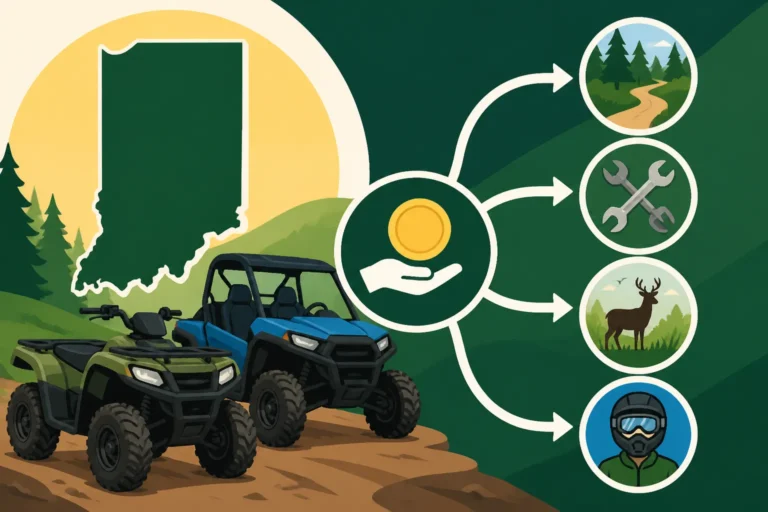
The fees collected from ORV registrations are not just for covering administrative costs; they play a crucial role in funding vital programs that benefit the entire ORV community. These funds are often directed towards things like trail development, maintenance, safety education, and enforcement efforts. A three-year registration fee provides a more stable and predictable revenue stream for these initiatives, rather than relying on annual fluctuations. This means that important projects can be planned with greater certainty, knowing that funding will be consistent over a longer period.
When you pay your [Indiana ORV Registration Cost], that money contributes directly to keeping trails open and safe, and to creating new riding opportunities. The triennial collection method ensures that these essential programs have a steady financial foundation for sustained efforts. Without this predictable income, it would be much harder for state agencies like the DNR to budget and execute long-term plans for improving Indiana's ORV infrastructure.
The structure also means that while you pay a lump sum upfront for three years, that investment immediately goes to work for the community. It's a collective contribution that ensures the longevity and quality of ORV recreation in Indiana. You can learn more about where these contributions go by looking into [Where Indiana ORV Fees Go], which often includes details on how funds are allocated to different projects and maintenance efforts. It truly is a system designed to reinvest back into the passion we all share.
Practical Considerations for Your Three-Year ORV Decal
While the three-year validity period offers convenience, it also requires a bit of foresight and good management on your part. It's not a "set it and forget it" situation for the entire duration, especially as that third year approaches. Knowing what to expect and how to handle various scenarios throughout this cycle will save you headaches down the road.
Planning for Renewal
With a three-year cycle, it can be easy to lose track of the expiration date, especially if your initial registration was a while ago. However, letting your registration lapse can lead to fines if you're caught riding an unregistered machine. It's incredibly important to know precisely [When an Indiana ORV Registration Expires] and to plan accordingly. A simple reminder in your calendar or on your phone, set for a few months before the expiration date, can be a lifesaver.
The BMV typically sends out renewal notices as the expiration date approaches, but these can sometimes get lost in the mail or overlooked. Don't rely solely on receiving a notice; take proactive steps to confirm your expiration date and prepare for renewal. This might involve checking your existing registration certificate or looking it up online if the service is available. Being prepared means you can avoid the stress of a last-minute scramble or, worse, riding on an expired decal.
When it's time to renew, the process is generally straightforward. You'll go through steps similar to your initial registration, ensuring your information is up-to-date and paying the renewal fee. It's an opportunity to update any details, such as a change of address. Preparing for [Renewing an Indiana ORV Registration] well in advance ensures a smooth transition to your next three-year decal, keeping you compliant and ready for your next adventure.
Cost Over Time
The fact that the decal lasts three years means you pay the registration fee as a lump sum for that entire period. This is different from an annual fee, which you’d pay every year. While it might feel like a larger upfront cost compared to a single year's fee, remember you're covering three years of legal riding. When you break it down, it often works out to be quite reasonable on an annual basis.
It's wise to factor this triennial cost into your overall ORV budget. Instead of thinking of it as a sporadic expense, consider setting aside a small amount each year, so you have the full amount ready when renewal time comes around. This approach makes the payment feel less impactful when it's due and helps you maintain good financial habits for your recreational vehicle ownership. You can find detailed information on the current fees by checking [Indiana ORV Registration Cost] and [Indiana ORV Registration Renewal Cost].
This system also means you’re insulated from potential annual fee increases for three years once you’ve paid. While the fee might change between your renewal periods, during your active three-year registration, your cost is fixed. This predictability is another quiet benefit of the triennial system, allowing you to budget more accurately for the cost of keeping your machine legally on the trails. It's a simple, upfront investment for extended peace of mind.
Transferring Ownership Within the Three-Year Period
What happens if you decide to sell your ORV before the three-year registration period is up? This is a common question, and it’s important to understand the process. The Indiana ORV registration decal is tied to the machine, not strictly to the owner. So, when you sell your ORV, the existing decal remains on the machine, indicating its current registration status.
However, the new owner must transfer the registration into their name. While the decal itself is still valid for the remainder of its three-year term, the ownership information associated with that registration needs to be updated. This ensures that the state has an accurate record of who is legally responsible for the ORV. It’s a critical step that protects both the buyer and the seller. You'll want to review [Selling an ORV in Indiana] to ensure you handle the transfer correctly.
When handling the sale, particularly a private sale, it's a good idea to ensure you have all necessary documentation, like a bill of sale. Services like LawDepot can be incredibly helpful here, providing templates for legal documents that ensure all parties are protected and the transfer of ownership is clearly documented. This paperwork is vital for the new owner to then go to the BMV and complete their transfer of the existing registration, linking them to the remaining validity of that three-year decal.
Navigating Your ORV Registration Over the Three-Year Term
Having a three-year registration means you're generally good to go for a decent stretch, but it's not entirely hands-off. There are still a few things you'll want to keep in mind to ensure your experience is smooth and compliant throughout the entire period. From keeping your documents safe to knowing what to do if the decal gets damaged, a little preparation goes a long way.
Keeping Records and Staying Organized
Even though you only register every three years, it’s crucial to keep your registration certificate and any other important documents in a safe and accessible place. You might need to present your registration certificate if stopped by a conservation officer, or if you ever need to prove ownership for insurance purposes. Having digital copies on your phone can be a handy backup, but always keep the originals secure.
Consider creating a dedicated folder or digital file for all your ORV-related documents. This should include your registration certificate, title, bill of sale, and any insurance information. Being organized helps immensely when that three-year renewal rolls around, or if you ever need to look up details for something like [Indiana ORV Registration Paperwork]. It prevents that frustrating search through old piles of paper when you're under pressure.
Setting up a reminder system for your renewal is also a smart move. Whether it’s a digital calendar alert, a note on your physical calendar, or even an old-fashioned sticky note on the fridge, anything that jogs your memory a few months before the deadline is beneficial. The three-year cycle is long enough that it's easy to forget, so external reminders are key to avoiding a lapse in registration. This proactive approach ensures you're always covered.
What to Do If Your Decal Is Lost or Damaged
The trails can be tough on our machines, and unfortunately, that sometimes extends to our registration decals. Mud, branches, power washing, or even just general wear and tear can cause your decal to become damaged, unreadable, or even peel off entirely. It’s a frustrating situation, as a damaged or missing decal is just as problematic as not having one at all in the eyes of the law.
If your decal becomes compromised, don't just keep riding and hope for the best. You need to take steps to get a replacement. The Indiana BMV has a process for [Replacing a Lost Indiana ORV Decal]. This typically involves submitting an application and possibly a small fee. While it’s an extra step, it’s much better than facing a citation for a non-compliant machine.
It’s a good idea to address a damaged decal as soon as you notice it. The longer you ride with a compromised decal, the higher the chance you'll encounter an enforcement officer who might not be as understanding. Having proof that you've applied for a replacement can sometimes help, but ultimately, you need that new, clearly visible decal on your machine to be fully compliant.
Understanding the Renewal Process
As mentioned, the three-year cycle brings you back to the renewal stage. When it's time for [Renewing Every Three Years in Indiana], the process is designed to be familiar. You’ll generally need your ORV’s identification number, your personal information, and the renewal fee. Most renewals can be done online, by mail, or in person at a BMV license branch, offering flexibility.
It's a good opportunity to double-check that all the information associated with your ORV is still accurate. Have you moved? Did you change your name? Any updates like these should be communicated to the BMV during the renewal process to ensure your records are current. This helps prevent any issues down the line if you ever need to verify ownership or registration details.
Successfully renewing your registration means you get a brand new decal, good for another three years. This cycle continues for the life of your ORV, ensuring that it remains legally registered as long as you plan to ride it in Indiana. Keeping on top of these renewals is a fundamental responsibility of ORV ownership and ensures that you can continue to enjoy Indiana's incredible trails without interruption.
Disclaimer
This article is for general informational purposes only and does not constitute professional advice. Laws, prices and regulations vary by location and change over time. Consult a qualified professional for guidance on your specific situation.