Indiana ORV Registration Help
Getting your off-road vehicle (ORV) registered in Indiana can sometimes feel like navigating a maze, especially if you're new to the state or just bought a used machine without perfect paperwork. It’s a common frustration to have a shiny new-to-you ATV or side-by-side sitting in the garage, ready for the trails, but you're held up by bureaucratic hurdles. This guide aims to clear up the confusion, walking you through the ins and outs of Indiana ORV registration so you can get your machine legal and hit the trails with confidence.
Understanding the Basics of Indiana ORV Registration
Before you can even think about hitting the incredible trails at Redbird or Interlake, your ORV needs to be properly registered with the state of Indiana. This isn't just a suggestion; it's a legal requirement designed to ensure accountability, fund trail maintenance, and make sure everyone can enjoy our state's fantastic riding opportunities safely. It's easy to get overwhelmed by all the rules, but breaking it down makes it much more manageable.
Who Needs to Register an ORV in Indiana?
The short answer is almost everyone. If you own an ORV, which includes ATVs, UTVs (side-by-sides), dirt bikes, and even some custom-built machines, and you plan to operate it on public land or designated trails within Indiana, it needs to be registered. This applies whether you bought it new from a dealer in Bloomington or picked up a well-loved quad from a private seller near Terre Haute. The law is pretty broad in defining what constitutes an ORV for registration purposes, essentially covering any motorized vehicle designed for off-road use.
There are, of course, a few specific exceptions. Machines used exclusively for agricultural purposes on private land, for instance, might fall under an exemption. Also, vehicles owned by governmental agencies or used at competitive events under a special permit are typically exempt. However, for the vast majority of enthusiasts, registration is a must. If you're unsure if your particular machine or use case qualifies for an exemption, it's always best to assume you need to register and double-check. Don't risk a fine or having your machine impounded for not following the rules. We've all heard stories of someone getting pulled over and having their fun cut short.
The Difference Between Registration and Titling
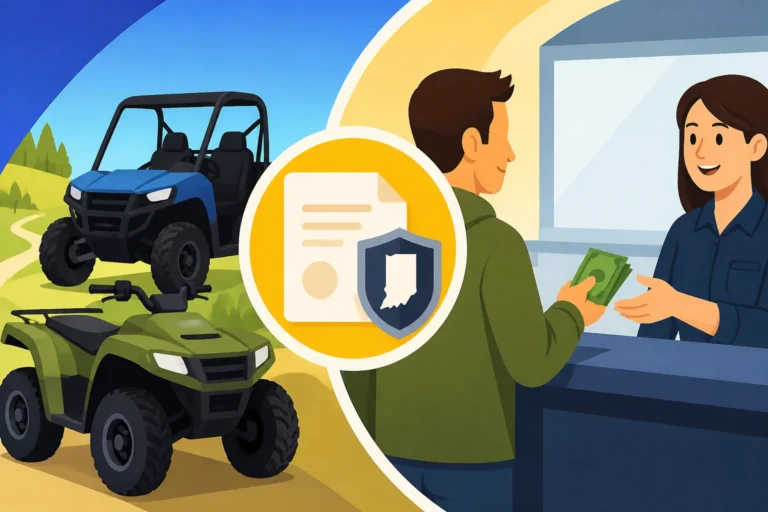
This is where a lot of people get tripped up, and it's a completely understandable point of confusion. In Indiana, registering your ORV and titling it are two distinct processes, although they often happen concurrently or are closely related. Think of it this way: the registration is essentially your permission to operate the machine on designated public lands and trails, evidenced by a decal that goes on your ORV. It shows you've paid your fees and are good to go for a specific period, typically [Indiana's Three-Year ORV Registration].
Titling, on the other hand, is about establishing legal ownership of the vehicle. It's a paper document that proves you are the rightful owner, much like a title for your car or truck. The rules around titling ORVs in Indiana changed significantly years ago, specifically for machines bought after a certain date. If your machine was purchased after 2009, it generally needs a title. However, older machines might be [Title-Optional Machines in Indiana]. It’s vital to understand this distinction because while you might be able to register an older machine without a title using an ownership affidavit, establishing clear ownership via a title makes future sales and transfers much smoother. It's also critical if you ever need to prove the machine is yours, especially in cases of theft.
Why Indiana Requires ORV Registration
It might feel like just another fee, but the reason behind Indiana's ORV registration requirement is pretty straightforward and ultimately benefits all of us who love to ride. First and foremost, registration fees directly contribute to the maintenance and development of our state's ORV trails and riding areas. When you pay your registration, you're helping to fund the very places you enjoy riding. This includes everything from trail grooming and signage to facility upkeep at places like Redbird Off-Road State Recreation Area and Interlake Off-Road State Recreation Area.
Beyond funding, registration provides a level of accountability. It ensures that machines being operated on public lands are linked to an owner, which can be crucial in cases of accidents, misuse, or even if a machine is lost or stolen. It also helps the state track the number of ORVs in use, which informs decisions about future trail investments and resource allocation. So, while it's an administrative step, it's a foundational one for maintaining and enhancing the ORV riding experience across Indiana.
Navigating the Indiana ORV Registration Process
Alright, let's get down to the nitty-gritty of actually getting your machine registered. The process itself isn't inherently difficult, but like anything involving official paperwork, it requires attention to detail and knowing what documents to bring. The good news is that thousands of Hoosiers go through this every year, and you can too!
Gathering Your Essential Paperwork
This is arguably the most crucial step: making sure you have all the necessary documents in order before you even head to the license branch. Nothing is more frustrating than waiting in line, getting to the counter, and realizing you're missing a key piece of paper.
Here's a breakdown of what you'll typically need, though it can vary slightly depending on your specific situation:
- Proof of Ownership: This is usually a Manufacturer's Certificate of Origin (MCO) for a brand-new machine purchased from a dealer. For a used ORV, it's ideally a properly assigned title. If your machine is older and title-exempt, or if you bought it privately and the title was never processed, you'll need a [An Indiana Bill of Sale for an ORV]. This bill of sale should clearly identify the machine (VIN, make, model), the buyer, the seller, and the purchase price. Make sure it's notarized if required by your license branch, though often it's sufficient with clear signatures. If you're missing both a title and a strong bill of sale, you might need to file an [Filing an Ownership Affidavit for a Quad With No Paperwork].
- Proof of Identity: Your valid Indiana driver's license or state ID card.
- Payment for Fees: Be prepared to pay the [Indiana ORV Registration Cost] and any associated titling fees, if applicable. These can be paid by cash, check, or credit/debit card, but always confirm payment options with your specific license branch beforehand.
- Application Form: The official ORV registration application form, which you can usually find and print online from the Indiana Bureau of Motor Vehicles (BMV) website, or pick up at a license branch. Filling it out ahead of time saves a lot of time and hassle.
| Document Type | Scenario: New Purchase | Scenario: Used (with Title) | Scenario: Used (no Title/Older Machine) |
|---|---|---|---|
| Proof of Ownership | MCO | Assigned Title | Bill of Sale OR Ownership Affidavit |
| Proof of Identity | Driver's License/ID | Driver's License/ID | Driver's License/ID |
| Payment for Fees | Required | Required | Required |
| Application Form | Required | Required | Required |
| VIN Verification | Dealer usually handles | May be required | Often required for ownership affidavit |
Remember, accuracy is key. Double-check all numbers, especially the Vehicle Identification Number (VIN), to ensure they match across all your documents. A single digit off can cause significant delays.
Where to Go to Register Your ORV
Once you have all your paperwork meticulously organized, the next step is to submit it. For most people, this means a trip to their local Indiana Bureau of Motor Vehicles (BMV) license branch. These are the same offices where you renew your driver's license or register your car, so the process might feel familiar.
While the primary method is visiting a BMV branch in person, some aspects of ORV services, particularly renewals, might be available [Indiana ORV Registration Online]. However, for initial registration and titling, especially if you have unique circumstances like a missing title or a custom-built machine, an in-person visit is usually the most straightforward path. This allows you to speak directly with a BMV specialist who can review your documents and address any questions or unusual situations on the spot. It's often worth the trip to avoid potential back-and-forth communication or mailing delays. Just make sure to check their operating hours before you head out!
What to Expect After You Submit Your Application
After you’ve successfully submitted your paperwork and paid the fees, you won't walk out with your registration decal immediately. The BMV processes these applications, and then the decals are typically mailed to you. You'll usually receive a temporary registration or a receipt that serves as proof of application. However, don't expect to be riding legally that afternoon.
The typical waiting period for your physical ORV decal to arrive in the mail is around [Indiana's Twenty-One Day Wait for a Decal]. This can feel like an eternity when you're itching to ride, but it's part of the process. Once it arrives, you'll need to affix it to your ORV in the designated spot, usually on the forward half of the machine. The decal is your visible proof that your ORV is registered, and law enforcement will be looking for it when you're out on the trails. Keep your registration certificate, which also comes in the mail, with you when you ride – a digital photo on your phone is usually acceptable, but having the physical copy in a waterproof bag is a smart move.
Common Registration Hurdles and Solutions
Even with the clearest instructions, sometimes real-world situations throw a curveball. It's normal to encounter unique circumstances, especially when dealing with used machines or inherited property. Don't worry, many common hurdles have established solutions.
What if Your ORV Has No Title or Bill of Sale?
This is a scenario many riders face, especially when buying older used machines that may have changed hands multiple times without formal paperwork being updated. If you find yourself in this predicament, Indiana offers a pathway through the [Filing an Ownership Affidavit for a Quad With No Paperwork]. Essentially, this is a sworn statement by you, attesting to your ownership of the ORV and explaining why you don't have a traditional title or a perfect bill of sale.
You'll need to fill out a specific BMV form for an ownership affidavit. This form will ask for detailed information about the machine, how you acquired it, and why the title or bill of sale isn't available. Often, the BMV will require a physical inspection of the ORV to verify the VIN. It's a process designed to protect buyers from unknowingly purchasing stolen property and to ensure legitimate ownership before a registration is issued. While it adds an extra step, it's a critical tool for getting legitimate older machines registered. For creating or acquiring legal forms like a robust bill of sale or understanding affidavit requirements, services like LawDepot can provide useful templates and guidance to ensure you have all the necessary details covered. They can help you structure the documents properly to meet the BMV's expectations.
Dealing with Out-of-State Purchases or Moves
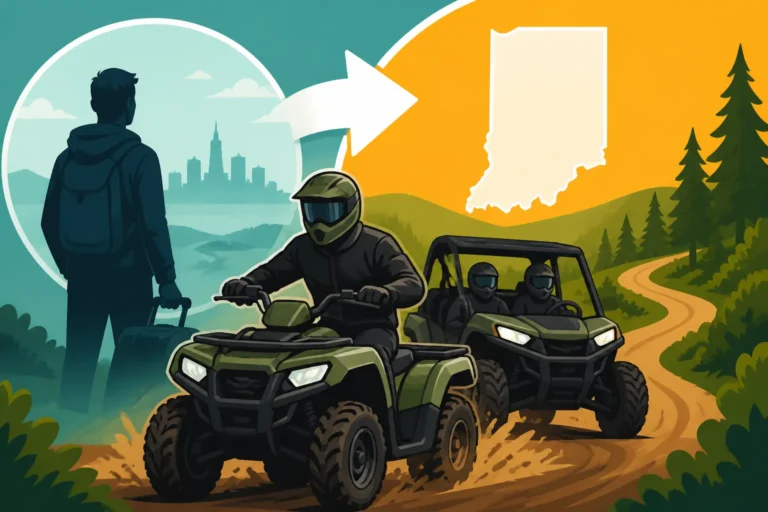
Indiana welcomes riders from all over, but if you're bringing an ORV into the state, either because you've moved here or you purchased it elsewhere, there are specific steps to follow. If you've recently moved to Indiana and your ORV is currently registered in another state, you'll need to [Registering an Out-of-State Machine in Indiana]. This usually involves providing proof of your Indiana residency, the out-of-state registration, and potentially the title from the previous state. The process is fairly standard, converting your out-of-state registration to an Indiana one.
For visitors, Indiana has a specific provision allowing out-of-state registered ORVs to operate here for a limited time. Non-residents can ride their ORVs in Indiana for up to twenty days in a calendar year if their machine is currently registered in their home state and displays a valid decal. This is a great grace period for weekend trips or extended vacations, but if you plan on staying longer or becoming a resident, you'll need to get that Indiana registration.
Renewing or Replacing Your Indiana ORV Registration
Once you've successfully navigated the initial registration, keeping it current is much simpler. Indiana ORV registrations are valid for three years, so you won't be renewing them annually like some other vehicle registrations. When it's time to renew, you'll typically receive a renewal notice in the mail from the BMV. This notice will guide you through the process, which can often be completed online or by mail, making it very convenient. Don't let your registration lapse, as riding with an expired decal can result in fines and other penalties. Riding [Riding Redbird on an Expired Decal] isn't a smart move.
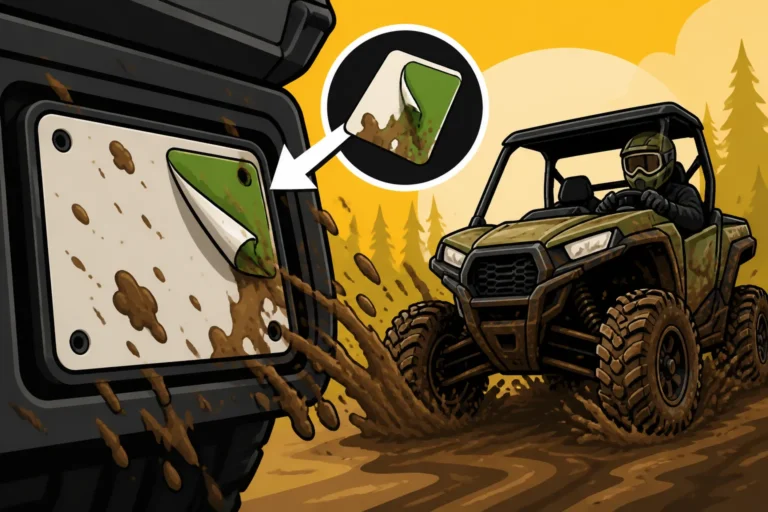
What if you lose your decal or it gets damaged beyond recognition from all the fun you're having? It happens! Mud, brush, and general wear and tear can take their toll. If your decal is lost, stolen, or damaged, you'll need to apply for a [Replacing a Lost Indiana ORV Decal]. This involves filling out a form and paying a small fee for the replacement. It's always a good idea to ensure your decal is clearly visible and legible. If a conservation officer stops you, they'll want to see that valid decal.
Beyond Registration: What Else You Need to Know
Getting your registration squared away is a huge step, but a few other essential pieces of information can help you be a more informed and responsible ORV owner and rider in Indiana.
Understanding Indiana's ORV Decal Placement and Purpose
Your Indiana ORV registration decal isn't just a sticker; it's your proof of compliance. It must be prominently displayed on the "forward half" of your ORV. This typically means on the left side of the machine, on the front fork for a dirt bike, or on the front frame section for an ATV or side-by-side. The goal is for it to be easily visible and legible. [Where the Indiana Decal Mounts] is specific because it ensures consistency for law enforcement and park rangers.
The decal itself contains important information, including your registration number and expiration date. It's a quick visual check that helps officers determine if your machine is legally registered for public trail use. Make sure it's applied securely and isn't obscured by mud, accessories, or other modifications. If your decal ever becomes faded or damaged to the point where it's unreadable, it's time to request a replacement.
Penalties for Unregistered ORVs in Indiana
It might seem like a hassle, but ignoring the registration requirements can lead to much bigger headaches than a trip to the BMV. Operating an unregistered ORV on public lands or designated trails in Indiana is against the law and can result in significant penalties. You could face fines, and in some cases, your ORV might even be impounded. [Indiana Fines for an Unregistered ORV] can quickly add up, easily exceeding the cost of registration itself.
Beyond the immediate legal consequences, riding unregistered means you're not contributing to the upkeep of the trails you're enjoying. It also makes it harder to identify owners in case of an accident or if the machine is stolen. Being a responsible ORV owner means understanding and adhering to all the regulations, not just the ones that seem convenient. A quick registration now can save you a lot of trouble and expense down the road.
Essential Considerations for Buying or Selling a Used ORV
The process of registering an ORV is closely tied to how you buy or sell one. When [Buying a Used ORV in Indiana], always prioritize clear and complete paperwork. Insist on a proper bill of sale, and if the machine is post-2009, make sure the seller provides a properly assigned title. This protects you as the buyer and ensures you can easily register the machine in your name. You'll want to [Checking a VIN Before an Indiana Purchase] to ensure it hasn't been reported stolen.
Conversely, when [Selling an ORV in Indiana], it's your responsibility to provide the buyer with all the necessary documentation, whether it's an MCO, a clear title, or a well-drafted bill of sale. For this, resources like LawDepot can be invaluable, offering professionally designed bill of sale templates that ensure all legal requirements are met. This protects both you and the buyer and facilitates a smooth transfer of ownership and subsequent registration. A clean transaction makes everyone's life easier and keeps the ORV community running smoothly.
Disclaimer
This article is for general informational purposes only and does not constitute professional advice. Laws, prices and regulations vary by location and change over time. Consult a qualified professional for guidance on your specific situation.