Haspin’s Liability Waiver Card
A trip to Haspin Acres can involve more than unloading your ATV or UTV: riders may need to handle a liability waiver before they head onto the property. Knowing what the waiver card is for, who needs to complete the paperwork, and what it does not cover can prevent confusion at the gate and help your group arrive prepared.
What Haspin’s liability waiver card is for
The waiver is part of checking in
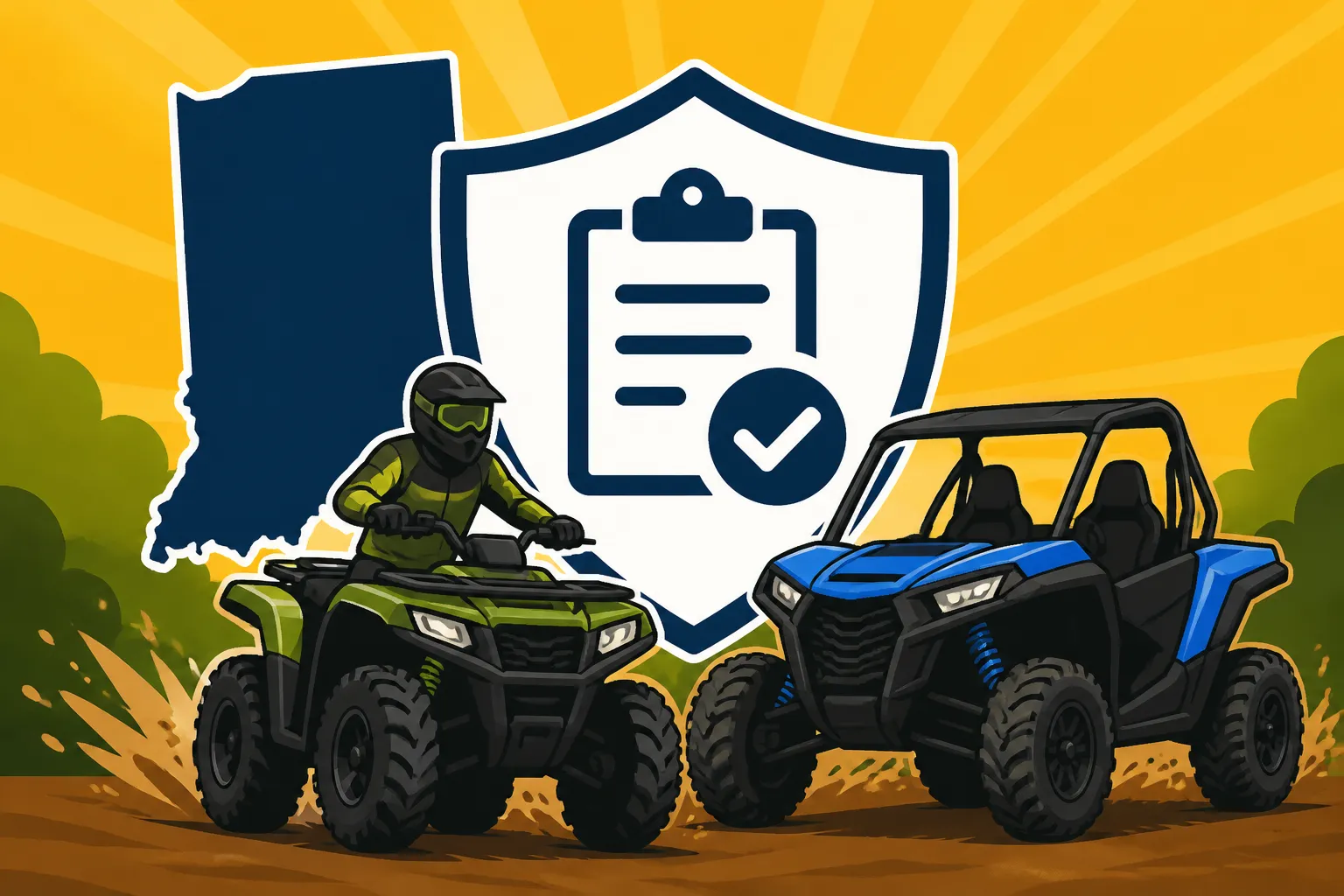
Haspin Acres, near Laurel in southeastern Indiana, is a private off-road park. A liability waiver is a document that asks riders to acknowledge certain risks involved in recreational riding. The park may issue a card after the waiver process as a way to identify or confirm that a rider has completed the required check-in step.
That card is not the same thing as a driver’s license, proof of ownership, insurance card, state registration, or trail permit. It serves a park-specific purpose. If you are visiting with a group, ask at check-in whether each person needs a separate waiver and card, and where the card should be kept or shown during the visit.
It is sensible to treat the waiver as one item in a larger check-in process rather than as permission to ride anywhere or in any way. Park admission, machine requirements, riding boundaries, and safety rules still matter. For broader context about planning a visit, see [Riding Haspin Acres at Laurel].
What signing a waiver does and does not mean
A waiver commonly asks a participant to recognize that off-road riding carries risks, including falls, collisions, changing terrain, mechanical problems, and contact with other riders. Signing does not make those hazards disappear. It also does not guarantee that the park or another party can never be held responsible for anything that happens. The legal effect of a waiver depends on its wording and the circumstances.
Before signing, read the document rather than treating it as a routine form. If something is unclear, ask the staff member responsible for check-in to explain the park’s process. Do not sign on behalf of someone else unless the form specifically allows it and you have authority to do so. Keep a copy or take a photograph of paperwork if the park permits it, especially when coordinating a larger group.
A waiver card should not be mistaken for an insurance policy. If your main concern is medical bills, damage to your machine, or liability to another person, review your own coverage separately. The park’s form and your insurance policy answer different questions.
Why a card can matter after check-in
A card gives riders and staff a simple way to identify that a required step has been completed. That can be useful when several people arrive together, when riders are moving between staging and trail areas, or when a participant needs to confirm their check-in status. Follow the instructions you receive about carrying or displaying it.
If the card is misplaced, do not assume that a phone photo or another rider’s card will be accepted instead. Return to the office or check-in point and ask how to replace or verify it. Policies can vary, and staff can tell you what is acceptable for that visit.
Keep the card somewhere accessible but protected from mud and water. A small dry pouch, wallet, or sealed compartment is more reliable than leaving it loose on a rack. For other paperwork that can get damaged on a riding day, [Keeping Paperwork in a Dry Box] offers a practical approach.
Getting ready before you reach the gate
Check the park’s current instructions
Before leaving home, check Haspin Acres’ own visitor information for its current waiver, check-in, admission, age, and machine rules. Procedures can change, and a detail remembered from a previous visit may not apply to a new trip. If the information is unclear, contact the park directly rather than relying on a secondhand post.
This is especially helpful if you are arriving near closing time, bringing a large group, visiting with a young rider, or planning to camp. Make sure you understand when the office is open and whether everyone needs to check in together. A group that splits up at arrival can create unnecessary delays if one rider has not completed the required form.
Bring identification if the park’s instructions say it is needed, and have a plan for keeping completed paperwork together. If the park uses electronic forms, make sure the person completing them has a charged phone and reliable access to the required information. Do not count on having a strong mobile signal in every part of an off-road property.
Make a rider-by-rider checklist
A quick checklist can prevent one person’s missing form from holding up the whole group. Before the trip, name one person to confirm that everyone knows where to check in and what information to bring. Then ask each adult and guardian to verify the requirements that apply to their own riders.
| Before you leave | What to confirm |
|---|---|
| Waiver process | Whether each rider completes a separate form and how the card is issued |
| Minors | Which parent or legal guardian must complete or sign paperwork |
| Check-in | Where the group checks in and when staff are available |
| Machine rules | Whether each ATV or UTV meets the park’s requirements |
| Safety equipment | Helmet, seat belt, and other equipment expectations for your vehicle and riders |
| Park access | Admission, riding areas, and any limits for the day |
| Documents | Identification, registration, insurance information, or other items the park requests |
This list is a planning aid, not a substitute for the park’s posted requirements. If a child is coming with an aunt, family friend, or another adult, resolve the guardian and paperwork question before the group reaches the entrance. A casual assumption that “the adult who brought them can sign” can turn into a frustrating check-in delay.
It is also worth checking your Indiana paperwork separately from Haspin’s waiver. For instance, the state’s registration and the park’s check-in requirements are different matters. [Indiana's Private Off-Road Parks] explains the broader setting, while [Indiana's Daily and Annual Trail Permits] covers state recreation-area permits that should not be confused with access procedures at a private park.
Prepare your navigation and backup plan
Know the route to the entrance, where your group will meet, and what you will do if someone arrives late. Save the address and any park instructions before leaving. A navigation app can help with the drive, but it cannot replace staff directions, signs, or the park’s designated routes once you are on the property.
Some riders use onX Offroad to organize trip planning, save route information, or keep a group oriented. It can be useful as a planning aid, but do not assume that a digital map shows every current closure, access restriction, or park-specific rule. Check Haspin’s own information and follow posted signs and staff directions.
Make a simple backup plan for poor reception or a drained phone: agree on a meeting point, keep essential contact details available offline, and tell the group what to do if someone gets separated. That small bit of preparation is especially useful when different vehicles arrive in separate loads.
Completing the waiver as a group
Adults should handle their own forms
Each adult rider should read and complete their own paperwork as the park directs. Avoid filling in information for another adult or signing a form without that person’s permission. If a rider has a question about a clause, pause and ask park staff rather than guessing what it means.
For a group leader, it may help to send everyone the park’s check-in instructions before the trip. Ask riders to arrive with enough time to complete the process, instead of assuming the paperwork will take only a moment. A group can lose valuable riding time when several people are trying to read forms for the first time at the counter.
It is also practical to separate check-in from unloading. If one person is handling paperwork, another can keep the trailer secure and help manage the vehicles in the staging area, provided the park allows it. Avoid leaving a machine unattended in a place that blocks traffic or access.
Minors need extra care
When a rider is under 18, the park may have particular requirements about who must sign or provide consent. Confirm those requirements directly with Haspin before the visit. Do not rely on a child’s age, a family relationship, or a prior visit as proof that the same process will apply.
If a parent or legal guardian will not attend, ask the park in advance whether the accompanying adult can bring any required authorization or paperwork. The answer may depend on the park’s policy and the form’s wording. Taking care of this before travel is much easier than trying to resolve it at the entrance.
Beyond paperwork, match the riding plan to the young person’s experience, size, and machine. Keep supervision clear, choose appropriate terrain, and make sure the rider understands where the group will stop or regroup. For more on preparing a family visit, see [Riding With Children at an Indiana Park] and [Indiana Helmet Rules at a State ORV Area].
Keep the card and key details accessible
After check-in, ask where the waiver card should be kept and whether staff may ask to see it. Keep it with the rider or in a secure place the rider can reach, rather than leaving it in a truck that may be parked far from the riding area. If the park issues multiple cards, make sure they are distributed to the correct people.
A phone photo can serve as a personal backup, but it may not count as an official replacement. Ask before relying on it. If a card is damaged or lost, return to the appropriate staff member and follow the replacement process rather than borrowing another rider’s card or trying to explain the situation at a trail junction.
Store personal information carefully. Waivers may contain details you do not want casually visible, so avoid leaving completed forms in an open trailer or on a picnic table. If you are carrying paperwork on the machine, use a sealed storage compartment or dry pouch.
The waiver is not a substitute for riding safely
A signed form does not make unsafe riding acceptable
The waiver process is administrative; safe behavior is an ongoing responsibility. Ride within your skill level, leave space between machines, slow down when visibility is limited, and be alert when approaching corners, hills, or shared areas. A rider who has signed every form can still cause an avoidable crash by riding too fast or ignoring a posted warning.
Conditions can change during the day. A dry route in the morning may become slick after rain, while dust can reduce visibility when traffic picks up. If the trail surface looks beyond your comfort level, choose another route or turn around. A group should agree that any rider can call for a stop without being mocked or pressured to continue.
Keep a reasonable distance from other riders and give people room to recover if they stall or need to turn around. Avoid following closely behind a machine on a steep or uneven section. The space between vehicles is not wasted time; it gives everyone more room to react.
Follow the park’s boundaries and posted rules
A waiver card does not authorize riding on closed trails, entering restricted areas, or ignoring park instructions. Stay on routes that are open to your type of machine, and check signs at intersections and staging areas. If you are unsure whether a route is appropriate for an ATV, UTV, or dirt bike, ask staff before entering it.
Use a park map and confirm that it is current. onX Offroad can help a rider think through route planning, but a phone map should remain secondary to the park’s current trail information and signs. A marked line on a screen does not necessarily mean a trail is open, suitable for your machine, or permitted for your group.
If you are riding with people who have different levels of experience, pick a plan everyone can follow. Agree on regrouping spots and a simple response if someone takes the wrong turn. Do not let the fastest rider set the pace for a group that includes beginners or children.
Make safety equipment part of the check-in routine
Before starting the engine, check that riders have the equipment appropriate to their vehicle and the park’s rules. For a UTV, confirm that occupants are seated properly and use the vehicle’s restraint system as intended. For an ATV, wear suitable protective gear and avoid carrying passengers unless the machine is designed and approved for them.
Do a quick machine inspection too. Look for loose tie-downs, visible leaks, damaged tires, and anything that could affect steering or braking. A short inspection at the staging area is easier than discovering a problem on the trail. If a machine feels wrong, do not assume the issue will resolve itself once it warms up.
Carry water, basic first-aid supplies, and a way to contact your group. Have a plan for what to do if a rider is hurt or a machine breaks down. Keep the park’s contact and emergency instructions available, and use them rather than relying on memory in a stressful moment.
Common questions about the Haspin waiver card
Does every rider need a card
Ask Haspin directly whether every rider needs an individual waiver and card, and whether non-riding visitors follow a different process. Requirements can depend on the person’s role, age, and the park’s current procedures. The safest approach is to have each participant understand the check-in steps before arrival.
A passenger should not assume that the driver’s paperwork covers them. Likewise, a person who plans to ride only briefly should not assume they are exempt. When in doubt, ask the park rather than making a decision at the staging area.
If you are coordinating multiple machines and riders, keep a simple list of who has checked in. That helps avoid sending someone onto the property while another person is still handling required paperwork.
Is the waiver card proof of insurance or state registration
No. Treat it as a park check-in item unless Haspin’s staff tells you otherwise. It should not be presented as proof that your machine is insured, registered, or otherwise compliant with Indiana requirements.
If you are unsure what documents you need for the trip, separate the questions: ask the park what it requires for access, and check the relevant state rules for registration or permits. [Indiana Rules for Riding a Private Park] and [Indiana ORV Registration and Insurance Proof] address distinct parts of that planning process.
Keep any documents the park requests accessible, but do not hand over sensitive information unless the request and process are clear. If you are uncertain why something is needed, ask the staff member to explain.
What if you forget the card or arrive without completing a waiver
Stop at the check-in point and explain the situation. Staff can tell you whether you need to complete a form, verify your status, or replace a card. Do not ride while assuming that a previous visit or another person’s card covers you.
Arriving early gives you time to sort out a missing form without rushing your group. If someone in your party is late, ask whether they must check in before joining the ride. Do not send them onto a trail to find the group before completing whatever steps the park requires.
If the process takes longer than expected, treat the delay as a reason to adjust the day’s plan, not to skip the process. A few minutes at the office is far less disruptive than a preventable dispute or a rider being sent back from the trail.
How should I plan for future visits
Save the park’s official contact information and review its instructions before each trip. Keep a note of what your group needed last time, but confirm that the process has not changed. Pack a small document pouch, charge phones, and agree on a meeting point before leaving.
onX Offroad may help organize route ideas and offline navigation, while Haspin’s own guidance remains the authority for check-in, access, and trail status. Keep that distinction clear: a navigation app helps with planning, but it does not issue a waiver card or grant permission to ride.
When your group arrives prepared, the waiver becomes a straightforward part of the visit rather than a last-minute obstacle. Read the form, complete the park’s process, keep the card as instructed, and then focus on riding responsibly within the park’s rules.
Disclaimer
This article is for general informational purposes only and does not constitute professional advice. Laws, prices and regulations vary by location and change over time. Consult a qualified professional for guidance on your specific situation.