Where to Rent a Machine Near an Indiana Park
Renting an ATV or UTV near an Indiana off-road park can save you from buying a machine, hauling a trailer, and worrying about storage. The frustrating part is that “near the park” does not always mean “available at the gate,” and a rental may not include trail access or required permits. This guide explains how to find the right rental and confirm the details before you travel.
Start With the Park, Not the Rental Listing
Identify the riding area and its rules
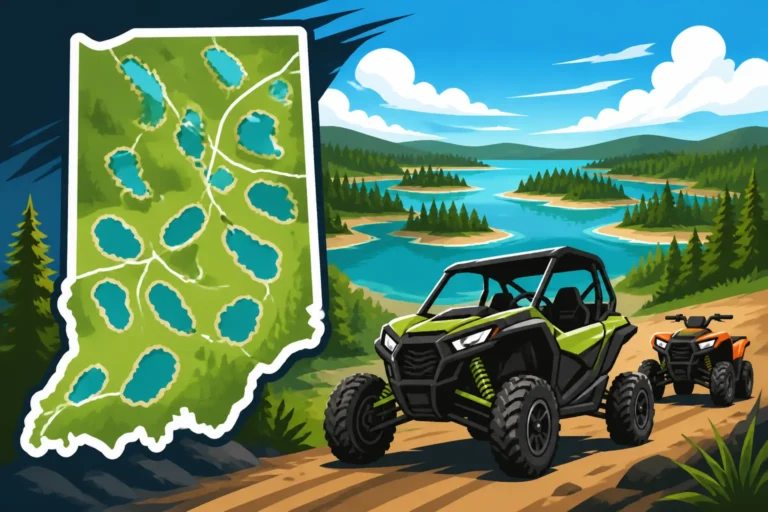
Indiana’s riding areas are spread across the state, and each visit can involve different access rules, fees, and riding conditions. Redbird Off-Road State Recreation Area is near Dugger in Sullivan County. Interlake is near Lynnville, spanning areas of Pike and Warrick counties. Badlands Off Road Park is near Attica, while Haspin Acres is near Laurel. Lawrence County Recreational Park is another option in southern Indiana.
First, choose the park you actually want to ride. A rental business that serves one part of the state may be inconvenient or unsuitable for another park, even if its website says it serves “Indiana.” Search by park name and the nearest town, then ask the rental provider to confirm that the machine may be used at your chosen location. Don’t assume that a machine offered for trail riding is allowed at every park.
Public recreation areas and private off-road parks may have different rules. A provider may be willing to rent you a machine without arranging access to the riding area. Review [Where to Ride an ORV in Indiana] and [Indiana's Private Off-Road Parks] as you compare destinations, then check the park’s own current instructions before booking.
Check whether the park and rental provider work together
Some visitors picture a simple arrangement: arrive at a park, rent a machine at the entrance, and ride. In practice, a rental may be based in a nearby town, delivered by arrangement, or available only through a provider that operates separately from the park. Confirm the rental location, pickup procedure, and drop-off time before building your trip around a listing.
Ask the park whether outside rental machines are allowed and whether the rental operator needs to meet you at a designated staging area. Ask the rental provider where the handoff takes place and whether the machine arrives fueled, clean, and ready for the park. A vague answer such as “we’re close by” is not enough if you are traveling with children or trying to coordinate several vehicles.
If the park requires its own permit or entrance payment, clarify whether you need to handle that separately. A rental agreement may cover the machine while leaving park access, permits, and other rider requirements to you. The distinction matters at state recreation areas, where visitors should review [Indiana's Daily and Annual Trail Permits] and [Why an Entrance Fee Sits on Top in Indiana] before assuming the rental price is the whole trip cost.
Find a Rental That Fits Your Ride
Choose an ATV or UTV for the people coming along
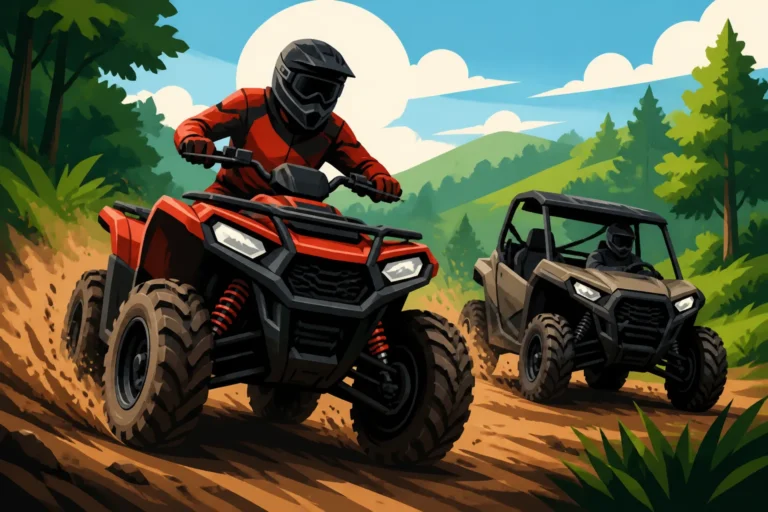
An ATV is generally a one-rider machine, although some models are designed to carry a passenger. A UTV, often called a side-by-side, has seating beside the driver and may suit a family or group that wants to ride together. The label alone does not tell you whether a specific machine is appropriate for your party, so ask about the exact make, model, seat count, and passenger requirements.
Think through the ride you want. If you are traveling with a child, ask whether the child may ride as a passenger in that model and whether the park has rules that apply to young riders. If you plan to bring a group, find out whether the provider can supply matching machines, whether all machines must be picked up together, and whether the group will be allowed to ride at the same location.
Do not book based only on a photo or a broad category such as “family UTV.” Ask for a seating layout and the manufacturer’s occupant limit. Then review [Indiana Rules for Carrying a Passenger] and, for a side-by-side, [Seat Belts for Indiana Side-by-Side Occupants]. A rental provider can explain its own age and passenger policies, but you should also verify the relevant park rules.
Match the machine to the trails and your experience
A powerful machine is not automatically the best choice for a first visit. Trail width, hills, mud, turns, and the comfort level of the least experienced rider all matter. A wide UTV may feel reassuring on an open route but be awkward on narrower trails. A smaller ATV may be easier to maneuver but demand more from a rider who has little experience.
Describe your experience honestly when you call. If you have only ridden on a farm or a quiet gravel lane, say so. Ask whether the park offers trails suited to beginners and whether the provider can recommend a machine that is manageable for your group. For a first-time visit, a vehicle that is easier to control can make the day more enjoyable than choosing the largest or most powerful option available.
Trail conditions can change how a machine feels. Reclaimed mine terrain, clay, steep sections, and wet ground can make a route more challenging than it looks on a map. Use [Indiana Trails for Beginners] to think about the kind of ride you want, and check the park’s notices for closures or conditions. onX Offroad can help you explore trail information and plan around your destination, but treat the park’s posted maps, signs, and rules as the authority on where you may ride.
Ask the Questions That Prevent Rental-Day Surprises
Confirm what the rental actually includes
“Rental included” can describe very different arrangements. One provider may supply only the vehicle and basic operating instructions. Another may include a helmet, delivery, or a guided orientation. A booking page may mention a permit without making clear whether it is included for each rider or each machine. Get the inclusions in writing rather than relying on a quick conversation.
Use a checklist when you contact the provider:
- Which specific machine is reserved, and how many people may ride in it?
- Where and when do pickup and return take place?
- Is delivery to the park available, or must you transport the machine?
- Are helmets or other protective equipment supplied?
- Are fuel, cleaning, and damage charges handled separately?
- Does the rental include park access, a trail permit, or neither?
- What identification, age, or driving requirements apply?
- What happens if weather or a trail closure disrupts the planned ride?
The answers help you compare rental options on equal terms. A lower advertised rental price may not be the better value if you also need to arrange transport, equipment, and access separately. Conversely, an all-in package may still have exclusions, so ask precisely what “included” means for each person and each machine.
Understand damage, deposits, and cancellation terms
Off-road riding can involve mud, rocks, branches, and uneven ground. Before you sign, ask how the provider handles damage and what the rental agreement considers normal wear. Clarify whether there is a deposit, how damage is assessed, who may operate the machine, and whether you are responsible if someone outside your group drives it. Policies differ, so read the contract rather than assuming every rental works the same way.
Ask what happens if the machine develops a problem on the trail. Find out whom to call, whether the provider offers roadside or trail-side help, and what you should do if a machine cannot be moved safely. This is especially important if you are unfamiliar with the area or expect limited mobile reception. Share the emergency contact information with every rider before leaving the staging area.
Cancellation policies deserve the same attention. Rain may make some trails unpleasant or lead to closures, but a forecast by itself may not trigger a refund. Ask whether the provider or park makes the final decision when conditions change, and whether you can reschedule. Check [Indiana Trails Closed After Rain] and [Indiana Trail Conditions Before You Ride] when planning, then call the provider and park if weather is likely to affect your trip.
Plan the Park Access and Equipment Separately
Don’t assume a rental comes with a trail permit
A rental reservation and permission to ride are separate things unless the provider clearly says otherwise. Public land may require a trail permit, and a park may charge an entrance fee separately. Private parks can set their own admission and machine requirements. Even when a rental provider regularly serves a park, confirm whether your booking covers access for the particular machine and the day you plan to ride.
Ask the rental company and the park directly. The provider can explain what it supplies, while the park can tell you what is required at its gate. If you are going to Redbird or Interlake, review [Indiana Permit for a Second Machine] if your group has more than one vehicle, and check [Where to Buy an Indiana ORV Permit] for permit information. Requirements can depend on where you ride and how the machine is registered, so do not use another rider’s permit as a substitute for checking your own situation.
Keep proof of your reservation and any permit or admission purchase somewhere accessible. If you have a group, tell everyone who is responsible for presenting the documents at the entrance. A little coordination helps avoid a queue-side scramble while one person searches their email and another tries to reach the rental operator.
Confirm helmets, clothing, and basic supplies
Ask whether helmets are included, what condition they are in, and whether you may bring your own properly fitted helmet. If the rental includes protective gear, confirm the available sizes before you arrive, particularly for children. A helmet that is too loose or uncomfortable can turn a long-awaited ride into an unpleasant one, so do not leave fit questions until you are standing at the pickup point.
Wear clothing that suits the weather and the terrain. Long sleeves, sturdy footwear, gloves, and eye protection can make a muddy or dusty day more comfortable. Pack water, snacks, and a change of clothes if the park’s facilities and your schedule allow. For a family outing, bring a small bag for dry layers and a separate container for muddy gear so the return drive is easier.
Use [Indiana Helmet Rules at Redbird and Interlake] to check the relevant park expectations, and confirm whether a specific age or vehicle type changes what riders must wear. If the machine is a UTV, ask whether seat belts are present and required for every passenger. Do not treat enclosed sides or a roof as a reason to skip the safety equipment the park or rental agreement requires.
| Rental detail | What to confirm | Why it matters |
|---|---|---|
| Machine type | ATV or UTV, exact model, seating, and occupant limit | Ensures the vehicle suits your group |
| Park permission | The specific park where the rental may be used | Not every rental is allowed at every riding area |
| Pickup and return | Location, timing, transport, and late-return procedure | Prevents missed handoffs and logistical surprises |
| Access costs | Whether permits and park admission are included | A rental agreement may cover the machine only |
| Equipment | Helmet availability, sizes, and required gear | Helps every rider arrive prepared |
| Responsibility | Deposits, damage terms, approved drivers, and breakdown support | Makes expectations clear before you sign |
| Weather policy | Closure, cancellation, and rescheduling terms | Protects your plans when conditions change |
Make the Trip Work on the Ground
Use maps for planning, but follow park directions
Before leaving home, confirm the address for the park entrance and the rental pickup point. A nearby town name may be useful for searching, but it is not a substitute for directions to the actual gate or staging area. Rural roads, multiple entrances, and limited cell service can make a last-minute route change stressful, especially if a trailer or rental delivery is involved.
onX Offroad can be useful for previewing riding areas and organizing a route, particularly when you want to understand how a destination fits into a longer trip. Download or save the information you will need before leaving reliable service. Then compare what you see in the app with the park’s official map and posted trail markers. A digital map does not grant access to a closed trail or override a park’s restrictions.
At the trailhead, pay attention to the signs and ask staff or a ranger if a route is unclear. Trail markings may change, a route may be closed, or a posted notice may address conditions that are not obvious from the parking area. Keep the group together and agree on a meeting point in case riders become separated. For a broader look at how Indiana destinations differ, see [Indiana's Two State ORV Areas Compared].
Build extra time into pickup and return
The rental handoff can take longer than expected if staff need to review controls, inspect the machine with you, fit helmets, or explain where you may ride. Arriving just before your planned ride time leaves little room for questions or a parking delay. Aim to have everyone present and ready, with identification and booking details easy to find.
Inspect the vehicle before you leave. Walk around it with the provider and note existing scratches, dents, loose parts, or other visible damage. Check the basic controls, lights, tires, and safety equipment, and ask for a demonstration if you have not used that style of machine. Taking a few clear photos with the provider’s knowledge can help document the starting condition.
At return, leave enough time to follow the cleaning and refueling instructions and complete the final inspection. Ask whether the machine should be returned in a particular condition and whether the provider wants to inspect it with you. Returning in a hurry can lead to misunderstandings about mud, damage, or missing equipment. The same careful approach at both ends makes the day feel less like a paperwork exercise and more like a ride.
Choose a Rental Plan That Fits Your Group
For a first visit, keep the itinerary simple
If you have never ridden at the park before, avoid stacking a long drive, a complicated pickup, and an ambitious trail plan into one day. Choose one park, one rental provider, and a clear meeting time. Let the least experienced rider set the pace. You can always explore more once everyone understands the controls, trail signs, and how the group handles stops.
A guided ride may be worth asking about if you are nervous about navigation or new to off-road riding. Find out whether the guide is employed by the rental provider or the park, what the route involves, and whether the ride is suitable for your group’s experience. A guide cannot make every trail appropriate for every rider, so discuss age, confidence, and passenger needs before booking.
If you are comparing destinations, consider the whole day rather than trail mileage alone. Drive time, parking, rental pickup, meals, and cleanup all affect how relaxed the trip feels. [Indiana ORV Areas Near Indianapolis] and [Indiana ORV Areas Near Evansville] may help you narrow the search by region, but confirm the exact access and rental arrangements for the park you choose.
For families and groups, assign one person to confirm details
Group outings often become complicated because one person books the machine, another assumes the permit is included, and someone else brings a child without checking passenger rules. Choose one organizer to keep the rental agreement, park details, permits, and emergency contacts together. Send the rest of the group a short checklist with arrival time, meeting place, clothing, and any documents they need.
For a group with mixed experience, ask whether the provider can explain the controls to each operator and whether all riders must attend the safety briefing. Make sure every person who may drive is listed or approved under the rental terms. If only one person is authorized, do not casually swap drivers on the trail.
Before you leave, confirm the plan one more time with both the rental provider and the park. Check for trail notices, verify the pickup location, and make sure everyone knows where to meet if the group is separated. onX Offroad may help the group discuss a route in advance, but use the park’s directions and signs to make the final decisions about where to ride.
Disclaimer
This article is for general informational purposes only and does not constitute professional advice. Laws, prices and regulations vary by location and change over time. Consult a qualified professional for guidance on your specific situation.