Haspin Acres in Southern Indiana
A first trip to Haspin Acres can be more complicated than “load the machines and go”: trail conditions change, terrain varies, and park rules may differ from what you’re used to at home. This guide explains what to expect at the Southern Indiana riding area, how to plan your day, and what to check before unloading so your group can ride with fewer surprises.
What to Expect at Haspin Acres
A private riding park near Laurel
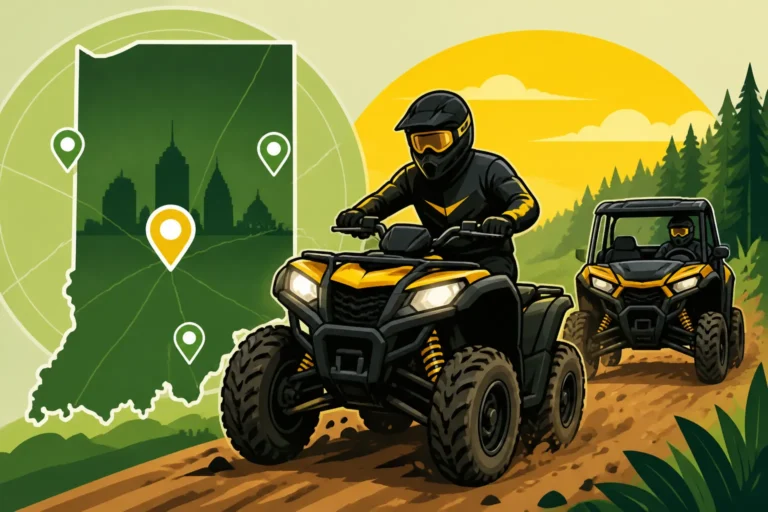
Haspin Acres is a privately operated off-road park near Laurel in southeastern Indiana. It’s a destination for riders who want to spend time on off-road terrain rather than simply travel between trailheads. Depending on the type of machine and the park’s current layout, visitors may find wooded routes, open areas, mud, hills, and other features associated with a mixed-terrain riding park.
That variety is part of the appeal, but it also means the experience can feel different from a single-purpose trail system. A route that looks straightforward on a map may include ruts, steep sections, slick ground, or obstacles that call for more attention than a smooth, maintained path. If your group includes new riders, consider agreeing in advance that anyone can turn around or skip a feature without pressure.
Haspin Acres is often discussed as a place for ATVs, dirt bikes, and larger off-road vehicles, but don’t assume every machine can use every area. Before you travel, confirm the park’s current vehicle rules, trail access, riding boundaries, and any requirements that apply to your particular machine. For a broader look at how private riding destinations fit into Indiana’s options, see [Indiana's Private Off-Road Parks].
Why the park suits some riders better than others
A mixed-terrain park can be a good match for riders who enjoy choosing their own pace and adapting to changing ground. A confident group might spend the day exploring different routes, while a beginner group may prefer to stay on terrain that feels manageable and build confidence gradually. The key is not to treat every visible hill, rut, or mud hole as a challenge the whole group must attempt.
It may be less comfortable for someone expecting a smooth, clearly graded trail throughout the ride. If you’re taking a young rider, a new driver, or a passenger who is uneasy around mud and steep ground, make a plan that puts comfort and control ahead of covering distance. A shorter, relaxed ride can be a much better first visit than trying to keep up with experienced friends.
It also helps to have realistic expectations about the effect of weather. A route that feels firm after a dry stretch may become slippery or deeply rutted after rain. Before setting out, check park notices and ask about conditions that could affect your machine, preferred riding area, or the experience of less-confident members of your group.
Planning Your Visit
Check park information before loading
Park details such as hours, admission arrangements, riding rules, available areas, and event schedules can change. Check Haspin Acres’ own information before leaving home, and contact the park if an important detail is unclear. This is especially useful when you’re hauling a particular type of vehicle, planning an overnight visit, or bringing a group with different riding needs.
Confirm the basics as a group: which machines are allowed, what equipment or paperwork is required, where riders may travel, and whether any areas are closed. If you’re counting on a specific feature or activity, ask whether it is available rather than assuming it will be open. A little checking at home can prevent the frustration of arriving with the wrong machine, missing a requirement, or finding that conditions don’t suit your plan.
Make sure each adult in your group understands the park’s waiver and check-in process. Haspin’s paperwork and entry procedures are worth reviewing in advance, especially if several people are arriving separately or a parent is bringing a minor. You can read more about [Haspin's Liability Waiver Card] and [Buying the $5 Waiver Card at Haspin], then verify current instructions directly with the park before your trip.
Match your plan to the riders and machines
A useful plan starts with the least experienced rider, not the most experienced one. Ask what each person is comfortable with: riding in mud, climbing hills, following a group through wooded terrain, or managing a machine for several hours. If a rider is anxious about a particular feature, build in an alternative route or a place to wait safely rather than turning the decision into a group debate on the trail.
Think about machine size and capability as well. A compact ATV, a dirt bike, and a side-by-side may handle the same patch of ground differently, and a route that works for one machine may not suit another. Keep the group together at a pace that allows everyone to stop, communicate, and respond to changing conditions. If your plan includes different vehicle types, confirm that they can use the same areas and routes.
Navigation can be useful when your group spreads out or when the trail network feels unfamiliar. Some riders use onX Offroad to help review routes and keep track of where they intend to travel. Treat any app map as a planning aid—not permission to enter a closed area, cross a boundary, or leave a marked route. Check posted information at the park and follow staff instructions first.
| Planning question | Why it matters | Practical step |
|---|---|---|
| Which machines are allowed? | Vehicle rules and access can vary by park area | Confirm current rules for each machine before hauling |
| Are the riders at similar experience levels? | A mixed group can be pressured into terrain that does not suit everyone | Agree on an easy pace and a no-pressure option to turn back |
| What will conditions be like? | Rain and changing ground can affect traction and trail difficulty | Check park notices and ask about the areas you plan to ride |
| How will the group stay together? | Riders can lose contact in wooded or unfamiliar areas | Set regroup points and choose a clear lead and sweep rider |
| What paperwork or equipment is required? | Missing a requirement can disrupt check-in or riding plans | Review the park’s current instructions before departure |
For first-time visitors, a focused plan is usually easier than trying to see everything. Decide when you’ll arrive, where you’ll meet, how often you’ll regroup, and what conditions would make you change plans. A navigation app such as onX Offroad may help you review your intended route before leaving the staging area, but don’t let a phone screen distract from watching the trail.
Riding Safely and Respectfully
Choose terrain with care
At Haspin Acres, terrain can demand more from a rider than a casual ride on a level track. Mud reduces traction, ruts can pull a machine off line, and a hill may be harder to descend than it looked from below. Approach unfamiliar ground slowly, look for signs of damage or standing water, and leave room to stop. If you can’t clearly judge a feature, it’s sensible to walk the approach where safe or choose another route.
Don’t follow another rider onto a feature just because they made it through. Machines differ in clearance, tires, weight, and power, and the rider ahead may have experience you don’t. A passenger or child may also have a different tolerance for bumps and steep ground. Before attempting something, consider whether you have a safe way out and whether the whole group can handle the same section.
Give yourself permission to turn around. That can feel awkward when friends are waiting, but it’s better than getting stuck, damaging a machine, or creating a recovery situation that puts someone at risk. If a route feels beyond your comfort level, choose another path and meet the group at an agreed location. For more on trail etiquette and shared riding spaces, see [Indiana Trail Etiquette on Shared Ground].
Ride with a group plan
Before leaving the staging area, choose a lead rider and a sweep rider, then agree on how you’ll handle turns, stops, and mechanical problems. The lead should avoid leaving the group behind, and the sweep should know who is riding at the back. Regroup at planned points, especially after junctions or when visibility is limited. Don’t assume everyone has turned the same way just because the first few machines did.
Carry basic supplies suited to your machine and the length of your visit. Water, a charged phone, appropriate protective gear, and tools for simple problems can make a long day more manageable. If your group uses a phone for navigation, save useful information before entering an area with limited reception. onX Offroad can be one way to organize route planning, but keep a paper or verbal backup plan so the group isn’t dependent on one device or one rider’s battery.
Keep speeds appropriate to sightlines and surface conditions. On a narrow, wooded route, you may have little time to react to an oncoming machine, a downed branch, or a rider who has stopped. Be especially cautious around intersections and blind rises. A good group ride is not about getting to the next feature first; it’s about making sure everyone knows where to go and can ride within their ability.
Keep shared areas usable
Private parks still depend on riders respecting boundaries, signs, staff directions, and other visitors. Stay on authorized routes, avoid cutting around closures, and don’t create a new line through vegetation because a marked route looks muddy. Riding off-route can damage the ground and create hazards for someone who expects the trail to continue in a particular direction.
Give other riders room. Slow down when approaching people who are stopped, signal your intentions where practical, and avoid crowding someone who is negotiating an obstacle. If you’re riding with a faster group, wait for a safe opportunity to pass rather than forcing another rider off their line. If you’re on a machine that is quieter or slower than those around you, stay predictable and let others pass when it is safe.
Pack out what you bring in, and leave staging areas and campsites in good condition. Keep noise and vehicle use within the park’s rules, and remember that a route may be shared by people using different machines and riding at different speeds. A respectful day helps protect access and makes the park more enjoyable for the next group.
Weather, Gear, and Trail Conditions
Rain can change the whole ride
Rain affects more than whether you’ll get muddy. It can change grip, deepen existing ruts, hide holes, and make a familiar hill feel unpredictable. Reclaimed and clay-heavy ground can become especially slick when wet, while standing water can conceal obstacles. If rain has recently passed through the area, ask the park about conditions rather than assuming your last visit is a reliable guide.
Be willing to scale back. If the ground is too slick for a beginner, choose a less demanding area if one is open, or postpone the trip. A machine that starts sliding on a descent may be difficult to control, and a group that is already tired or cold may make poor decisions. For more context on how wet weather affects local riding, see [Indiana Riding After Heavy Rain].
Bring clothes and protective gear suited to the forecast, including layers that can handle a change in temperature. Muddy conditions can leave riders wet for hours, and a warm, dry layer back at the vehicle can make the ride home more comfortable. Consider a change of clothes and footwear for the trip back, particularly if you’re bringing children or planning a long day.
Pack for the machine and the day
Start with protective equipment that fits properly and meets the requirements that apply to your ride. A helmet, eye protection, gloves, and suitable footwear help address common hazards such as flying debris, branches, and impacts. Check the park’s current rules for required gear, and don’t treat protective equipment as optional just because a route appears easy.
Before setting out, give the machine a basic inspection. Check tires, brakes, lights if relevant, fuel, and visible signs of damage or leaks. Secure cargo so it cannot shift, and make sure anything attached to the vehicle won’t interfere with steering or rider movement. If you’re hauling a side-by-side or carrying passengers, review the machine’s occupant and restraint instructions.
Pack according to your group’s needs rather than copying someone else’s list. A family ride may need more water, snacks, spare layers, and a clear plan for a tired child. A longer day may call for basic repair supplies and a way to contact help. Use onX Offroad or another planning tool to note your intended area, but also tell someone at home where you’re going and when you expect to return.
Making Haspin Acres a Good First Visit
Ease into the terrain
If this is your first time at Haspin Acres, resist the urge to make the day a test of how much ground you can cover. Start with an easy warm-up, get a feel for the surface, and pay attention to how the machine responds. This gives you time to spot anything that needs attention and lets less-experienced riders settle in before they face more challenging terrain.
Keep the first route simple enough that your group can regroup without confusion. Look for clear decision points and avoid splitting up unless everyone knows the route and has a reliable way to reconnect. A rider who has just arrived may not yet recognize landmarks, especially in wooded areas where several routes can look alike.
Beginners can also benefit from a visit with a patient, experienced companion who is comfortable taking breaks and changing plans. If you’re new to off-road riding, don’t feel you need to keep pace with a group that wants to tackle difficult features. For more help setting expectations, see [Indiana Trails for Beginners]. You may also find [Haspin Acres at Laurel] useful when preparing for the park’s specific setting.
Decide whether to rent or bring your own machine
Some visitors have their own machine and trailer, while others may be looking for a rental or trying the sport before buying. If you’re considering renting, confirm directly with the park or rental provider whether a suitable machine is available, what qualifications apply, what the rental includes, and whether you need to bring any equipment. Don’t assume that a rental includes park access, protective gear, or permission to use every route.
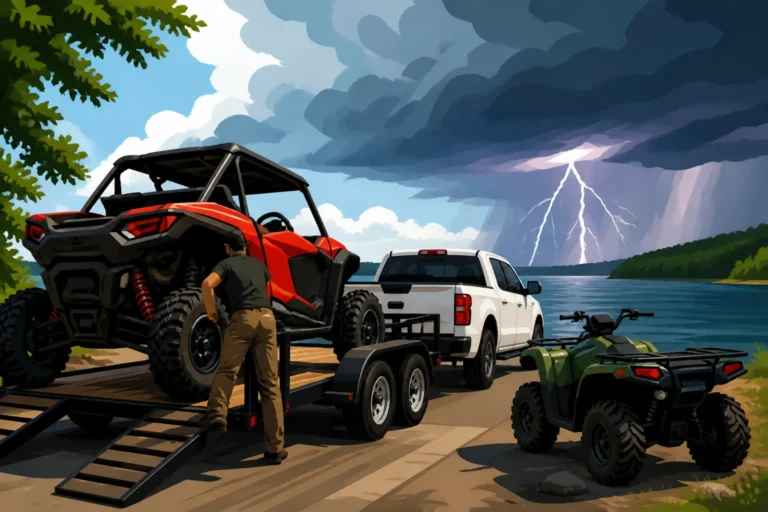
If you’re bringing your own machine, check that it is ready for the terrain you expect to encounter and that you have the right tie-downs and towing setup. Secure each machine carefully, and recheck straps after driving a short distance. At the park, unload only in the designated area and keep the staging space clear for other visitors.
If you’re new to the area and don’t own a trailer, you may want to compare rental and transport options before committing to a date. Availability and requirements can vary, so confirm details rather than relying on an old listing or an informal recommendation. [Where to Rent a Machine Near an Indiana Park] can help you think through the questions to ask before arranging a rental.
Leave room to change the plan
A successful trip doesn’t have to follow the original itinerary. If the weather shifts, a machine develops a problem, or a rider is tired, it’s reasonable to cut the ride short. Setting that expectation before you arrive removes some of the pressure to keep going simply because the group has already made the drive.
Before you leave the riding area, account for everyone and check that all machines and equipment are loaded securely. Look over your vehicle and trailer before pulling out, and make sure you haven’t left personal gear behind. If mud or debris has built up on a machine, clean it where permitted and avoid carrying loose material onto public roads or home property.
For a more informed next visit, make a few notes afterward: which terrain suited your group, what equipment you wished you had, and where the plan became difficult. The details that matter most may be simple—a rider needed more breaks, a route was too challenging after rain, or the group needed a better regrouping system. Those observations make the next trip easier to plan and more enjoyable for everyone.
Disclaimer
This article is for general informational purposes only and does not constitute professional advice. Laws, prices and regulations vary by location and change over time. Consult a qualified professional for guidance on your specific situation.