Why Darmstadt Stays Closed
It's incredibly frustrating, isn't it? You see other areas in Indiana opening up their roads to ATVs and UTVs, making it easier to connect trails or just get around, only to hit a brick wall when it comes to specific towns or communities. Darmstadt is one of those places that many riders notice remains closed, even when nearby areas might have different rules. This guide will dive deep into why Darmstadt specifically doesn't allow ORVs on its roads and what that means for you as a rider, offering a clear picture of the rules and where you can legally ride.
Understanding Indiana's Default Road Closure for ORVs
Indiana has a particular approach to off-road vehicles (ORVs) on public roads that can sometimes feel counterintuitive, especially if you've ridden in other states. It's not a blanket ban everywhere, but rather a system that requires explicit action from local authorities.
The General Rule: No ORVs on Public Roads by Default
Unlike some states where you might find a default assumption that certain rural roads are open to ORVs, Indiana operates on the opposite principle. By default, all public roads, streets, and highways in the state are closed to ORV use. This means that for you to legally ride your ATV or UTV on a road, a county, city, or town must have passed a specific ordinance to open those roads.
This can be a significant point of confusion and frustration for riders. You might assume that a small, quiet road wouldn't pose an issue, but without that explicit local ordinance, you're technically violating the law. The legislature placed the burden on local governments to decide if and where ORV use is appropriate on their public thoroughfares. This is a fundamental reason why many areas, including Darmstadt, remain closed to ORV traffic: no local action has been taken to open them. It means the absence of a rule allowing ORVs is just as impactful as a rule prohibiting them. Understanding [Why Indiana Roads Are Closed by Default] is the first step in making sense of the state's ORV road laws.
The Distinction Between Counties and Incorporated Towns
Another crucial layer to Indiana's ORV road laws is the distinction between county jurisdiction and the jurisdiction of incorporated cities or towns. While a county government, such as Vanderburgh County, can pass ordinances to open its county roads to ORVs, these ordinances generally do not apply to the roads within incorporated cities or towns that lie within that county's boundaries.
Darmstadt, while not an incorporated city in the traditional sense, functions as a distinct community within Vanderburgh County. Even if Vanderburgh County were to open all its county roads, communities like Darmstadt (or the city of Evansville, which is also in Vanderburgh County) retain their own local control over their streets. This means that even if you can ride on a county road outside Darmstadt's limits, the moment you enter what the local community defines as its municipal or community area, the rules can (and often do) change. This often leads to a patchwork of regulations that can be incredibly difficult to navigate. You might be riding legally on a county road, then suddenly find yourself on a closed street just by crossing an invisible boundary. It's a similar situation to [Riding Outside Evansville's Limits], where the city's rules override the county's for streets within its boundaries.
Vanderburgh County's ORV Ordinance and Darmstadt's Position
To fully understand why Darmstadt stays closed, we need to look at how its larger county, Vanderburgh, has approached ORV road access and where Darmstadt fits into that picture.
How Vanderburgh County Approached Road Riding
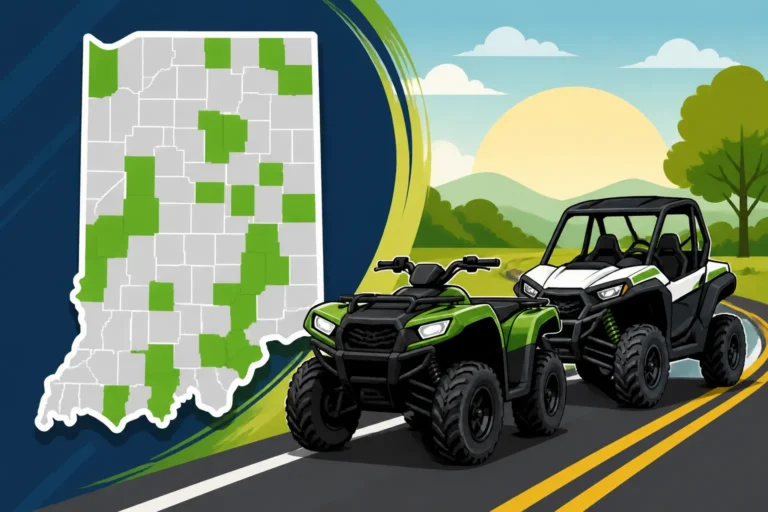
Vanderburgh County is one of the Indiana counties that has taken steps to permit ORV use on some of its roads. They've done this by enacting a specific ordinance, which is a big step forward for riders in that region. However, these ordinances are rarely a free-for-all. They typically involve specific designations, maps, and rules about which roads are open, what hours they can be used, and what safety requirements riders must meet.
For example, Vanderburgh County has a designated map (often color-coded) to show which roads are open. You'll see specific rules regarding speed limits, helmet requirements for minors, and often the need for insurance and proper lighting. While this provides some access, it's not simply an "open season" on all county roads. Other counties, like Dearborn County, have also adopted ordinances to open roads, but each county's approach is unique. Learning about [Riding Dearborn County Roads] can offer insights into the types of regulations you might encounter in an open county. Understanding [Reading Vanderburgh's Color-Coded Map] is crucial for any rider planning to use roads in that county, as it delineates precisely where you can and cannot ride.
Darmstadt's Specific Status and Why It Remains Closed
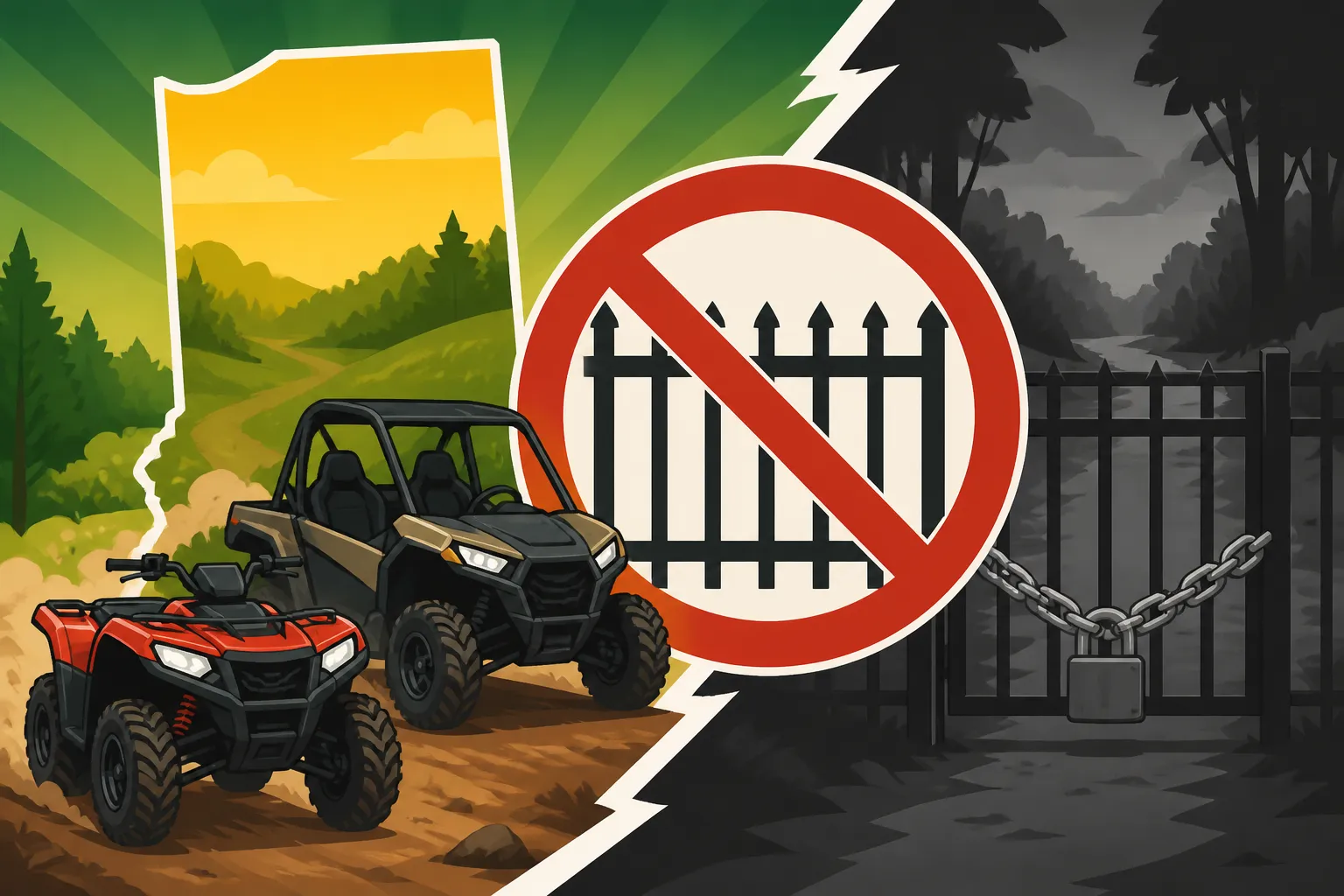
Despite Vanderburgh County's efforts to open some of its roads, Darmstadt, much like the city of Evansville within the same county, maintains its status as an area closed to ORV traffic. There are several common reasons why a community like Darmstadt would choose to keep its streets closed:
- Residential Density and Safety Concerns: Darmstadt is a more densely populated residential area compared to sprawling rural county roads. Residents often express concerns about increased traffic, potential accidents involving children or pedestrians, and the general safety of allowing ORVs on narrow residential streets.
- Noise and Nuisance: ORVs, particularly those with aftermarket exhausts, can be loud. Noise pollution is a common complaint in residential areas, and local governments are often responsive to these concerns from their constituents.
- Infrastructure Wear: While perhaps a lesser concern, some communities worry about the wear and tear on local roads, especially smaller, older streets not designed for the weight or tire types of some ORVs, particularly larger side-by-sides.
- Lack of Advocacy or Demand: It's possible that there hasn't been significant local demand from Darmstadt residents to open their streets to ORVs, or perhaps no organized group has presented a compelling case to local officials. Without a strong local push, the default closure often remains.
- Local Control and Preference: Ultimately, it boils down to local autonomy. The community of Darmstadt, through its local leadership, simply has the right to decide what traffic is permitted on its streets. If they haven't passed an ordinance to open them, they remain closed. This mirrors the situation with larger cities like Evansville, where [Why Evansville and Darmstadt Stay Closed] comes down to local preference and perceived community impact.
Navigating Restricted Areas and Finding Legal Riding Spots
So, if Darmstadt's roads are off-limits, what are your options, and how do you avoid a costly mistake? It's essential to be a responsible rider and know where you can legally put your tires down.
What to Do If You're Near Darmstadt
The most critical rule when encountering an area like Darmstadt that remains closed to ORVs is simple: do not ride on their roads. Even if you see a fellow rider doing it, or you think "it's just a quick hop," the penalties for illegal ORV road use in Indiana can be significant. You could face fines, impoundment of your machine, and other legal repercussions. A Class C ORV infraction, for instance, can carry a hefty cost. Understanding [What a Class C ORV Infraction Costs in Indiana] might give you pause if you're tempted to disregard the rules.
Your best course of action is always to verify local ordinances before you ride. If you're unsure about a specific road or area, assume it's closed. You can usually find county ordinances on their official websites, or by contacting the county highway department or sheriff's office. For Vanderburgh County specifically, pay close attention to the designated ORV road map. If a road is marked as "red" or otherwise indicated as closed, stay off it. [What a Red Road Means on Vanderburgh's ORV Map] is a key piece of information you need to know. Remember, your responsibility as a rider is to know and follow the rules, and a little homework can save you a lot of trouble. Finding [How to Find an Indiana County ORV Ordinance] can be a great starting point for your research.
Alternative Riding Opportunities in Indiana
Just because Darmstadt is closed doesn't mean Indiana lacks fantastic places to ride your ATV or UTV. In fact, Indiana offers some incredible, purpose-built off-road state recreation areas that provide hundreds of miles of diverse terrain.
The two main state-managed parks are [Redbird Off-Road State Recreation Area] in Sullivan County and [Interlake Off-Road State Recreation Area] in Pike and Warrick counties. Both offer extensive trail systems, ranging from easy loops for beginners and youth riders to challenging climbs and technical sections for experienced enthusiasts. These parks are specifically designed for ORV use, meaning you can ride with confidence, knowing you're on legal and maintained trails. Beyond state parks, Indiana also has a number of popular private parks, like Badlands Off Road Park and Haspin Acres, which offer even more varied terrain and events.
When heading to these designated riding areas, remember that your machine will need to be equipped for the trails. Think about adding protective gear like skid plates, A-arm guards, and perhaps heavy-duty bumpers. These kinds of accessories from brands like SuperATV can significantly enhance your machine's durability and your peace of mind while tackling challenging trails. You'll also need the appropriate permits and decals for state-managed trails, which come with their own costs and requirements. Being aware of the [Indiana ORV Trail Permit Cost] is essential for budgeting your riding adventures.
The Path Forward: Advocating for More ORV Access
While the rules for Darmstadt and many other communities are clear, that doesn't mean they're set in stone forever. If you believe more local road access would benefit riders and the community, there are avenues for advocacy.
Engaging with Local Government
Local governments, by their nature, are often responsive to the concerns and proposals of their constituents. If you're passionate about seeing more roads open to ORVs in areas like Darmstadt (or other parts of Indiana), consider engaging directly with your local town council members, county commissioners, or other relevant officials. This isn't about demanding; it's about presenting a well-reasoned case.
Prepare to discuss specific roads that could be opened safely, propose solutions for common concerns like noise or speed, and highlight the potential economic benefits for local businesses from increased rider traffic. For instance, showing how ORV riders would patronize gas stations, restaurants, or local shops along designated routes can be a powerful argument. Attending local meetings, speaking during public comment periods, and sending polite, informative letters or emails can make a difference. Remember, a single voice can be ignored, but many voices expressing a well-thought-out plan are harder to dismiss.
Community & Advocacy Groups
One of the most effective ways to advocate for ORV access is through organized community and advocacy groups. A unified voice, representing a significant number of riders, carries much more weight than individual complaints or requests. Consider joining an existing local or state ORV club, or even working to form one if none exist in your area.
These groups can pool resources, share knowledge, and collectively lobby local and state officials. They can also organize public education campaigns to address misconceptions about ORV riding. Beyond advocacy, these clubs often participate in trail maintenance, clean-up efforts, and charitable events, demonstrating a commitment to responsible riding and community stewardship. For these efforts, having well-equipped machines is often a huge asset. For example, a reliable winch from a company like SuperATV can be invaluable for clearing fallen trees or assisting with recovery during trail work, showcasing that ORV enthusiasts are part of the solution, not just a source of problems. By showing this level of engagement and responsibility, ORV communities can slowly but surely work towards more access and understanding across Indiana.
Disclaimer
This article is for general informational purposes only and does not constitute professional advice. Laws, prices and regulations vary by location and change over time. Consult a qualified professional for guidance on your specific situation.