Customs on a Machine Landed in Indianapolis
Bringing an ATV or UTV into the United States, especially when it lands right here in Indianapolis, can feel like navigating a complex maze with countless twists and turns. You've found that perfect machine overseas, or perhaps you're relocating and bringing your trusted off-road companion with you, only to be confronted by a mountain of paperwork and regulations. This guide is here to help you unravel the mysteries of customs, ensuring your machine clears federal requirements and is ready for Indiana's trails.
Understanding the Federal Import Process for Off-Road Vehicles
Before your ATV or UTV even touches down on Indiana soil, it's crucial to understand that importing any vehicle into the U.S. is primarily a federal affair. This isn't just about Indiana's rules for ORVs; it's about adhering to the stringent regulations set forth by agencies like U.S. Customs and Border Protection (CBP), the Environmental Protection Agency (EPA), and the Department of Transportation (DOT). Many folks assume it's just a matter of paying a duty, but there's often much more involved, from emissions standards to safety certifications. Neglecting these federal hurdles can lead to significant delays, hefty fines, or even the seizure of your machine.
EPA Emissions and DOT Safety Compliance
One of the biggest headaches for importers is ensuring their ATV or UTV meets U.S. environmental and safety standards. The EPA is concerned with emissions, and most foreign-market ORVs are not manufactured to the same specifications as those sold new in the U.S. You'll need to prove that your machine either complies with these standards, is exempt, or can be modified to comply. This might involve obtaining a certificate of conformity from the manufacturer or, in some cases, having costly modifications performed by an EPA-certified independent commercial importer (ICI). Similarly, the DOT focuses on safety standards, looking at everything from braking systems to lighting. For an ATV or UTV, these rules can be less daunting than for road-legal vehicles, but they still exist, particularly for components like tires, headlights, and roll-over protection structures (ROPS) on UTVs. It's truly a deep dive into the specifics of your particular machine's build.
Exemptions and Declarations
Not every imported ORV faces the same gauntlet of regulations. There are specific exemptions that might apply, although they are often very narrow. For instance, some machines might be exempt if they are solely for racing purposes and not intended for use on public lands, or if they are considered "antique" for very specific definitions. Diplomatic personnel also have certain privileges. However, for the average enthusiast bringing in a personal machine, these exemptions are rare. More commonly, you'll need to file specific declarations with CBP at the time of import. This includes EPA Form 3520-1 for emissions and DOT Form HS-7 for safety. These forms require detailed information about your machine, including its Vehicle Identification Number (VIN), manufacturer, model, and proof of compliance or applicable exemption. It’s essential to be absolutely truthful and accurate on these forms; any misrepresentation can lead to severe penalties.
Specifics for a Machine Landed in Indianapolis
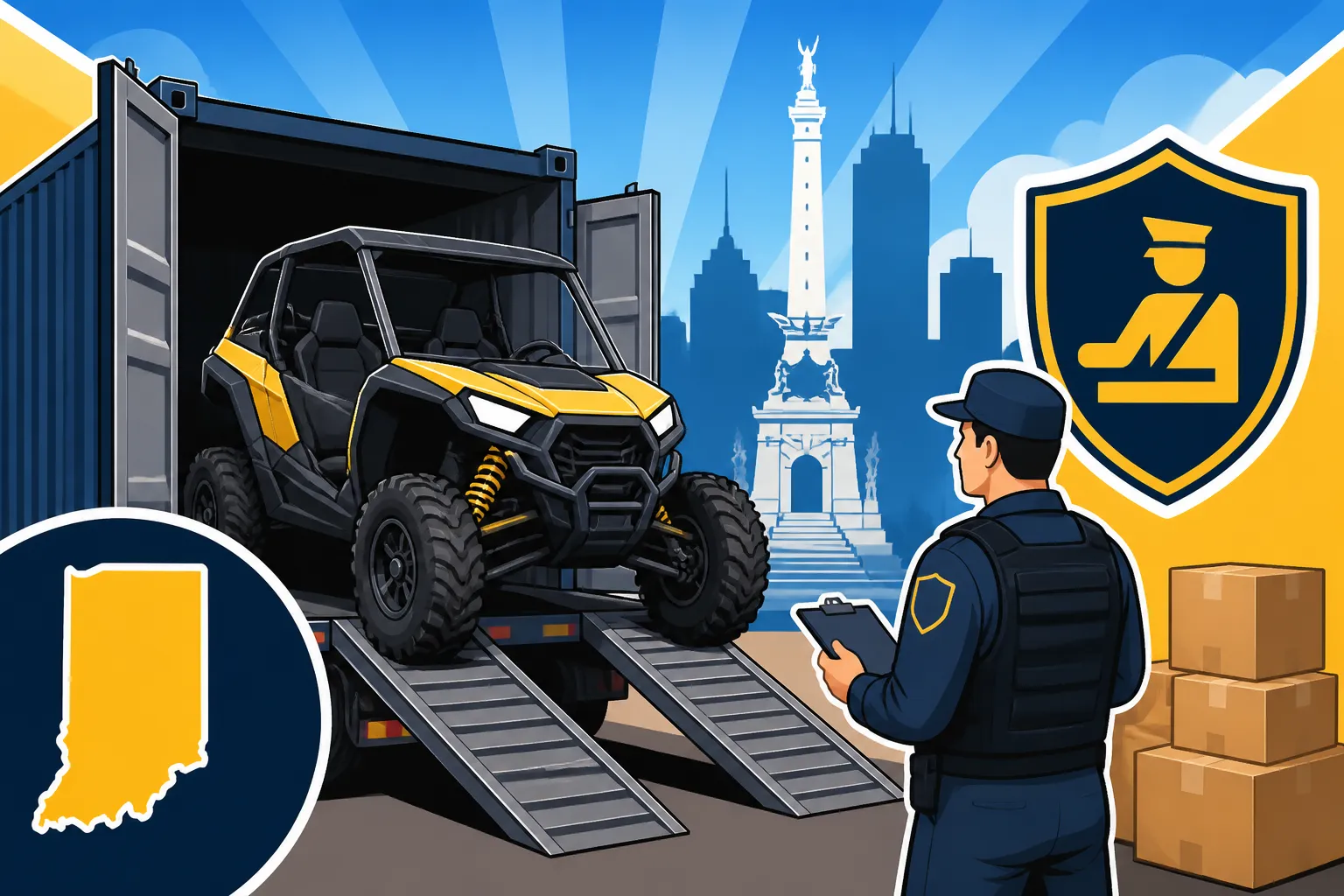
While the federal rules are universal, how they apply to your specific situation often depends on your port of entry. When your ATV or UTV lands in Indianapolis, likely at Indianapolis International Airport (IND) if by air cargo, or through an inland port if shipped by sea to a coastal port and then trucked here, you'll be dealing with the local CBP office. They are the frontline for enforcing all those federal regulations we just discussed. They will scrutinize your documentation, potentially inspect your machine, and collect any applicable duties, taxes, or fees. This localized experience can sometimes feel different from, say, importing through a busy coastal port, as the volume of ORV imports might be lower, allowing for a more focused (and sometimes lengthier) review.
Working with a Customs Broker
For many people, navigating the complexities of importing an ORV is simply too much. This is where a licensed customs broker becomes invaluable. These professionals specialize in handling all the necessary paperwork, communicating with CBP, and ensuring your machine clears customs efficiently. Think of them as your personal guide through the federal regulatory wilderness. They can advise you on what documentation you need, help you understand specific tariffs or duties that might apply to your machine's country of origin, and even facilitate any necessary inspections. While it adds to the overall cost, the peace of mind and prevention of costly mistakes often make it a worthwhile investment, especially if you're importing a high-value machine or have concerns about its compliance.
Customs Duties and Fees
When your ATV or UTV arrives, CBP will assess various duties and fees. The specific duty rate depends on the type of machine, its country of origin, and any existing trade agreements. For instance, parts of your machine might be subject to different tariffs than the assembled unit itself. Beyond duties, you'll also be responsible for a Merchandise Processing Fee (MPF) and possibly a Harbor Maintenance Fee (HMF) if your machine arrived by sea at a coastal port before being transported to Indianapolis. These fees are calculated based on the value of your imported goods. It's critical to have a clear understanding of your machine's declared value, as this will directly impact the amount you pay. Be prepared for these costs to be factored into your overall budget for bringing the machine into Indiana.
Necessary Documentation and Declarations for Customs
Successfully clearing customs hinges almost entirely on meticulous documentation. You need to have every single piece of paper in order, clearly presented, and accurate. Think of it like showing up for a big trail ride: you wouldn't forget your helmet or boots, and you definitely shouldn't forget your critical import papers. Without the right documentation, your machine can be held indefinitely, incurring storage fees and delaying your plans to hit the trails at Redbird or Interlake. This stage is where many run into trouble, so paying close attention here can save you a world of grief.
Proof of Ownership and Value
The fundamental documents you'll need include a bill of sale or proof of purchase, which clearly establishes your ownership of the ATV or UTV and its declared value. This document is crucial for calculating duties and taxes. If the machine was a gift, you'd still need documentation proving the transfer of ownership and an estimated fair market value. You'll also need the original manufacturer's certificate of origin (MCO) or the equivalent foreign title/registration document, which proves the machine's origin and specifications. If your machine is very old or from a country where such documents are not common, you might need to obtain an official translation of any foreign documents. For situations where a standard title isn't available, or you need to formalize aspects of ownership, resources like LawDepot can provide templates for bills of sale or affidavits of ownership, which, while not federal customs documents themselves, can help you compile necessary information or substantiate claims for local registration later on.
Transportation and Compliance Paperwork
You'll also need all transportation documents, such as the ocean bill of lading or air waybill, which detail how your machine was shipped. These documents are proof that your machine is legally entering the country through proper channels. As mentioned earlier, the EPA Form 3520-1 and DOT Form HS-7 are absolutely critical. These forms require you to declare compliance with U.S. emissions and safety standards. If your machine has been modified to meet these standards, you'll need documentation from the EPA-certified ICI or manufacturer stating that these modifications have been made and verified. If you're claiming an exemption, you must provide clear proof that your machine qualifies. Again, accuracy is paramount. An incomplete or incorrect form can cause significant delays and may even lead to your machine being denied entry.
| Document Type | Purpose | Required For | Key Information |
|---|---|---|---|
| Bill of Sale/Proof of Purchase | Proves ownership and declared value for duties/taxes. | All Imports | Purchase price, seller/buyer details, VIN, date of sale. |
| Original Title/MCO | Establishes origin and specifications. | All Imports | VIN, make, model, year, manufacturer. |
| EPA Form 3520-1 | Declares emissions compliance or exemption. | All Imports | VIN, manufacturer, model, engine size, compliance statement. |
| DOT Form HS-7 | Declares safety compliance or exemption. | All Imports | VIN, manufacturer, model, safety features, compliance statement. |
| Bill of Lading/Air Waybill | Documents shipment and port of entry. | All Imports | Shipper/consignee, carrier, description of goods, arrival details. |
| Power of Attorney (if using broker) | Authorizes customs broker to act on your behalf. | If Using Broker | Your name, broker's name, scope of authority. |
Costs and Potential Pitfalls of Importing an ORV
It’s easy to focus on the exciting prospect of having your foreign-bought machine here in Indiana, but it’s crucial to go into the import process with eyes wide open about the financial and logistical challenges. The costs can add up quickly, and unexpected issues can turn an exciting venture into a frustrating ordeal. Budgeting for every step, including contingencies, is key to avoiding sticker shock or endless delays.
Financial Outlays Beyond the Purchase Price
Aside from the initial purchase price of your ATV or UTV, you'll incur several other significant costs when importing. These include:
- Shipping Fees: The cost to transport your machine from its origin country to Indianapolis. This can vary wildly based on size, weight, and method (air vs. sea and then land).
- Customs Duties and Fees: As discussed, these are tariffs and processing fees levied by CBP. These are typically a percentage of the declared value.
- Customs Broker Fees: If you hire a broker, their services will come at a cost, often a flat fee plus disbursements for other charges.
- Storage Fees: If your documentation isn't perfect, or if there are inspection delays, your machine might sit in a customs-bonded warehouse, accruing daily storage charges that can quickly become substantial.
- Modification Costs: Should your machine not meet EPA or DOT standards, the cost of bringing it into compliance can be thousands of dollars, performed by specialized and certified facilities.
- Insurance: You’ll want robust transit insurance to protect your investment during its journey.
- Indiana Registration and Titling Fees: Once cleared federally, you'll still need to factor in Indiana's specific fees to get it titled and registered, as discussed in [Indiana ORV Registration Cost] and [Indiana ORV Title Cost].
It's truly a layered cost structure, and underestimating any of these can lead to major budget overruns.
Common Import Traps and How to Avoid Them
Importers often fall into a few common traps. The first is assuming that if the machine is "off-road only," it bypasses all federal rules. While some rules are indeed geared toward highway vehicles, ORVs still have significant EPA and DOT oversight. Another pitfall is incomplete or inaccurate paperwork. Even a small error can trigger a lengthy review process. To avoid this, double-check every form, ensure all VINs match across documents, and don't hesitate to seek professional help. A third major issue is misrepresenting the value of the machine to try and reduce duties. CBP is vigilant about undervaluation and can impose severe penalties, including fines and seizure, if they find discrepancies. Always declare the true transactional value. Lastly, be aware of timelines. The import process is rarely instantaneous. Plan for weeks, if not months, to get your machine through customs, especially if modifications are needed. Patience and preparedness are your best allies.
Registering Your Imported Off-Road Vehicle in Indiana
Once your ATV or UTV has successfully navigated the federal customs process and is physically in your possession here in Indiana, your journey isn't quite over. Now, you need to make it legal to ride on designated trails and private land within the state. Indiana has its own set of rules for off-road vehicles, and your newly imported machine will need to comply just like any other. This involves getting a title and then a registration, complete with the Indiana ORV decal. You might think, "I just got through customs, surely this part is easy?" Not always, but at least the rules here are more localized and predictable.
Titling an Imported ORV in Indiana
For most ATVs and UTVs purchased after December 31, 2009, Indiana requires a title. This is where your federal import documentation becomes vital. You'll need to present your customs release forms, the original foreign title or manufacturer's certificate of origin (translated if necessary), and your bill of sale to the Indiana Bureau of Motor Vehicles (BMV) or a licensed branch. The BMV needs to establish a clear chain of ownership and verify the machine's legitimacy. If your foreign paperwork is sparse, or if the country of origin doesn't issue traditional titles, you might need to pursue alternatives like an ownership affidavit. While LawDepot offers templates for such affidavits, always confirm with the Indiana BMV exactly what specific language and notarization they require. It's not uncommon for imported vehicles to need extra scrutiny to ensure they aren't stolen or illegally imported. Prepare for a potentially longer process than if you were titling a machine bought from an Indiana dealer. For more details on the general process, you can refer to [Titling an ORV in Indiana] and [Indiana ORV Title Requirements].
Indiana Registration and Decal
After obtaining an Indiana title (or confirming an exemption from titling if applicable for older machines), the next step is to register your imported ORV. This process is very similar to registering any other ATV or UTV in the state. You’ll need proof of ownership (your new Indiana title), your ID, and the appropriate fees. The BMV will issue you an Indiana ORV registration certificate and a decal that must be prominently displayed on the machine's forward half. Remember, this decal signifies that your machine is legally registered to ride on Indiana's public ORV trails, such as Redbird SRA or Interlake SRA, and helps fund trail maintenance. You'll also need to pay Indiana sales tax if you haven't already paid a similar tax in another U.S. state (though federal customs duties are separate). For comprehensive information on what you'll need, check out [Indiana ORV Registration Paperwork] and [Registering an ORV in Indiana]. Sometimes, questions arise about how to handle sales tax on an imported item; remember that [Indiana ORV Registration and Sales Tax] rules will apply here, typically the standard 7 percent rate on the purchase price.
Navigating the import process for your ATV or UTV into Indianapolis is undeniably a multi-step journey, but with careful planning, meticulous documentation, and an understanding of both federal and state requirements, you can successfully bring your machine home and hit the Hoosier trails.
Disclaimer
This article is for general informational purposes only and does not constitute professional advice. Laws, prices and regulations vary by location and change over time. Consult a qualified professional for guidance on your specific situation.