What Happens After a Visitor’s Twentieth Day of Riding
So, you're an out-of-state ORV enthusiast, and you've been enjoying the incredible trails and open spaces Indiana has to offer. Maybe you've spent a few long weekends tearing it up at Redbird or Interlake, or perhaps you've been visiting family and exploring some private land. It's easy to lose track of time when you're having fun, but if you've been riding your off-road vehicle in the Hoosier State for more than twenty days in a calendar year, you're about to run into a critical point with Indiana's ORV laws. This guide will walk you through exactly what happens once you cross that twenty-day threshold, the potential consequences, and most importantly, how to stay on the right side of the law so you can keep enjoying your rides.
Understanding Indiana's Twenty-Day Visitor Rule
Indiana extends a generous welcome to out-of-state ORV riders, allowing them to use their machines within the state for a limited period without needing to switch to Indiana registration. This grace period is a fantastic benefit for those just passing through or enjoying a short vacation. However, it's not an indefinite pass, and understanding its limits is crucial to avoid any unexpected trouble.
The Initial Grace Period for Out-of-State Riders
The Indiana Department of Natural Resources (DNR), which works in tandem with the Bureau of Motor Vehicles (BMV) on ORV matters, clearly states that a nonresident may operate an ORV that is validly registered in another state for up to twenty days in a calendar year. This means if your ATV or UTV has current registration and decals from your home state, you're good to go for those first twenty days. Think of it as a friendly handshake, allowing you to sample Indiana's riding culture without immediate bureaucratic hurdles. This rule applies whether you're riding at one of our fantastic state ORV areas, like Redbird Off-Road State Recreation Area or Interlake Off-Road State Recreation Area, or if you're exploring private property with permission. It’s all part of the same clock.
Many riders, especially those who make annual trips or have seasonal cabins in Indiana, might ride a few days here, a few days there. They might not even realize they're inching closer to that limit. For example, you might come for a long weekend in April, then again for a week in July, and squeeze in another few days in October. Before you know it, those individual trips add up. The intent is to allow casual visitors temporary use, but for those who find themselves returning frequently, the state expects you to eventually become an Indiana-registered rider.
Why the Clock Starts Ticking
The primary reason for the twenty-day limit is to ensure that long-term or frequent users contribute to the state's ORV programs and infrastructure. The funds generated from Indiana ORV registrations and permits are specifically earmarked for maintaining trails, acquiring new riding areas, and enforcing ORV laws. It's a system designed to be fair: if you're consistently using Indiana's resources, you're expected to help support them, just like an Indiana resident would. This keeps our trails in good shape and ensures a safe, enjoyable experience for everyone.
From a regulatory standpoint, it also helps law enforcement identify legitimate users and track machines more effectively. An ORV operating in Indiana for an extended period should be clearly identifiable as part of the Indiana system. This helps with everything from recovering stolen machines to ensuring environmental compliance on trails. It's not about making things difficult for visitors; it's about responsible management of a valuable recreational resource.
Counting Those Twenty Days
This is where some riders can get tripped up. The "twenty days" are not consecutive. They accumulate over the course of a single calendar year, from January 1st to December 31st. So, if you ride for five days in March, four days in June, and another eight days in September, you've already used up seventeen days of your allowance. Your next three-day trip, even if it's months later, will put you over the limit. It's crucial to keep a mental tally, or better yet, a physical log, of your riding days in Indiana if you're not an Indiana resident.
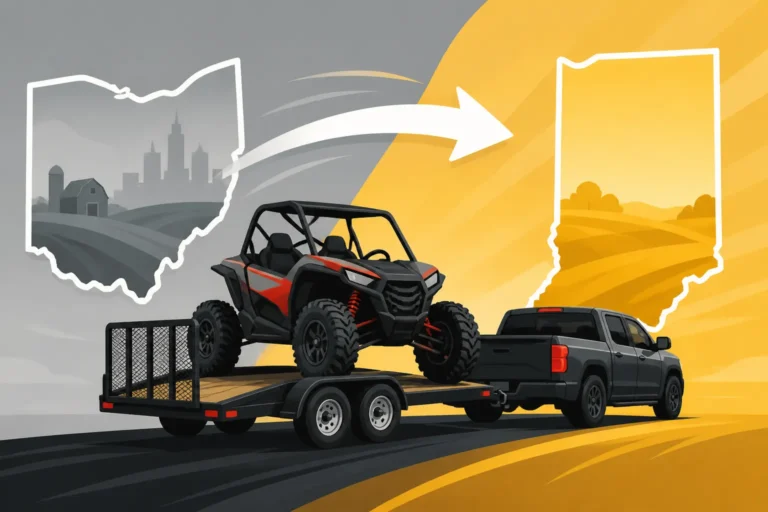
Imagine Sarah, who lives in Ohio. She loves the challenge of Interlake and comes down for four different three-day weekends throughout the spring and summer. That's twelve days already. Then she decides to join a club ride for five days in the fall. Now she's at seventeen days. If she then comes for Thanksgiving weekend for another four days, she's ridden for twenty-one days. On that twenty-first day, her Ohio registration no longer grants her legal permission to operate her ORV in Indiana. If a conservation officer stops her, she'd be in violation.
The Consequences of Overstaying the Welcome
Once you've exceeded that twenty-day threshold, your previously valid out-of-state registration is no longer recognized by Indiana law for continued operation. This isn't just a minor technicality; it can lead to significant headaches and financial penalties. The state takes its registration requirements seriously, and the enforcement officers on our trails are well-versed in these rules.
Riding an Unregistered Machine
The primary consequence is that you are now operating an unregistered off-road vehicle in Indiana. This is a Class C infraction, which can carry a substantial fine. We're not talking about a slap on the wrist here. Fines for operating an unregistered ORV can easily be several hundred dollars, and that's just for the initial offense. Beyond the fine, there's the inconvenience and potential embarrassment of being stopped, not to mention the possibility of your machine being impounded. If your ORV is impounded, you'll then be looking at impoundment fees, daily storage fees, and administrative costs on top of any fines, all before you can even get your machine back. This can quickly turn an enjoyable riding trip into a very expensive nightmare.
Consider Mark, who visits from Michigan regularly to ride at Redbird. He kept poor track of his days and, on what he thought was his nineteenth day, was actually his twenty-third. A conservation officer, doing routine checks at the trailhead, asked for his registration. When Mark proudly presented his Michigan paperwork, the officer explained that his twenty days were up. Mark was issued a citation for operating an unregistered ORV. He then had the choice of trailering his machine home immediately or risking further fines if he rode it any more that day. This sort of situation is precisely what the rule aims to prevent, and ignorance of the law is rarely an acceptable defense.
Enforcement on Indiana Trails and Roads
Who's checking for this, you might ask? Indiana's conservation officers, county sheriffs, and local police departments are all authorized to enforce ORV laws. They routinely patrol public riding areas, state forests, and even county roads where ORV use might be permitted under specific ordinances. They're trained to spot unregistered machines and are familiar with the nonresident rules. During a routine stop, they'll ask for your registration, and they'll definitely be checking the date and origin of your decals.
If you're riding in a specific county that has opened its roads to ORVs, like Hancock County or Dearborn County, local law enforcement there will also be on the lookout. They know the ordinances, including the requirements for both residents and visitors. An officer might run your vehicle's information, and if your out-of-state registration doesn't align with the permissible twenty-day window, you could face a citation right there on the shoulder of a gravel road. It's not just about staying safe; it's about operating within the legal framework, whether you're deep in the woods or making a quick hop to the gas station. You can find more details on what officers check roadside in [What an Indiana Officer Checks Roadside].
Potential Financial Headaches
Beyond the initial fine, the financial implications can stack up quickly. If your machine is impounded, you'll have to pay the towing company and the storage facility to get it back. These costs vary but can easily run into hundreds of dollars, especially if your machine sits for a few days while you sort things out. Then there are potential court costs if you decide to contest the citation, or if the infraction is severe enough to warrant a court appearance.
Furthermore, if you're involved in an accident while operating an unregistered vehicle, your insurance coverage might be affected. Many insurance policies have clauses that relate to legal operation. While not always a direct consequence, operating illegally could complicate claims, leaving you personally liable for damages or injuries. This scenario underscores the importance of not only having insurance but also ensuring your vehicle is legally registered wherever you're riding. Indiana's ORV laws are in place for safety and responsibility, and bypassing them can lead to a tangle of legal and financial problems.
Options for Long-Term Visitors or New Residents
If you've hit that twenty-day mark or realize you're going to exceed it, don't panic! Indiana provides clear pathways for out-of-state owners to bring their machines into compliance. The process is relatively straightforward, primarily handled through the Indiana Bureau of Motor Vehicles (BMV).
Registering Your Out-of-State Machine in Indiana
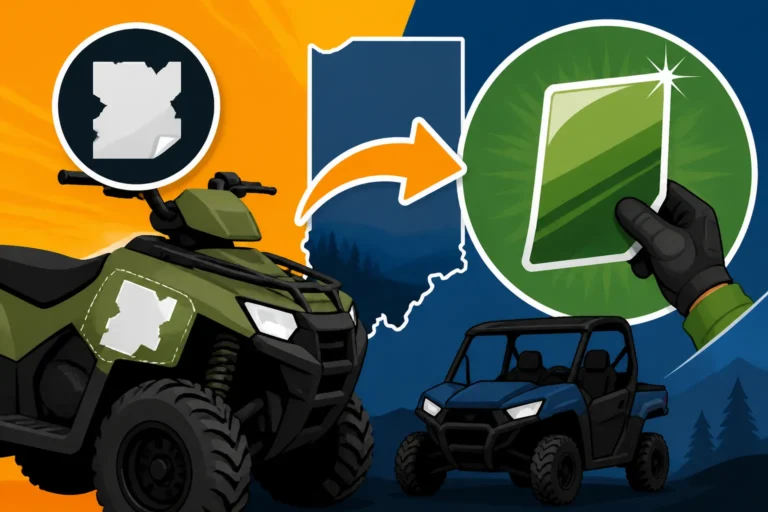
The most common solution for a long-term visitor or someone who has recently moved to Indiana is to register your ORV with the Indiana BMV. This process involves providing proof of ownership, identity, and residency (if applicable). You'll fill out an application, pay the necessary fees, and in return, you'll receive an Indiana ORV decal. This decal, usually mounted on the front half of your machine, signifies that your ORV is legally registered in the state. The [Registering an Out-of-State Machine in Indiana] article can guide you through the initial steps.
The registration is typically for three years, so it's not something you have to do every single year. This provides a long-term solution for those who are committed to riding in Indiana. Remember, this registration is for operating your machine off-road and on designated county roads, not for making it street legal across all public roads in Indiana, which is a different and much more limited scenario. You'll need to know [Where the Indiana Decal Mounts] to ensure proper placement.
Titling an Out-of-State Machine in Indiana
For many ORVs, especially those purchased after 2009, Indiana also requires a title. If your out-of-state machine already has a title from another state, you'll generally transfer that title to an Indiana title simultaneously with your registration. This proves legal ownership and helps prevent the sale of stolen machines. If you're buying a used machine from out of state and bringing it into Indiana, ensure the seller provides a clear title, if required by their state. You can find more information on this specific requirement in [Titling an ORV in Indiana].
The titling process can be a bit more involved, especially if there are any liens on the machine or if the previous state didn't issue titles for ORVs. Indiana's titling requirements vary slightly based on the year the machine was manufactured and when it was purchased. For instance, machines bought after 2009 generally require a title, while older ones might be title-optional. It's best to check with the BMV directly or refer to their guidelines.
Paperwork to Prepare
To successfully register and potentially title your out-of-state ORV in Indiana, you'll need several key documents. These typically include:
- Proof of Ownership: This is critical. Ideally, this would be your current out-of-state title. If your state doesn't title ORVs, or if you bought it privately and only have a bill of sale, ensure that bill of sale is comprehensive. A document from LawDepot, for example, can help you create a robust [An Indiana Bill of Sale for an ORV] that includes all necessary details like VIN, make, model, and buyer/seller information.
- Proof of Identity: Your valid driver's license or state-issued ID.
- Proof of Residency (if applicable): If you've moved to Indiana, you'll need documents proving your Indiana address, like a utility bill or lease agreement.
- Completed Application Forms: The BMV will have specific forms for ORV registration and titling.
- Vehicle Identification Number (VIN) Inspection: Sometimes, especially with out-of-state vehicles, a physical VIN inspection by an Indiana law enforcement officer may be required to verify the machine's identity. This helps prevent fraud and ensures the machine isn't stolen.
- Payment for Fees: Be prepared for the registration fees, titling fees, and any potential plate transfer fees.
If you find yourself in a situation where you don't have a formal title or a clear bill of sale, perhaps because it's an older machine or a private sale that went a little informal, Indiana does have a process for that. You might need to file an [Ownership Affidavit for a Quad With No Paperwork]. This is a sworn statement confirming you are the rightful owner and can be a crucial document. Services like LawDepot can also provide templates and guidance for creating such affidavits to ensure they meet legal requirements.
Navigating the Registration Process
Once you've decided to register your ORV in Indiana, the process is fairly straightforward, though it does require attention to detail and a trip to your local BMV branch. Knowing what to expect can save you time and frustration.
Where to Go and What to Bring
The primary place to handle ORV registration and titling is an Indiana Bureau of Motor Vehicles (BMV) branch. While some licensing duties have been decentralized, ORV services typically go through the BMV. Before you head out, it's always a good idea to check the BMV's website or call ahead to confirm their operating hours and exactly what documents you'll need for your specific situation. This can prevent a wasted trip. For general questions about [Where to Register an ORV in Indiana], the BMV is your go-to resource.
When you go, make sure you have all your paperwork meticulously organized. This includes your existing out-of-state title (if any), a comprehensive bill of sale (and if you're drafting one for a private sale, a template from a service like LawDepot can be very helpful), your driver's license, proof of Indiana residency if you've recently moved, and any other supporting documents. The BMV clerk will review everything to ensure it meets Indiana's requirements. They'll also verify your vehicle's information, often using the VIN. In some cases, especially if transferring an out-of-state title or if there are any discrepancies, they might require a physical inspection of the VIN by a law enforcement officer before completing the process. This is a standard procedure to prevent fraud.
Costs and Fees Involved
There are various fees associated with registering and titling an ORV in Indiana. While specific amounts can change, you'll generally encounter a registration fee, a titling fee (if applicable), and potentially a small service fee. These fees contribute to the state's ORV fund, which supports the very trails and programs you enjoy. It’s a worthwhile investment in the future of off-roading in Indiana.
It’s important to budget for these costs. For example, if you're also titling your machine, that's an additional expense. Unlike some states, Indiana has a flat 7% sales tax on ORV purchases, whether new or used, and this often needs to be paid during the titling or registration process if it wasn't handled by a dealer at the time of purchase. Dealers often collect the sales tax and registration fees for you, streamlining the process. But if you're buying privately, you're responsible for paying the sales tax to the BMV when you title the machine. You can learn more about these costs in articles such as [Indiana ORV Registration Cost] and [Indiana ORV Title Cost].
The Waiting Game for Your Decal
Once you've submitted all your paperwork and paid the fees, you won't immediately walk out with your Indiana ORV decal. The BMV processes these applications, and then the decal is typically mailed to you. The standard waiting period for your decal to arrive in the mail is usually around three weeks, though it can sometimes be shorter or longer depending on processing times. This waiting period is standard, so it's crucial to plan your registration in advance of any major riding trips.
During this waiting period, you might wonder if you can ride. Unfortunately, once your twenty visitor days are up and you've initiated Indiana registration but haven't received your decal, you are still technically operating without proper registration. The confirmation of your application is not the same as having the physical decal on your machine. It’s generally advised to wait until your decal arrives and is properly affixed to your ORV before riding to avoid any potential issues. If you're concerned about the wait, you can always check in with the BMV regarding the status of your application. The article [How Long an Indiana Decal Takes to Arrive] provides more insight.
Essential Considerations for Indiana ORV Owners
Beyond the initial registration and titling, owning and operating an ORV in Indiana involves continuous adherence to state laws and best practices. Staying informed ensures not only your legality but also your safety and enjoyment on the trails.
Staying Legal Beyond Registration
Indiana's ORV laws extend beyond just registration. Once your machine is legally registered, you still need to be aware of other critical rules. For example, Indiana has specific helmet laws, particularly for riders under 18, and even on private property, the rules often apply. [Indiana's Helmet Law for Riders Under 18] is a prime example of a regulation that is always in effect. There are also age restrictions for operators and specific supervision requirements for younger riders. If you're riding a side-by-side, seatbelt rules come into play, especially on public lands.
Road use is another big one. While some counties have opened certain roads to ORVs, these are specific ordinances, not a blanket permission. You can't just jump on any public road. Always check local ordinances and never assume a road is open. Riding on a closed road or shoulder can quickly land you another citation. Understanding [Where Indiana Allows ORVs on Public Roads] is paramount before you ever consider riding off a designated trail.
Importance of Proper Documentation
Always, always carry proof of your ORV's registration and your identification when you ride. While the decal on your machine is visible, having the physical registration certificate or a clear photo of it on your phone is vital if a law enforcement officer asks for it. This isn't just a suggestion; it's often a requirement. Just like with a car, you need to be able to prove you're legally operating the vehicle.
Beyond registration, if you're riding on private property, ensure you have written permission from the landowner. While not a state-level ORV registration requirement, it's crucial to avoid trespass charges. Keeping these documents in a waterproof bag or container on your machine is a smart move, protecting them from mud, water, and the elements. A small dry box can be a real lifesaver for all your important papers.
Planning Ahead for Future Rides
The key to a stress-free ORV experience in Indiana, especially for out-of-state visitors, is proactive planning. If you know you'll be riding in Indiana frequently or for an extended period, start the registration process well before your twenty-day limit is approaching. Don't wait until you've already exceeded the limit to begin the paperwork. This forward thinking will save you potential fines, impoundment, and the general hassle of dealing with legal issues.
For those considering moving to Indiana, or if you simply love the riding opportunities so much that you want to become a full-time Hoosier rider, integrating your out-of-state machine into Indiana's system is a rite of passage. Embrace the process, know the rules, and you'll unlock years of incredible off-road adventures across our diverse terrain, from the reclaimed mine lands of Interlake to the challenging hills of Redbird. By understanding and respecting Indiana's ORV laws, you ensure that the trails remain open and enjoyable for everyone.
| Status Category | Timeframe in Indiana | Requirements | Consequences of Non-Compliance |
|---|---|---|---|
| Out-of-State Visitor | Up to 20 days in a calendar year | Valid home-state registration & decal | N/A (within limit) |
| Overstayed Visitor | More than 20 days in a calendar year | Indiana registration REQUIRED | Class C infraction, fines, potential impoundment |
| New Indiana Resident | Register ORV upon establishing residency | Indiana title (if applicable), Indiana registration, proof of ownership | Fines for unregistered/untitled ORV after grace period |
| Registered Indiana Owner | Valid Indiana registration & decal (3-year term) | Adhere to all Indiana ORV laws (helmets, age, road use, etc.) | Fines for violations (e.g., no helmet, illegal road use) |
Disclaimer
This article is for general informational purposes only and does not constitute professional advice. Laws, prices and regulations vary by location and change over time. Consult a qualified professional for guidance on your specific situation.