Indiana ORV Registration for a Dealer Demo
It can be incredibly confusing for powersports dealers in Indiana to navigate the registration process, especially when it comes to machines that aren't quite "sold" but aren't just sitting in a showroom either. We're talking about those essential dealer demonstration (demo) units that customers test ride, service technicians use for diagnostics, or sales staff take to local events. This guide is here to untangle the specific requirements for registering these demo ORVs in Indiana, ensuring you stay compliant and avoid any headaches.
Understanding the "Dealer Demo" Concept in Indiana ORV Registration
When you're running a busy dealership, you've got machines coming and going, some sold, some for rent, and then there are those invaluable demo units. These aren't just inventory; they're active, working vehicles used to showcase features, test performance, or even transport things around the lot. But from the state's perspective, how do they differ from a customer's personal ORV or a brand-new unit sitting in the crate? It's a critical distinction that many dealers grapple with, and misunderstanding it can lead to compliance issues.
What Exactly Qualifies as a Dealer Demo ORV?
In Indiana, a dealer demo ORV generally refers to an off-road vehicle (ATV, UTV, dirt bike, etc.) that a licensed dealer uses for purposes other than personal use or direct sale to a specific customer. This includes machines used for customer test drives, allowing potential buyers to experience the vehicle firsthand. It also covers units used by mechanics for diagnostic testing or to demonstrate repairs. Sometimes, a dealer might use a demo unit to participate in a local fair or a community event, showing off the latest models. The key here is that the machine is actively being operated, even if it hasn't found its permanent owner yet. It's not just a display model; it's a dynamic tool in your sales and service arsenal.
Think about it: a customer isn't going to buy a side-by-side without taking it for a spin around your back lot or designated test track. That machine, during its test-driving life, is a "dealer demo." It's in limbo, not fully owned by a consumer, but certainly not idle. This distinction is crucial because idle inventory has different rules than active inventory. The state wants to ensure that any ORV being operated, even temporarily or on a dealer's property (if it's not strictly private, closed-course use), is properly accounted for, primarily for identification and enforcement purposes.
Why Dealer Demos Aren't Treated Like Regular Inventory
The fundamental difference lies in operation. Your showroom floor models, still in their shipping crates or on display stands, don't require registration because they aren't being operated. They're merchandise. However, once that machine leaves the showroom and enters an active role—whether it's zipping around a test course with a potential buyer or being driven by a mechanic—it crosses a line. It becomes an "operated" vehicle, and the State of Indiana wants to know about it. This isn't just about collecting fees; it's about public safety, tracking, and environmental management. Just like a car dealer has special plates for their demo vehicles, ORV dealers have specific requirements for their demo units.
The state's interest is less about tracking ownership for sales tax purposes at this stage and more about identifying who is responsible for the machine if it's involved in an incident or if its use extends beyond controlled dealer property. It’s also about ensuring that any ORV being used on public land (which, for dealers, might be crossing a public road between properties or attending a special event off-site) meets identification standards. This is why [Dealer Testing Machines in Indiana] is a category with its own specific set of rules, acknowledging the unique operational needs of a dealership.
The Specifics of Indiana ORV Registration for Dealers
Dealing with the state's requirements for dealer demos can feel like a maze, especially when you're also juggling sales, service, and keeping your customers happy. It's not just about getting a regular registration; there are nuances that apply specifically to dealerships. The goal is to provide a clear path so you can focus on moving inventory and not on bureaucratic red tape.
Dealer Registration vs. Individual Registration
When a regular Joe buys an ORV, they go through the process of [Registering an ORV in Indiana] and titling it in their name. This involves proving ownership, usually with a Manufacturer's Certificate of Origin (MCO) for new machines or a bill of sale and previous title for used ones. They get a unique registration number and a decal that lasts three years. For a dealer demo, the process is slightly different because the machine isn't "owned" by an individual end-user. Instead, it's owned by the business, and its purpose is temporary, fluid demonstration rather than permanent recreational use.
Indiana offers a special "dealer registration" option specifically for these demonstration units. This isn't just a courtesy; it's a necessity. Without it, every single machine you use for a test ride would theoretically need a full individual registration and title, which would be an administrative nightmare and frankly, counterproductive. The dealer registration allows the unit to be operated under the dealership's umbrella, signifying its temporary status as a demonstration vehicle. It's a pragmatic solution to a unique business need, acknowledging that a dealer's operational fleet is distinct from private ownership.
What Paperwork Do Dealers Need for Demos?
The paperwork for a dealer demo ORV registration typically centers around proving your status as a licensed Indiana ORV dealer and identifying the specific machine. You'll generally need your dealer license information, ensuring the state knows you're a legitimate business in the powersports industry. For each demo unit, you'll need the Manufacturer's Certificate of Origin (MCO) if it's new, or proof of previous ownership if it's a used unit you're converting to demo status. This is similar to [Indiana ORV Registration Paperwork] for individuals, but the application forms will be specific to dealer use.
You'll also need to complete the appropriate application form provided by the Indiana Bureau of Motor Vehicles (BMV). This form will require details about the ORV, such as its Vehicle Identification Number (VIN), make, model, and year. It’s crucial to be meticulous with these details to avoid delays. Sometimes, the BMV might also require a bill of sale, even if it's an internal one, especially if you're pulling a machine from your inventory for demo purposes. Tools like LawDepot can be helpful for creating standardized internal bills of sale or other necessary documentation, ensuring all details are captured accurately for your records and potential state inquiries.
Step-by-Step: Registering a Dealer Demo ORV in Indiana
The process of registering a dealer demo ORV in Indiana, while having its own specific requirements, generally follows a logical sequence. It might seem daunting at first glance, especially when you're managing multiple machines and a busy sales floor, but breaking it down makes it much more manageable. The key is preparation and understanding the specific forms and steps involved with the BMV.
Preparing Your Documentation
Before you even think about heading to the BMV, gather all your ducks in a row. For each machine you intend to register as a demo, you'll need its MCO (Manufacturer's Certificate of Origin) or previous title. This is your proof of initial ownership or transfer of ownership to the dealership. Double-check all the details on these documents—VIN, make, model, year—to ensure they are accurate and match the physical machine. Any discrepancy can cause significant delays down the line. It's also wise to have a copy of your Indiana dealer license readily available, as this verifies your eligibility for dealer-specific registration.
Next, you'll need the correct application form. This isn't the standard individual ORV registration form. Look for the dealer-specific application provided by the Indiana BMV. If you're unsure, a quick call to your local license branch or checking the official BMV website will point you in the right direction. Remember, clarity in your documentation prevents frustration later. Some dealers even prepare a simple internal record for each demo unit, detailing its purpose and usage history, which can be useful for internal tracking and any unexpected audits.
Completing the BMV Application
Once you have your documents in order, carefully fill out the BMV application form for dealer demo ORV registration. Pay close attention to sections requesting your dealer license number, the business name, and all the specifics about the ORV itself. The VIN is paramount here, as it's the unique identifier for the machine. Ensure it's entered correctly, letter for letter, number for number. Errors here are a common reason for applications being rejected. You'll also need to indicate that this is for a "dealer demo" or similar designation, as opposed to a standard customer registration.
This is where the nuances of [How Indiana ORV Registration Works] for dealerships come into play. While many steps mirror individual registration, the intent and outcome are different. You're registering a machine for use by the dealership, not for individual private ownership. Once the form is complete, sign it, and ensure all supporting documents (MCO/title, dealer license copies) are attached. It’s always a good practice to make copies of everything you submit for your own records, just in case you need to refer back to them or if anything goes astray.
Fees and Decal Placement
Just like any other ORV registration, there will be associated fees. These fees are generally for the registration itself and help fund various state programs related to ORV recreation, trail maintenance, and enforcement, as detailed in [Where Indiana ORV Fees Go]. The specific amount can vary, so it's best to check the current schedule on the Indiana BMV website or confirm with your local license branch. Be prepared to pay these fees at the time of submission. Remember, prompt payment ensures your application moves forward without unnecessary delays.
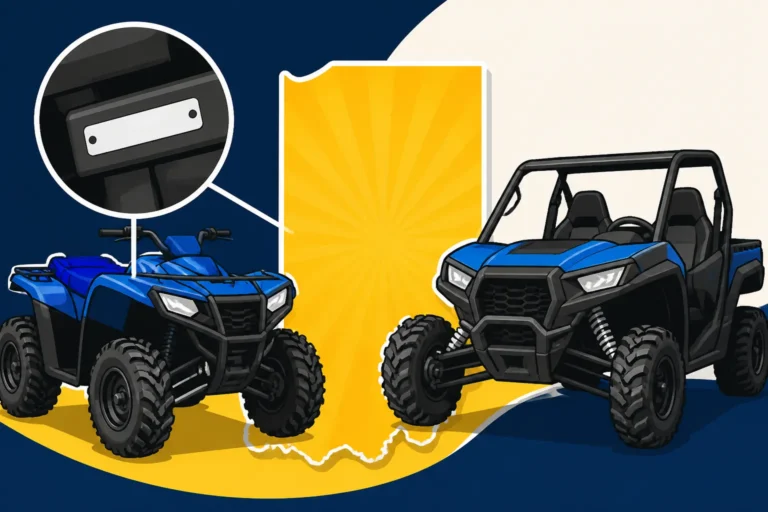
Once your application is approved and fees are paid, you'll receive a registration decal. This decal must be prominently displayed on the ORV. Indiana law is quite specific about [Indiana ORV Decal Placement], generally requiring it to be on the forward half of the machine, visible and unobstructed. For dealer demos, this is no different. The decal signifies that the machine is legally registered for operation under your dealership's authority. Ensure it's affixed securely and in the correct location so that anyone inspecting the machine, whether it's a customer or a law enforcement officer, can easily verify its registration status.
Common Questions and Best Practices for Indiana Dealers
Even with a clear process, dealers often run into specific questions or situations that require a bit more clarity. Operating demo units efficiently and legally is paramount, not just for compliance but for smooth business operations. Let's tackle some of the frequent concerns and share some best practices that can help you avoid common pitfalls.
What Happens When a Demo Unit is Sold?
This is a frequent scenario: a customer falls in love with a demo unit after a test drive and wants to buy that exact machine. When a dealer demo unit is sold to a customer, it transitions from being a temporary, dealership-operated vehicle to a privately owned one. At this point, the dealer demo registration effectively ends for that specific unit. The new owner will then need to go through the standard individual [Titling an ORV in Indiana] and registration process in their own name. As the dealer, you'll provide them with the MCO (if new) or the properly assigned title (if used and already titled in your dealership's name) and a [An Indiana Bill of Sale for an ORV].
It's common practice for dealers to handle the initial registration and titling paperwork for the customer as part of the sale, making it a seamless experience. This includes collecting the necessary fees and submitting the paperwork to the BMV on their behalf. This ensures that the customer drives off with a legally compliant machine and that the transition from demo to private ownership is properly documented. Keep detailed records of the demo unit's registration and its subsequent sale, including the date of sale and the new owner's information, for your own internal auditing and any potential inquiries.
Keeping Track of Multiple Demo Units
If your dealership has several demo units, keeping track of their registration status, decals, and any associated paperwork can become a logistical challenge. It's not uncommon for a busy dealer to inadvertently let a demo registration lapse, or to misplace a decal. Implement a robust internal tracking system. This could be as simple as a spreadsheet detailing each demo unit's VIN, registration expiration date, and decal number. Some dealers use specific tags or labels on the machines themselves to indicate their demo status and registration details.
Regularly audit your demo fleet to ensure all units being operated have current registrations and properly affixed decals. Consider assigning a specific staff member the responsibility for managing ORV registrations, both for customer sales and for your demo fleet. This creates accountability and ensures that deadlines aren't missed. Tools like LawDepot can assist in generating consistent documentation for your internal records, helping you maintain a clear paper trail for each machine. Proactive management here saves a lot of hassle and potential fines down the road.
Avoiding Common Dealer Pitfalls
One of the biggest pitfalls for dealers is assuming that because a machine is on "dealer property," it doesn't need registration. While operation strictly on private property for testing might not always require a BMV decal, once that machine leaves your immediate, closed-course property—even to cross a public road to another part of your lot or to be trailered to an event—it needs to be identifiable. Always err on the side of caution and register any machine intended for demo use. Another common mistake is failing to renew dealer demo registrations on time, which typically expire every three years, similar to [Why a BMV Decal Lasts Three Years] for personal machines.
Ensure your team understands the importance of proper decal placement and that the decal remains visible and undamaged. A faded or missing decal is as good as no decal in the eyes of an enforcement officer. Furthermore, if you're using a demo unit for extended periods or lending it out (even to employees for testing), make sure all necessary waivers and internal agreements are in place. Being proactive and meticulously organized will not only keep you compliant but also protect your dealership from potential liabilities.
| Feature | Individual ORV Registration | Dealer Demo ORV Registration |
|---|---|---|
| Purpose | Personal/Recreational Use | Demonstration, Testing, Business Use |
| Owner | Private Individual | Licensed ORV Dealership |
| Proof of Ownership | MCO / Assigned Title / Bill of Sale | MCO / Previous Title to Dealership |
| Registration Type | Standard ORV Registration | Special Dealer Registration |
| Decal Duration | Three Years | Three Years |
| Transfer upon Sale | Yes, new owner registers | Yes, new owner registers |
| Primary Identifier | Individual's Name | Dealership's Name/License |
Disclaimer
This article is for general informational purposes only and does not constitute professional advice. Laws, prices and regulations vary by location and change over time. Consult a qualified professional for guidance on your specific situation.