Indiana ORV Titling Deadline
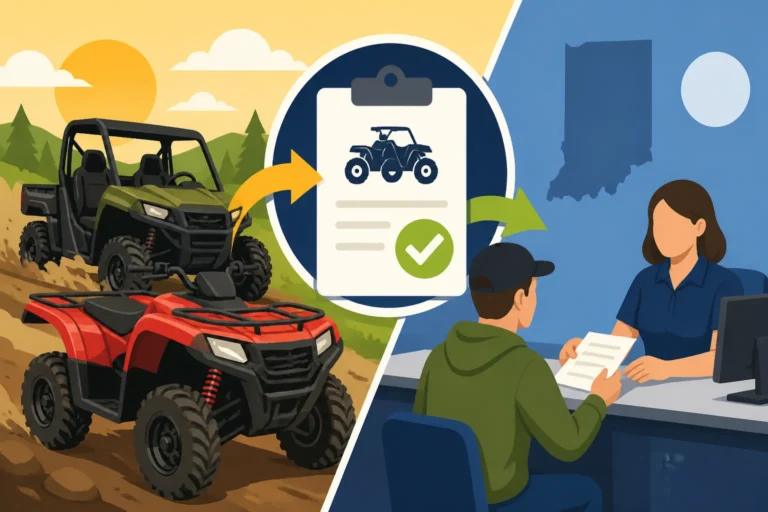
Oh, the thrill of a new ATV or UTV! Whether you just brought a shiny new machine home from the dealer or scored a fantastic deal on a used one from a private seller, that feeling of freedom and adventure is probably bubbling over. But before you hit the trails or tackle those chores, there's one critical piece of paperwork that often gets overlooked in the excitement: the Indiana ORV titling deadline. Missing this crucial window can lead to unexpected fees and frustrating delays, turning your excitement into a headache. This guide is here to walk you through everything you need to know about getting your off-road vehicle titled in Indiana on time, helping you avoid those stressful last-minute rushes and those pesky penalties.
Understanding the Indiana ORV Titling Deadline
When you bring a new (or new-to-you) off-road vehicle into your life in Indiana, it comes with a ticking clock for official paperwork. It’s easy to get caught up in planning your first ride or customizing your machine, but the state has very specific expectations about how quickly you need to make things official. Ignoring these timelines can lead to unnecessary complications down the road.
The Crucial 45-Day Window
Let's cut right to the chase: Indiana gives you 45 days from the date of purchase or acquisition to apply for a Certificate of Title for your off-road vehicle. This isn't just a suggestion; it's a hard deadline set by the state. That 45-day count begins the moment you take ownership, whether that's the day you drive it off the dealership lot or the day you shake hands with a private seller and exchange cash for keys.
Why this specific window? Well, it's all about ensuring that ownership records are updated promptly and accurately. From the state's perspective, this timeframe helps prevent lengthy delays in transferring titles, which could complicate things if a machine is stolen, involved in an accident, or resold without proper documentation. It's a system designed to maintain clear and traceable ownership of every ORV in the state. Remember, this is 45 calendar days, not business days, so weekends and holidays count! If you buy your machine on a Friday, that weekend is already eating into your window.
What Triggers the Deadline
The 45-day clock typically starts ticking on the date of sale, which should be clearly marked on your bill of sale or the manufacturer's certificate of origin (MCO). This applies to a few different scenarios:
- New Purchase from a Dealer: When you buy a brand-new ATV or UTV from a licensed dealer in Indiana, they will typically handle much of the initial titling paperwork for you. However, the 45-day window for the title application is still officially tied to the date of sale. While the dealer usually submits everything, it’s still your responsibility to ensure it happens. Keep tabs on it.
- Private Sale: This is where many people can run into trouble. When you buy a used machine directly from another individual, you are solely responsible for initiating the titling process. The 45-day window starts on the date recorded on the bill of sale. If you're using a template for your bill of sale, perhaps even one from a service like LawDepot, make sure that purchase date is accurate and legible.
- Transfer of Ownership: Even if you receive an ORV as a gift or through an inheritance, the state still expects a title transfer to occur within a reasonable timeframe. While an inheritance might have slightly different procedures, the general principle of prompt paperwork still applies to avoid later issues. The key takeaway is that any change in legal ownership generally triggers the need for a title update.
The Consequences of Missing the Titling Deadline
Life happens, and sometimes, despite our best intentions, deadlines get missed. Maybe you were busy, maybe you forgot, or maybe you simply didn't realize how strict Indiana is about ORV titling. While it might seem like just a formality, ignoring the 45-day titling window in Indiana can lead to some very real and frustrating consequences. It's not just a slap on the wrist; it can impact your wallet and your ability to enjoy your machine.
Facing the Administrative Penalty
The most immediate and tangible consequence of missing the Indiana ORV titling deadline is the administrative penalty. Once you go beyond that 45-day mark, the state will assess an additional fee on top of the standard titling costs. This isn't a percentage that grows the longer you wait; it's a fixed administrative penalty that kicks in the day after the 45-day window closes. It’s designed to be a deterrent, a clear message from the state that they expect timely compliance.
Imagine budgeting for your new machine, covering the purchase price, the sales tax, and the standard title fee. Then, you arrive at the BMV, only to be told there's an extra charge because you missed the deadline. It's an unexpected hit to your wallet, and it can be especially irritating knowing it could have been easily avoided. This penalty is a non-negotiable part of the late titling process, and you won't be able to get your title until it's paid. You can find more details on [Indiana's Administrative Penalty After 45 Days].
Delays in Registration and Riding
Beyond the financial hit, missing the titling deadline can throw a wrench into your plans to actually use your ORV. In Indiana, a properly issued title is a prerequisite for registering your machine and obtaining the necessary registration decal. You can't get one without the other. This means that if your title is delayed because you missed the deadline, your registration will also be delayed.
Without a valid Indiana ORV registration decal, you won't be able to legally ride your machine on designated public lands, such as Indiana's state ORV parks like Redbird or Interlake. Imagine having your beautiful new side-by-side sitting in your garage, ready for adventure, but you can't take it out because the paperwork isn't sorted. This can be incredibly frustrating, especially if you had a trip planned or bought the machine specifically for an upcoming event. The thrill of ownership quickly fades when you're sidelined by bureaucracy.
Potential Issues with Future Sale or Transfer
Even if you eventually pay the penalty and get your title, missing the deadline can create long-term headaches, especially if you plan to sell or transfer ownership of your ORV down the line. A clear, straightforward chain of ownership is always preferred when selling a vehicle. If your title history shows a significant delay in your acquisition of the title, it could raise questions or concerns for a potential buyer.
Furthermore, if you bought a machine privately and then decide to sell it without ever properly titling it yourself after the 45-day window, you're essentially passing on your administrative penalty (or a similar headache) to the next owner. This complicates things considerably. The new buyer will face the same late titling penalty, or you might be expected to cover it out of your pocket to make the sale happen. It creates a messy and inconvenient situation for everyone involved, highlighting why it's always best to complete your titling process correctly and promptly from the start.
Navigating the Titling Process to Meet the Deadline
Meeting the 45-day titling deadline might sound daunting, but it's a straightforward process if you know what to gather and where to go. The key is preparation and acting quickly after your purchase. Don't procrastinate; gather your documents and make that trip to the BMV as soon as possible.
Essential Documents for Titling
Before you even step foot in a Bureau of Motor Vehicles (BMV) branch, make sure you have all your ducks in a row. Having everything organized will make the process much smoother and prevent you from having to make multiple trips.
Here’s a checklist of the crucial documents you’ll need:
- Original Manufacturer's Certificate of Origin (MCO) or Previous Title: This is the absolute cornerstone of your titling application. If you bought a brand-new machine, the dealer will provide you with the MCO. For a used machine, the seller must provide you with the physical title, properly signed over to you. Without this, you cannot title the ORV.
- Bill of Sale: This document is your proof of purchase and, crucially, establishes the date your 45-day clock started. Be sure your bill of sale is complete and accurate – services like LawDepot can provide templates that cover all the necessary information, which is especially helpful for private sales. It should include the purchase price, date of sale, names and addresses of both buyer and seller, and a detailed description of the ORV, including its Vehicle Identification Number (VIN). Learn more about what makes a good bill of sale here: [An Indiana Bill of Sale for an ORV].
- Proof of Identity: You'll need a valid, government-issued photo ID, such as your Indiana driver's license or state ID card.
- Proof of Indiana Residency: If your ID doesn't clearly establish your Indiana residency, you might need an additional document like a utility bill or bank statement showing your current Indiana address.
- Application for Certificate of Title (BMV Form 39536): You can often fill this out at the BMV, but downloading and completing it beforehand can save you time. Ensure all information is accurate to avoid delays.
Where and How to Title Your ORV
With your documents in hand, the next step is to submit your application. For initial ORV titling, you’ll need to do this in person.
- Visiting a Local Indiana BMV Branch or License Branch: This is the primary and most common way to title your ORV. Use the BMV's website to find your nearest branch and check their operating hours. Some branches can be quite busy, so consider going during off-peak times if possible. When you arrive, you’ll submit your documents, pay the required title fee, and any applicable sales tax.
- Online Options: While the Indiana BMV offers many services online, the initial titling of an ORV typically requires an in-person visit due to the need to verify original documents and collect sales tax. You usually can't simply title a machine online from scratch.
- Dealer Assistance: If you purchased your new ORV from an Indiana dealer, they will often handle the titling and registration paperwork as part of the sales process. This is a huge convenience, but it's still wise to confirm with them that they will indeed submit everything to the BMV on your behalf and ask for any confirmation or tracking numbers they might provide. Even then, remember the 45-day deadline is still tied to your purchase date. For information on where to find these services, you can check [Where to Register an ORV in Indiana].
What to Do If You've Lost Paperwork
It happens more often than you think: you buy a used ORV, and some of the critical paperwork is missing or incomplete. This can feel like a major roadblock, but there are established pathways to follow.
- Getting a Duplicate MCO or Title: If the previous owner lost the title, they are responsible for obtaining a duplicate before selling the machine to you. Insist on this as part of the sale. If you've lost your MCO or title after you’ve taken possession but before titling, you'll need to contact the issuing authority (either the manufacturer for an MCO or the state's titling agency for a title).
- The Ownership Affidavit Process: In cases where a title or MCO simply doesn't exist for an older machine, or if it was never titled in Indiana when it should have been, you might need to pursue an ownership affidavit. This is a legal document where you attest to your ownership, often requiring supporting evidence like a bill of sale, photographs of the VIN, and possibly even a physical inspection. This can be a more involved process. To understand what this entails, review [What Indiana's Ownership Affidavit Asks For]. While LawDepot offers templates for various legal documents, remember that an ownership affidavit is part of a specific BMV process and must meet their requirements.
- Getting a Special Identification Number: In very rare cases, such as with homebuilt machines or those with severely damaged or missing VINs, you might need to apply for a Special Identification Number (SIN) through the BMV. This is a last resort to establish a unique identifier for your ORV. For more information, see [Getting a Special Identification Number for a Homebuilt Quad].
Special Considerations and Common Pitfalls
Even with the standard process laid out, there are always a few unique situations and common mistakes that can trip up an eager ORV owner. Being aware of these specific scenarios can save you a lot of time and potential frustration. Understanding these nuances is part of being a well-informed ORV enthusiast in Indiana.
Understanding the 2009 Rule
One of the most frequently asked questions about Indiana ORV titling revolves around the year 2009. Why is this year so significant? Prior to January 1, 2010, Indiana did not require off-road vehicles to be titled. This means that if you own an ORV that was purchased before January 1, 2010, it is considered a "title-optional" machine and typically does not need an Indiana title. However, if that same machine has a valid title from another state, Indiana will honor it.
The critical distinction is the purchase date. If your ORV was purchased on or after January 1, 2010, it must be titled in Indiana. This creates a bit of a divide among ORV owners, as some machines are exempt from the titling requirement while others are not, purely based on their acquisition date. This is why you'll often hear discussions about [Why Indiana Titles Machines Bought After 2009] and [Why a 2009 Purchase Date Splits Indiana Owners]. Always verify the purchase date with clear documentation when buying a used machine to understand its titling status.
Private Sales and the Bill of Sale
We've touched on this before, but it bears repeating: for private sales, the bill of sale is your absolute bedrock. It’s not just a casual receipt; it's a legal document that proves ownership transfer and, most importantly for this discussion, records the precise date that 45-day titling window begins. Without a comprehensive and accurate bill of sale, you could find yourself in a really sticky situation at the BMV.
A common pitfall is using a bare-bones bill of sale that lacks key information or, worse, not getting one at all. This can lead to disputes over the purchase date or even the sale itself. Remember, the 45-day clock begins when the transaction occurs, and your penalty-free titling window literally expires after forty-five days, as explained in [Why a Bill of Sale Expires After Forty-Five Days]. To protect yourself and ensure a smooth titling process, always insist on a comprehensive bill of sale. Tools like those found on LawDepot can help both buyers and sellers generate a legally sound document that minimizes future headaches and clearly establishes the purchase date and terms of sale.
Titling a Machine with a Lien
If you financed your ORV purchase, either through a dealership or a bank, there's an additional layer to the titling process: a lienholder. When you take out a loan, the lender (the lienholder) holds an interest in your ORV until the loan is fully paid off. Because of this, the lender's name will be recorded on the Certificate of Title.
In most cases where financing is involved, the lienholder will be the one to hold the physical title document until your loan is satisfied. This means you won't typically receive the title directly in the mail after it's processed; it goes straight to your lender. Once you've paid off your loan, the lienholder will release the lien and send the title to you. It's crucial to understand this process if you've financed your ORV, as it impacts when and how you'll get your hands on the physical title. You can read more about this in [Indiana ORV Title With a Lien]. Be sure to keep good records of your loan and payments, and proactively follow up with your lender once the loan is paid in full to ensure you receive your clear title.
Here’s a quick summary of the steps involved in getting your ORV titled in Indiana:
| Step | Action | Deadline/Timeline | Key Documents | Potential Issue |
|---|---|---|---|---|
| Purchase ORV | Buy from dealer or private seller | – | Bill of Sale (from LawDepot or seller), MCO/Previous Title | Incomplete Bill of Sale or no title |
| Gather Documents | Collect all necessary paperwork | As soon as possible after purchase | MCO/Title, Bill of Sale, ID, Proof of Residency, BMV Form 39536 | Missing MCO/Title or other required proofs |
| Visit BMV/License Branch | Submit application and documents, pay fees | Within 45 days of purchase | All collected documents, payment for fees (title, sales tax, potentially administrative penalty) | Missing deadline, missing documents, branch specific requirements |
| Receive Title & Register Decal | The BMV processes your application, mails title (to you or lienholder), then you register for the decal. | Title mailed within a few weeks; Decal mailed separately. | Official Indiana ORV Title, Indiana ORV Registration Decal | Delays in mail, Decal lost or not applied for, title held by lienholder |
Disclaimer
This article is for general informational purposes only and does not constitute professional advice. Laws, prices and regulations vary by location and change over time. Consult a qualified professional for guidance on your specific situation.