Where Indiana ORV Fees Go
It’s a common question, and frankly, a valid one: you pay your hard-earned money to register your off-road vehicle in Indiana, and you might wonder, "Where does all that money actually go?" It’s easy to feel like fees just disappear into a bureaucratic black hole, but in Indiana, those ORV registration fees are specifically earmarked. This guide will pull back the curtain on the journey your registration dollars take, ensuring you understand how your investment directly supports the Indiana off-roading community and infrastructure.
Understanding Indiana's ORV Fee Structure
When you head to an Indiana Bureau of Motor Vehicles (BMV) branch, or even process your registration online, you're faced with a specific set of fees. It’s not just a single, flat charge that gets tossed into the general state fund. Instead, Indiana has established a system that ensures these particular funds are channeled directly back into the off-road vehicle program. This structure reflects a deliberate effort to create a self-sustaining ecosystem for ORV enthusiasts across the state.
The fees cover various aspects of the registration process itself, from the administrative costs of processing your application to the production and distribution of your physical decal. While no one enjoys paying fees, understanding their purpose can shift your perspective from a begrudging payment to a direct contribution to the sport you love. It’s about more than just getting a sticker for your machine; it's about investing in the infrastructure and safety of off-roading in Indiana.
Breaking Down the Registration Cost
The total amount you pay for your ORV registration is typically made up of a few different components, even if they're bundled into one sum on your receipt. There's the primary registration fee itself, which is the lion's share, dedicated to the specific ORV account. Beyond that, there are often smaller service fees that cover the administrative costs of the BMV or the license branch processing your transaction. Think of it like paying for the product and then paying a small handling charge to get it into your hands.
For example, when you renew your registration, the cost is largely the same, indicating that the bulk of your payment consistently flows into the same dedicated pool of funds. Understanding this breakdown can help you appreciate that each dollar has a specific role, contributing to both the immediate administrative needs and the long-term goals of the state's ORV program. It’s not just a simple tax; it’s a targeted contribution. You can find out more about the specific figures by checking [Indiana ORV Registration Cost] and [Indiana ORV Registration Renewal Cost].
Why the BMV Collects the Fees
You might wonder why the Bureau of Motor Vehicles, traditionally associated with cars and trucks, is responsible for collecting ORV fees in Indiana, especially when the Department of Natural Resources (DNR) manages the trails. The reason is largely practical and logistical. The BMV already has a robust statewide network of branches, trained staff, and established systems for vehicle registration and titling. Leveraging this existing infrastructure makes the process much more efficient for ORV owners.
By centralizing the collection process at the BMV, the state avoids duplicating services and creating an entirely new system within the DNR. This streamlines the registration experience for you, the rider, allowing you to handle your ORV paperwork in the same places you manage your car's license plates or driver's license. While the DNR plays a critical role in managing where you ride, the BMV is the gateway for your machine's official documentation. You might wonder about [Why the BMV and Not the DNR in Indiana] and this system helps ensure consistency.
The Dedicated Off-Road Vehicle Account
This is where the real magic happens for Indiana off-road enthusiasts. Unlike general tax revenue that can be allocated to almost anything, the money collected from your ORV registrations doesn't just disappear into the state's coffers. Instead, it's deposited into a special, dedicated fund specifically designated for the benefit of the ORV community. This is a crucial distinction and one that many riders appreciate, knowing their money is working directly for them.
This dedicated account ensures that the funds are ring-fenced, meaning they can only be used for purposes directly related to off-road vehicles. It provides a consistent and reliable source of funding for various programs, projects, and initiatives that might otherwise struggle to find financial support. This commitment to a dedicated fund is a testament to Indiana's understanding of the importance of this recreational activity and its desire to support its growth responsibly.
What is the ORV Account?
The Off-Road Vehicle Account is essentially a special bank account managed by the state. When you pay your [Indiana ORV Registration Cost], a significant portion of that money, along with funds from certain ORV-related infractions, goes directly into this account. This legal framework ensures that the money generated by the ORV community is reinvested back into that same community. It’s a closed-loop system designed to foster and improve the off-roading experience in Indiana.
Without this dedicated account, the funds could easily be diverted to other state priorities, leaving ORV programs underfunded and struggling. But with this system in place, every dollar helps build new trails, maintain existing ones, and support the broader infrastructure needed to sustain the sport. It's a fundamental piece of legislation that ensures accountability and direct benefit for registered ORV owners.
How Funds Are Distributed
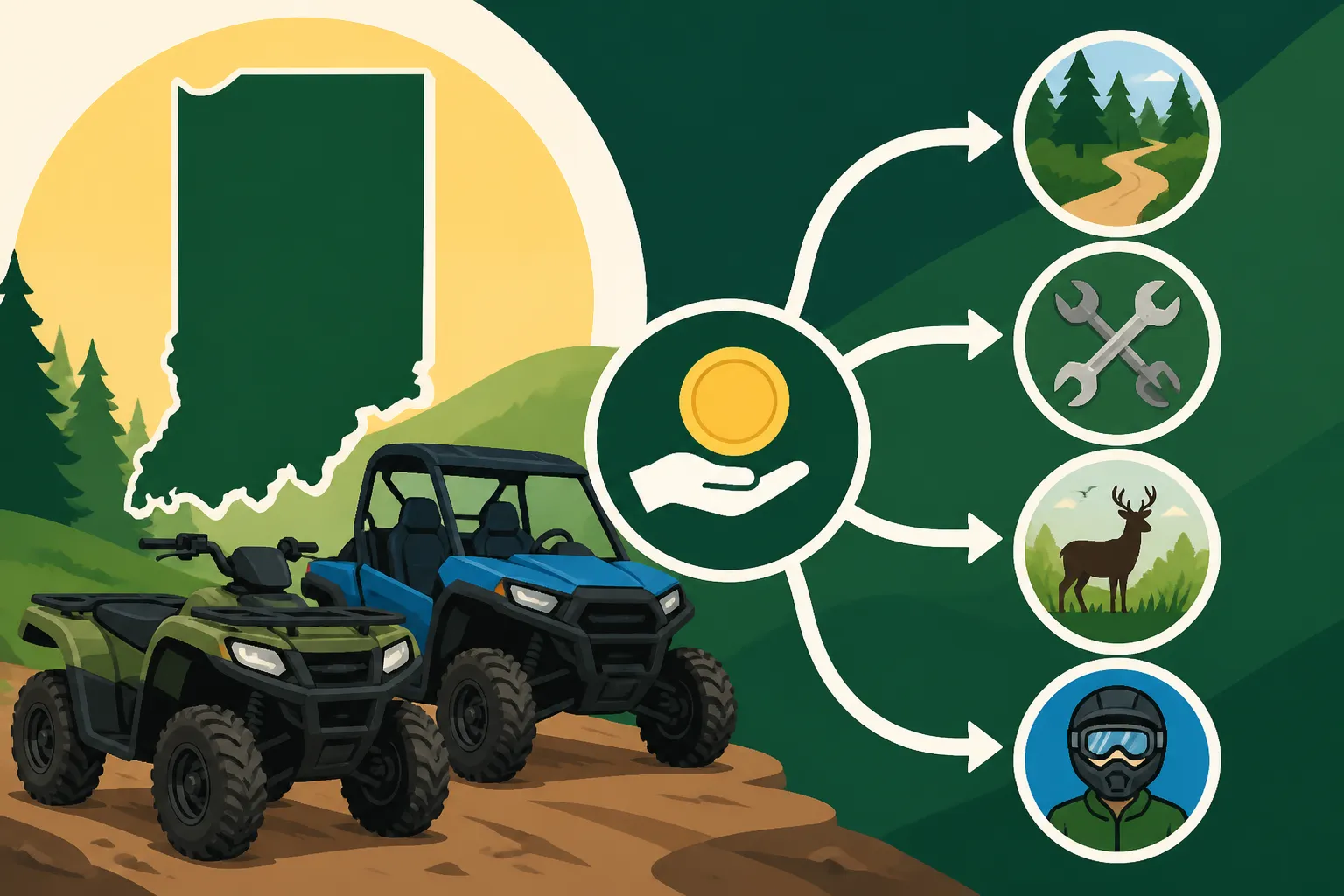
Once the money is in the ORV account, it’s not just sitting there. The Indiana Department of Natural Resources (DNR), in cooperation with other state agencies and advisory groups, then makes decisions on how to best allocate these funds. The distribution is strategic, aiming to cover a wide range of needs from direct trail maintenance to safety initiatives. It's a careful balancing act to ensure all aspects of the ORV experience are supported.
A portion might go towards direct operational costs, another to grant programs, and yet another to educational outreach. It’s a system designed to be responsive to the evolving needs of the ORV community, ensuring that your registration dollars are put to the most effective use. You might also want to read Where Indiana ORV Fees Go for more details on the breakdown.
| Fund Category | Typical Allocation Focus | Examples of Spending |
|---|---|---|
| State Trail Maintenance | Direct upkeep and improvement of DNR-managed ORV parks. | Trail grading, bridge repair, signage, erosion control, facility upgrades (restrooms, staging areas). |
| Local Grants | Financial assistance to counties, cities, or non-profit organizations for ORV projects. | Development of new local trails, ORV park expansions, land acquisition for riding, safety course development. |
| Safety & Education | Programs to promote safe riding practices, operator training, and public awareness. | Funding for ATV safety courses, educational materials, outreach events, enforcement of ORV laws. |
| Law Enforcement | Support for conservation officers and local law enforcement patrolling ORV areas. | Patrol equipment, officer training, increased presence at popular riding spots, investigation of incidents. |
| Administrative Costs | Essential overhead for managing the ORV program, decal production, and record keeping. | Staff salaries, office supplies, software, printing of registration materials and decals. |
| Environmental Protection | Initiatives to minimize environmental impact from ORV use and promote sustainable practices. | Habitat restoration, invasive species control, waste management at riding areas, erosion prevention studies. |
Supporting Indiana's Trail Systems
One of the most direct and tangible benefits of your ORV registration fees is the support it provides for Indiana's fantastic trail systems. Imagine a world where every trail was overgrown, riddled with potholes, or simply didn't exist. That's what could happen without dedicated funding for maintenance and development. Your fees are a lifeline, ensuring that the places you love to ride are not only maintained but also expanded and improved for everyone's enjoyment.
This investment isn't just about keeping trails open; it's about making them better. It's about ensuring they are safe, sustainable, and enjoyable for all skill levels. From the challenging terrain of former mine lands to scenic loops through state recreation areas, these trails require constant attention, and your registration dollars are directly fueling that effort.
Funding State-Managed ORV Areas
Indiana boasts some incredible state-managed ORV areas, such as the ever-popular Redbird Off-Road State Recreation Area and Interlake Off-Road State Recreation Area. These aren't just patches of land where you can ride; they are carefully managed parks with designated trails, staging areas, restrooms, and often camping facilities. Maintaining these complex environments takes a significant amount of resources, and a large chunk of your registration fees goes directly into their upkeep.
Think about the routine maintenance: clearing fallen trees, grading muddy sections, repairing bridges, and ensuring proper signage. Then there are the larger projects, like developing new trail loops, expanding parking areas, or improving erosion control. All these vital activities are supported by the ORV account. It’s comforting to know that when you pay for your [Indiana ORV Permit Cost], that money is directly contributing to the quality of your next ride at places like Redbird and Interlake. It helps create a sustainable environment for future generations of riders.
Grants for Local and Private Trails
While state parks are a huge draw, Indiana also recognizes the importance of local and private riding opportunities. The ORV account isn't just reserved for state-run facilities; it also provides grant funding to counties, cities, and even eligible non-profit organizations. This means that your registration dollars can help fund a new trail system at a local park, improve a community riding area, or support a private park that offers additional riding options.
This grant program is crucial for diversifying the riding landscape across the state. It allows smaller, community-focused projects to receive much-needed financial assistance, fostering local enthusiasm for off-roading. For a county looking to open some roads to ORV traffic, for example, funds could potentially be used for necessary signage or infrastructure improvements, though most road changes are regulatory. This broad funding approach helps ensure that off-roading opportunities are available and accessible across Indiana, not just in a few large state parks. [Trail Work Funded by Indiana Registrations] shows the breadth of the impact.
Promoting Safety and Education
Beyond just the physical trails, your ORV fees play a critical role in fostering a culture of safety and education within the Indiana off-roading community. The thrill of riding an ATV or UTV comes with inherent risks, and the state is committed to minimizing those risks through various programs. This isn't about restricting your fun; it's about ensuring everyone can enjoy the sport responsibly and return home safely after a day on the trails.
Many new riders, and even seasoned ones, can benefit from updated safety information or practical training. Your contribution helps provide these essential resources, making Indiana a safer place for all ORV enthusiasts. It's an investment not just in the trails, but in the riders themselves.
Investing in Rider Safety Programs
A portion of the ORV account funds is specifically allocated to develop and promote rider safety programs. This might include funding for hands-on ATV safety courses, which teach essential riding techniques, hazard awareness, and responsible operation. While Indiana doesn't mandate a safety course for all riders, these programs are invaluable, especially for youth and new adult riders.
These funds also support the creation and distribution of educational materials, public service announcements, and workshops aimed at raising awareness about safe riding practices, proper gear, and environmental stewardship. For instance, brochures on [Indiana Helmet Law for ORV Riders] or safe passing techniques might be developed and distributed with these funds. It's all about empowering riders with the knowledge and skills to make smart choices on the trail, reducing accidents and promoting a positive image of the off-roading community.
Law Enforcement and Public Information
Maintaining safety on the trails also requires a visible and effective law enforcement presence. Your registration fees help support the dedicated conservation officers and other law enforcement personnel who patrol ORV areas, ensuring compliance with state regulations and local ordinances. This support can cover training, equipment, and even operational costs for patrols. When you see a conservation officer on the trail, they're not just there to issue tickets; they're there to help keep everyone safe and preserve the riding environment.
Furthermore, funds are used for public information campaigns that explain ORV laws, regulations, and best practices. This includes everything from updated signage at trailheads to online resources that inform riders about new rules or important safety advisories. This outreach ensures that riders are well-informed, which is crucial for preventing unintentional violations and promoting a harmonious riding experience for all. Think about the importance of knowing [Indiana Fines for an Unregistered ORV] or where specific machines are permitted.
Other Beneficial Uses of ORV Funds
While trail maintenance and safety are arguably the most visible uses of your ORV fees, the dedicated account also supports a variety of other essential functions that keep the program running smoothly and adapt to future needs. It's a comprehensive approach that looks at the entire ecosystem of off-road vehicle recreation in Indiana, ensuring that every aspect is covered.
These less obvious, but equally crucial, expenditures are what prevent the program from grinding to a halt. They ensure that there's a structure in place to manage the funds, plan for the future, and address unforeseen challenges, ultimately protecting your ability to enjoy the trails for years to come.
Administrative Overhead and Operations
Like any large-scale program, managing the Indiana ORV program comes with administrative costs. Your registration fees contribute to the essential overhead required to run the program effectively. This includes everything from the salaries of the staff who manage the ORV account and oversee grant programs, to the operational costs of printing decals, sending out renewal notices, and maintaining databases. While not as glamorous as building a new trail, these administrative functions are the backbone of the entire system.
Without adequate funding for these operational aspects, the whole system would quickly become inefficient and unresponsive. Think of it as the grease that keeps the gears turning; it’s not the machine itself, but it’s absolutely vital for smooth operation. These costs ensure that when you apply for [Registering an ORV in Indiana] or need to replace a lost decal, the system is there to support you efficiently. Documents required for registration, such as a bill of sale, are critical, and services like LawDepot can help individuals create these necessary legal forms correctly, ensuring that the administrative process flows smoothly for both parties involved.
Research and Development for ORV Management
Another important, though often unseen, use of ORV funds is for research and development related to ORV management. This could involve studies on trail sustainability, environmental impact assessments, or exploring new technologies for trail building and maintenance. It's about looking forward and finding better, more efficient, and more environmentally friendly ways to manage ORV recreation in the state.
For example, research might be conducted on the best types of surfaces for trails in different geological areas, or how to mitigate erosion in particularly challenging spots. This forward-thinking approach ensures that Indiana's ORV program remains at the forefront of responsible recreation, adapting to new challenges and opportunities. It's an investment in the long-term health and vitality of the sport, ensuring that Indiana continues to offer outstanding riding experiences.
The Impact of Your Registration Dollars
Ultimately, the goal of understanding where your Indiana ORV fees go is to see the tangible impact they have on your ability to enjoy off-road riding. It's easy to feel disconnected from the bureaucratic process, but once you realize how directly your contributions affect the trails, the safety, and the overall future of the sport, that perspective often changes. Your payments are not just fees; they are investments in your passion.
Every time you hit the trails at Redbird or Interlake, or see a well-maintained local riding area, you are witnessing the direct results of these funds at work. It's a collective effort, and your part in it is significant.
Visible Improvements at Riding Areas
Perhaps the most satisfying impact of your ORV registration dollars is the visible improvements you see at riding areas. Think about the difference between a neglected, overgrown path and a well-maintained, clearly marked trail. Your fees contribute to that difference. From new bridges over challenging creek crossings to freshly graded gravel in parking lots, these are all tangible signs of your investment.
When you see new informational kiosks, clean restrooms, or improved staging areas at places like Redbird Off-Road State Recreation Area, you're looking at the direct result of the ORV account at work. These are the amenities that enhance your riding experience, make it more comfortable, and ensure that the parks remain inviting and functional for all visitors. The [Indiana ORV Decal Explained] on your machine is a symbol of this contribution.
Sustaining the Future of Indiana Off-Roading
Beyond immediate improvements, your ORV fees are fundamentally about sustaining the future of off-roading in Indiana. This includes everything from ensuring the long-term health of existing trails to exploring opportunities for new ones. It’s about cultivating a responsible riding culture through education and enforcement, safeguarding the sport for generations to come.
This long-term vision encompasses environmental protection, community engagement, and strategic planning for growth. By providing a stable funding source, the dedicated ORV account ensures that Indiana can continue to be a premier destination for off-road enthusiasts. When you complete paperwork like an ownership affidavit or a [Selling an ORV in Indiana] bill of sale, perhaps using a resource like LawDepot, and then the new owner registers, that new registration fee helps secure the future of the sport. It's a continuous cycle of support that benefits everyone who loves to ride.
Disclaimer
This article is for general informational purposes only and does not constitute professional advice. Laws, prices and regulations vary by location and change over time. Consult a qualified professional for guidance on your specific situation.