Indiana Registration and Insurance Proof
It's incredibly frustrating when you're ready to hit the trails or simply need to prove ownership of your off-road vehicle, only to realize you're unsure exactly what paperwork and decals you need to have on hand. Many Indiana ORV owners find themselves scratching their heads, wondering if their registration certificate is enough, or if they need to carry proof of insurance too. This guide will clarify all the ins and outs of registration and insurance proof for your ATV or UTV in Indiana, ensuring you're compliant and ready for your next adventure.
The Essentials: What Proof You Actually Need in Indiana
When it comes to off-road vehicles (ORVs) in Indiana, "proof" isn't a single item you flash at a gate. It's a combination of physical markers and documents that demonstrate your machine is legally allowed to operate where you're riding, and that you are its rightful owner. For most casual riders and owners, this means two primary forms of proof: a visible registration decal and a registration certificate. The conversation around insurance, however, often adds a layer of confusion, as it's not a blanket requirement across the state.
The Two Pillars of ORV Registration Proof
The core of proving your machine is registered in Indiana boils down to two things: a physical decal affixed to your ORV and a registration certificate you carry. The decal is your immediate, visual confirmation that your ORV is registered with the Indiana Bureau of Motor Vehicles (BMV). It's designed to be clearly visible and easily identifiable by law enforcement or park officials. This small sticker is your machine's ID tag when it's out in the wild.
Beyond the sticker, the registration certificate acts as the paper trail for your decal. This document contains crucial details like your name, address, a description of the ORV, and the registration number that matches your decal. Think of it as your ORV's driver's license – it proves who the vehicle belongs to and that it's legally recognized. Both of these elements work in tandem to confirm your compliance with state registration laws, which you must understand when you [Registering an ORV in Indiana].
Why Proof Matters Beyond the Trail
While having your registration proof handy is vital for riding on state trails like Redbird or Interlake, its importance extends far beyond the dirt. If you're involved in an accident, even on private property, or if your ORV is stolen, these documents are crucial for identification and insurance claims. Without proper proof, you could face significant delays and complications in recovering your vehicle or processing a claim.
Moreover, if you ever decide to sell your ORV, having all your registration documents in order will make the process smoother and instill confidence in potential buyers. It confirms legitimate ownership and ensures a seamless transfer. Conversely, if you're buying a used machine, verifying the seller has clear, current registration proof is a non-negotiable step to protect yourself from purchasing a stolen or improperly documented vehicle. This is why it’s so important to be diligent, whether you are [Buying a Used ORV in Indiana] or [Selling an ORV in Indiana].
Diving Deeper into Registration Proof: Decals and Certificates
Understanding the specific requirements for your Indiana ORV registration decal and certificate can prevent a lot of headaches down the road. It’s not just about having them, but also ensuring they are correct, current, and displayed or carried as mandated by state regulations.
The Indiana ORV Decal: Placement and Purpose
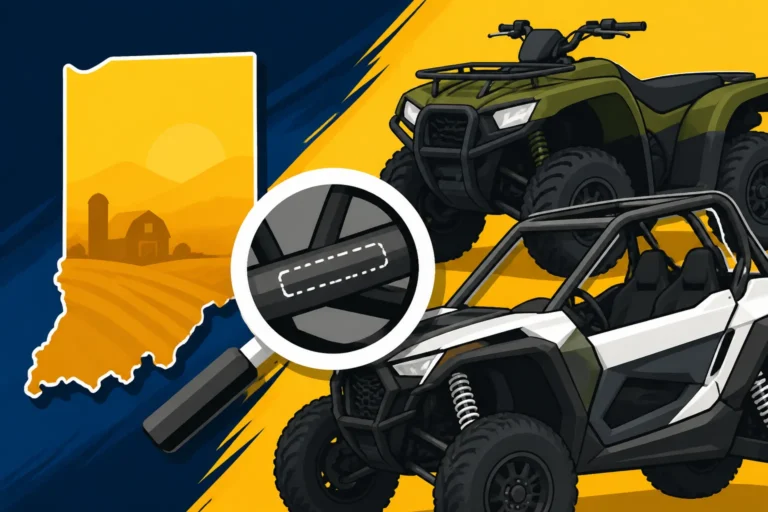
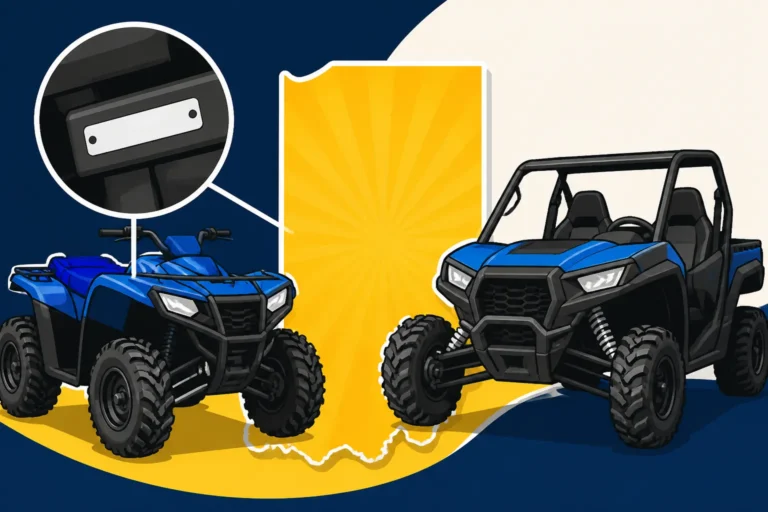
The Indiana ORV decal is more than just a sticker; it's a critical component of your machine's legal identity. Once you successfully register your ORV with the BMV, you'll receive this decal, which features a unique identification number and the expiration date of your registration. The state has specific rules about where this decal must be mounted on your ORV to ensure it's easily visible to officials. Typically, it needs to be placed on the forward half of the machine, in a prominent and unobstructed location, which you can learn more about by reading [Where the Indiana Decal Mounts].
Its primary purpose is immediate visual verification. Imagine a conservation officer performing a spot check at a trailhead. They aren't going to ask every rider to produce their paperwork immediately. Often, a quick glance at the decal confirms your machine is legally registered. Without it, or if it's improperly placed or obscured by mud, you could be flagged for an inspection, potentially leading to fines or delays in your riding plans. Always ensure your decal is clean, intact, and in its proper place before heading out.
The Registration Certificate: Your ORV's Paper Identity
While the decal is for public display, your registration certificate is the detailed proof of ownership and registration that you should carry with you whenever operating your ORV. This document is essentially the paper record mirroring the information on your decal, but with more comprehensive details. It's what an Indiana officer checks roadside if they stop you, verifying your identity as the owner and the legitimacy of the vehicle. It's the full story behind the decal.
This certificate is vital for more than just proving registration. Should you ever need to replace your decal, report your ORV stolen, or even discuss registration matters with the BMV, this document provides all the necessary reference numbers and details. Losing it can be a real hassle, necessitating a trip to the BMV for a duplicate and potentially delaying your ability to ride or conduct other transactions related to your ORV. Keeping it safe and dry is a smart move, perhaps in a waterproof bag in your riding gear or on the machine itself. For the exact documents needed, refer to [Indiana ORV Registration Paperwork].
The Nuance of Insurance: When It's Required and Why You Need It
The question of ORV insurance in Indiana often causes confusion. Unlike car insurance, which is mandatory for all road vehicles, ORV insurance isn't a statewide requirement for general operation. However, there are significant exceptions and strong recommendations that make carrying insurance proof a wise, if not necessary, practice for many riders.
Where Indiana Mandates ORV Insurance
While the State of Indiana doesn't broadly require ORV insurance for private land use or state trail riding, certain situations and locations absolutely do. The most common instance where insurance becomes mandatory is when a county has enacted its own ordinance allowing ORVs on specific public roads. For example, some counties, like Vanderburgh County, require riders to carry proof of insurance if they intend to operate their ORV on designated county roads. These local ordinances will typically specify minimum liability coverage amounts that must be met. Ignoring these local rules can lead to fines and legal trouble, so it's critical to check local regulations in any county where you plan to ride on public roads. Learn more about where you can ride by consulting [Indiana Counties That Allow ORVs on Roads].
Beyond county roads, if you ever rent an ORV, the rental company will almost certainly require you to have insurance, or they will provide it as part of the rental agreement, often at an additional cost. Similarly, some private off-road parks might require proof of insurance as a condition of entry, though this is less common than for county road use. The bottom line is, even if the state doesn't demand it for your specific type of riding, always verify if local jurisdictions or private entities you're interacting with do.
The Smart Choice: Why You Should Carry Insurance Anyway
Even when not legally mandated, carrying ORV insurance is a tremendously smart choice for any responsible rider. Accidents happen, and ORVs can cause significant damage or injury, whether you're riding on public land, private property, or even just around your own farm. Without insurance, you are personally liable for any damages or medical expenses resulting from an incident involving your ORV. This could lead to devastating financial consequences, from costly repairs to legal fees and medical bills that could easily reach tens or even hundreds of thousands of dollars.
Many standard auto insurance policies do not extend coverage to off-road vehicles, making a dedicated ORV policy essential. This type of policy can protect you from liability claims, cover damage to your own machine, and even provide medical payments for injuries sustained in an accident. Considering the potential costs, the peace of mind an ORV insurance policy provides is invaluable. It transforms a potentially ruinous accident into a manageable claim, allowing you to get back on the trails without financial worry. For more details on this, you can look into [Indiana ORV Insurance Requirement].
What Counts as Valid Proof for Registration and Insurance
Knowing what documents serve as valid proof is just as important as knowing what's required. There's a right way and a wrong way to present this information, and understanding the specifics will save you from potential issues.
Valid Registration Proof: The Physical Certificate
For registration, the definitive proof is the physical Indiana ORV registration certificate issued by the BMV. This isn't just a receipt from your license branch; it's the official document printed on secure paper, containing all the pertinent details about your ORV and its registration status. A photocopy might be accepted in some informal scenarios, but for an official stop or interaction with law enforcement, the original certificate is always preferred and sometimes explicitly required.
It's also crucial that the certificate is current and matches the ORV you are operating. An expired certificate or one for a different machine is essentially no proof at all and will be treated as if the ORV is unregistered. Always ensure the vehicle identification number (VIN) on your certificate matches the VIN on your ORV, and that the expiration date is still in the future. This attention to detail can prevent a straightforward interaction from becoming a problematic one.
Valid Insurance Proof: Cards, Declarations, and More
When it comes to proving ORV insurance, the accepted forms are quite similar to what you'd use for an automobile. An insurance ID card, typically provided by your insurer, is the most common and convenient form of proof. This card usually includes your policy number, effective dates, and the details of the insured vehicle. It’s compact and easy to carry, making it ideal for the trail.
Beyond the card, a copy of your insurance policy's declaration page, which outlines your coverage details, or even a digital copy displayed on your phone, might be accepted. However, it's always a good idea to confirm with local authorities or park rules if digital proof is sufficient, as some jurisdictions might prefer or require a physical document. When preparing for a private sale, a valid [An Indiana Bill of Sale for an ORV] can also act as temporary proof of purchase before you get the machine officially registered, especially if you use a reliable template from a service like LawDepot. No matter the format, ensure the proof clearly shows current coverage for the specific ORV you are operating and that it meets any minimum requirements set by local ordinances.
Carrying Your Proof: Best Practices for the Trail and Road
You've got all your documents in order—great! But having them isn't enough; you need to carry them safely and accessibly. There's a balance between protecting these important papers from the elements and making sure they're available when needed, especially when an Indiana officer checks roadside.
Protecting Your Documents from the Elements
Off-road riding exposes you and your gear to all kinds of conditions: dust, mud, water, and vibrations. Your paper documents, like your registration certificate and insurance card, are vulnerable to these elements. Carrying them loose in a pocket is a recipe for disaster. They'll get sweaty, torn, or completely illegible. The best practice is to store them in a waterproof, robust container.
Many riders opt for small, hard-shell waterproof cases or sturdy zip-lock bags. These can be tucked into a hydration pack, a secure storage compartment on your ORV, or even a watertight pocket in your riding jacket. The goal is to keep them dry, clean, and intact, ensuring they remain legible for years. Some riders even laminate copies, but always keep the original secure in a more protected location, as some officials may require the non-laminated original. This approach also applies to any ownership affidavits or special identification numbers you might have for unique machines, or a temporary bill of sale from LawDepot after a private purchase.
Accessibility on the Go
While protecting your documents is important, they also need to be reasonably accessible. Fumbling through a dozen pockets or digging into a deeply packed tool bag to find your registration when asked can be frustrating for both you and the official. Aim for a location that is secure but can be accessed without having to unload your entire machine.
A small, dedicated pouch within your riding jacket, a zippered pocket on a tank bag, or a glove box on a UTV are all excellent choices. You want to be able to retrieve them quickly and efficiently when requested. Remember, the decal is for visual confirmation, but the certificate is for official verification. Make sure both are ready for inspection when you're out enjoying the Indiana trails or crossing those designated county roads. For more info on what an officer will look for, check out [What an Indiana Officer Checks Roadside].
Consequences of Riding Without Proper Proof in Indiana
Ignoring the requirements for ORV registration and insurance proof in Indiana can lead to a host of unpleasant consequences. From minor inconveniences to significant financial penalties and legal entanglements, riding without your papers can quickly ruin a fun day out.
Fines and Penalties for Unregistered ORVs
Operating an unregistered ORV in Indiana is a violation of state law. If you are caught riding without a current, visible registration decal or cannot produce your registration certificate when requested, you could face fines and other penalties. These fines can vary depending on the specific circumstances, such as whether it's a first offense or if you're on public versus private land without permission. However, it's safe to say that the cost of a fine will almost certainly exceed the cost of simply registering your ORV in the first place, which you can check by looking at [Indiana ORV Registration Cost].
In addition to financial penalties, an unregistered ORV could potentially be impounded, leading to additional towing and storage fees. This isn't just a minor inconvenience; it can mean a lengthy process to retrieve your machine, possibly involving proof of ownership and payment of all outstanding fees and fines. It's a hassle no rider wants to deal with, and it's entirely avoidable by ensuring your ORV is properly registered and you have your proof on hand. Don't be caught out, especially since [Indiana Fines for an Unregistered ORV] can be quite steep.
Implications of Riding Without Insurance (Where Required)
If you're riding in an area where ORV insurance is mandated—such as on designated county roads—and you're caught without proof of valid coverage, the consequences can be even more severe. Beyond fines, you could face suspension of your driving privileges (even if you're operating an ORV and not a car), or your ORV could be impounded. The legal repercussions for operating a motor vehicle without required insurance are serious and extend beyond a simple traffic ticket.
Furthermore, consider the scenario of an accident. If you cause damage to property or injury to another person while operating without the required insurance, you could be personally sued for all damages. This means your personal assets, savings, and future earnings could be at risk. The financial burden of an uninsured accident can be catastrophic. Even if you're not legally required to have insurance, the peace of mind and financial protection it offers are compelling reasons to secure a policy. Just as you wouldn't drive a car on the highway without insurance, you should seriously consider the risks of riding an ORV without it, especially when local ordinances require it. This is why it’s never a good idea to be [Riding Without Your Registration Certificate in Your Pocket].
Ownership Disputes and Legal Hurdles
Beyond active fines, neglecting proper registration proof can create significant legal hurdles in ownership disputes. If your ORV is stolen and later recovered, clear and current registration is essential to prove it's yours. Without it, the recovery process becomes much more complicated. Similarly, if you purchased your ORV in a private sale and the previous owner never properly transferred the title or registration, you could inherit a tangled mess. This is why a solid paper trail, including a properly executed bill of sale (perhaps from a reputable source like LawDepot), is so critical for private transactions.
Whether you're dealing with a lost or stolen machine, or trying to prove you are the rightful owner after a purchase that lacked proper documentation, having official BMV records tied to your name and machine's VIN simplifies everything. Think of your registration and title as the definitive legal proof of your claim to the vehicle. Without them, you're opening yourself up to potential headaches and legal battles that can be both time-consuming and expensive. This makes understanding [Indiana ORV Title Requirements] incredibly important for any owner.
Disclaimer
This article is for general informational purposes only and does not constitute professional advice. Laws, prices and regulations vary by location and change over time. Consult a qualified professional for guidance on your specific situation.