Why the BMV and Not the DNR in Indiana
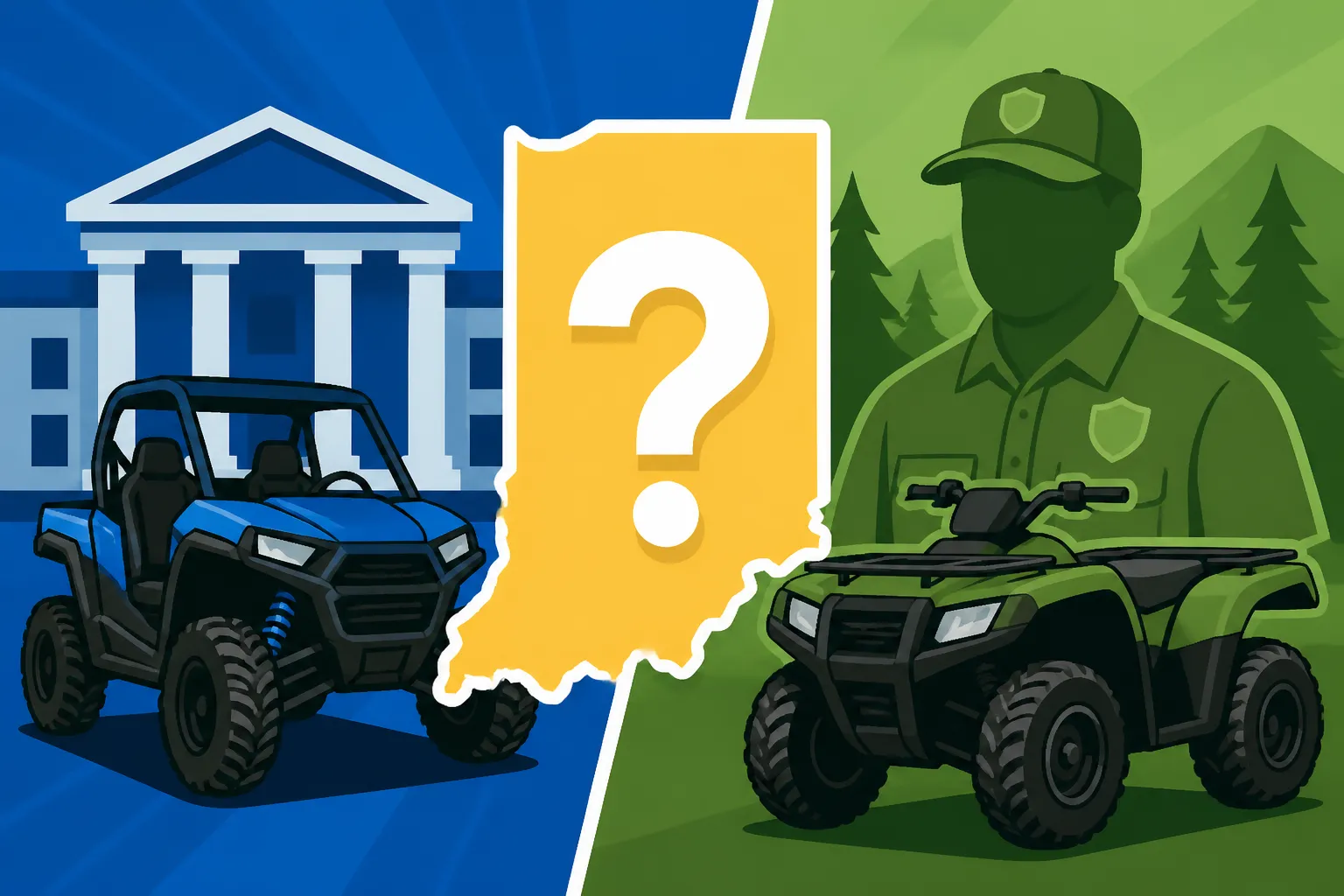
It’s a common head-scratcher for anyone new to the off-road vehicle world in the Hoosier State: why do I register and title my ATV or UTV with the Indiana Bureau of Motor Vehicles (BMV), the same place I get my car tags, instead of the Department of Natural Resources (DNR), which manages our state parks and trails? This guide aims to clear up that confusion, explaining the distinct roles these two vital state agencies play in keeping our off-road adventures legal and our trails maintained.
The Core Question: BMV vs. DNR
When you're passionate about the outdoors and spend your weekends hitting the trails at Redbird or Interlake, it feels incredibly natural to assume the DNR would be your one-stop shop for everything related to your off-road machine. After all, they manage the land, they enforce the rules on the trails, and they’re often the face of outdoor recreation in Indiana. So, why the BMV? It’s a question that can lead to frustration and unnecessary trips if you don't know the system.
Why the Confusion is Understandable
Let’s be honest, it makes a lot of sense to think the DNR would handle ATV and UTV registrations. They're the agency responsible for state parks, fish and wildlife areas, hunting and fishing licenses, and all sorts of permits for outdoor activities. When you need a boat registration, for instance, you interact with DNR. So, it's a completely logical leap to assume that an off-road vehicle, primarily used for recreation in natural settings, would fall under their purview as well. Many states do have their DNR or equivalent handle these things. This is why when you first look into it and find yourself pointed to the BMV, it can feel like you’ve hit a bureaucratic wall or that Indiana just does things differently for no good reason. It’s frustrating when the path isn't obvious, especially when you’re just trying to be a responsible rider.
Different Roles, Different Jurisdictions
The core of the matter lies in the fundamental differences between the missions and statutory responsibilities of the Indiana BMV and the Indiana DNR. While both are state agencies, their mandates are quite distinct, and this separation dictates which one handles your ORV paperwork.
The Indiana Bureau of Motor Vehicles (BMV) is primarily responsible for motor vehicle-related services. This includes issuing driver's licenses, vehicle registrations, and titles for cars, trucks, motorcycles, and, yes, off-road vehicles. Their primary focus is on identification, proof of ownership, and the collection of taxes and fees associated with vehicle transactions. They are the record-keepers for vehicle ownership and ensure that vehicles operated in the state meet basic legal requirements for identification.
The Indiana Department of Natural Resources (DNR), on the other hand, is tasked with the conservation, preservation, and management of Indiana's natural and cultural resources. This encompasses everything from managing state parks, forests, and reservoirs to regulating hunting, fishing, and trapping. When it comes to ORVs, the DNR's role is focused on the use of these vehicles on public lands—creating and maintaining trails, enforcing safety regulations within those areas, and protecting the environment. They don't typically handle ownership documents for vehicles themselves, but rather manage the permits and rules for activities on lands they oversee.
Think of it this way: the BMV is concerned with what you own and its legal status, while the DNR is concerned with where and how you use that ownership. This distinction, while sometimes confusing for citizens, is critical to how the state divides its administrative responsibilities.
The BMV's Mandate: Tracking Ownership and Revenue
At its heart, the BMV is the state's central repository for vehicle ownership information. This role extends beyond just cars on public roads; it encompasses any vehicle that the state deems necessary to track for legal and financial purposes, including ATVs and UTVs. This approach streamlines vehicle tracking under one agency, making it easier for law enforcement and ensuring consistent record-keeping.
Establishing Clear Ownership
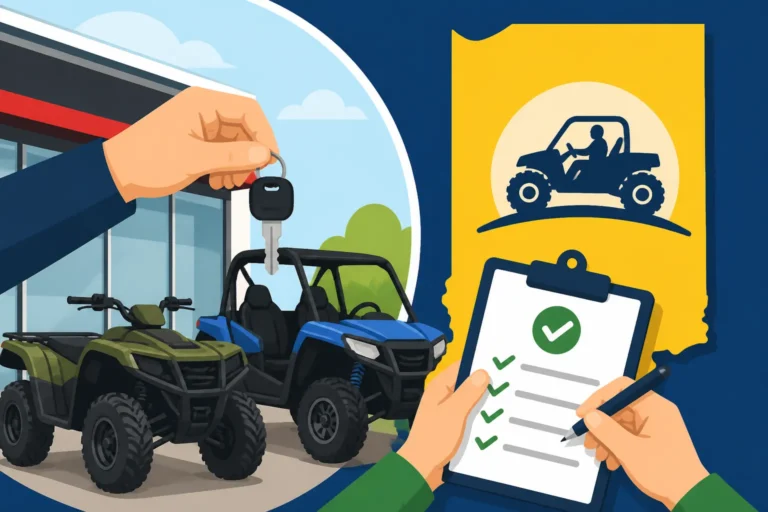
One of the most crucial functions of the BMV, and a primary reason why they handle ORV titling, is to establish clear and undeniable ownership. Without a title, proving you own your ATV or UTV can be incredibly difficult, especially in cases of theft or resale. The title acts as the legal document that explicitly states who the owner is, providing a clear chain of custody from manufacturer to successive owners. This is vital for protecting both buyers and sellers. When you're buying a used machine, checking the title is often the first step to ensuring you're not purchasing a stolen vehicle. The BMV also collects sales tax on these transactions, ensuring that the state receives its due revenue. For many Hoosiers, understanding [Titling an ORV in Indiana] is a crucial step in responsible ownership, and the BMV is the gatekeeper of this process. This also helps deter illicit sales, as a title provides a paper trail that is hard to fake. LawDepot can be a useful resource if you need to create a verifiable bill of sale to accompany a title transfer, ensuring all parties have proper documentation.
Generating and Allocating Funds
The fees collected through ORV registration by the BMV are not just generic state revenue. A significant portion of these funds is specifically earmarked for the development, maintenance, and operation of ORV riding areas and trails throughout Indiana. This means that when you pay your registration fee, you're directly contributing to the trails you love to ride. The BMV acts as the collection agency, channeling these funds into a dedicated account that the DNR then utilizes for trail projects. This system ensures that the recreational use of ORVs helps fund the infrastructure necessary to support that recreation. Without this centralized collection point, it would be much harder to ensure a consistent and dedicated funding stream for off-road trails. Understanding [Where Indiana ORV Fees Go] helps riders see the direct impact of their registration dollars. This financial mechanism helps sustain the very places we ride and supports the DNR's efforts to provide safe and enjoyable off-road experiences.
Ensuring Accountability and Identification
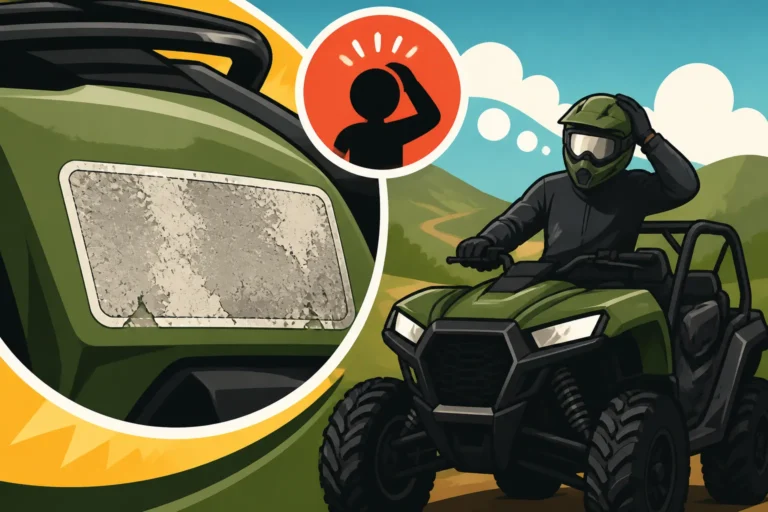
Beyond ownership and funding, the BMV’s role in ORV registration and titling is critical for accountability and identification. Every registered ORV receives a unique registration number and decal. This decal, displayed prominently on your machine, serves as quick visual proof that your vehicle is legally registered in Indiana. In the event of an accident, a law enforcement stop, or even just needing to identify a machine on the trail, these numbers are invaluable. They allow authorities to quickly ascertain the owner’s information, aiding in everything from accident investigation to theft recovery. This system helps ensure that all machines operating in the state can be traced back to a responsible party, promoting safer riding habits and discouraging illegal activity. It’s part of a broader public safety framework, making sure that even off-road vehicles are part of the state’s regulated identification system.
The DNR's Focus: Land Use and Trail Management
While the BMV handles the administrative side of ORV ownership, the Indiana DNR focuses on the practical aspects of riding: where you can ride, how you should ride, and the condition of the trails themselves. This division ensures that each agency can specialize in its core competency.
Managing State Properties and Regulations
The Indiana DNR is the primary steward of the state's natural resources and public lands. This includes overseeing the operations and regulations of state-managed ORV areas like Redbird Off-Road State Recreation Area and Interlake Off-Road State Recreation Area. Their responsibility involves setting rules for vehicle types, operating hours, safety requirements, and environmental protection within these designated riding zones. They publish the maps, mark the trails, and have staff on site to ensure compliance. When you enter an ORV park, it's DNR personnel who check your permits and ensure you're following the park's specific guidelines. They are also responsible for assessing the environmental impact of ORV use and implementing strategies to mitigate any negative effects, ensuring these areas remain viable for recreation for years to come. Their work ensures that riders have designated, safe, and sustainable places to enjoy their machines.
Trail Development and Safety
A huge part of the DNR's role, directly benefiting from those BMV-collected fees, is the actual development and maintenance of ORV trails. This involves everything from designing new trail systems to repairing erosion, clearing fallen trees, and posting signage. Their teams work tirelessly to ensure trails are safe, well-marked, and suitable for a variety of rider skill levels. The funds collected by the BMV are crucial for this work, allowing the DNR to invest in specialized equipment, hire personnel, and purchase materials needed for trail upkeep. They might also conduct safety audits and implement new features to reduce hazards. This ensures that the riding experience is not only enjoyable but also as safe as possible. Their expertise in land management allows them to create and maintain robust trail networks, which is a complex task requiring specialized knowledge of terrain, ecology, and recreational use.
Promoting Responsible Riding
Beyond the physical trails, the DNR also plays a significant role in promoting responsible and ethical ORV riding. This includes educational outreach, encouraging adherence to safety regulations, and fostering a sense of stewardship among riders for the natural environment. While they don't issue licenses or titles, they are heavily involved in disseminating information about safe riding practices, minimizing environmental impact, and respecting private property. They work to prevent issues like illegal trespassing and irresponsible riding that can damage natural habitats or disturb local communities. This advocacy for responsible riding is critical for the long-term sustainability of the sport in Indiana, ensuring that ORV enthusiasts can continue to enjoy the trails while being good environmental citizens. Their educational programs often highlight the importance of staying on marked trails and understanding the local ecosystem.
A Collaborative, Not Conflicting, System
It might seem like a bureaucratic tangle, but the separation of duties between the BMV and the DNR is actually designed to create a more efficient and accountable system. Each agency focuses on what it does best, leading to better outcomes for ORV owners and the state's natural resources. It’s not about conflict, but about cooperation, even if the user experience means interacting with two different departments.
How the Agencies Work Together
Despite having distinct responsibilities, the BMV and the DNR are connected by a shared goal: supporting responsible ORV recreation in Indiana. The primary connection is financial. As mentioned, the BMV collects registration fees, which are then channeled to the DNR for trail programs. This direct funding mechanism is critical. The BMV provides the centralized collection point, while the DNR provides the expertise in how to best utilize those funds for trail development and maintenance. While there might not be daily direct communication about every single registration, the system ensures that the funds generated by ORV ownership are directed to benefit the ORV community. This collaboration allows the DNR to focus entirely on land management and trail initiatives without having to build and maintain a separate vehicle registration system.
The Importance of Both a Title/Registration and a Trail Permit
For many ORV riders in Indiana, navigating this two-agency system means understanding that there are two distinct requirements to be fully compliant:
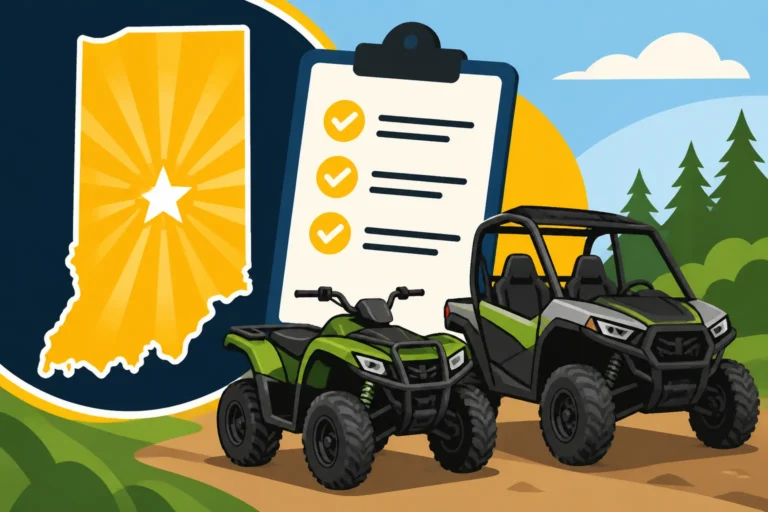
- BMV Title and Registration: This is about the machine itself—proving ownership, paying sales tax, and getting your official state identification decal. This is mandatory for almost all ATVs and UTVs purchased or used in Indiana, regardless of where you intend to ride them. You can learn more about [Indiana ORV Registration Cost] and [Indiana ORV Title Cost].
- DNR Trail Permit: This is about where you ride. If you plan to ride on designated state ORV properties like Redbird or Interlake, you'll need a separate trail permit issued by the DNR. This permit ensures you have permission to access those specific trails and contributes directly to their upkeep. An [Indiana ORV Trail Permit Cost] is separate from registration fees.
It’s crucial to have both if you plan to hit the state trails. Think of it like this: your car has a title and registration (BMV), and if you want to visit a state park, you need to pay an entrance fee or have a state park pass (DNR). The ORV system works similarly. It ensures that the machine is legally owned and identifiable, and that the rider has permission and contributes to the specific riding area they are using. Understanding [Indiana ORV Permits Explained] can help clarify these two layers of requirements for riding on public land.
What This Means for Indiana Riders
Navigating state regulations can feel like a maze, but understanding why the system is set up the way it is can make the process much smoother. For Indiana ORV riders, this dual-agency approach means a few key responsibilities and considerations.
Your Responsibilities as an ORV Owner
As an ORV owner in Indiana, your primary responsibility regarding registration and titling lies with the BMV. This means you need to:
- Title Your Machine: If your ATV or UTV was purchased new after December 31, 2009, or if it's changing ownership, it needs to be titled. This establishes you as the legal owner. You’ll need to ensure you have the correct documentation, such as a bill of sale or previous title, to complete this process. [Indiana ORV Title Requirements] can be extensive, so it's best to gather all necessary documents beforehand. LawDepot can be helpful for generating a legally sound bill of sale if you're buying privately, which is crucial for the titling process.
- Register Your Machine: Once titled, or if it's an older machine exempt from titling, you must register your ORV with the BMV every three years. This involves paying the registration fee and obtaining your official decal. This is how the state ensures your machine is identified and contributes to the ORV fund. Keep an eye on the expiration date to avoid riding on an expired decal. You can find details on [Registering an ORV in Indiana] and [Renewing an Indiana ORV Registration].
- Carry Proof: Always carry your registration certificate when operating your ORV. Law enforcement may ask for it.
Failing to adhere to these BMV requirements can lead to fines and other legal issues, so it’s important to prioritize these administrative steps before heading out to the trails.
Navigating the System Efficiently
To make the process of titling and registering your ORV as seamless as possible, here are some tips:
- Gather Your Paperwork First: Before visiting a BMV branch or attempting an online renewal, ensure you have all required documents. This includes your existing title (if applicable), bill of sale, proof of identity, and payment for fees. A checklist for [Indiana ORV Registration Paperwork] is invaluable. If you're buying privately, ensure the bill of sale is complete and accurate; resources like LawDepot can assist in creating a comprehensive document.
- Check Deadlines: Indiana has specific deadlines for titling (e.g., 45 days after purchase) to avoid penalties. Be aware of these to prevent extra fees. [Indiana's Forty-Five Day Titling Deadline] is important to remember.
- Utilize Online Services: Many registration renewals can be done online through the BMV website, saving you a trip to a branch.
- Know Where to Go: While much can be done online, initial titling or complex situations often require a visit to an Indiana BMV branch. Find [Where to Register an ORV in Indiana] nearest you.
- Understand Dual Requirements: Remember that a BMV registration and decal are distinct from a DNR trail permit. If you plan to ride at a state ORV area, you’ll need both.
By being prepared and understanding the steps involved, you can minimize hassle and get to what you really want to do: ride your ORV.
Why Staying Compliant is Crucial
Ignoring the BMV's requirements for titling and registration can lead to some unwelcome consequences. Operating an unregistered or untitled ORV can result in fines and legal penalties. Conservation officers and local law enforcement can issue citations for non-compliance, which can quickly add up. Understanding [Indiana Fines for an Unregistered ORV] can be a stark reminder of why it's important to stay on the right side of the law. Beyond the financial penalties, not having proper documentation can also complicate matters if your machine is stolen or involved in an accident. Proving ownership or having your machine returned without a title can be a bureaucratic nightmare. By taking the time to properly title and register your ATV or UTV with the BMV, you're not just fulfilling a legal obligation; you're protecting your investment and ensuring you can enjoy your off-road adventures without unnecessary stress. It’s a small administrative step that makes a huge difference in your overall peace of mind and enjoyment of the sport.
Disclaimer
This article is for general informational purposes only and does not constitute professional advice. Laws, prices and regulations vary by location and change over time. Consult a qualified professional for guidance on your specific situation.