When Your Decal Number Fades Past Reading
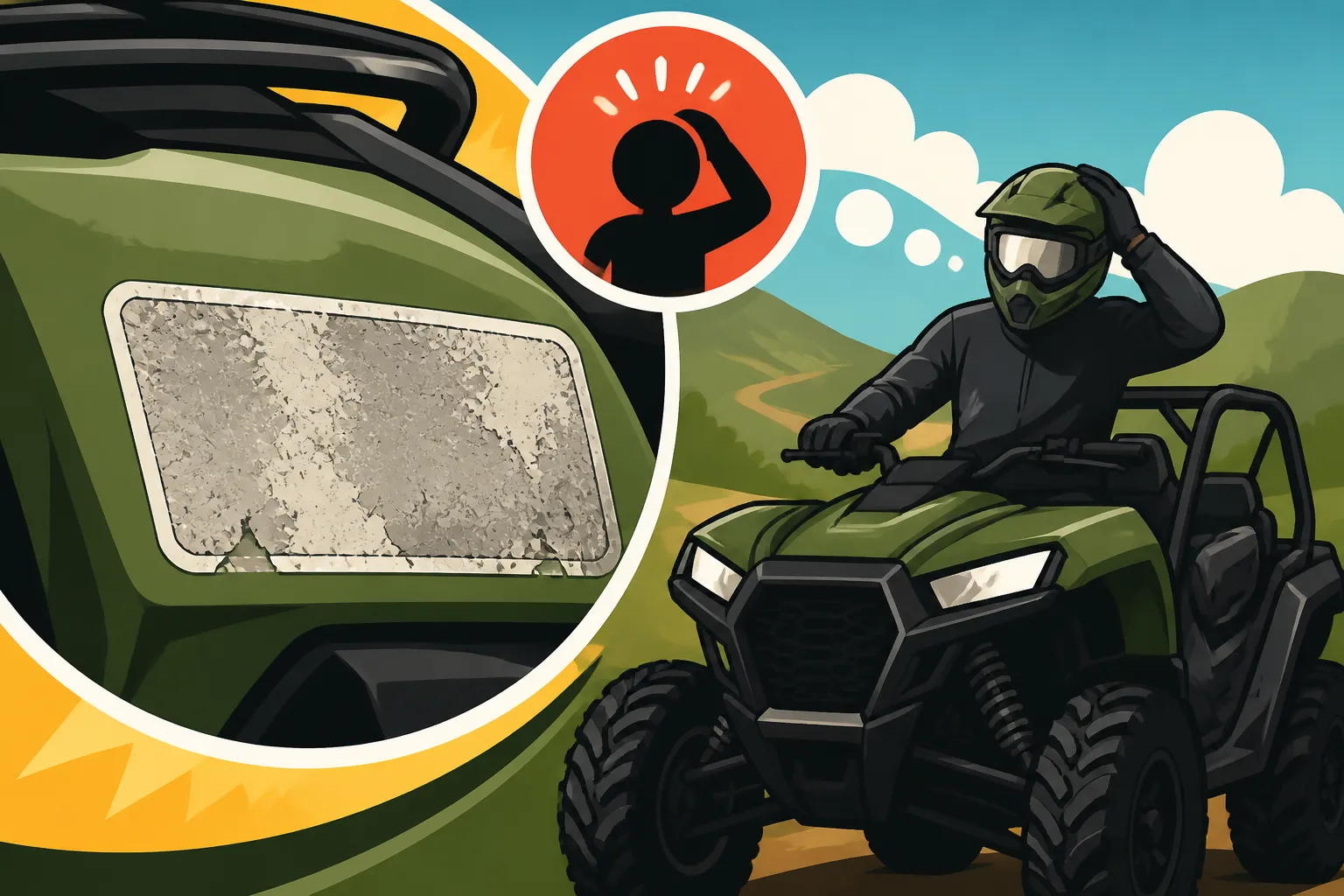
You're geared up, trailer hitched, ready for a fantastic weekend ripping through the trails at Redbird or Interlake, only to stop short when you glance at your ATV's frame. The critical Indiana ORV decal, your proof of registration, has faded into an unreadable ghost. It’s incredibly frustrating to have your plans stalled by something as simple as a sun-bleached sticker, but an illegible decal can definitely put you in a tough spot with local law enforcement or park rangers. This guide will walk you through exactly why your decal matters, what causes it to fade, and the step-by-step process to get a replacement, ensuring your next ride isn't sidelined by bad luck.
Why Your ORV Decal Matters in Indiana
Your Indiana ORV decal isn't just a sticker; it's tangible proof that your machine is legally registered with the state, confirming you've paid the necessary fees and are compliant with Indiana law. Think of it as your ORV's license plate. When you go through the process of [Registering an ORV in Indiana], the Bureau of Motor Vehicles (BMV) issues this decal, which then needs to be prominently displayed on your machine. Without a clear, readable decal, it's essentially the same as not having a registration at all, and that can lead to some real headaches and potential penalties.
The decal itself contains crucial information, including the year of expiration and a unique registration number specific to your ORV. This number is how authorities quickly verify your machine's legitimacy in the state system. When a conservation officer or park ranger performs a roadside stop, or even just observes you riding, one of the first things they'll look for is that current, readable decal. If they can't make out the numbers or the expiration year, they have every right to question your compliance. This could lead to citations, especially if they suspect you're riding an unregistered machine. You could be facing [Indiana Fines for an Unregistered ORV], which is a cost nobody wants to incur simply because a sticker deteriorated.
Beyond avoiding fines, having a valid and visible decal is a matter of responsible ORV ownership. It demonstrates that you're playing by the rules and contributing to the upkeep of the state's ORV programs and trails. The fees collected from registration go towards maintaining places like Redbird Off-Road State Recreation Area and Interlake Off-Road State Recreation Area, making sure there are safe and enjoyable places for everyone to ride. When your decal fades, it disrupts this system and makes it harder for officials to do their job, potentially leading to unnecessary delays for you on the trail. So, while it seems like a minor detail, the decal is a significant component of legal and responsible ORV operation in Indiana.
The Lifespan of an Indiana ORV Decal
Ideally, your Indiana ORV decal should last for the entire registration period, which is typically [Indiana's Three-Year ORV Registration]. The BMV designs these decals to be durable and weather-resistant, able to withstand the elements that off-road vehicles are naturally exposed to. However, "ideally" doesn't always translate to "reality" when you're out there tackling mud, sun, and abrasive terrain. While the decal is meant to endure, its physical location on your machine—often exposed to the harshest conditions—can significantly impact its longevity.
Over time, various factors conspire against the decal's integrity, leading to peeling, cracking, and, most commonly for our topic, fading. It’s disheartening to see the numbers slowly disappear, knowing that you’re still legally registered but visually, you’re not compliant. Understanding why these decals degrade can help you take better care of your next one, but for now, the focus is on addressing the current problem of an unreadable decal. The three-year span of your [How Long an Indiana ORV Registration Lasts] is a long time for a sticker to hold up against the rigors of off-road life, making premature fading a relatively common issue for many riders.
Environmental Factors Affecting Decal Longevity
Indiana's weather can be quite unforgiving, and your ORV decal bears the brunt of it. One of the primary culprits behind fading is prolonged exposure to direct sunlight and its harsh ultraviolet (UV) rays. Just like paint on a vehicle, the colors and inks in your decal can break down and bleach out when subjected to intense sun day after day, especially if your machine is frequently parked outdoors without cover. This is particularly true during Indiana's long, sunny summers.
Beyond the sun, extreme temperature fluctuations—from freezing winter mornings to scorching summer afternoons—can stress the adhesive and the material of the decal, leading to cracking or peeling edges. Precipitation, whether it's heavy rain, sleet, or snow, also contributes to wear and tear. While decals are designed to be waterproof, constant moisture can still degrade the outer protective layers, making the underlying print more susceptible to fading from other environmental stressors. The chemical makeup of mud, dust, and even certain cleaning agents can also accelerate this process. If you often find your machine coated in the clay-heavy mud found at many Indiana riding spots, and then blast it off with strong detergents, you might inadvertently be stripping away the decal's protective qualities.
Common Wear and Tear Scenarios
It's not just the elements; the very act of riding an ORV contributes to the decal's demise. The placement of the decal, typically on the frame or a fender in [The Forward Half of an Indiana Machine], puts it right in the line of fire for physical abrasion. Think about all the times your boots rub against the frame as you mount or dismount, or when branches whip past as you navigate tight trails. These constant, minor scrapes and rubs can physically wear away the printed surface of the decal, making the numbers less clear over time.
Pressure washing, while essential for keeping your machine clean after a muddy ride, can also be a major contributor to decal damage if not done carefully. Directing a high-pressure stream too closely at the decal can cause the edges to lift or even blast away the printed layer, especially if the decal is already compromised by sun exposure or minor nicks. Even seemingly innocuous actions, like repeatedly wiping the area with a coarse rag during cleaning, can contribute to the gradual wearing away of the decal's surface. It's a cumulative effect—a little bit of sun, a little bit of mud, a little bit of rubbing, and before you know it, your once-crisp registration number is a blur. This is why it's so important to perform periodic checks, as knowing [Reading an Indiana Decal Number] becomes impossible when it's totally gone.
Steps to Take When Your Decal Fades Past Reading
Discovering your ORV decal has faded past readability can be a real bummer, but thankfully, it's a problem with a clear solution. The key is to act promptly to avoid any potential issues while riding. The Indiana BMV has a process in place for replacing damaged or lost decals, and understanding these steps will make the experience as smooth as possible. Don't put off addressing this, as riding with an unreadable decal could lead to fines or other complications with law enforcement.
Assessing the Damage: When is "Faded" Too Faded?
Before you embark on the replacement process, it's wise to make an honest assessment of your decal. Sometimes a decal might look a little worn, but the critical information—the expiration year and the unique registration number—is still clearly legible upon closer inspection. In such cases, you might be able to get by. However, if any part of that vital information is obscured, blurred, or completely gone, then it's time for a replacement.
Imagine a conservation officer pulling you over. Can they, at a glance, confirm the decal's validity? If they have to squint, angle their head, or even touch the decal to try and decipher it, it’s probably "too faded." The purpose of the decal is quick identification, and if it fails that basic test, it needs to be replaced. Take a photo of the decal in question. If you can't easily read it from a reasonable distance in good light, neither will an officer. It's better to be proactive and replace it rather than risk getting a ticket because an officer couldn't verify your registration. You don't want to be caught in a situation where you're asked for proof of registration and cannot provide it because your decal is indecipherable, making it seem as though you're [Riding Redbird on an Expired Decal] or worse, an unregistered machine.
Gathering Necessary Information for Replacement
When it comes to replacing a faded decal, the BMV needs to verify that you are the legitimate owner of the ORV and that it was previously registered. The good news is that much of the information they need will be on your existing registration certificate. You'll typically need your current ORV registration certificate, which contains your ORV's vehicle identification number (VIN), your personal details, and the existing registration number. If you don't have your physical registration certificate, don't panic. You may still be able to proceed by providing your ORV's VIN and proof of ownership.
Proof of ownership usually comes in the form of a title, if your machine is titled, or a bill of sale. For machines purchased after 2009, an Indiana title is typically required. For older machines or those exempt from titling, a comprehensive bill of sale is crucial. If your original bill of sale is lost or incomplete, you might need to create an ownership affidavit or a new bill of sale if you're transferring ownership to get things in order. Resources like LawDepot offer templates for various legal documents, including bills of sale and affidavits, which can be helpful if you need to formalize any aspect of your ORV's ownership documentation to support your replacement decal application. Having all your paperwork in order, even a digital copy of your [Indiana ORV Registration Paperwork], will expedite the process significantly.
The Replacement Process Through the Indiana BMV
Once you've assessed the damage and gathered your documents, the next step is to apply for a replacement decal through the Indiana BMV. This process is very similar to obtaining a replacement for a lost decal. You will need to visit an Indiana BMV branch in person to complete the transaction. While some transactions can be done online, replacing a physical decal often requires an in-person visit to ensure proper verification and issuance.
At the BMV branch, you'll fill out an application for a duplicate or replacement ORV registration. You’ll need to provide your ORV's VIN, your current registration information, and likely your driver's license for identification. Be prepared to explain that the decal is faded and unreadable, rather than simply lost. There will be a nominal fee for the replacement decal, which you'll pay at the branch. After completing the application and paying the fee, the BMV will process your request. You generally won't walk out with a new decal that very day. Instead, it will be mailed to you. The typical wait time for a new decal to arrive in the mail is usually around [How Long an Indiana Decal Takes to Arrive], so plan accordingly and don't expect to ride the trails the very next day. In the interim, keeping a copy of your replacement application and receipt with you while riding can serve as temporary proof, though it's always best to have the actual decal affixed. This whole process is essentially the same as [Replacing a Lost Indiana ORV Decal].
| Required Document | Purpose | Notes |
|---|---|---|
| Current ORV Registration Cert. | Primary proof of active registration and ownership. | Contains VIN, owner info, and registration number. |
| ORV Title (if applicable) | Confirms legal ownership for machines bought after 2009. | Essential if registration cert. is also missing. |
| Bill of Sale (if no title) | Proof of purchase and ownership for older or title-exempt machines. | Can be drafted using templates from services like LawDepot. |
| Photo of Faded Decal | Visual evidence of the decal's condition. (Optional but helpful) | Helps BMV staff understand the need for replacement. |
| Indiana Driver's License/ID | For owner identification and verification. | Must match the name on the registration/ownership documents. |
Preventing Future Decal Fading
Once you have that fresh, crisp replacement decal in hand, you'll naturally want to do everything you can to prevent it from fading again. While some wear and tear are inevitable with an ORV, there are definitely proactive steps you can take to extend the life and readability of your decal for the entire [Indiana's Three-Year ORV Registration] period. A little bit of care and attention can save you the hassle and expense of getting another replacement down the road.
Proper Placement and Application
The initial placement of your decal is more important than you might think. The Indiana BMV specifies that the decal must be mounted on the "forward half" of the machine, typically on the frame, a non-removable component of the body, or a front fender. The most crucial aspect is visibility; it needs to be easily seen and read from a reasonable distance. When applying a new decal, ensure the surface is thoroughly clean, dry, and free of any grease, dirt, or old adhesive residue. Using rubbing alcohol to clean the area before application can create a better bond.
Applying the decal smoothly, without any bubbles or wrinkles, is also key. Trapped air or creases can create weak points where water and grime can seep in, leading to premature peeling or degradation. Once applied, firmly press the decal down, working from the center outwards, to ensure a strong, even adhesion. Don't be tempted to place it in a hidden spot to protect it from the elements; it needs to be readily visible to fulfill its legal purpose. Following the guidelines for [Where the Indiana Decal Mounts] is critical not just for compliance, but for the decal's longevity. Remember, a decal stuck on a poorly prepped surface or in an inconvenient spot is more likely to lift or get damaged. You want it to be securely placed, ideally on a flat, smooth part of the machine's forward half. If your machine is a side-by-side, consider where [Where the BMV Decal Goes on Your Frame] where it will be least susceptible to direct tire spray or constant rubbing from cargo.
Cleaning and Maintenance Tips
How you clean your ORV can significantly impact the decal's lifespan. While it's tempting to blast away caked-on mud with the highest pressure setting on your washer, this is precisely what can damage your decal. Instead, when cleaning, try to avoid directing a high-pressure stream directly at the decal. Stand a bit further back, or use a lower pressure setting around the decal's area. Gentle washing with a soft cloth and mild, automotive-safe soap is always preferable. Harsh chemical cleaners or abrasive scrubbing pads can strip away the decal's protective layers and inks, causing them to fade or wear away much faster.
After washing, rinse thoroughly to remove all soap residue, and then gently pat or air dry the area around the decal. Avoid vigorous rubbing, especially if the decal feels soft or warm from the sun. Regular, gentle cleaning not only keeps your machine looking good but also prevents corrosive mud or chemicals from sitting on the decal and slowly eating away at its surface. Taking the extra minute to be mindful of your decal during your cleaning routine can make a big difference in how long it remains readable and intact. This attention to detail applies to all your machine's paperwork, like keeping your [Indiana Registration and Insurance Proof] safe and dry.
Protective Measures for Longevity
Beyond proper application and gentle cleaning, you can take additional steps to protect your decal from the harsh realities of off-road riding. One of the simplest and most effective strategies is to store your ORV out of direct sunlight whenever possible. If you have a garage, shed, or even a simple cover for your machine, utilize it. Minimizing UV exposure is the single best way to prevent the colors and numbers from fading. A quality ORV cover can offer protection not just from sun, but also from dust, rain, and other environmental factors that degrade the decal over time.
Some riders also opt for clear decal protectors or a layer of clear protective film over their registration decal. These thin, durable films can add an extra barrier against UV rays, abrasion, and moisture, essentially acting as a sacrificial layer. While they might require a bit more effort to apply, they can provide a significant boost in the decal's durability. Just ensure any protector you use doesn't obscure the decal's readability. Lastly, periodically check your decal for any signs of lifting, cracking, or early fading. Catching a small issue early, like a corner starting to peel, might allow you to re-adhere it before it becomes a major problem, prolonging the life of your registration sticker. Services like LawDepot don't offer decal protectors, but they are an example of a service that helps you prepare for the ownership process, underscoring the importance of protecting all your documentation and identifying markers.
Disclaimer
This article is for general informational purposes only and does not constitute professional advice. Laws, prices and regulations vary by location and change over time. Consult a qualified professional for guidance on your specific situation.